
ANALYSIS
Why the November 2026 F-16 weapons report matters more for Taiwan than the new jets' arrival
A defence ministry report covered on 9 November 2026 shows Taiwan's new F-16s will fly for years before their glide bombs and jamming pods are complete.
TAIPEI —
This article is an original Taiwan Defence analysis based on the cited public sources. It distinguishes reported facts from analytical judgments and does not represent original field reporting.
Taiwanese newspapers reported on 9 November 2026 that a budget-unfreezing report sent by the Ministry of National Defense to the Legislative Yuan shows how far the weapons and equipment for the air force's new F-16 Block 70 fighters still trail the aircraft. According to the China Times, the report says the last of 56 AGM-154C Joint Standoff Weapon glide bombs bought from the United States are now due by the end of 2028. The United Daily News said the same report describes a separate NT$42.8 billion purchase of combat support pods, ammunition and storage, outside the NT$247.2 billion special budget that pays for the 66 jets.
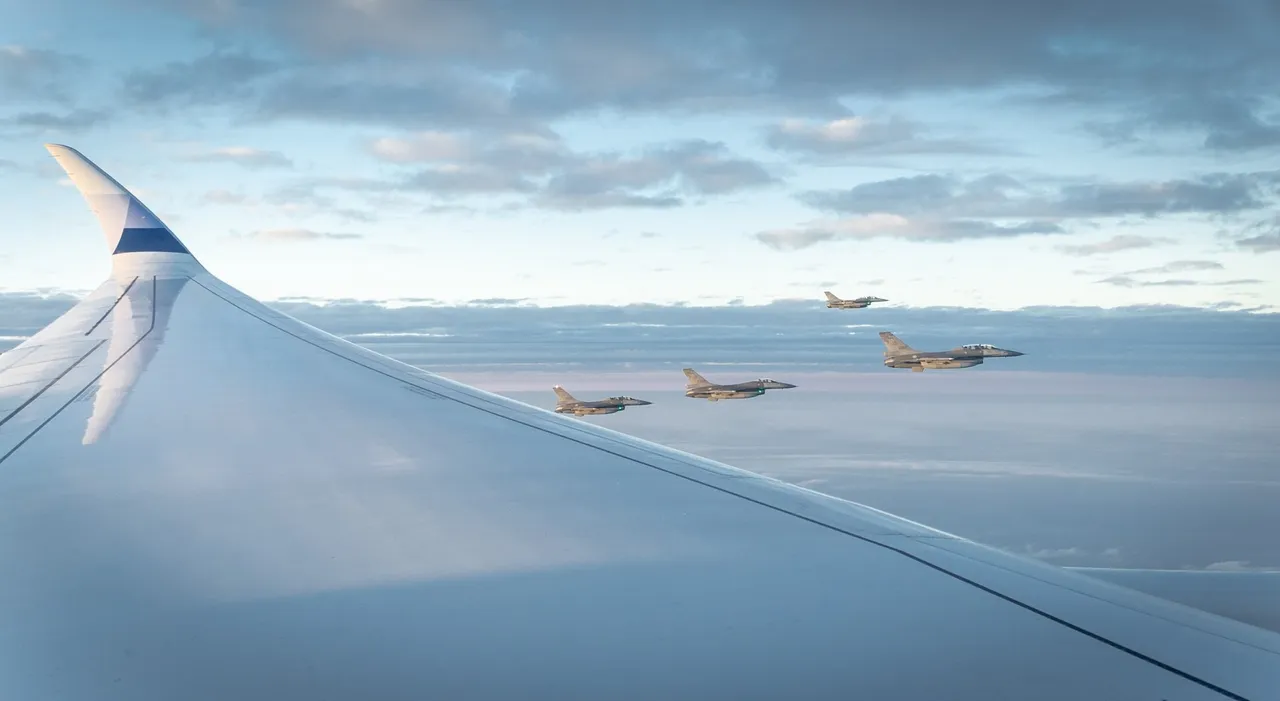
The report surfaced as the jets themselves began to arrive. The Taipei Times reported that three more Block 70 aircraft, tail numbers 6729, 6731 and 6732, reached Chihhang Air Base in Taitung on 8 November, following the first two on 2 October, and that the air force would now run familiarisation training to build initial operational capability. The paper noted that the United States approved the sale in 2019 for about US$8 billion and that deliveries, once expected between 2023 and the end of this year, have slipped because of technical problems.
The argument
New airframes are the visible part of the programme, but the ministry's own report suggests the harder test for Taiwan is whether those jets will carry the stand-off weapons and self-protection they were bought to use. Until the glide bombs and jamming pods are delivered and working, the Block 70 fleet can fly and patrol, but its ability to strike from a distance and survive in a contested electronic environment will lag behind the headline count of aircraft.
Evidence and constraints
The glide bomb timetable is the clearest example. According to the China Times, Washington agreed to the sale in 2017. The report blames the delay on a restarted production line, parts that are no longer made, and system development and integration work, and says the air force amended the letter of offer and acceptance in July 2022 and again in September 2025. From contract to final delivery, the paper calculated, the purchase will have taken 11 years. Lianhe Zaobao, summarising the coverage, said the weapon is about 4.1 metres long, weighs about 483 kilograms and can glide between 22 and 129 kilometres depending on release altitude.
Electronic warfare is the second gap. The United Daily News reported that the original special budget paid for electronic warfare pods for only a third of the fleet, 22 sets, and that the air force later decided every aircraft needed one. The ministry approved a separate case in August 2021 and revised it in June 2024 to add 44 sets along with support systems and ammunition. The paper identified the system as the L3Harris ALQ-254 Viper Shield and said its development has also slipped, citing the air force chief of staff, Li Ching-jan, who told a legislative committee on 12 October that the pod software was still being developed and that the jets brought home so far had some of the hardware fitted.
Storage is moving faster. According to Lianhe Zaobao's account of the report, the air force budgeted four new munitions depots tied to the F-16 weapons purchases. One each at Chiayi and Hualien was finished and handed over this year, while two at Chihhang, home of the wing receiving the new jets, are due by the end of next year. The China Times recalled earlier rumours that delivered glide bombs might first be held in a third country; Zaobao judged that the new depots point to delivery straight to Taiwan.
The public record has limits. None of the reports says how many of the 44 additional pods have been delivered, when the pod software will be finished, or how many of the five jets now in Taiwan can carry glide bombs today. The reports also give no new date for completing delivery of all 66 aircraft.
What could change
Three signs would show the gap closing: a firm date for finished pod software, the first glide bombs reaching the new Chihhang depots, and air force confirmation that the Block 70 jets have reached initial operational capability with both systems fitted. Further slips in any of them would lengthen the period in which the new fighters serve mainly as an air-policing asset rather than a strike and self-protection upgrade.
Why it matters
In a crisis, the value of the Block 70 programme depends less on how many jets sit at Chihhang than on whether they can attack from outside the reach of Chinese air defences and protect themselves against jamming and missiles. The ministry's own report shows both of those capabilities trailing the aircraft by years. That is why the November disclosures deserve more attention than the arrival ceremonies, and why lawmakers reviewing the frozen budget lines have reason to press for firm delivery dates.
Sources
More in Analysis
Why the Fujian carrier's 5 November first anniversary matters more for Taiwan than China's combat claims
China marked the Fujian carrier's first year in service on 5 November 2026; its repeated passages around Taiwan matter more than claims of full combat power.
TaiwanDefence · 16h ago · 4 min read
Why China's 5 November TB-001 drone flight past Okinawa matters for Taiwan's eastern flank
China flew an attack-capable TB-001 drone toward Japan's Danjo Islands on 5 November 2026, one of several recent drone loops that also skirt Taiwan's east side.
TaiwanDefence · 17h ago · 3 min read

Why longer coast guard shifts matter more for Taiwan's grey-zone endurance than new hulls
Frontline Taiwan coast guard crews said on 8 November 2026 that sea shifts now stretch to about 12 hours. Holding off China's patrols depends on people as much as ships.
TaiwanDefence · 21h ago · 4 min read
Discussion (0)
Comments are not currently available.