
Four Chinese generals and admirals quit the national legislature as the military delegation keeps shrinking
Zhang Gong, Guo Jianjun, Wu Yuhong and Meng Qingbin resigned as NPC deputies with no reason given, taking military departures this term to 50.
TAIPEI —
Four senior officers from China's armed forces have given up their seats in the National People's Congress, according to an announcement issued as the legislature's Standing Committee closed its 25th session in Beijing on Friday, 6 November. The four are Zhang Gong, Guo Jianjun, Wu Yuhong and Meng Qingbin, who hold the rank of major general or the naval equivalent of rear admiral in the People's Liberation Army and the People's Armed Police.
According to the Standing Committee's Announcement No. 20, which was carried by the state news agency Xinhua and summarised by Caixin, the election committee of the Central Military Commission's National Defense Mobilization Department accepted the resignations of Zhang and Guo, the navy's election committee accepted Wu's, and the People's Armed Police election committee accepted Meng's. Their status as deputies was then terminated under the relevant rules. The announcement gave no reason for the departures, and Reuters and SBS both reported that the motive was not disclosed.
The manner of the exits stands out. Earlier military departures from the legislature during the current term were removals, and Caixin described the four as the first military deputies to step down by resignation since 2023. With them, 50 deputies from the PLA and the armed police have lost their seats since the term began, Caixin counted: 22 full generals, 18 lieutenant generals and 10 major generals, or their naval equivalents. Lianhe Zaobao calculated from public records that the military delegation has shrunk from 281 members at the start of the term to 229, with 50 seats terminated and two deputies moved to civilian delegations.
Zhang Gong is the best known of the four. A naval aviation officer for much of his career, he served as chief of staff of the North Sea Fleet's naval aviation force and as deputy chief of staff of the East Sea Fleet before he was promoted to rear admiral in June 2019. He went on to command the Jiangxi provincial military command from 2022 and the Guangdong provincial military command from 2023, when he also joined Guangdong's provincial party standing committee. At the legislature's annual session in March 2025, he urged Guangdong to use its electronics, artificial intelligence and new energy industries to strengthen military capability.
Guo Jianjun, a political officer, was political commissar of the PLA Rocket Force University of Engineering and later of the Ningxia military command, and sat on Ningxia's regional party standing committee. In January 2026 the Ningxia legislature announced that he had been transferred out of the region. Meng Qingbin served as political commissar of the armed police contingents in Guizhou and Sichuan and was later listed as political commissar of the Gansu provincial military command. Wu Yuhong, a rear admiral since December 2018, led the shore-to-ship missile formation in the October 2019 military parade in Beijing.
The same session ended the status of five other deputies, four of them through removal, including Ye Jianchun, the former governor of Jiangxi. It also named 12 former provincial party chiefs and governors to senior posts in the legislature, which Reuters described as a common holding position for officials moved out of frontline jobs before retirement. Reuters noted that the legislature had already stripped several senior officers and people with ties to the defence sector of their seats earlier this year, as a sweeping anti-graft and discipline campaign has removed scores of top generals.
Chang Chih-chung, a professor at Kainan University in Taiwan, told Lianhe Zaobao that the case resembles the 2024 resignation of former foreign minister Qin Gang from the legislature. In his assessment, the four officers may be suspected of violations that investigators have not yet established, which would explain why they were allowed to resign rather than being removed, and they may also have been demoted in rank or post. Chinese authorities have not confirmed any investigation of the four.
None of the four is publicly known to hold a command facing Taiwan today. Even so, the steady loss of military deputies, with the delegation now nearly a fifth smaller than when its term began, shows that the turnover inside the senior ranks of China's armed forces has continued into the final months of 2026, and that it now reaches officers at the provincial command level as well as the top brass.
Sources
More in Cross-Strait
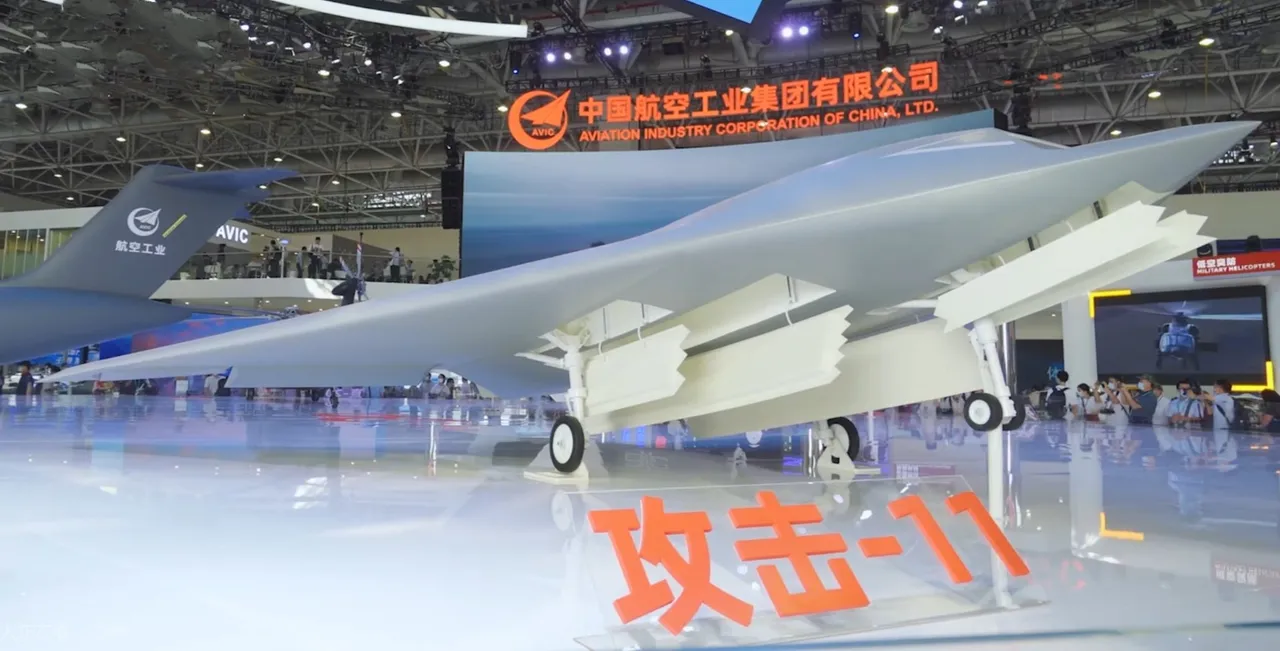
China shows the GJ-11 stealth drone's internal weapon bay in new state TV footage
CCTV aired close-up video of the GJ-11, now codenamed Xuanlong, ahead of the PLA Air Force anniversary, giving a first view of its belly weapon bay.
TaiwanDefence · 1h ago · 3 min read
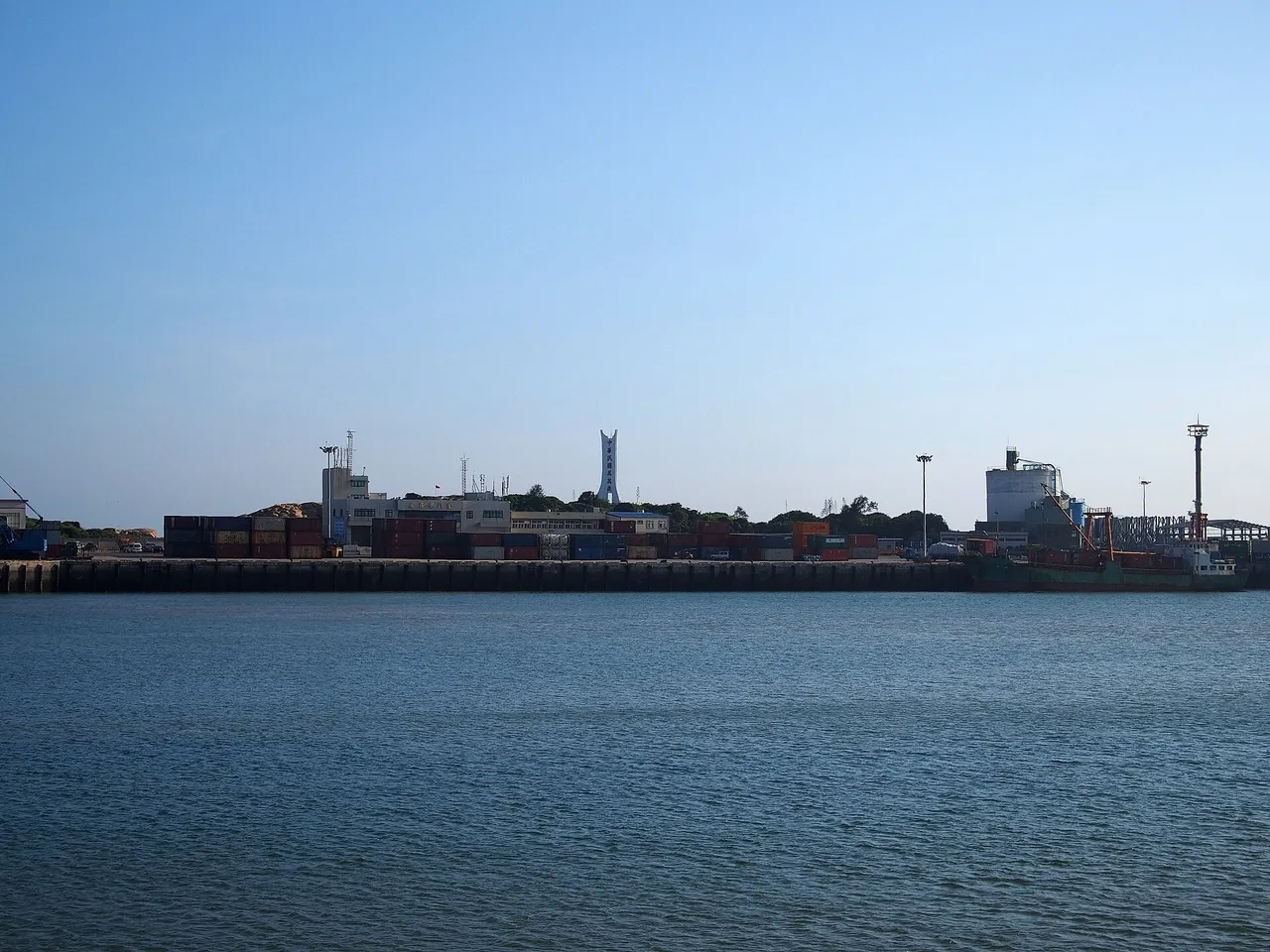
Chinese coast guard flotilla makes a sixth Kinmen incursion in two weeks despite heavy seas
Four China Coast Guard ships, the same hulls seen on 4 and 6 November, spent two hours in Kinmen's restricted waters as Taiwan called the move irrational.
TaiwanDefence · 5h ago · 3 min read
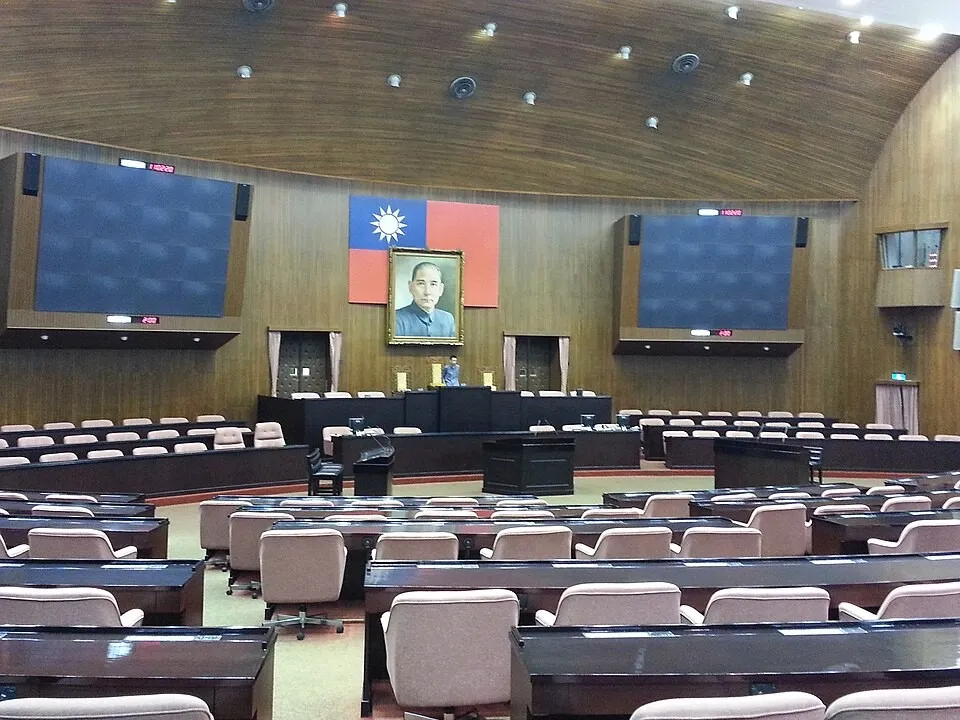
Prosecutors say May Chin followed Beijing on defence votes as lawmakers warn of secrets risk
Taiwan's High Prosecutors Office sought 14 years for the independent legislator, alleging CCP-directed work against arms buys; DPP lawmakers warn she still sits on committees with defence access.
TaiwanDefence · 2d ago · 2 min read
Discussion (0)
Comments are not currently available.