
Prosecutors say May Chin followed Beijing on defence votes as lawmakers warn of secrets risk
Taiwan's High Prosecutors Office sought 14 years for the independent legislator, alleging CCP-directed work against arms buys; DPP lawmakers warn she still sits on committees with defence access.
TAIPEI —
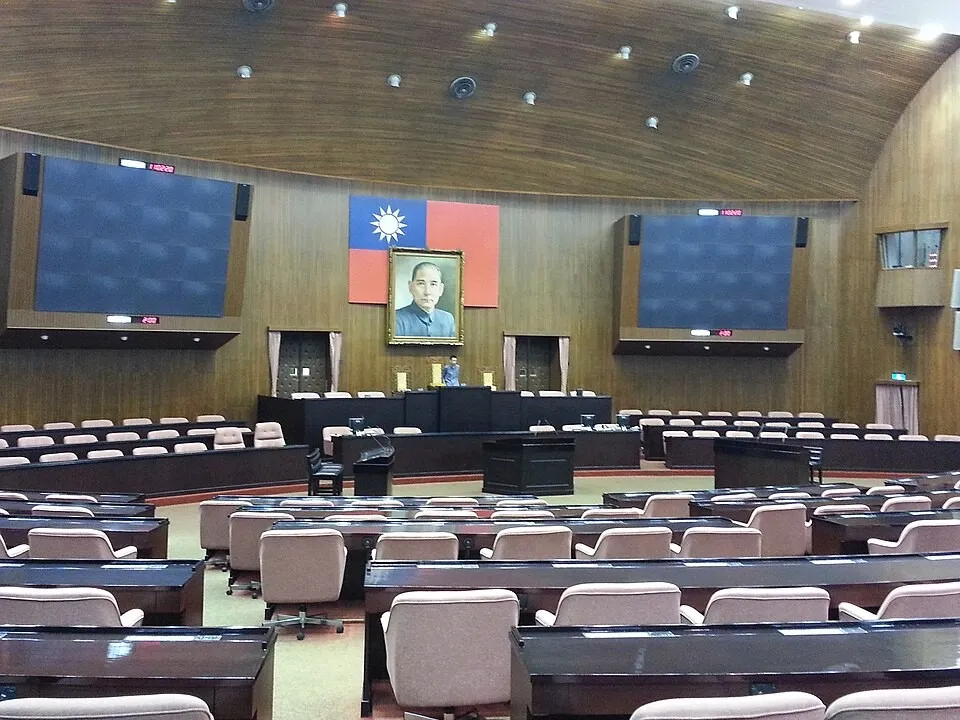
Taiwan's High Prosecutors Office on 6 November indicted independent Legislator May Chin and three aides under the National Security Act and anti-corruption statutes, seeking 14 years for Chin, Central News Agency reported.
According to the CNA account of the indictment, prosecutors alleged Chin used her legislative role on anti-arms-purchase, cross-strait, diplomacy and defence issues in line with Chinese Communist Party direction, describing the alleged conduct as serious and calling for a heavy sentence.
Liberty Times Net reported the same day that prosecutors also allege Chin received about NT$170 million in overseas funds between 2005 and 2016 to help build an organisation in Taiwan and, at Beijing's direction, obstruct budgets and oppose arms-purchase bills in the legislature.
Democratic Progressive Party Legislator Michelle Lin told Liberty Times that an indictment is not a conviction and that current law does not force Chin to resign, but that Chin remains a legislator and sits on the Internal Administration Committee.
Lin warned that the seat still gives access to civil-defence deployment information and to classified defence and national-security budget material, and that Taiwan currently lacks measures to fence that risk while the case proceeds, Liberty Times reported.
Taipei Times reporting on 7 November said Taiwan National Security Institute deputy secretary-general Ho Cheng-hui used the indictment to renew calls for a foreign-agent law, citing the United Kingdom's National Security Act 2023 as a model for oversight of lawmakers and aides.
Ho also pointed to the September bail jump by Chin's former office director Chang Chun-chieh, who prosecutors are seeking 15 years against, as evidence that institutional gaps can be exploited, Taipei Times said.
Lin separately argued that requiring legislators to report trips to China would at least let investigators know which provinces were visited and whom they met, making open collaboration harder, according to Liberty Times.
CNA and Liberty Times both place the funding allegation in the 2005 to 2016 window and treat the NT$170 million figure as a prosecutors' calculation, while stressing that the High Prosecutors Office framed Chin's alleged legislative work on defence and arms-purchase issues as especially serious.
Taipei Times also linked the debate to broader foreign-interference concerns, noting Ho's reference to the British Christine Lee interference-alert episode as a comparative example of how agent-registration rules are argued abroad, without equating that case to the Taiwan indictment.
Taipei Times noted Lin's further warning that prosecutors allege information exchanges with the Chinese Communist Party under Beijing's direction, while the legislature still has no interim barrier around defence and security materials accessible to sitting members under indictment.
The case remains at the indictment stage. Taiwanese coverage treats the funding, united-front training and legislative-direction claims as prosecutors' allegations rather than adjudicated findings, and Chin has not been convicted.
For TaiwanDefence readers, the live defence hook is not the criminal schedule alone but the combination of alleged past obstruction of arms-purchase and defence-related votes with continued committee access to civil-defence and classified defence budget data while reform proposals for foreign-agent registration and China-travel reporting remain contested.
Sources
More in Cross-Strait

Koo says US arms sales to Taiwan stay on track after Democrats win Congress
Taiwan's defence minister answered midterm questions on 5 November by stressing bipartisan congressional support and a ministry plan to keep Foreign Military Sales timing intact.
TaiwanDefence · 1d ago · 2 min read
ISW says China's West Pacific surge looks like an unannounced isolation drill
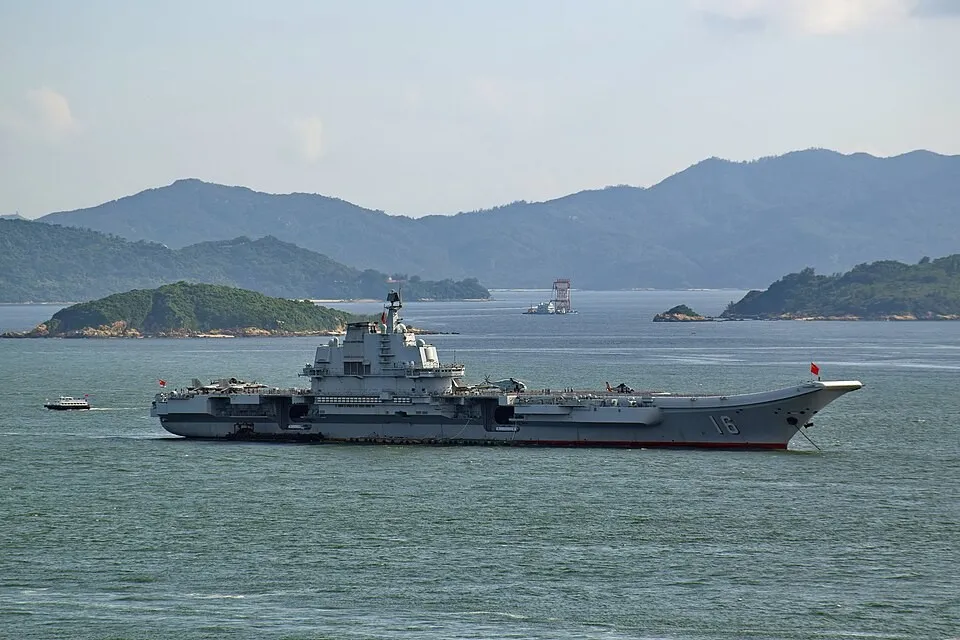
A 6 November Institute for the Study of War update argues multi-theater PLAN and coast guard deployments around Taiwan exceed Justice Mission 2025 and may be meant to look routine.
TaiwanDefence · 1d ago · 2 min read

Lin Feifan tells Berlin that Taiwan will not wait for outside rescue
NSC deputy Lin Fei-fan tells Berlin that Taiwan will defend itself rather than wait for rescue, citing PLA pressure, cable cuts and 2.8 million daily cyberattacks.
TaiwanDefence · 1d ago · 3 min read
Discussion (0)
Comments are not currently available.