
India nears a deal to sell the Philippines about 60 more BrahMos missiles
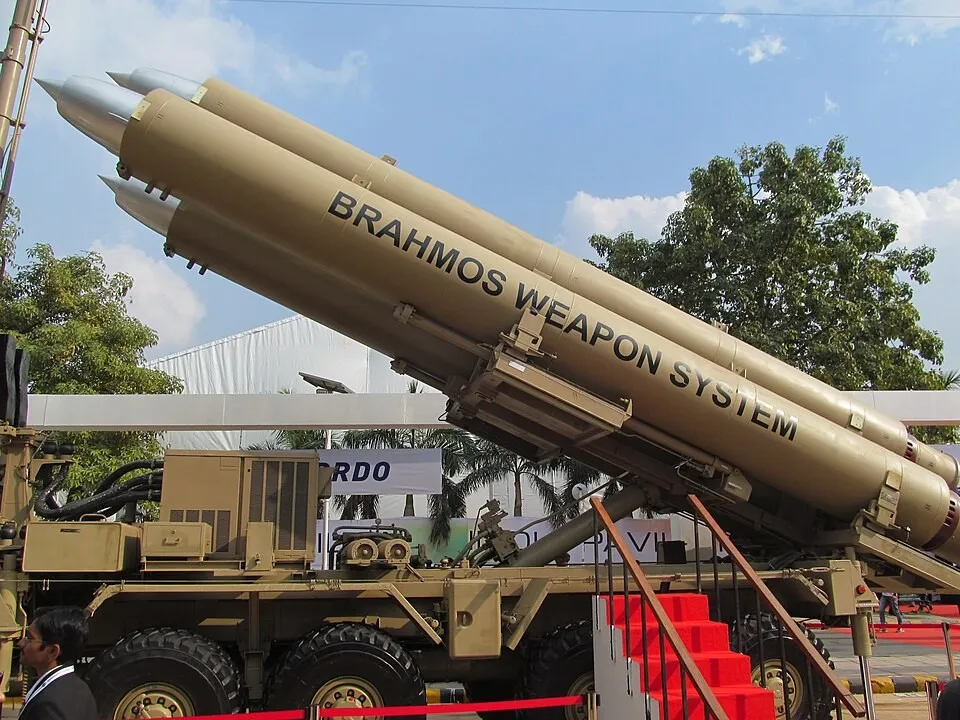
Reuters sources put the follow-on order at about five BrahMos systems worth up to US$800m, roughly double Manila's first shore-based anti-ship missile buy.
TAIPEI —
India is in the final stage of talks to sell the Philippines a second and much larger batch of BrahMos supersonic cruise missiles, according to sources with direct knowledge of the matter cited by Reuters on 5 November 2026. Two Indian sources said Manila is expected to buy about five BrahMos systems carrying nearly 60 missiles in total, in a deal that could be worth between US$700 million and US$800 million.
That would be roughly twice the value of the first Philippine order. Manila signed a US$375 million contract with India in January 2022 for three shore-based anti-ship missile batteries, and the first battery was delivered in April 2024. Reuters reported that India is now close to completing deliveries under the 2022 deal.
The Philippine defence department has confirmed the intent but not the numbers. Its spokesperson, Arsenio Andolong, told Reuters that President Ferdinand Marcos Jr had expressed a wish to acquire more BrahMos missiles, and he gave no further detail. India's defence and foreign ministries and the manufacturer, BrahMos Aerospace, did not respond to requests for comment, the agency said.
The report followed public remarks by Defence Secretary Gilberto Teodoro Jr, who spoke by video link at the third Delhi Defence Dialogue on 4 November. Teodoro said the Philippines hoped to increase the number of BrahMos units it operates and had passed a wish list to Indian authorities so that the system could be better tailored to Philippine conditions.
He tied that request to practical limits at home. Teodoro said Philippine roads and bridges are less durable than those in India and that the country has no rolling stock or active railway, which makes moving the missile system around the country a challenge.
Teodoro also said India's decision to supply the missile reflected a judgement that Manila was a responsible buyer that would use it only for defensive purposes and in line with international law. The Philippine ambassador to India, Josel Ignacio, called the BrahMos an unmatched deterrent and said the Philippine military would increasingly look to India for other procurement.
The Philippine Star described the planned purchase as part of an effort to strengthen deterrence and widen the country's coastal missile network facing the South China Sea, where Manila and Beijing have overlapping claims and have clashed repeatedly in recent years. The newspaper also reported that Marcos has told the Armed Forces of the Philippines to pursue a satellite acquisition programme, with India as a potential partner.
Neither government has said where any additional batteries would be based or when a contract might be signed. The size and value of the deal so far come from unnamed sources rather than from an official announcement in Manila or New Delhi.
The talks are part of a wider Indian export push. BrahMos was developed jointly by India and Russia and can be launched from land, sea and air platforms. Reuters said interest in the missile has grown since India first used it in combat during its four-day conflict with Pakistan in 2025. New Delhi announced supplies to Indonesia in July, has signed a deal with Vietnam and is in talks with the United Arab Emirates, Thailand, South Africa and Brazil.
India's defence exports in the fiscal year to March reached 384.24 billion rupees, an increase of more than 62 percent on the previous year, according to government data cited by Reuters.
Sources
More in Indo-Pacific
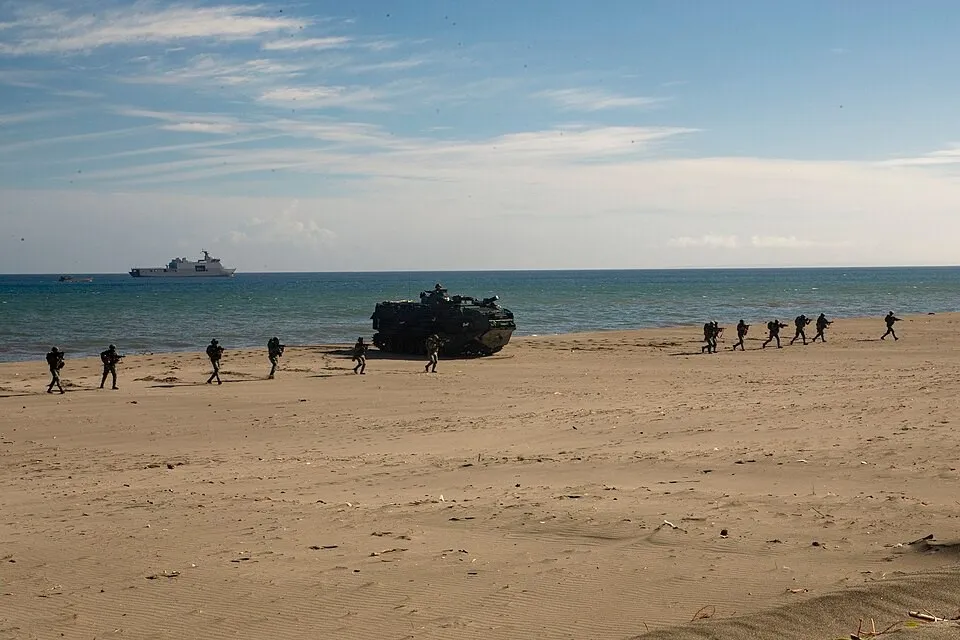
Teodoro says Philippine Marines are too small and need new bases as he rejects China's Batanes claim
The defence secretary used the Marine Corps' 76th anniversary to push for a larger force, new strategic bases and stocked reserves, and dismissed Beijing's Batanes claims.
TaiwanDefence · 6h ago · 3 min read
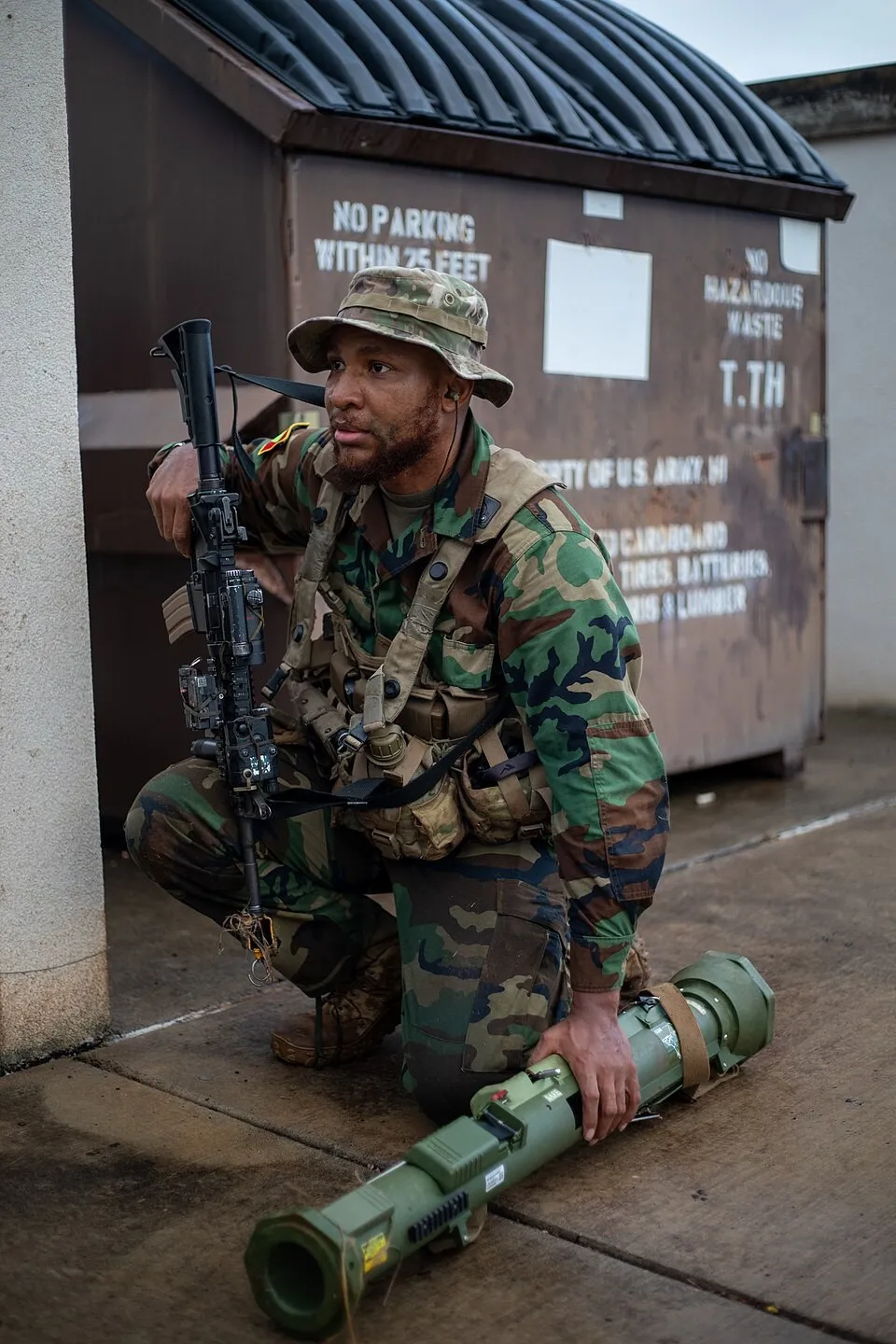
US Army and six partner militaries move into force-on-force island combat drills in Hawaii
About 7,000 troops from the US, Japan, South Korea, Singapore, France, New Zealand and the Maldives began simulated combat across Hawaii's islands on 4 November.
TaiwanDefence · 12h ago · 3 min read
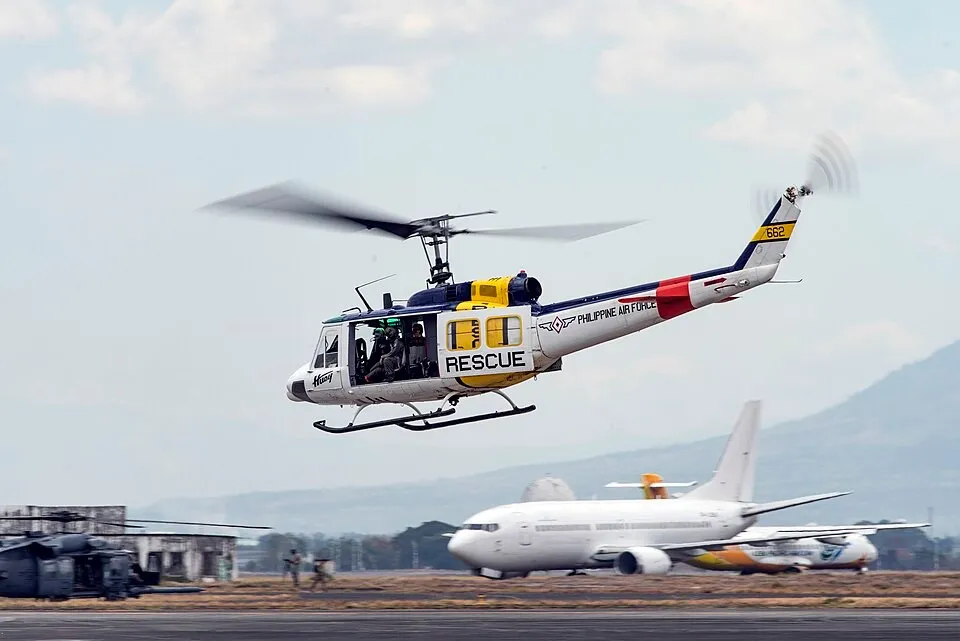
Philippine Air Force retires its last six UH-1H Hueys as Black Hawks take over
The Philippine Air Force decommissioned its final six UH-1H helicopters in Cebu on 5 November, ending 57 years of Huey service as S-70i Black Hawks assume the role.
TaiwanDefence · 13h ago · 3 min read
Discussion (0)
Comments are not currently available.