
ANALYSIS
Why Malabar 2026's sub-hunting focus matters more for Taiwan than the Quad summit optics
Malabar 2026 opened on 5 November with the Quad navies rehearsing submarine hunts while China kept more than 100 ships at sea around Taiwan's approaches.
TAIPEI —
This article is an original Taiwan Defence analysis based on the cited public sources. It distinguishes reported facts from analytical judgments and does not represent original field reporting.
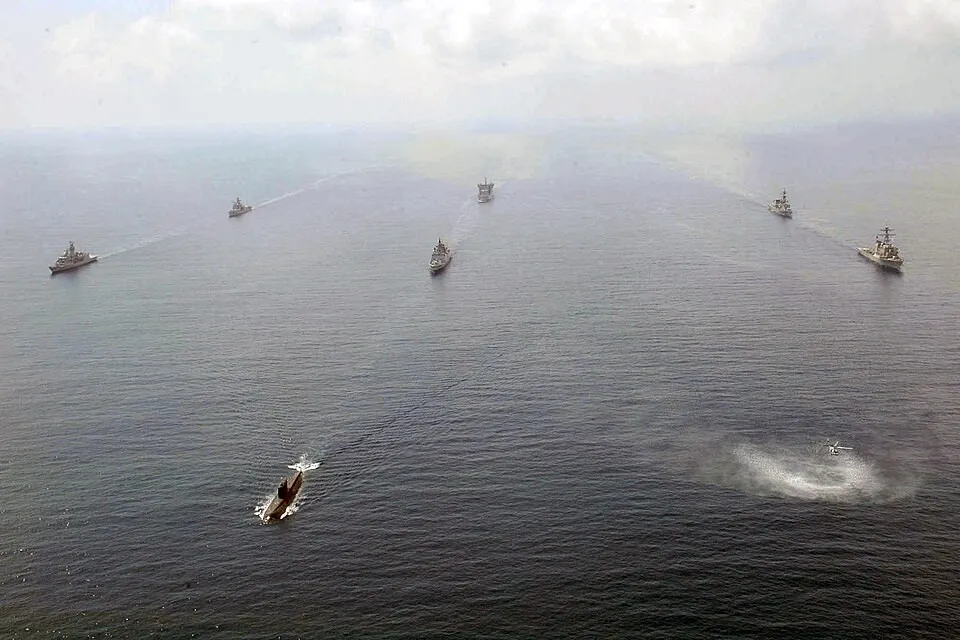
On 5 November 2026 the navies of Japan, the United States, Australia and India opened Exercise Malabar 2026 at the Japan Maritime Self-Defense Force base in Yokosuka. The drills run until 12 November in waters south of Tokyo and the Kanto region, and Indian reporting said hunting submarines was the main focus of the programme.
Japan sent the helicopter destroyer JS Ise, the frigate JS Mogami, a submarine and a P-1 maritime patrol aircraft. India sent the stealth frigate INS Sahyadri, which reached Yokosuka on 4 November. Australia committed the frigate HMAS Stuart and a P-8A Poseidon, and the United States brought the amphibious transport docks USS Anchorage and USS John P. Murtha with a P-8A of its own.
The argument
Most coverage has framed Malabar as a curtain-raiser for the Quad leaders' summit expected on the sidelines of the ASEAN meeting in Manila from 16 to 18 November, the first such summit since September 2024. That diplomatic timing is real, but it is the least useful way to read this year's drills for Taiwan.
The more important point is what the four navies chose to practise and when they chose to practise it. Rehearsing coordinated submarine detection and tracking with patrol aircraft, frigates and a submarine is the part of allied seapower that would matter most if China tried to isolate Taiwan, and the exercise is taking place while Chinese forces are doing something close to that rehearsal themselves.
Evidence and constraints
Indian reporting tied the anti-submarine emphasis directly to the size of the Chinese navy, which it put at more than 370 ships and submarines, and noted that the Chinese navy keeps six to eight warships in the Indian Ocean at any one time. Japan's fleet commander, Vice Admiral Katsushi Omachi, told the opening ceremony that the ability to communicate and operate together was essential, while US Seventh Fleet commander Vice Admiral Patrick Hannifin said threats in the region were shared and that the navies needed to be able to work together above, on and below the sea.
The Chinese backdrop is unusually heavy. A joint report by the American Enterprise Institute and the Institute for the Study of War, published on 6 November and reported in Taiwan on 8 November, said China might be running a large unannounced exercise that simulates isolating Taiwan. It cited Taiwan's National Security Council chief Joseph Wu as saying more than 100 Chinese navy and coast guard ships were operating in the western Pacific, with one concentration of four task forces, including the Liaoning carrier group, between Taiwan and Guam.
USNI News reported that the Liaoning group was northeast of Luzon in the Philippine Sea as of 4 November. In the same week, it said, Japanese P-1 and P-3C patrol aircraft were shadowing Chinese destroyers and supply ships as they moved back and forth between the East China Sea and the Philippine Sea through the gap between Okinawa and Miyako Island, and Japanese fighters were scrambled against Chinese reconnaissance drones in the same area.
That is the constraint worth noticing. The Japanese patrol aircraft community that is practising submarine hunts with Quad partners south of Tokyo is the same force that watches Chinese ships passing the southwest islands toward Taiwan's eastern approaches. Malabar adds Indian, Australian and US aircraft to the training picture for a week, but it does not by itself add permanent coverage along that chain.
What could change
Several signals would show whether the exercise means more than a photo opportunity. One is whether the anti-submarine serials lead to standing arrangements, such as more regular Australian or Indian patrol aircraft deployments to Japan. Another is whether the Quad summit in Manila produces any defence language beyond the maritime surveillance initiative the foreign ministers launched in May. A third is how long the Chinese surge east of Taiwan lasts after Malabar ends on 12 November.
India's official statement described a harbour phase of planning and professional exchanges followed by a sea phase with Sahyadri and units from the other three navies. Indian reporting also noted Japan's push for a stronger defence pillar inside the Quad, including a proposal for an India-hosted Quad defence ministers' meeting.
Why it matters
For Taiwan, the value of Malabar is not that four navies sailed together, and nothing in this year's programme commits any of them to Taiwan's defence. Its value is narrower and more practical: it keeps the allied submarine-hunting skills that would shape any Chinese attempt to isolate the island in regular use, at a moment when China is visibly practising the far-seas side of that same contest. Whether those skills are matched by enough aircraft and ships in the right places is the question that the summit optics will not answer.
Sources
More in Analysis
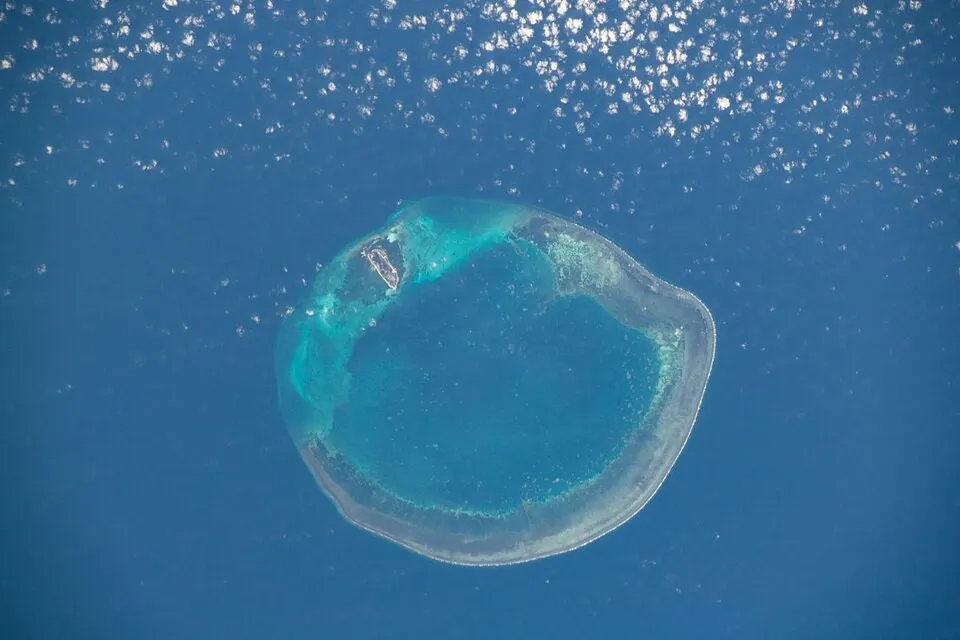
Why China's dark-ship coast guard probes at Pratas matter more than the expulsion count
On 31 October 2026 a Chinese coast guard ship ran dark into Pratas restricted waters, the 13th such entry this year, and analysts say the real test is supply access.
TaiwanDefence · 2h ago · 4 min read
Why CENTCOM's unmanned surge matters more for Taiwan as a joint-force scaling template
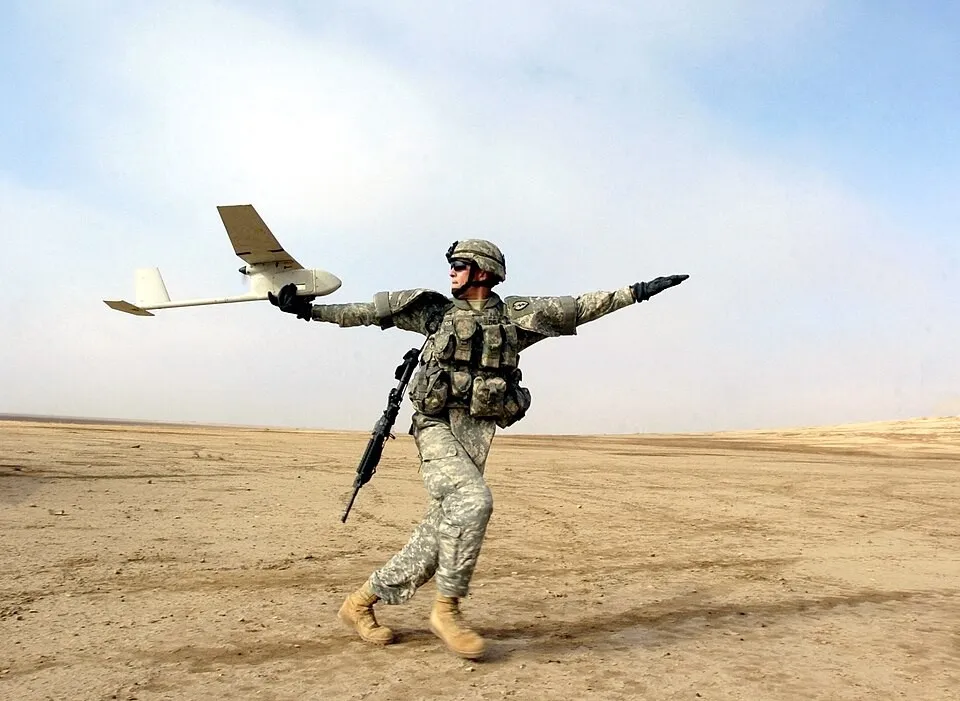
In November 2026 the Pentagon said Central Command received more than 25,000 unmanned systems this year, a fielding it frames as the start of joint-force scaling toward the Pacific.
TaiwanDefence · 3h ago · 4 min read
Why the navy's NT$990m Yilan drone airfield plan matters for watching Taiwan's northeast seas
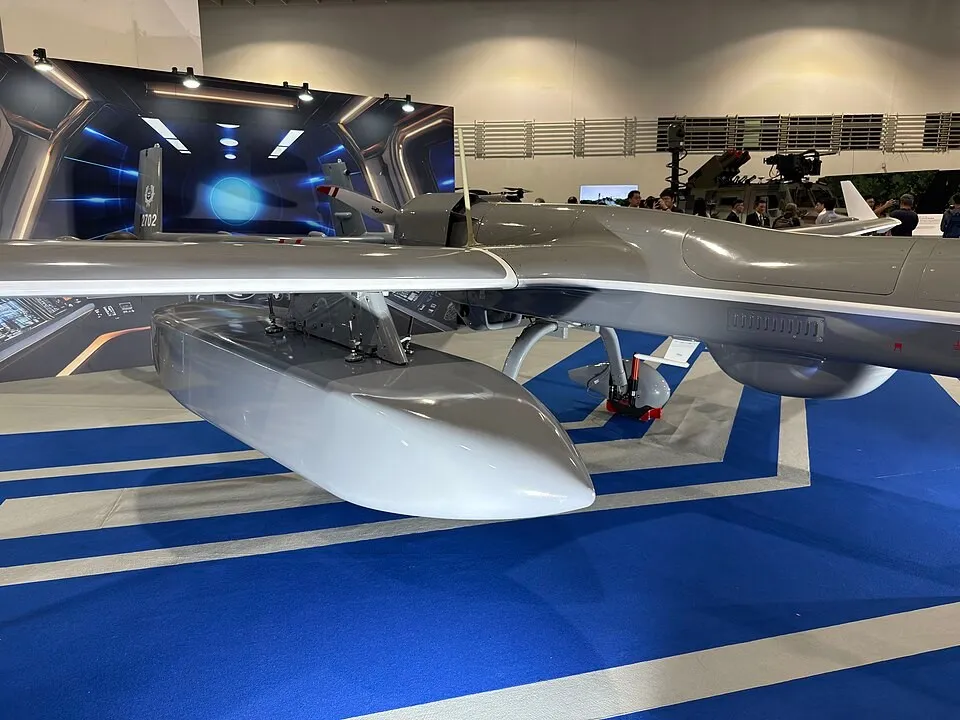
A 2027 budget line reported on 8 November 2026 puts a navy drone runway in Yilan, aiming to cut transit time and give drones a wartime refuge.
TaiwanDefence · 4h ago · 4 min read
Discussion (0)
Comments are not currently available.