
Lin Feifan tells Berlin that Taiwan will not wait for outside rescue
NSC deputy Lin Fei-fan tells Berlin that Taiwan will defend itself rather than wait for rescue, citing PLA pressure, cable cuts and 2.8 million daily cyberattacks.
TAIPEI —
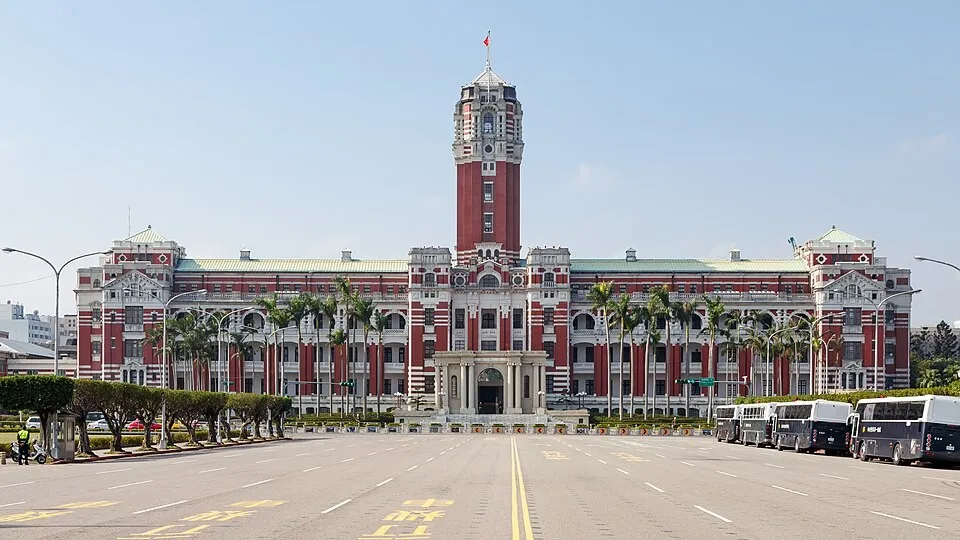
National Security Council deputy secretary-general Lin Fei-fan told the Berlin Security Conference that Taiwan will strengthen its own defence rather than wait for outsiders to arrive. Speaking on the Total Defence panel of the 25th Berlin Security Conference on 3-4 November 2026, he framed Chinese military and hybrid pressure as a shared problem for Taiwan and for Europe and said effective deterrence cannot rest on any single state.
Lin cited the scale of the pressure Taiwan faces. He said Chinese military aircraft entered Taiwan's air defence identification zone about 5,400 times last year, with about 3,000 of those sorties crossing the Taiwan Strait median line. From late 2024, he added, China has also run large first-island-chain maritime drills that often put more than 100 ships at sea.
He folded undersea cables and cyber volume into the same picture. Taiwan has seen roughly seven to eight undersea cable breaks a year since 2023, with about 40 percent linked to non-compliant Chinese vessels in the figures he presented. He also said Taiwan absorbs about 2.8 million cyberattacks a day against government sites, energy, medical services, private firms and other critical infrastructure.
Lin summarised Taiwan's whole-of-society defence work in three points. The first was political leadership: President Lai Ching-te, he said, ordered from day one that the government explain geopolitical risk to the public rather than soft-pedal it. The second was transparency. Lin said Taiwan has opened recent exercise imagery, including tanks on city roads, Patriot batteries near Taipei 101, troops using the metro for logistics drills, and civil agencies training beside the military, arguing that more information builds trust.
The third point was public confidence. Lin argued that confidence sits at the core of resilience, and that society cannot carry the preparation it needs if people doubt their own ability to defend. He linked that theme to Ukraine, saying the war has shown that people power and resilience can both be built through investment and training.
On cyber, Lin told partners that Europe is looking to Taiwan after attacks on public infrastructure there, including remote tampering with supermarket refrigeration in France that spoiled food. He said Taiwan keeps overseas cloud backups for key public-service data so core functions can survive disruption, and that Taipei is auditing systems and working with like-minded countries on cyber defence. Cyber specialists, he said, have called Taiwan a perfect honeypot because the volume of attacks yields usable intelligence that Taiwan is willing to share.
Lin said next year's urban resilience drills are meant to integrate more tightly with the annual Han Kuang military exercises so local governments and military units can rehearse the same wartime scenarios together. This year Taiwan already required civilian agencies to join the largest urban resilience exercise under military-style assumptions. He also pointed to a household civil-defence handbook issued nationwide when a German panellist asked how ordinary people build crisis awareness.
He told the conference that Taiwan knows its own responsibility and will not sit and wait for rescue, while also arguing that the Taiwan Strait's stakes for global development mean deterrence has to combine whole-of-society effort with international cooperation. With China and Russia both expanding military activity in their regions, he said, no single country can carry that load alone.
Central News Agency and Liberty Times carried the Taipei readout of the Total Defence remarks; Taipei Times separately reported Lin's Berlin comments on cyber sharing, urban drills and the no-wait-for-rescue line. The conference itself listed Lin among the Total Defence speakers alongside European defence and civil-protection officials.
Sources
More in Cross-Strait
Taiwan coast guard drives four Chinese ships from Kinmen waters in rough seas
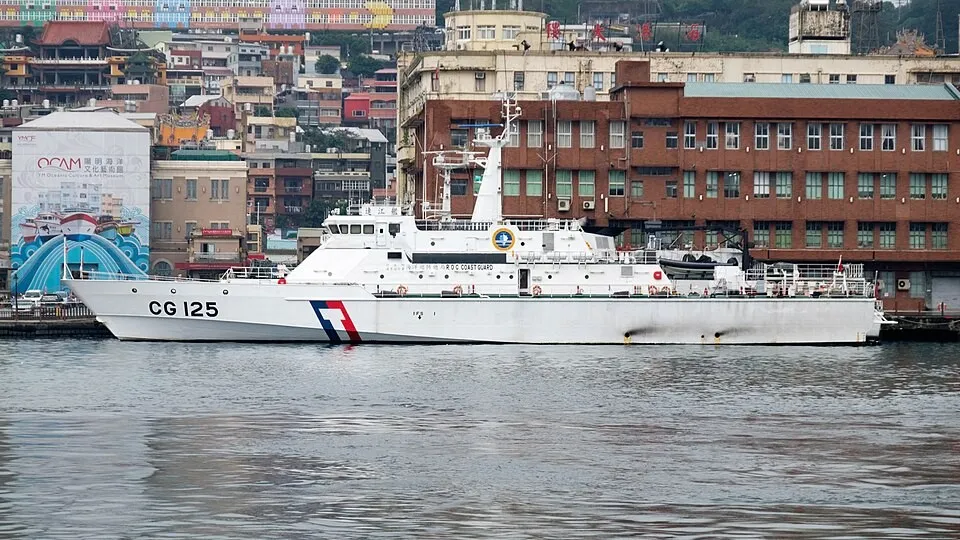
On 6 November 2026, Coast Guard boats one-to-one shadowed China Coast Guard hulls 14604, 14530, 14608 and 14531 until they left Kinmen restricted waters at 11:13 a.m.
TaiwanDefence · 5h ago · 2 min read
Lai ties Strait peace to strength as liberals back Taiwan maritime cooperation
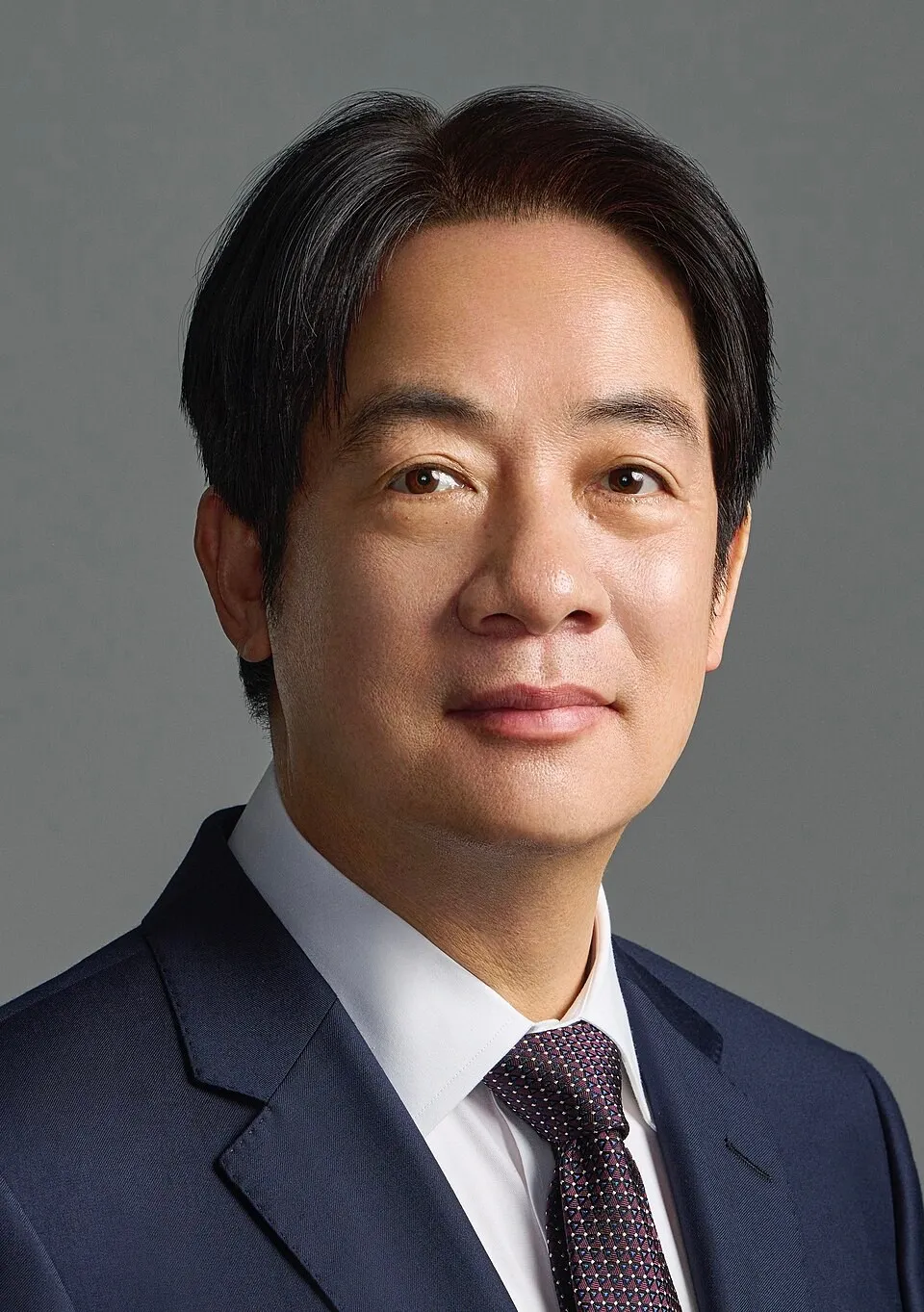
The president said Taiwan is investing in asymmetric forces and societal resilience, while Liberal International urged Indo-Pacific states to share maritime monitoring with Taiwan.
TaiwanDefence · 7h ago · 2 min read
Taiwan says its coast guard drove away Chinese vessels 618 times this year as grey-zone pressure rises
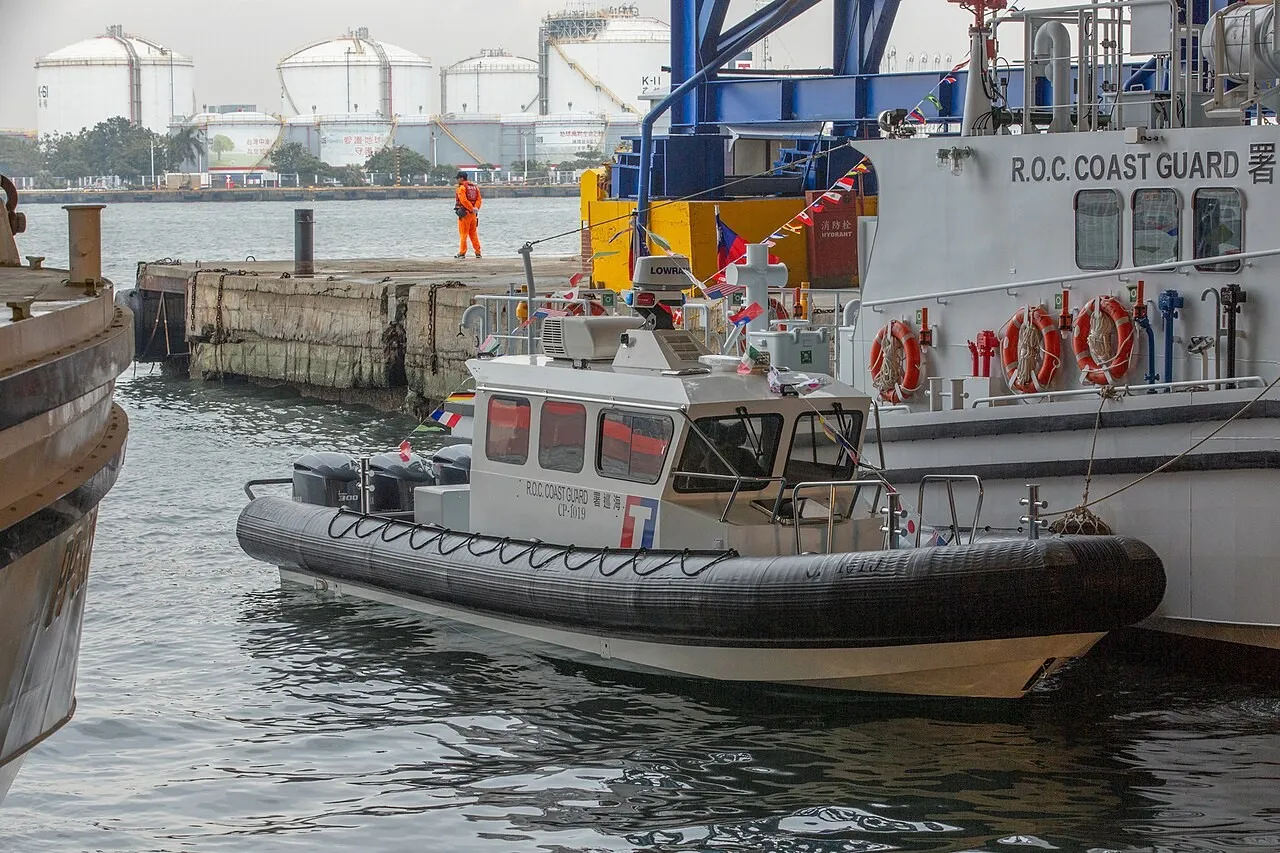
Ocean Affairs minister Guan Bi-ling told the Cabinet that Chinese coast guard ships entered Dongsha and Kinmen waters 52 times, while Taipei funds a larger sea-air coast guard.
TaiwanDefence · 1d ago · 2 min read
Discussion (0)
Comments are not currently available.