
Japan's finance ministry says a bigger defence plan should not rely on new bonds
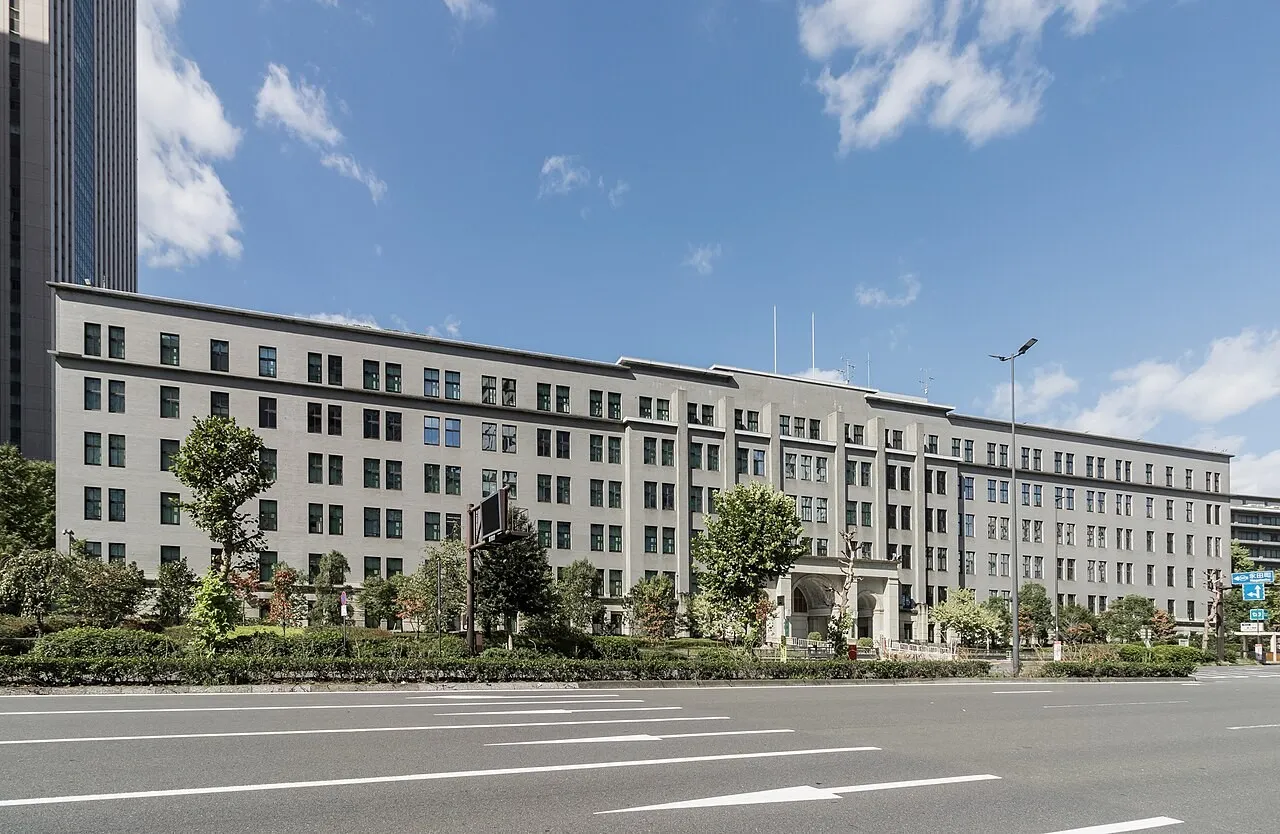
On 5 November 2026 Japan's Fiscal System Council heard a Finance Ministry pitch to fund defence rises without deficit bonds and to harden the economy for a prolonged security crisis.
TAIPEI —
On 5 November 2026, Japan's Fiscal System Council, an advisory panel to the finance minister, reviewed how to pay for a larger defence buildup as the government prepares year-end revisions to the three national security documents.
The Finance Ministry told the panel that further defence spending increases should be funded through spending reforms rather than additional government borrowing, and that Japan should strengthen its economic and fiscal base for a national security crisis, Kyodo News reported via The Mainichi.
Reuters, citing a ministry official after the same Fiscal System Council meeting, said the ministry argued that any rise in defence spending should not be financed through new government bond issuances while Tokyo weighs a 70 trillion to 80 trillion yen defence buildup plan for fiscal 2027 to 2031.
Jiji Press reported that the ministry urged the panel to follow a 2022 expert-panel line that bond issuance must not be treated as a premise for funding the security documents, and that several council members cautioned against depending on bonds for peacetime defence preparation.
Takero Doi, who chairs the council's spending-reform subcommittee, told reporters after the meeting that members argued the extra defence costs should be covered by stable revenue including tax measures, TBS News Dig reported. Doi said relying on deficit bonds for peacetime readiness would leave Japan with less issuance room if a crisis hit.
The ministry's proposal also framed wartime economic stress. It warned that Japan, heavily dependent on imported energy, raw materials and food, would face a domestic situation far harder than Ukraine's in a prolonged emergency, and set a goal of being able to ramp up production of military equipment and other strategic goods quickly, according to Kyodo.
Among the industrial steps listed were wider use of civilian products such as drones for defence, shared production lines so commercial plants can switch to defence output, looser Self-Defense Force equipment specifications to widen the supplier base, and government help for defence firms to become more profitable including through overseas sales, Kyodo said.
The financing fight sits beside the ruling-camp timetable already set for 10 November working-level talks between the Liberal Democratic Party and Japan Innovation Party on the three documents, with spending scale still in dispute and a cabinet decision targeted for December.
Kyodo noted that further defence spending increases are expected to put more pressure on public finances, with debate still open on whether the buildup should be paid for through cuts elsewhere or tax rises as the three documents are rewritten by year-end.
For TaiwanDefence readers, the 5 November message matters because Japan is trying to nearly double the next five-year defence programme while its own finance officials insist the bill cannot rest on peacetime deficit bonds — a constraint that will shape how fast Tokyo can buy drones, munitions and other stocks relevant to a Taiwan contingency.
Sources
More in Indo-Pacific
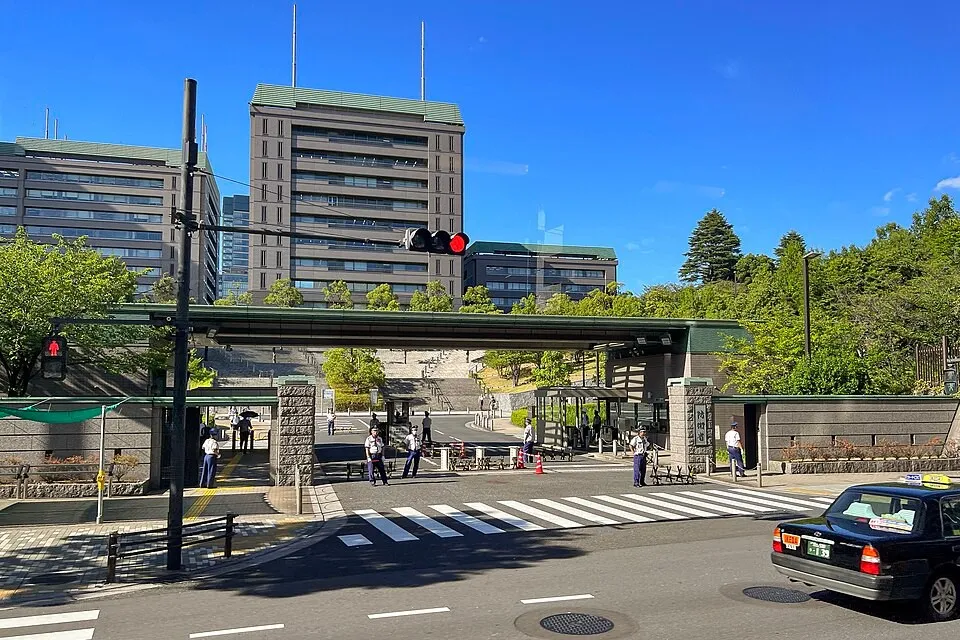
Japan rolls out an emergency cyberdefense package with active defence tools
Takaichi government adds specialist teams, AI vulnerability hunting and Defense Ministry support for national-security incidents after a wave of data breaches.
TaiwanDefence · 33m ago · 2 min read
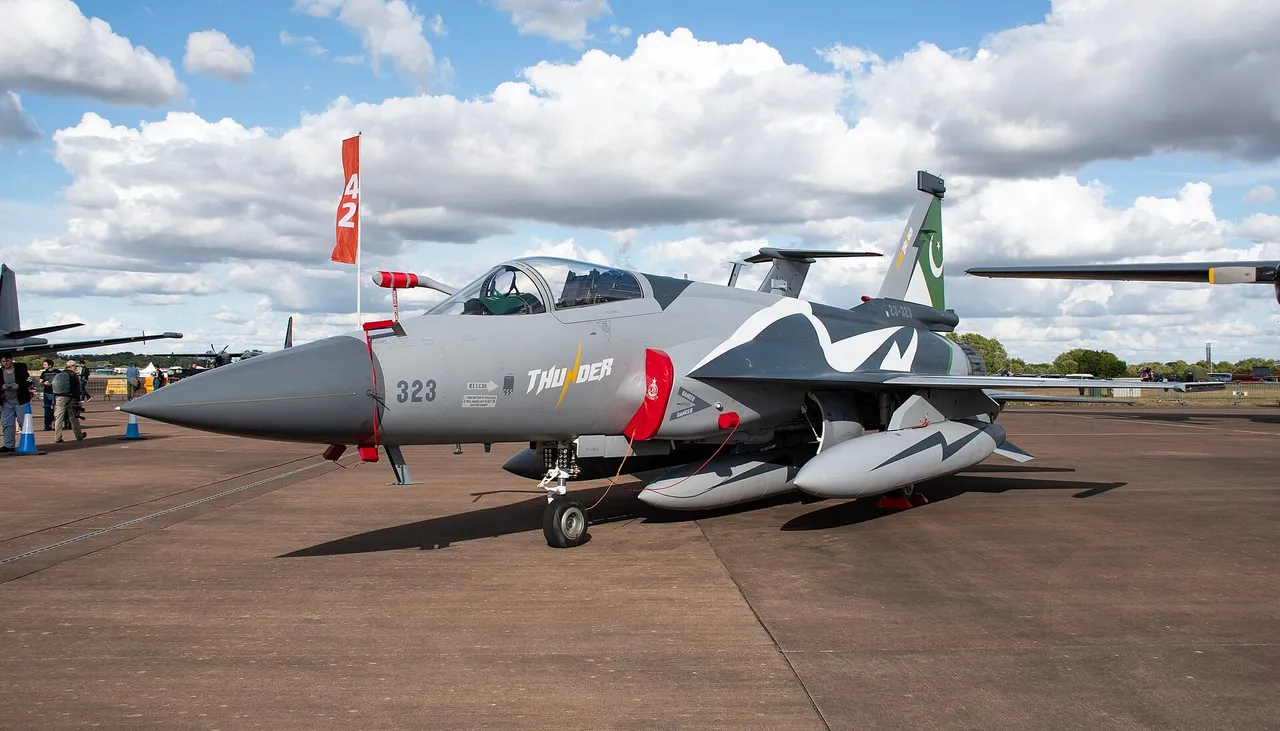
Pakistan test-fires Fa'az, its first home-built air-to-air missile, from a JF-17 fighter
The infrared-guided missile could ease the Pakistan Air Force's reliance on Chinese PL-15 and US AMRAAM weapons, though one analyst suspects a Chinese-supplied seeker.
TaiwanDefence · 15h ago · 3 min read
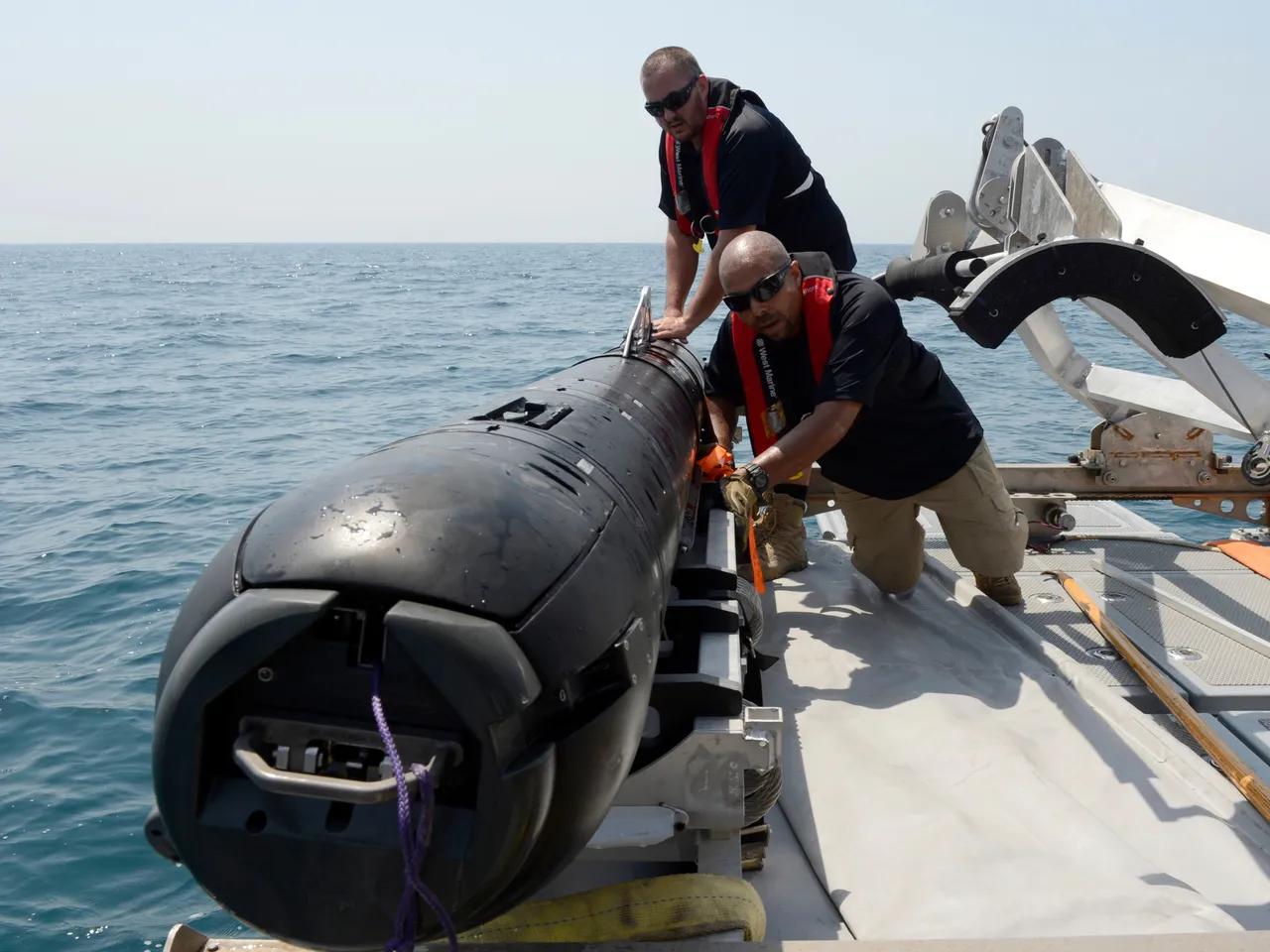
Australia, Japan and the US close a two-way underwater drone link at Keen Sword
Australia says a Japanese REMUS 620 sent position data through its Rock Lobster node and a US gateway, then received a command back, in a first trilateral underwater trial at Keen Sword 27.
TaiwanDefence · 18h ago · 2 min read
Discussion (0)
Comments are not currently available.