
ANALYSIS
Why NCSIST's first international Aegis Cup matters more for Taiwan's cyber force than for weekend trophies
On 5 November 2026, Taiwan's state missile institute named DEF CON regulars for Tainan finals that Liberty Times says already feed the Information, Communications and Electronic Force.
TAIPEI —
This article is an original Taiwan Defence analysis based on the cited public sources. It distinguishes reported facts from analytical judgments and does not represent original field reporting.
On 5 November 2026, Taiwan's National Chung-Shan Institute of Science and Technology publicly framed the coming Aegis Cup weekend as its first international defence AI and cyber finals, naming DEF CON CTF regulars among the invited field for 7 and 8 November in Tainan.
That timing is the current hook. Storm Media reported the institute listing US team MMM, Thailand's Dojo, Malaysia's Lv1x, South Korea's BoB, the international Water Paddler side and last year's champion B33F 50UP for the cyber track, with awards due on the second final day. The contest site confirms the two-day finals schedule at National Cheng Kung University.
The wider programme is no longer only a hacking board. Liberty Times Net said the cyber finals cover enterprise intranet penetration and AI model attacks after a September online qualifier that advanced the top ten Taiwanese teams, while NCSIST also advanced ten Defence AI showcase teams, six AI seminar teams and 49 AI air-combat pilot teams that will fight in a simulated dogfight environment.
The decisive claim for Taiwan's defence system is not the medal table. Liberty Times, citing people familiar with the programme, said NCSIST treats the cup as Taiwan's main organised cyber-talent pipeline and that strong student performers are often steered into the Information, Communications and Electronic Force during one-year conscript service. Organisers also watch how teams solve live problems as research material on current offensive techniques.
That pipeline reading explains why the foreign field matters before any result is posted. South Korea's BoB contingent comes from KITRI's Best of the Best scheme under the science ministry, a national training model Liberty Times compared with Israel's Talpiot programme. Taiwan's returning champion B33F 50UP is built around National Cheng Kung University's NCKUCTF club and faces better-resourced visitors, which is exactly the stress test a force that needs current offensive tradecraft would want.
Judgment: if those recruitment and monitoring claims are accurate, the international upgrade is less a prestige rebrand than a way to expose future ICE Force conscripts and NCSIST analysts to techniques that domestic-only contests cannot supply.
The public show layer supports the same dual purpose. NCSIST said the venue will display quadruped robots, digital soldier exoskeletons, thermal night-vision gear, a T112 rifle simulator and a man-portable Stinger trainer, plus a cyber escape room on AI-agent risks and an expert forum featuring the Institute for Information Industry's AI college. That package sells whole-of-society defence literacy while keeping the competitive core tightly coupled to military AI and cyber demand.
NCSIST presented the upgrade as a bridge between defence requirements and civilian research. Liberty Times added that next year's edition is expected to bring more government co-hosts, enlarge the prize pool and ease private sponsorship after eleven domestic editions. Those are institutional signals, not weekend colour.
The official site lists four pillars and advertises more than NT$2 million in prizes across tracks that include ship recognition, explainable ship imagery AI and a defence large language model seminar. That menu matches Taiwan's declared push to put AI into ISR, autonomy and decision support rather than treating cyber as a separate club sport.
Factually, the institute is also staging hardware and public education that sit beside the contest boards. Storm Media and Liberty Times both listed quadruped robots, exoskeletons, night-vision gear and missile or rifle trainers among the exhibits, which keeps the weekend visible to a civilian audience while the closed cyber and AI tracks do the force-relevant work.
Judgment: waiting for the 8 November awards before writing would capture winners, but it would miss the policy signal already on the record on 5 November 2026 that NCSIST wants foreign stress-testing of Taiwanese teams and a clearer path from contest performance into the cyber force. That signal is the analysis hook; the scoreboard is a later phase.
Judgment: the evidence available on 5 November 2026 is still announcement evidence, not outcome evidence. Until awards and post-event force assignments are public, the strongest grounded reading is that NCSIST is using an international finals field to harden a recruiting and techniques pipeline for the cyber force, and that the trophy ceremony is secondary to that force-building function.
For TaiwanDefence readers, the practical takeaway is therefore not who wins on 8 November. It is whether a state research institute can keep converting contested student performance into ICE Force manpower and current offensive insight at a moment when grey-zone pressure and AI-enabled cyber risk are both rising. The 5 November disclosures make that question concrete even before the first packet is fired in Tainan.
Sources
More in Analysis
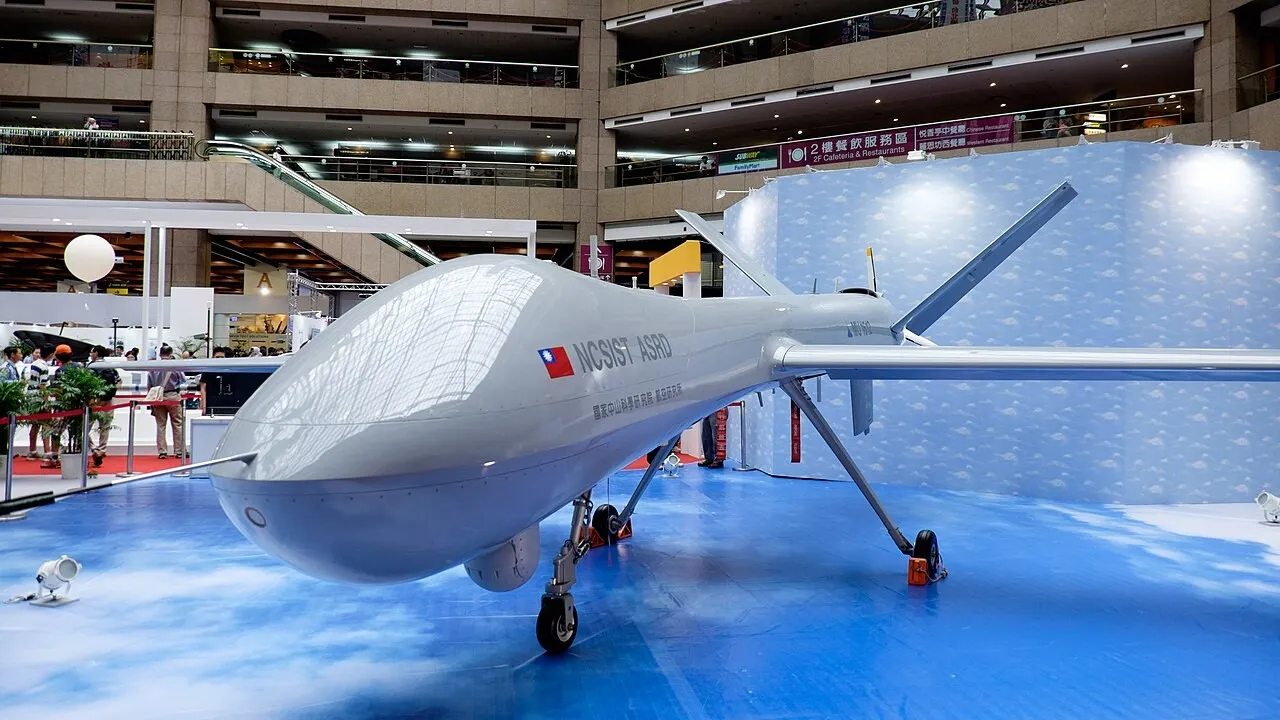
Why Czech drone makers talking assembly lines in Taiwan matters more than forum optics
On 30 October 2026, former Czech Chamber speaker Marketa Pekarova Adamova told Taipei that battle-tested Czech drone firms are ready to move production lines to Taiwan.
TaiwanDefence · 7h ago · 3 min read
Why writing the six assurances into US law would matter more for arms sales than for symbolism
A Taipei panel and Taiwan People’s Party lobbying after the 2026 midterms revive the Six Assurances to Taiwan Act. The real test is whether statute can limit executive pauses on already approved weapons.
TaiwanDefence · 17h ago · 4 min read
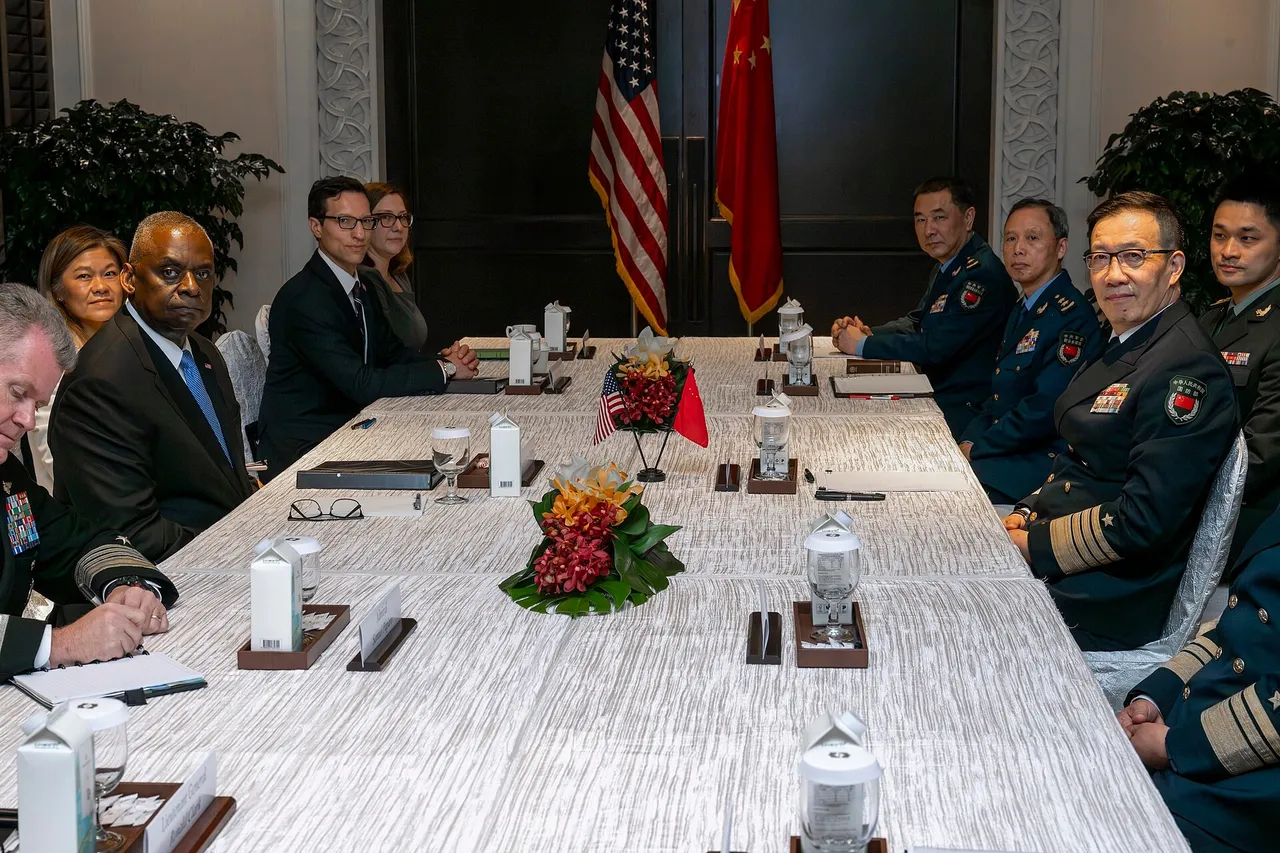
Xi's purge leaves the PLA short of generals, but analysts in Taipei see no let-up in pressure on Taiwan
Willy Lam told a Taipei seminar on 28 October 2026 that only a handful of PLA full generals remain. A thinner high command need not mean a quieter strait.
TaiwanDefence · 29 Oct 2026 · 4 min read
Discussion (0)
Comments are not currently available.