
ANALYSIS
Why writing the six assurances into US law would matter more for arms sales than for symbolism
A Taipei panel and Taiwan People’s Party lobbying after the 2026 midterms revive the Six Assurances to Taiwan Act. The real test is whether statute can limit executive pauses on already approved weapons.

TAIPEI —
This article is an original Taiwan Defence analysis based on the cited public sources. It distinguishes reported facts from analytical judgments and does not represent original field reporting.
On 5 November 2026, hours after Democrats secured both chambers of the US Congress, Taiwan People’s Party chair Huang Kuo-chang told reporters in Zhubei that Taipei should keep pressing American lawmakers to write the six assurances into statute. The same day’s political argument, and a Taipei panel reported the next morning, treat codification as a defence issue rather than a commemorative gesture: the assurances are the political rules that govern whether Washington keeps selling arms without clearing each move with Beijing.
That framing matters because Taiwan’s immediate military problem is not the absence of a slogan. It is delay and conditionality on packages already negotiated. Defence Minister Wellington Koo said on 5 November that bipartisan congressional support for Taiwan’s self-defence should survive the midterms, even while a stalled US$14 billion package that includes Patriot missiles still waits on White House approval. Codification advocates are trying to harden the rules around that kind of pause.
German Marshall Fund Indo-Pacific director Bonnie Glaser, in a pre-election assessment carried by Central News Agency, said a Democratic Congress could use defence authorisation, spending bills and Senate scheduling to demand delivery of already approved weapons, notice of new sales, accounting for Taiwan security assistance funds, and explanations when sales are paused or conditioned. She added that the same majority could give momentum to the bipartisan Six Assurances to Taiwan Act.
The assurances themselves, conveyed privately to Taipei in 1982 after the US-China arms-sale communique, include undertakings not to set an end date for arms sales to Taiwan, not to consult Beijing before sales, not to mediate across the Strait, not to revise the Taiwan Relations Act, not to alter Washington’s position on Taiwan’s sovereignty, and not to pressure Taipei into talks with China. Fan Shih-ping noted that both US parties have already put versions of those points into their platforms. Statute would move them from party text and executive practice into enforceable congressional leverage.
Huang’s critique of President Donald Trump is the political hook for that move. He argued that several presidential actions on Taiwan arms sales had already departed from the spirit of the assurances, and that institutional rules are safer for Taiwan than depending on one leader’s preferences. Whether or not one accepts that charge, the defence implication is clear: Taiwan’s risk is executive discretion over timing and packaging, not mere absence of friendly speeches.
Su Tzu-yun of the Institute for National Defense and Security Research widened the legislative menu beyond the assurances. He said a Democratic Congress might revive the Pressure Regulatory Organizations To End Chinese Threats to Taiwan Act, using financial sanctions against coercive Chinese military or other pressure; a Taiwan Blue Sky Act meant to deepen Taiwan’s drone industry and stitch it into the US defence supply chain; and a Taiwan International Solidarity Act aimed at Chinese efforts to exclude Taiwan from international organisations under UN Resolution 2758.
Those bills are not substitutes for magazines, munitions and ready units. Su himself warned that US political support cannot replace Taiwan’s own defence spending, and that grey-zone and maritime defence still look underfunded if Taipei wants to stay a credible partner for US lawmakers. He cited the Coast Guard Administration’s annual budget of about NT$28.7 billion, or roughly 0.07 percent of GDP, as thin beside Japan and South Korea.
The analytical distinction is therefore sharp. Writing the six assurances into law would not by itself load Patriot canisters, finish F-16 Block 70 deliveries, or settle NASAMS and submarine follow-on contracts. It would change the bargaining terrain around those programmes by making consultation with Beijing, informal end dates, or opaque pauses harder to defend inside Congress. That is why Glaser linked codification to defence authorisation and funding tools rather than to diplomacy alone.
For Taiwan’s defence planners, the practical question after 5 November 2026 is sequencing. A statute that binds arms-sale process is useful only if Congress also keeps pressing for delivery notices, security-assistance spend rates and explanations of stalled cases such as the US$14 billion package. Without that second layer, codification risks becoming a symbolic companion to the Taiwan Relations Act while the magazines that matter remain on hold.
The midterm result therefore raises a defence-policy test rather than a ceremonial one. If Democrats use majority control to advance the Six Assurances to Taiwan Act and couple it with concrete oversight of arms-sale execution, Taipei gains process protection where it has recently felt the most pain. If Congress stops at platform language and panel optimism, Taiwan still faces the same core readiness problem: approved weapons that move only when the executive chooses to move them.
The better reading of the post-midterm debate is that statute is a shield against process abuse, not a substitute for Taiwan’s own hard-kill and grey-zone budgets; without matching domestic spending, even a perfect assurances law would leave readiness gaps that US politics cannot fill.
Sources
More in Analysis
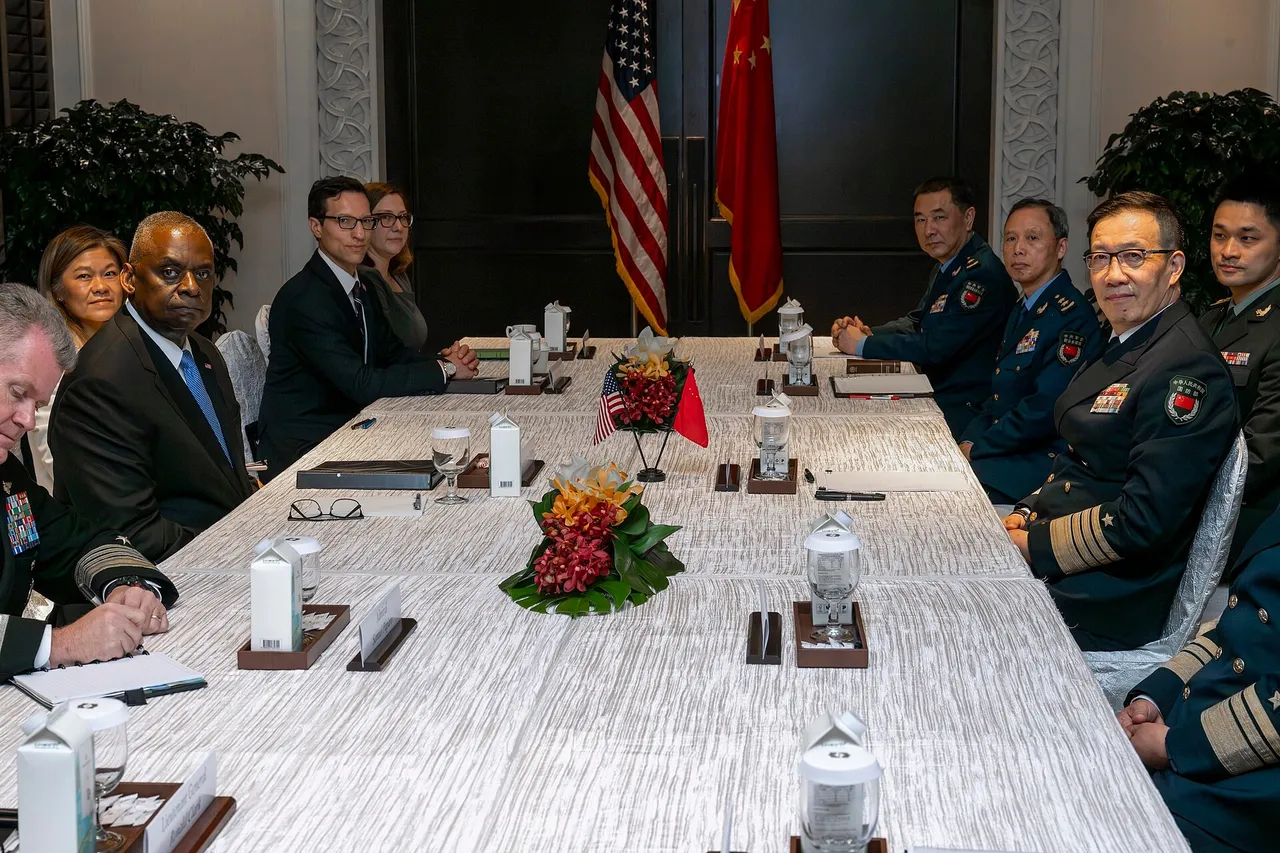
Xi's purge leaves the PLA short of generals, but analysts in Taipei see no let-up in pressure on Taiwan
Willy Lam told a Taipei seminar on 28 October 2026 that only a handful of PLA full generals remain. A thinner high command need not mean a quieter strait.
TaiwanDefence · 29 Oct 2026 · 4 min read
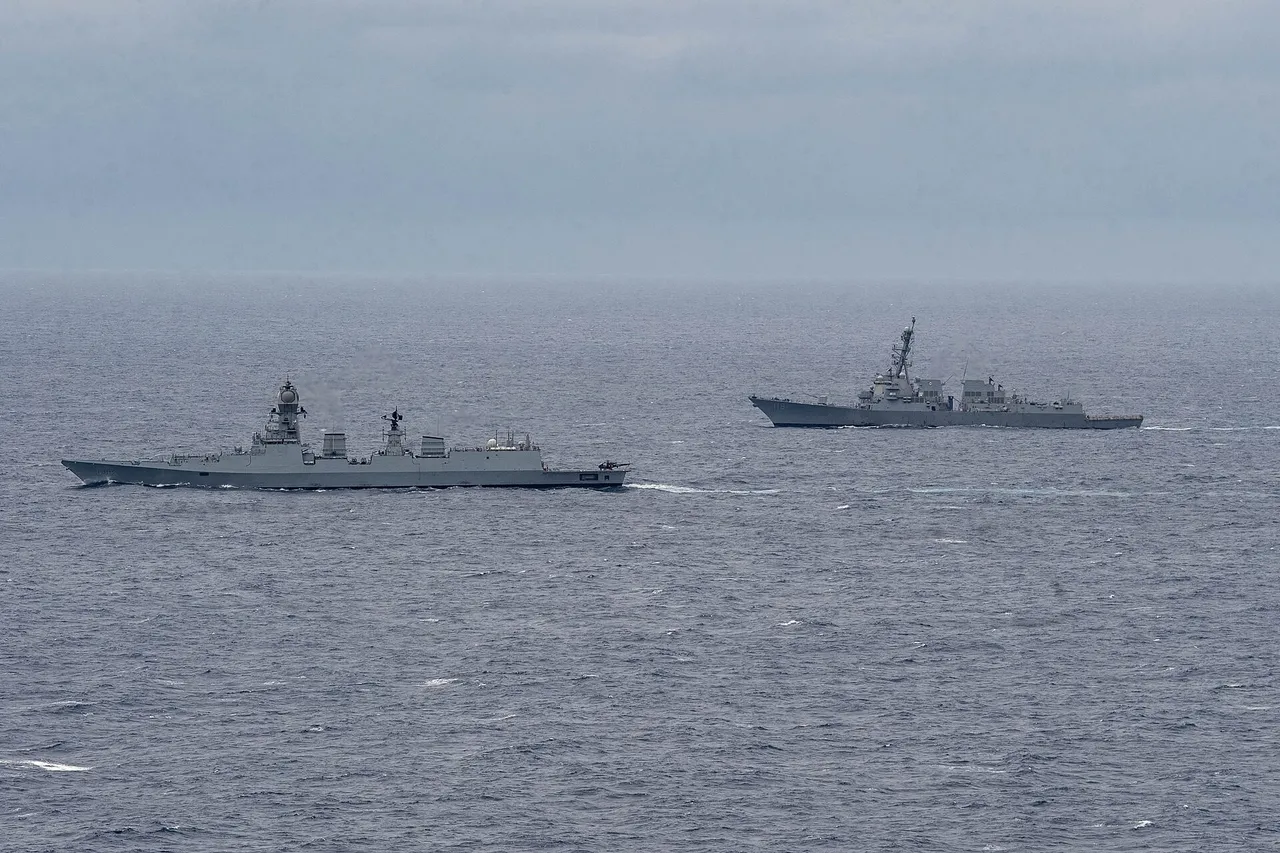
What India's approval of Project 18A destroyers settles, and what it leaves open
India's defence council cleared Project 18A destroyers on 26 October 2026, but their size, number and engines are still unsettled and service entry looks a decade away.
TaiwanDefence · 28 Oct 2026 · 3 min read
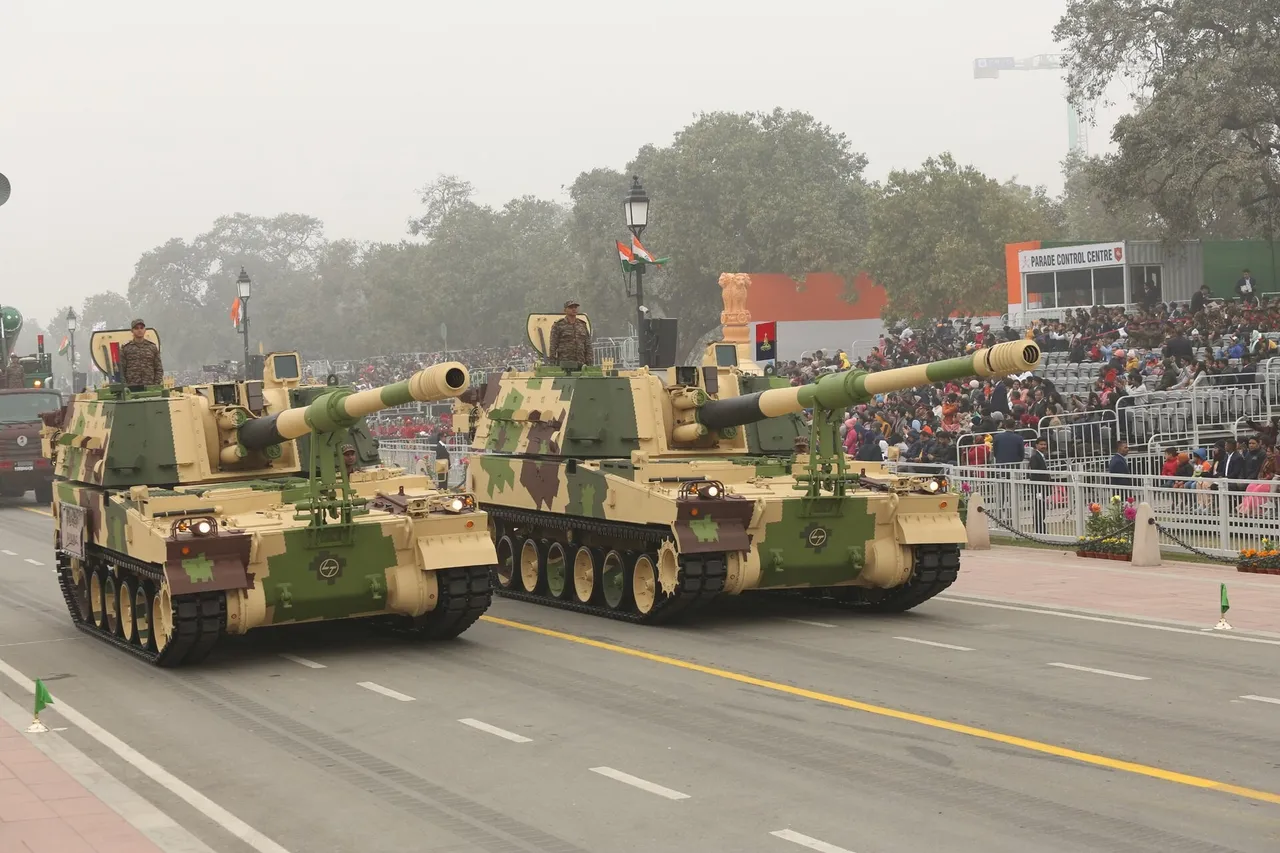
India's nod for 335 more K9 Vajra guns could make a desert-bought howitzer its mainstay facing China
India's October 2026 approval of 335 more K9 Vajra-T guns builds on lessons from Ladakh, but a long road from approval to contract still lies ahead.
TaiwanDefence · 27 Oct 2026 · 4 min read
Discussion (0)
Comments are not currently available.