
ANALYSIS
India's nod for 335 more K9 Vajra guns could make a desert-bought howitzer its mainstay facing China
India's October 2026 approval of 335 more K9 Vajra-T guns builds on lessons from Ladakh, but a long road from approval to contract still lies ahead.
TAIPEI —
This article is an original Taiwan Defence analysis based on the cited public sources. It distinguishes reported facts from analytical judgments and does not represent original field reporting.
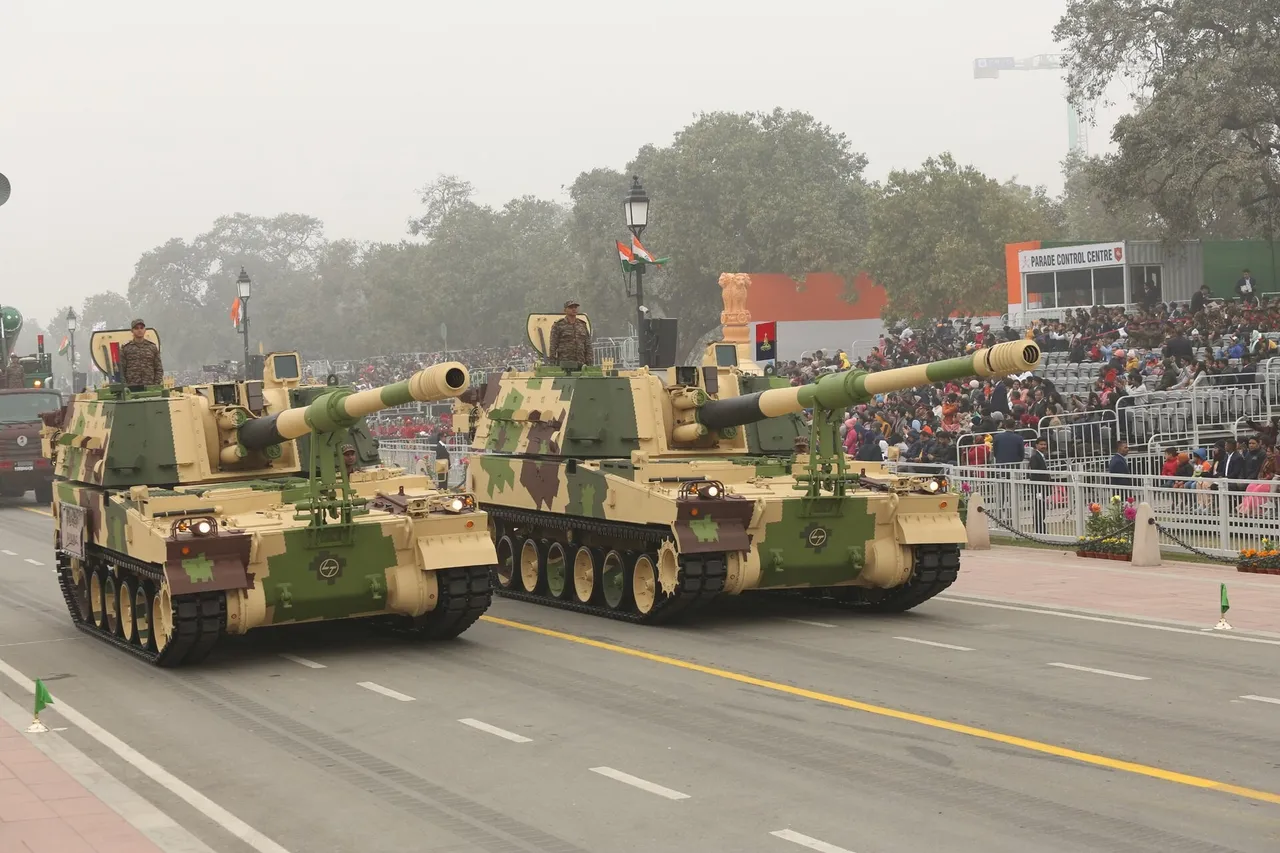
On 26 October 2026, India's Defence Acquisition Council gave initial approval to procurement proposals worth 2.12 lakh crore rupees, and the largest artillery item in the package was a plan to buy 335 more K9 Vajra-T self-propelled howitzers for the army. The approval, known as an acceptance of necessity, clears the guns for contract negotiations rather than placing an order. The defence ministry described the system only as a self-propelled tracked gun that would give mechanised formations matching mobility and firepower, and officials identified it to reporters as the Vajra.
The question is whether a howitzer India first bought for its western deserts is now becoming the main tracked gun for both of its land frontiers, including the high-altitude line with China, and what that says about the lessons the army drew from the 2020 Ladakh standoff. The numbers suggest that it is, although an approval of this kind marks the start of a process rather than its end.
What was approved
ANI, citing defence sources, valued the K9 project at more than 20,000 crore rupees and called it the biggest artillery purchase in decades. The guns are to be built by Larsen and Toubro under the Make in India route with a South Korean partner, with more than 70 per cent local content, and they will come with a large number of winter kits for operations in the thin air and extreme cold of Ladakh. The New Indian Express reported that the Vajra-T is the Indian version of the South Korean K9 Thunder, produced at the Larsen and Toubro plant at Hazira in Gujarat together with Hanwha Aerospace.
The army bought its first 100 guns under a 2017 contract, which ThePrint put at 4,500 crore rupees and which came with a technology transfer agreement with Hanwha. The ministry signed for another 100 in December 2024, according to The New Indian Express. ThePrint said 100 guns have been delivered and 100 are on order, while ANI's sources described the army as already holding 200. Either way, 335 more would lift the planned fleet to about 535 guns, far beyond the 100 Vajras that ThePrint said the original Field Artillery Rationalisation Plan had envisaged.
The argument
The history of the gun explains why the numbers matter. ThePrint noted that the Vajra's selection trials were held in deserts, not in high mountains where cold and rarefied air change how a howitzer's systems behave. After the 2020 military standoff with China, the army trialled the guns in eastern Ladakh with winterisation kits and then deployed a full regiment there, The New Indian Express reported.
Expanding a gun that was proven in the mountains only after a crisis suggests that the army now treats tracked, mobile artillery as a core need on the China front rather than a desert speciality. The self-propelled design lets crews fire a salvo and move before enemy counter-battery fire arrives, a trait The New Indian Express highlighted, and ANI's sources said the guns have performed well in severe Ladakh weather. That reading is an inference from the procurement pattern, because the ministry itself has not tied the new guns to a specific sector.
Evidence and constraints
The guns arrived as part of a broad package. Hindustan Times reported that the same council meeting also covered next-generation destroyers, high-mobility vehicles, helicopters, air defence including a very short-range system, and unmanned platforms such as kamikaze drones. The council had cleared 1.1 lakh crore rupees of proposals in September, and Indian defence production reached a record 1.78 lakh crore rupees in the 2025-26 financial year, according to ministry data cited by the paper.
Several constraints remain. ThePrint described the guns as cleared for contract negotiations, so the delivery schedule, the final price and the share of winterised guns are all still open. The Hazira plant also builds the Zorawar light tank, according to ANI, and a single production line serving several army programmes at once could slow deliveries if large contracts are signed close together.
What could change
If a contract is signed on the scale approved, the Vajra would become what ThePrint called the mainstay of the army's artillery regiments. If negotiations drag, or if money shifts toward the drones and counter-drone systems approved in the same package, the expansion could arrive smaller or later than the headline number implies.
Why it matters
The decision shows India betting on large numbers of mobile, protected guns for a disputed mountain border where the 2020 standoff exposed how hard it is to move firepower quickly. For governments elsewhere in Asia, including Taiwan, it is also a sign of how deeply a South Korean design built under licence has become part of a major army's planning against China, and of how procurement choices made for one front can be reshaped by a crisis on another.
Sources
More in Analysis
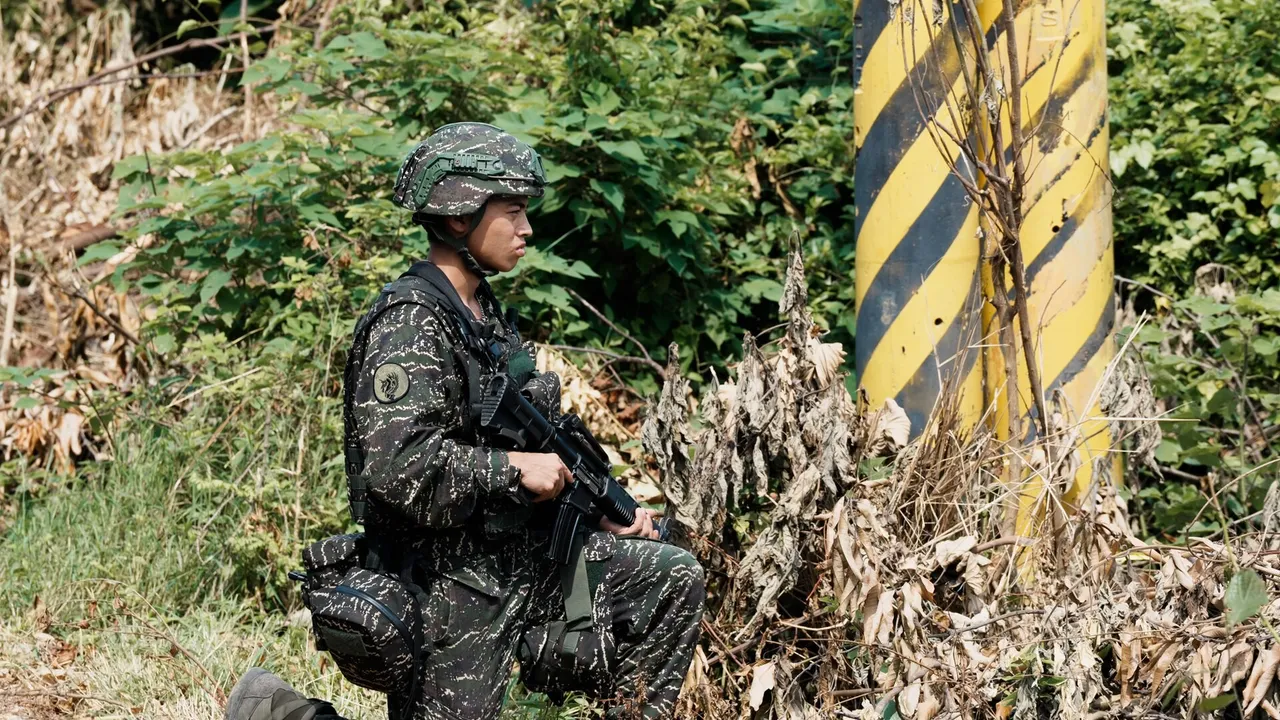
Taiwan's admission that it pays for US war-game observers puts a price on quiet military ties
A 21 October 2026 report on Taiwan's NT$82.4m plan for US observers at its Han Kuang drills shows Taipei funds much of its quiet military link to Washington.
TaiwanDefence · 5d ago · 4 min read
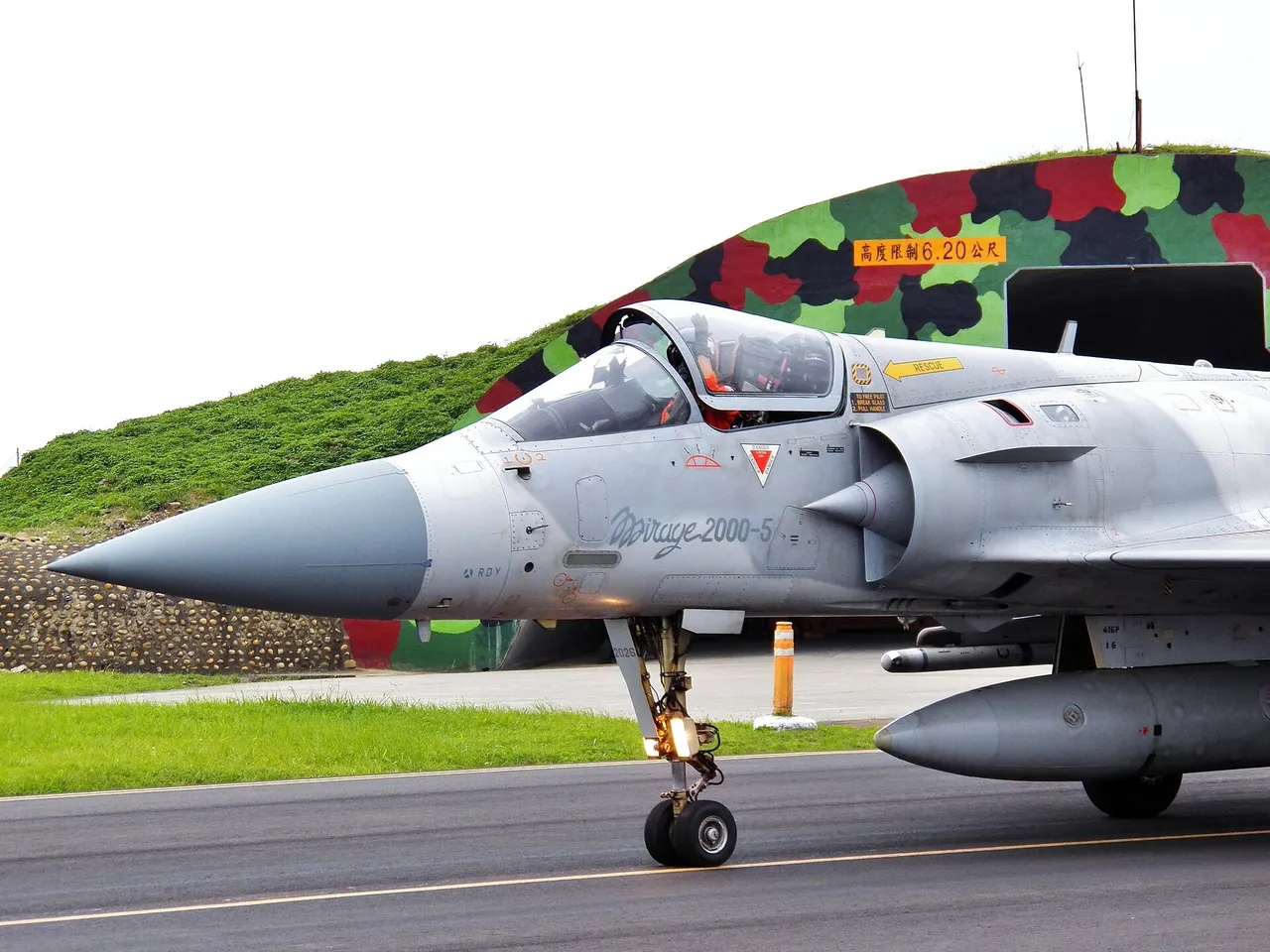
Taiwan's plan to keep senior pilots flying to 58 may miss why most of them leave
As the plan awaits Cabinet approval, a 21 October 2026 report says workload and leave go unaddressed, while lawmakers' data point to mid-career exits to airlines.
TaiwanDefence · 5d ago · 3 min read

New photos put North Koreans at Russia's military drone hub, but their role on the line is unproven
Photos and eyewitness accounts reported on 20 October 2026 place North Koreans at Alabuga. Whether Pyongyang gains drone know-how is still an inference.
TaiwanDefence · 6d ago · 3 min read
Discussion (0)
Comments are not currently available.