
Japan widens its emergency consultation network with like-minded defence partners
Tokyo is speeding up bilateral frameworks to consult Australia, France, Germany and the Philippines in a crisis, and plans to write them into its new security strategy.
TAIPEI —
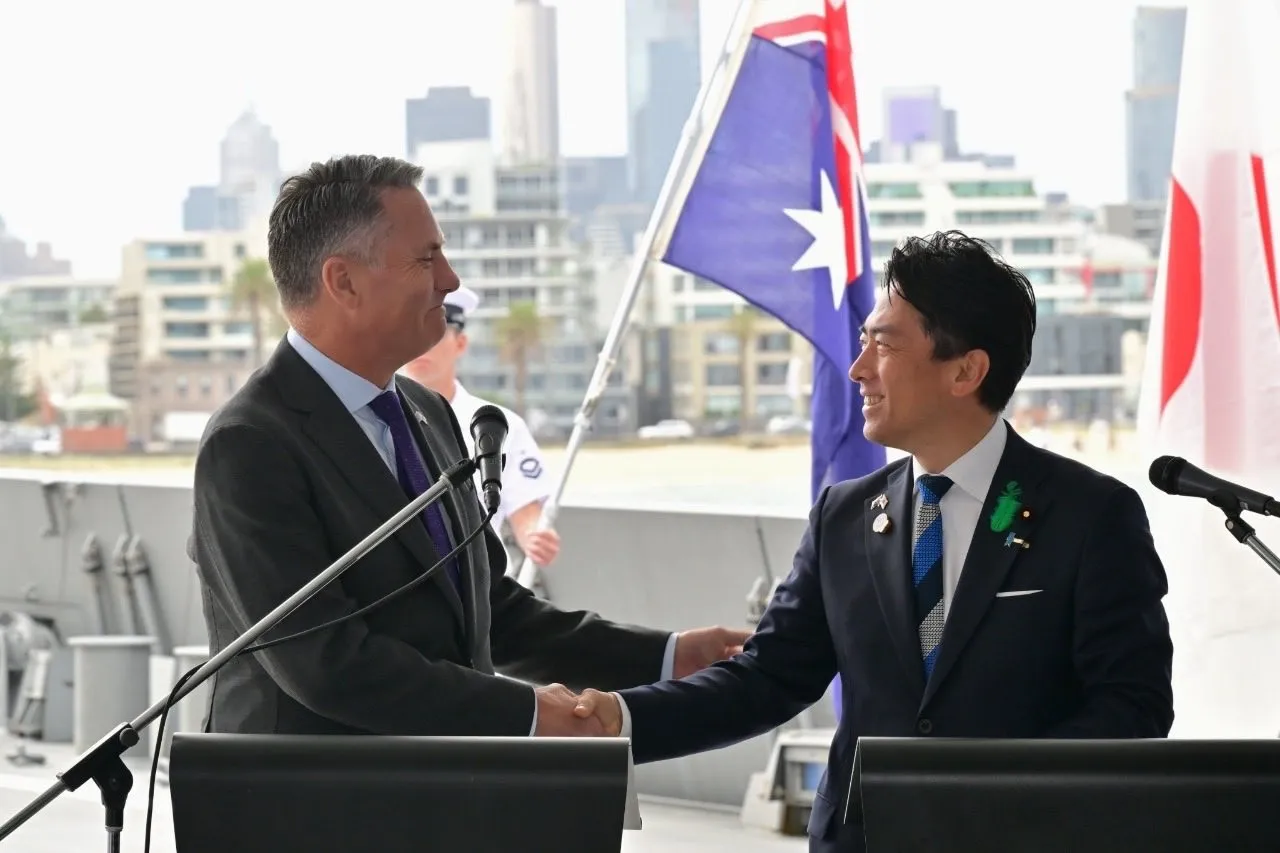
Japan is speeding up work on bilateral frameworks under which it would hold emergency consultations with like-minded partners if a contingency or another threat to regional security arises, the Yomiuri Shimbun reported on 26 October, citing several government officials. Tokyo intends to set out the policy of closer cooperation with such partners in the three security documents it plans to revise by the end of the year, including the National Security Strategy.
According to the report, Japan first agreed such an arrangement with Australia in 2022 and has reached similar agreements this year with Germany, France and the Philippines. With France and Germany, Japan also agreed to carry out necessary cooperation in peacetime, not only during an emergency, Yonhap reported, citing the Yomiuri account.
The areas of cooperation under discussion are broad. The Yomiuri said the government has in mind the sharing of ammunition, joint maintenance of fighter aircraft and warships, and the exchange of military information. The details would be worked out partner by partner, depending on each country's circumstances and its relationship with Japan.
The model is Article 4 of the North Atlantic Treaty, under which NATO members consult whenever one of them considers its territorial integrity, political independence or security to be threatened. In the alliance, such consultations can lead to decisions on joint operations or collective defence. Japanese officials also see public knowledge of the arrangements as a deterrent in itself, according to the newspaper.
The frameworks are meant to fill a gap. Japan already has acquisition and cross-servicing agreements, which let forces supply each other with items such as food and fuel, and defence equipment and technology transfer agreements with partners including the Philippines. The Yomiuri said none of these amounts to a joint plan for a specific crisis, and that the consultation channels are a step towards cooperation built around contingencies. The government plans to add more partner countries over time.
The agreements with Europe were made at ministerial level. At their meeting in April, Japan's defence minister and his French counterpart agreed that the two countries would consult and consider responses when needed to protect their security and regional peace and stability, and Germany made a similar commitment in March. In September, the Japan Air Self-Defense Force and the French Air and Space Force held joint training in Ibaraki prefecture.
Jiji Press reported in August that the push reflects Tokyo's concern over China's military rise. It said Japan had also agreed in 2023, at a trilateral summit with the United States and South Korea, to consult promptly on regional challenges, provocations and threats. Jiji noted that constitutional limits mean Japan cannot enter mutual defence commitments, since it may exercise collective self-defence only when an armed attack on a close partner threatens Japan's own survival.
Keio University professor Michito Tsuruoka told Jiji that the Australian framework was the clearest of the arrangements, and that what partners do after consulting matters most. He pointed to the protection of other countries' military assets by the Self-Defense Forces, carried out so far for the United States, Australia and Britain, as the one area of practical progress.
For the region, the partners named are among the countries most exposed to Chinese military activity at sea. Yonhap noted that the 2022 declaration with Australia was drawn up with China's growing influence in the East and South China Seas in mind. Neither report suggests that the frameworks oblige any partner to defend another; they create a standing channel to agree on responses when a crisis comes.
Sources
More in Indo-Pacific
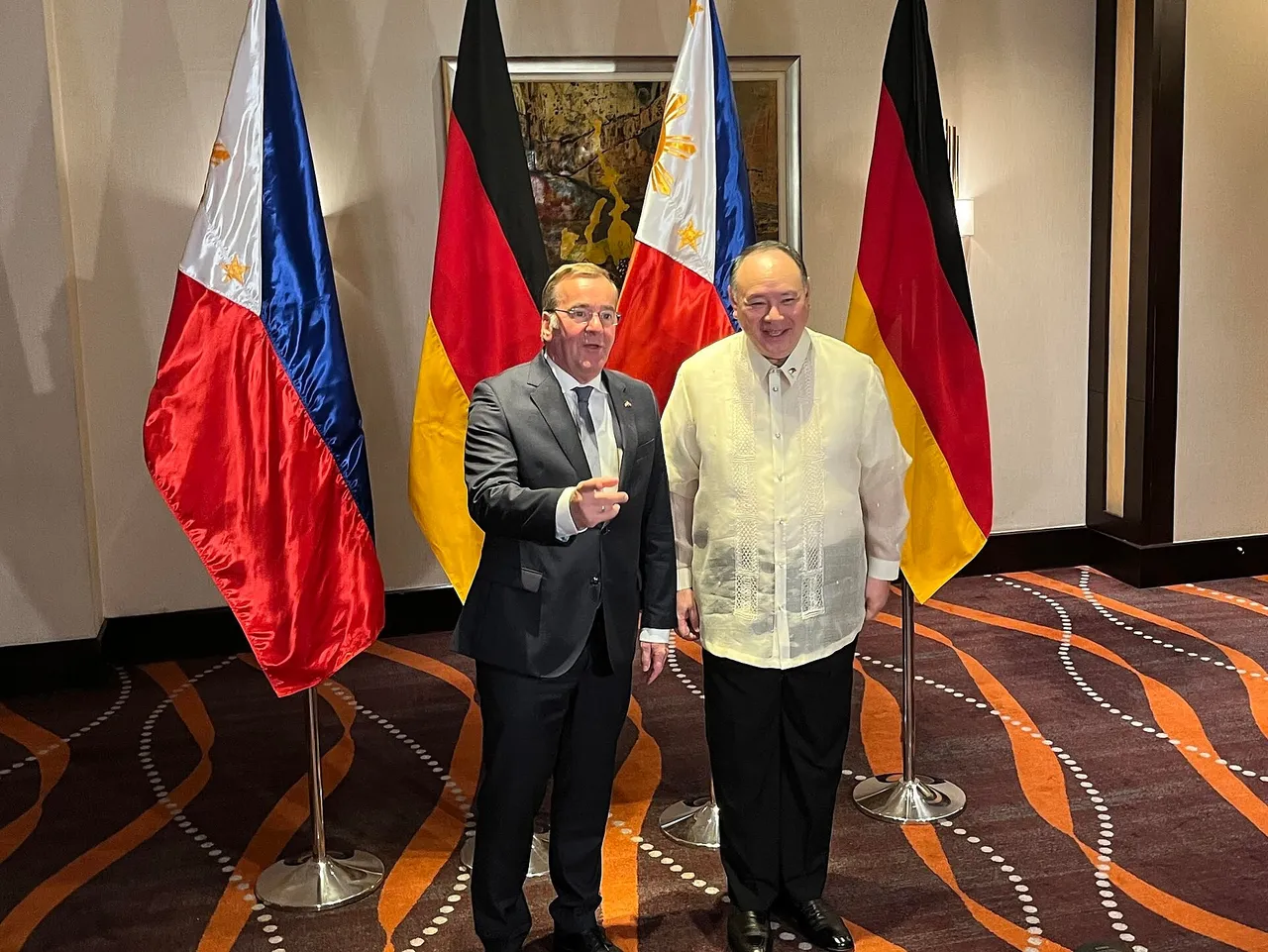
Philippines in talks on visiting forces pacts with three or four more countries, Teodoro says
The defence secretary wants more troop-status agreements with like-minded partners in Asia and Europe, and says the 2012 phased modernisation plan should go.
TaiwanDefence · 3h ago · 2 min read
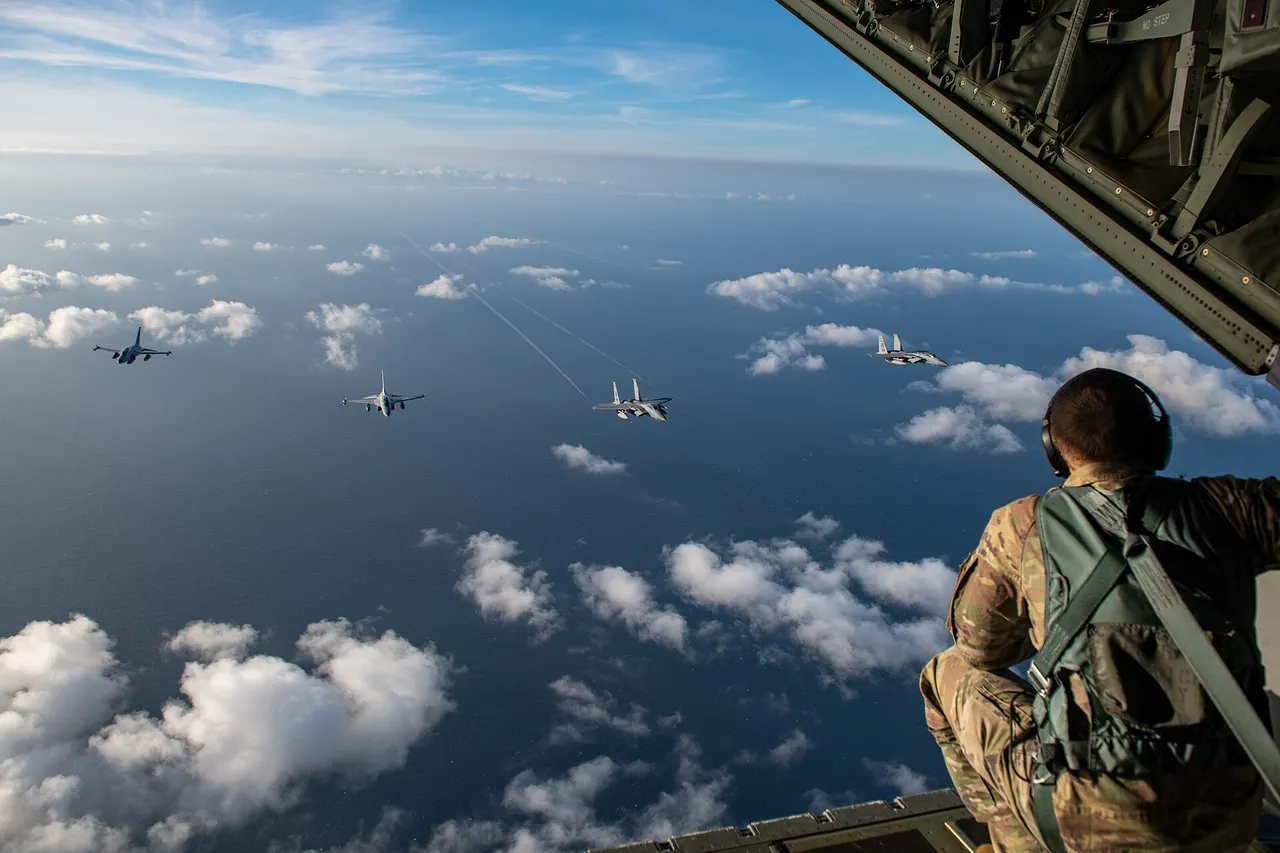
Malaysia's first two FA-50M light combat jets are due on Friday, defence minister says
Khaled Nordin told parliament the South Korean-built jets will be based at Kuantan and Labuan, the first of 18 aircraft due by March 2028.
TaiwanDefence · 6h ago · 2 min read
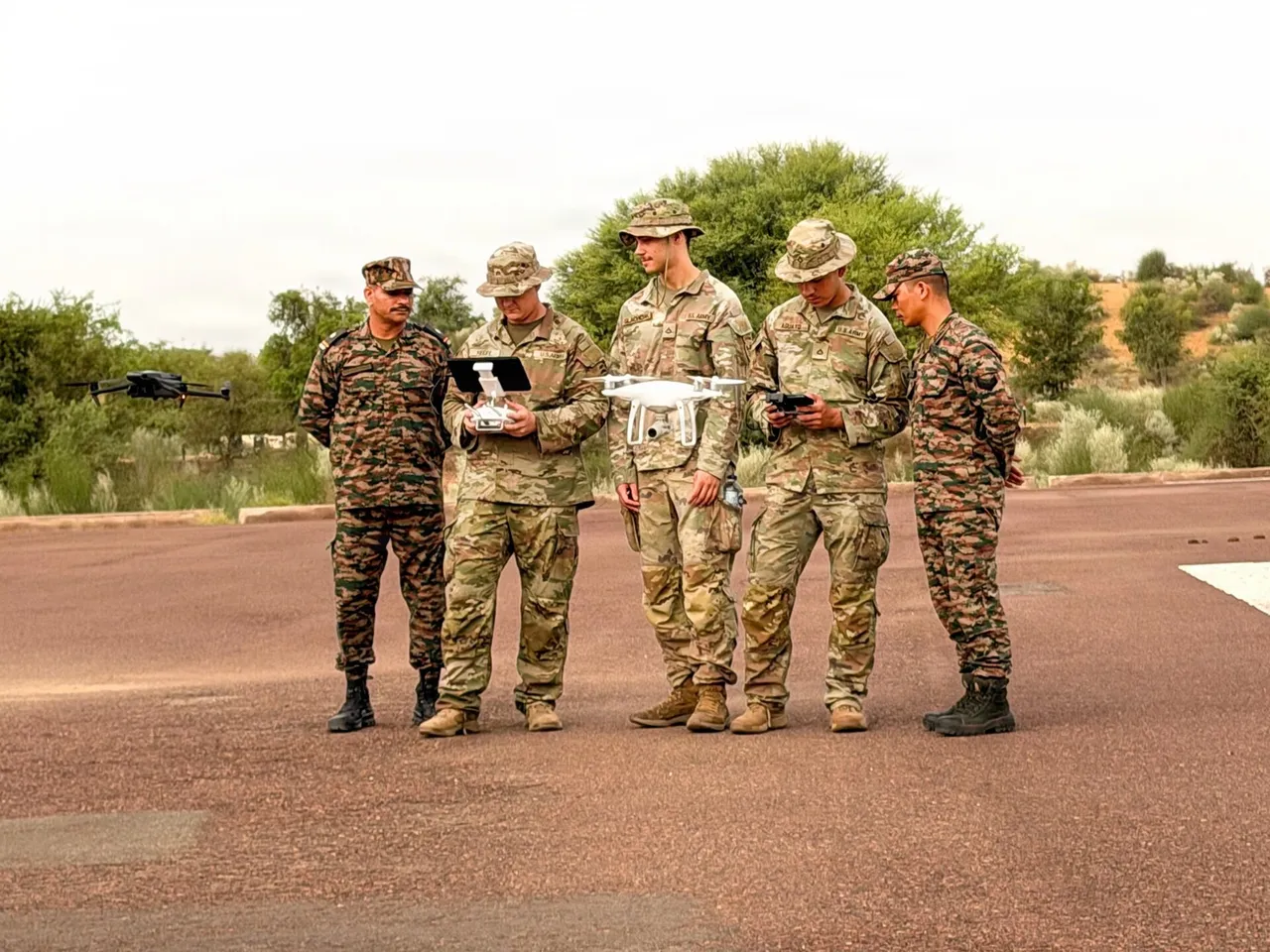
India clears 2.12 trillion rupees of arms buys led by drones, air defence and helicopters
The Defence Acquisition Council gave in-principle approval to Army, Navy and Air Force purchases, with about 82 per cent to be sourced from Indian industry.
TaiwanDefence · 7h ago · 2 min read
Discussion (0)
Comments are not currently available.