
India clears 2.12 trillion rupees of arms buys led by drones, air defence and helicopters
The Defence Acquisition Council gave in-principle approval to Army, Navy and Air Force purchases, with about 82 per cent to be sourced from Indian industry.
TAIPEI —
India's Defence Acquisition Council approved a large package of military purchases on Monday, 26 October. The council, chaired by Defence Minister Rajnath Singh, granted Acceptance of Necessity to capital acquisition proposals for the three armed services with an estimated total cost of about 2,12,000 crore rupees, or roughly 2.12 trillion rupees, according to the Ministry of Defence as reported by ANI and India Today.
Acceptance of Necessity is an in-principle administrative approval of a military requirement rather than a signed contract, and the reports did not give quantities, suppliers or delivery dates for any of the items. The ministry said about 82 per cent of the approved procurement is to come from Indian industry, The Economic Times reported.
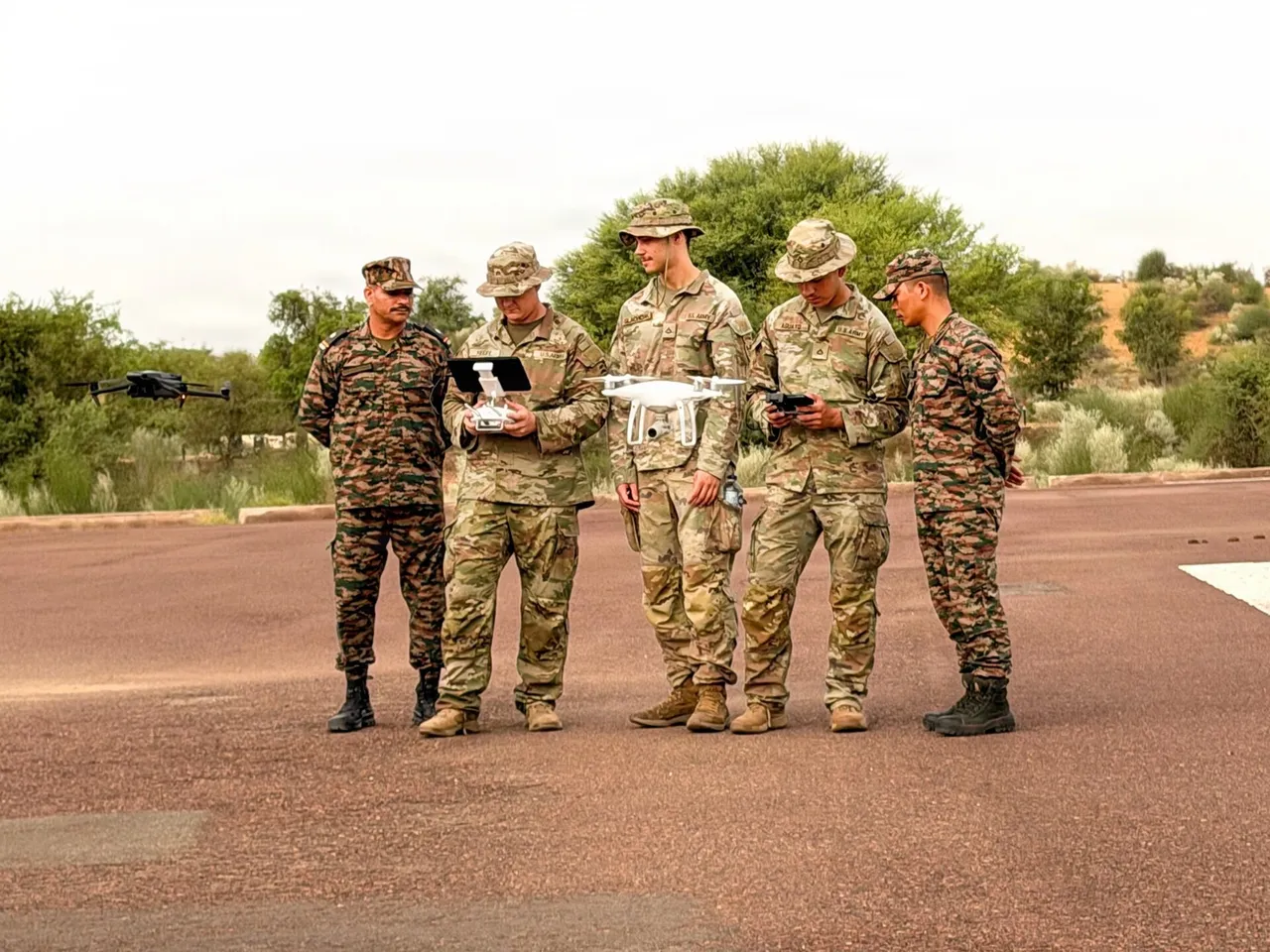
The Indian Army received the longest list. According to the ministry account carried by ANI, it covers high mobility vehicles, a self-propelled tracked gun system, a gun shot response system, light multi-role helicopters, very short-range air defence systems and a platform-based counter-drone system. The Army list also includes a long-range unmanned aerial system, surveillance drones, an integrated surveillance and strike system and a long-range kamikaze drone system.
The ministry gave a short rationale for each item. It said the vehicles would improve mobility and logistics in difficult terrain, while the tracked gun would give mechanised formations firepower that can keep pace with them. The gun shot response system is meant to give troops real-time situational awareness. The light multi-role helicopters are to be shared by the Army and the Air Force for reconnaissance, surveillance, combat, search and rescue, and disaster relief tasks.
Several of the Army items target small aerial threats. The ministry said the new very short-range air defence systems would engage new-generation small aerial targets, and that the counter-drone system would improve the survival of tanks on the modern battlefield. The surveillance and drone systems are intended to improve the Army's surveillance and targeting, according to the ministry account published by ANI.
For the Indian Navy, the council approved an Active Offboard Decoy System along with other major naval platforms that were not named. The ministry said the decoy system would strengthen defence against modern anti-ship missiles, and that the unnamed platforms would be designed and built in India with modern warfare capabilities.
The Indian Air Force is set to receive helicopters, air defence systems, weapons and a mobile X-band Doppler weather radar system. According to the ministry, special utility helicopters will meet the service's air transport needs, while the radar will provide high-resolution local weather data in forward areas. The ministry did not specify which air defence systems or weapons were covered.
Monday's package is nearly twice the size of the council's previous large round. On 7 September 2026 the same body granted Acceptance of Necessity to proposals worth about 1.10 trillion rupees, with roughly 98 per cent of that procurement planned from Indian industry, The Hindu reported at the time. The share earmarked for domestic suppliers in the new package is lower, at about 82 per cent.
Because the approval is only in principle, it does not by itself place any orders, and none of the reports gave a timeline for contracts, first deliveries or the selection of suppliers for the individual systems.
Sources
More in Indo-Pacific
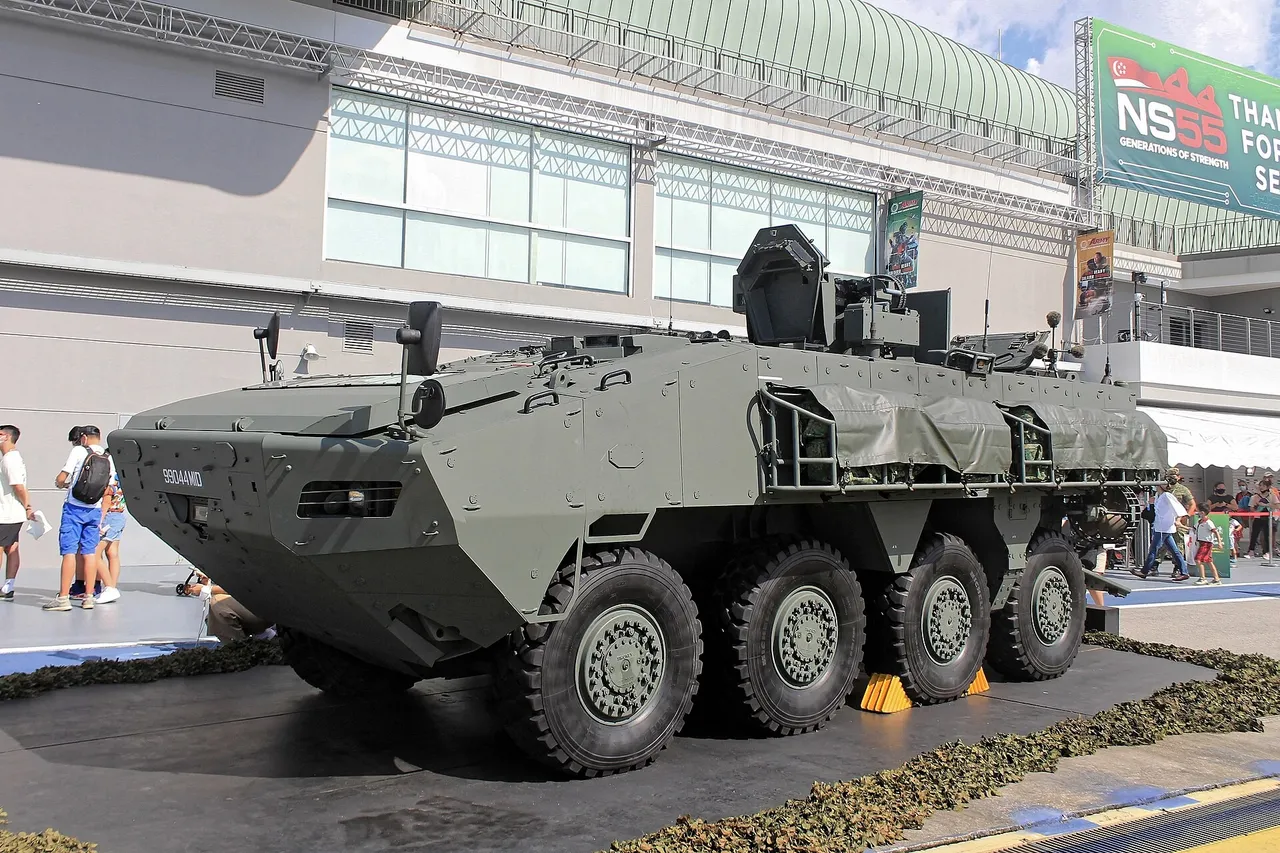
Singapore's army unveils a drone-heavy infantry battalion with five-platoon companies
The Next Generation Infantry Battalion gives each company two drone sections, a new light machine gun and handheld battle-management links, now on trial in Australia.
TaiwanDefence · 2h ago · 3 min read

US Air Force starts turning BYD cars away from Kadena as its ban on the Chinese brand takes effect
The 18th Wing says vehicles from the Chinese carmaker, which the Pentagon lists as a Chinese military company, pose an unacceptable risk at the Okinawa base.
TaiwanDefence · 4h ago · 3 min read
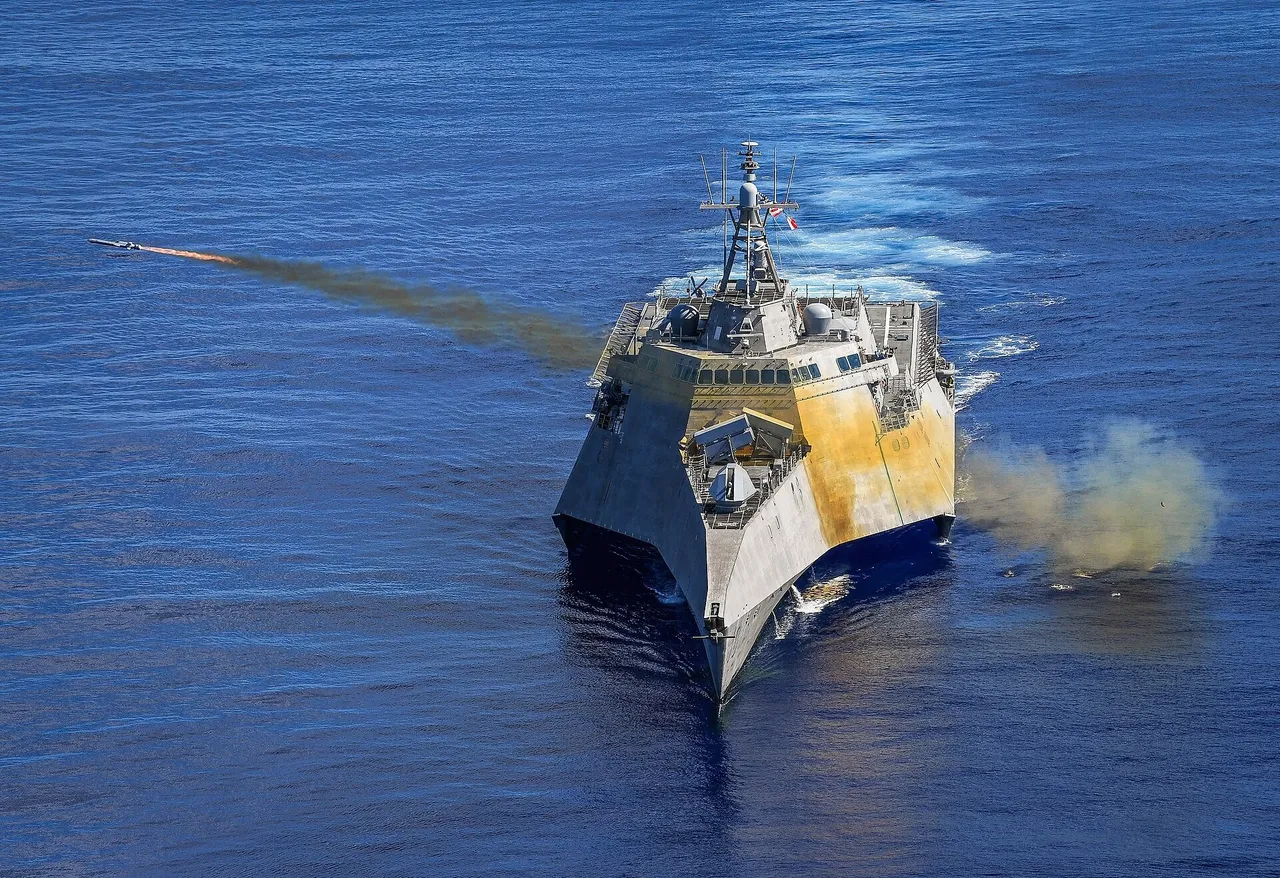
Malaysia asks its Attorney-General's Chambers to weigh legal action over undelivered Naval Strike Missiles
Deputy Defence Minister Adly Zahari says the claim against the Norwegian supplier tops RM1 billion, as the navy's first littoral combat ship slips to April 2027.
TaiwanDefence · 4h ago · 3 min read
Discussion (0)
Comments are not currently available.