
US Air Force starts turning BYD cars away from Kadena as its ban on the Chinese brand takes effect
The 18th Wing says vehicles from the Chinese carmaker, which the Pentagon lists as a Chinese military company, pose an unacceptable risk at the Okinawa base.

TAIPEI —
The US Air Force began keeping vehicles made by the Chinese carmaker BYD out of Kadena Air Base in Okinawa on 26 October. The Japan Times reported that the restriction took effect that Monday, and Kyodo News, in a report carried by the Okinawa Times, said the 18th Wing, which runs the base, confirmed the same day that it had decided to bar BYD vehicles from entering.
An 18th Wing officer, Lieutenant Colonel Stormer, told Kyodo that the wing had concluded the vehicles presented an unacceptable risk to its personnel and to its mission. He did not describe the specific risk in the comments reported by the agency.
US Forces Japan also gave no detailed explanation of what prompted the move. Its spokesman, Colonel John Severns, told the Japan Times that installation commanders are responsible for protecting their people, facilities and assigned missions, and that they may adopt lawful, risk-based security measures to counter credible threats. The newspaper said base officials had not immediately answered its questions, that the ban for now applies only to Kadena, and that it was not clear whether other American bases in Japan would follow.
Earlier reporting set out how broad the measure is. The Seoul Economic Daily, citing a US Forces Japan official speaking on 23 October, reported that Kadena had given notice that BYD vehicles would be refused entry from 26 October. According to that report, the rule covers privately owned cars as well as contractor vehicles, taxis, delivery trucks and other commercial vehicles, the 18th Security Forces Squadron is to turn them away at every gate, and base officials said no exceptions would be made.
The reported concern is data collection. Kyodo noted that South Korea's Yonhap news agency had described the step as an apparent effort to stop information inside the base from leaking out through cameras and sensors built into the cars, and that Yonhap had raised the possibility of similar measures at US bases in South Korea. The Seoul Economic Daily said modern electric vehicles can gather information about their surroundings and, with real-time cloud links or remote-control functions, could in effect work as data-gathering devices near the fighters, transport aircraft, radars and munitions of the 18th Wing.
BYD already sits on a Pentagon blacklist. Both the Japan Times and Kyodo reported that in June the US Defense Department added the company to its list of firms it identifies as Chinese military companies. The Japan Times said that list now holds 188 companies and bars the department from buying from them or contracting with them directly.
The ban comes as Western governments harden their warnings about connected cars from Chinese brands. The Japan Times pointed to safety advice issued by the Dutch government in late September, which warned that features such as GPS, microphones, cameras, entertainment systems and Bluetooth links could be used by state actors for spying. It also noted that Washington last year banned the sale of some Chinese vehicles and related hardware and software judged to pose a national security risk.
Kadena is the largest US Air Force installation outside the United States, according to the Seoul Economic Daily, and the Japan Times described it as a crucial hub for American military operations in the region. The Japan Times also reported that a US military Typhon mid-range missile launcher, believed able to fire Tomahawk cruise missiles about 1,600 kilometres, is being stored at the base after joint exercises earlier this year, a decision that angered Beijing.
None of the reports said how many BYD vehicles had been entering the base before the ban, whether Marine Corps Air Station Futenma or US Forces Korea will adopt the same rule, or how BYD responded to the decision.
Sources
More in Indo-Pacific
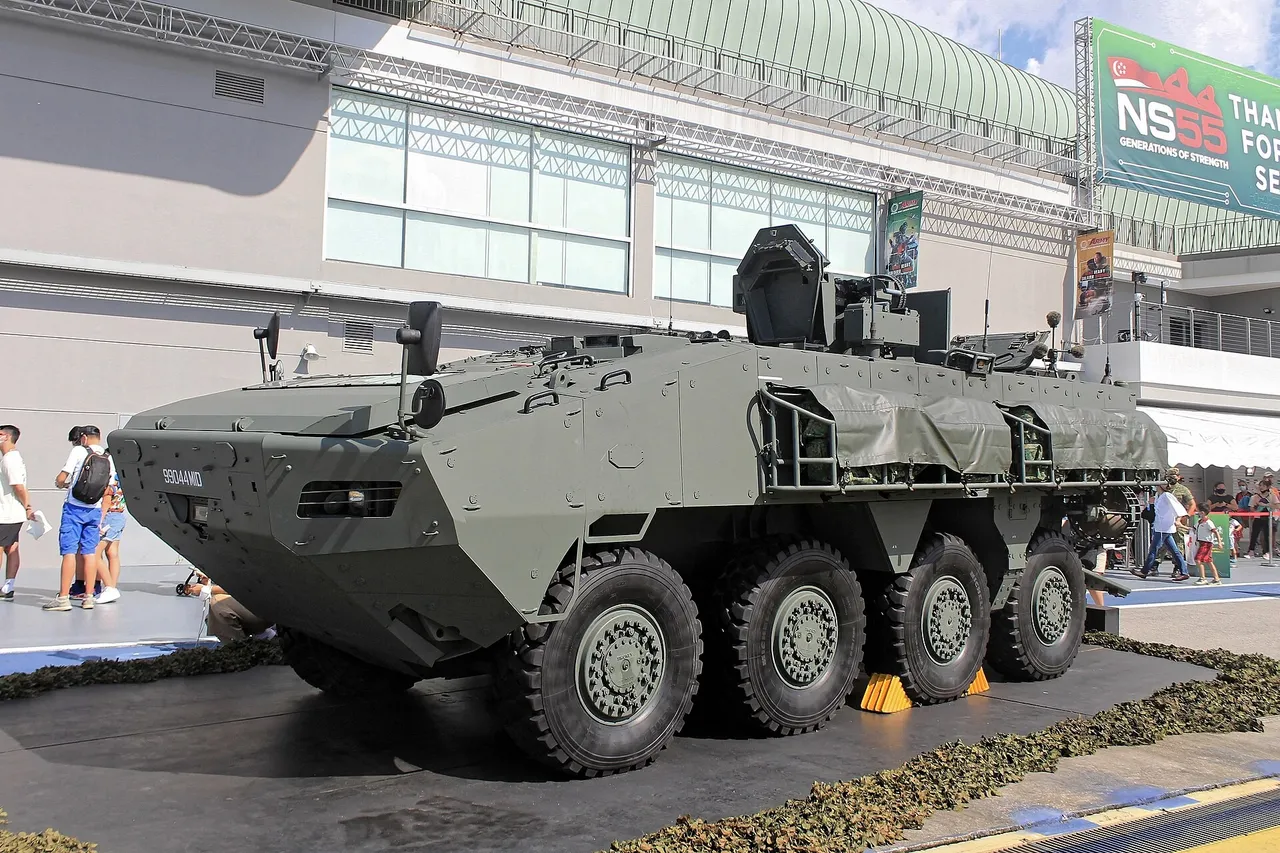
Singapore's army unveils a drone-heavy infantry battalion with five-platoon companies
The Next Generation Infantry Battalion gives each company two drone sections, a new light machine gun and handheld battle-management links, now on trial in Australia.
TaiwanDefence · 15m ago · 3 min read
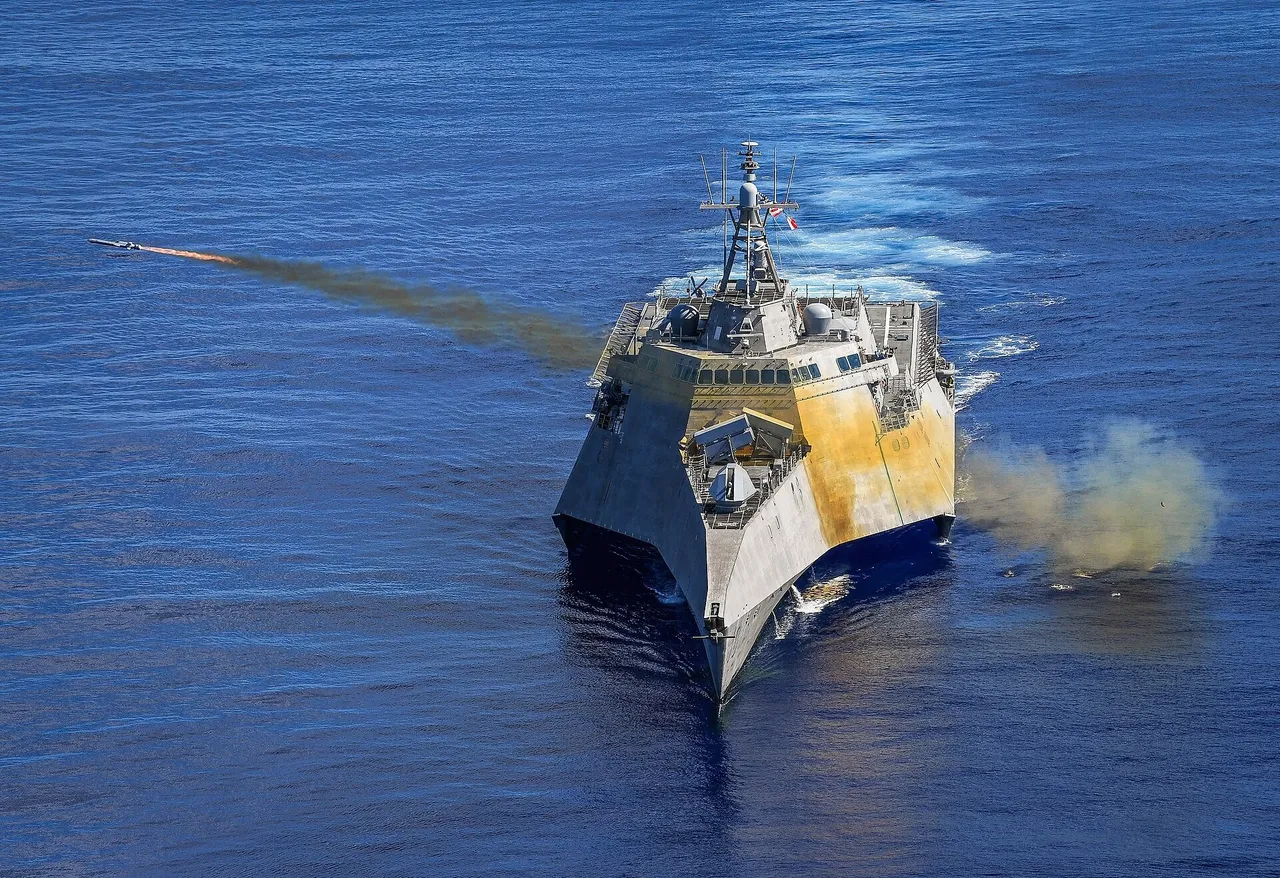
Malaysia asks its Attorney-General's Chambers to weigh legal action over undelivered Naval Strike Missiles
Deputy Defence Minister Adly Zahari says the claim against the Norwegian supplier tops RM1 billion, as the navy's first littoral combat ship slips to April 2027.
TaiwanDefence · 2h ago · 3 min read
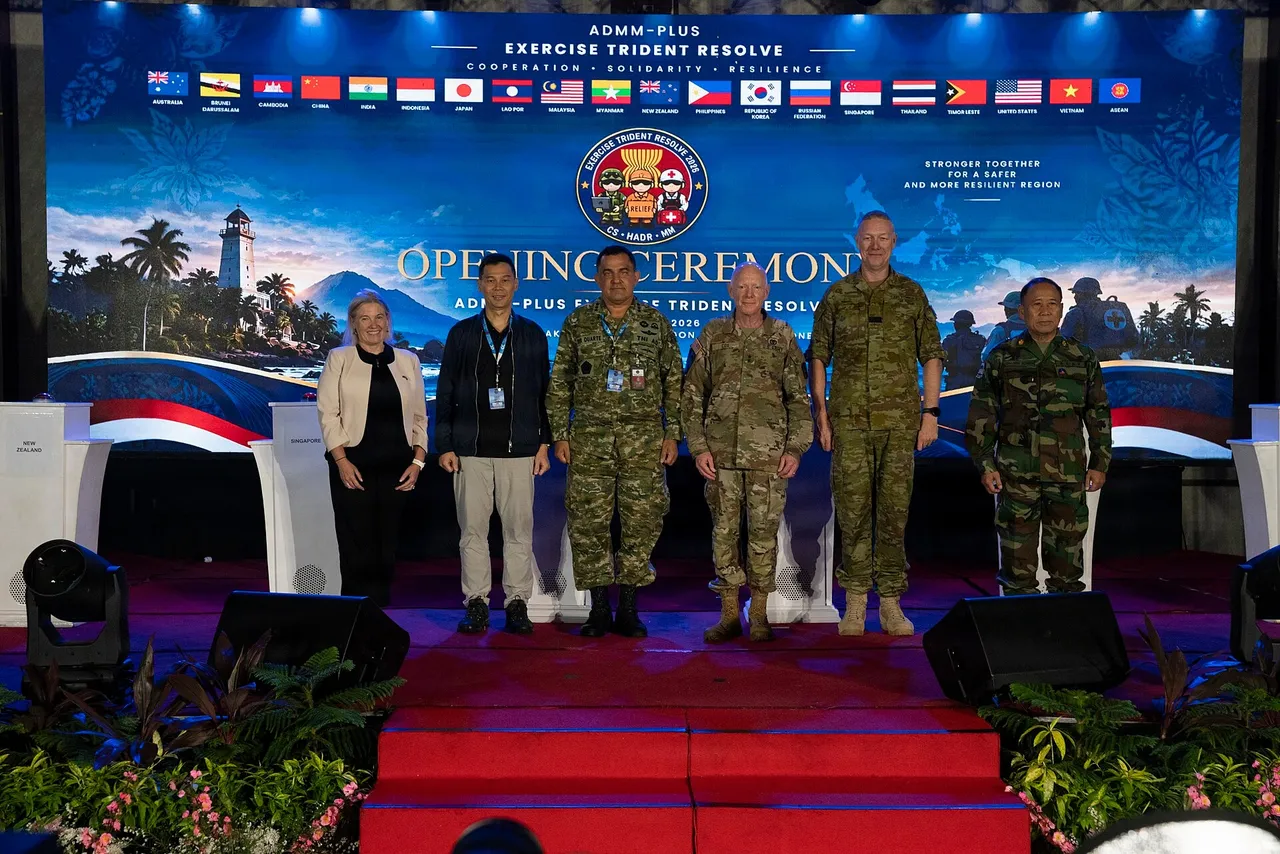
China and Indonesia revive Sharp Knife army counter-terror training with a drill in Guangdong
Beijing says Chinese and Indonesian troops will train together in Guangdong from late October, reviving a special forces series RSIS says stopped in 2015.
TaiwanDefence · 4h ago · 3 min read
Discussion (0)
Comments are not currently available.