
Japan rolls out an emergency cyberdefense package with active defence tools
Takaichi government adds specialist teams, AI vulnerability hunting and Defense Ministry support for national-security incidents after a wave of data breaches.
TAIPEI —
Japan's government adopted an emergency cybersecurity package on Friday, 6 November 2026, after a string of personal-data breaches caused by unauthorized access. Prime Minister Sanae Takaichi presented the measures at a ministers meeting that set a goal of building one of the world's most resilient public-private cyber postures, Kyodo News reported.
The package rests on four pillars: stronger basic security through artificial intelligence, better threat information gathering and analysis, a more strategic response to attacks, and stronger support for victims. Officials plan a top-gun specialist team for penetration testing and hardening, plus a public-private rescue team that can deploy to companies already under attack.
A separate advisory team is meant to counsel firms that appear at risk before an intrusion lands. The government also said it will work with overseas IT firms and advanced AI developers so that vulnerability information stays current as attackers adapt their methods.
Tokyo said it will enhance active cyber defence by proactively accessing servers used by attackers, a tool enabled by a law that took effect in October. NHK summarised the package as ordering strategic use of means that include active cyber defence to stop attacks before more damage spreads.
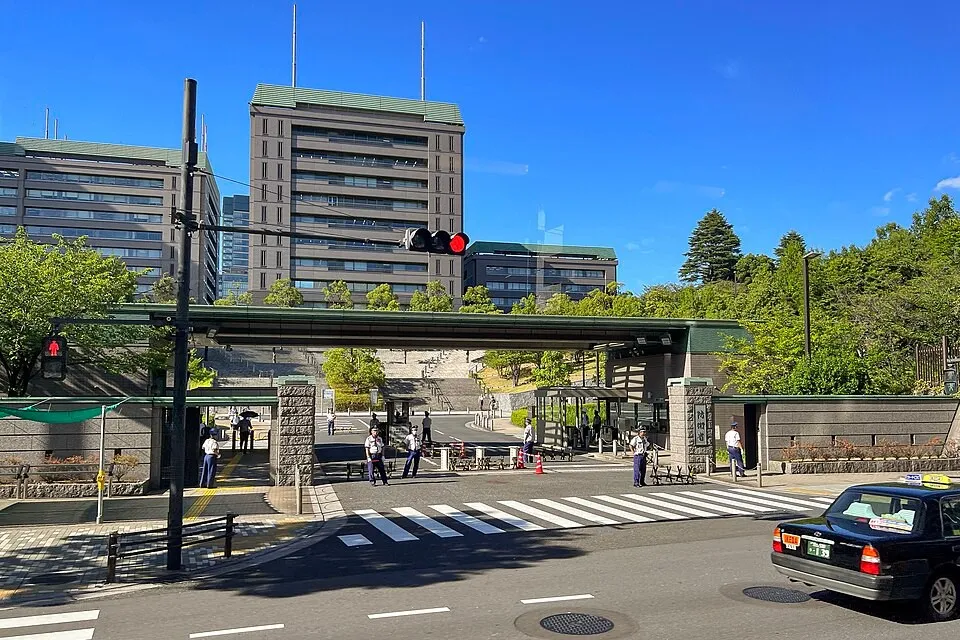
For incidents that could seriously affect national security, Kyodo reported that the government will dispatch a support team drawn from the National Cybersecurity Office, the National Police Agency and the Defense Ministry, among other agencies. That is the clearest defence-establishment role in an otherwise civilian-facing emergency package.
Ahead of the announcement, the government decided to tap 10 billion yen from fiscal 2026 reserve funds to strengthen cybersecurity measures, including police equipment for intelligence gathering and analysis. Nippon.com recorded the same reserve-fund figure alongside the Friday package decision.
Kyodo said Takaichi ordered the package last week after high-profile leaks, including an incident that hit internet service provider GMO Internet Group with a ransom demand. Japan Times described the specialist unit as focusing on penetration testing while a mixed government-industry team supports companies already hit.
Nippon.com, carrying a Jiji account, said the package also accelerates discussion of forcibly blocking access to websites that display stolen personal information, and that digital transformation minister Toshiharu Furukawa was told to consider revising the cyber response capability enhancement law.
For Indo-Pacific defence watchers, the announcement matters because Japan is folding legally enabled active cyber defence and Defense Ministry surge support into a whole-of-government emergency response. It sits beside Tokyo's wider defence buildup even though the public packaging emphasises consumer data protection and corporate hygiene.
Japan Times said the specialist team would form later this month, while Kyodo linked the package to a broader push for public-private information sharing and faster recovery after attacks. Neither outlet published a classified attribution for the recent breaches that triggered the emergency measures.
Until the specialist teams stand up later this month and the reserve-fund spending is allocated in detail, the package is an organising decision rather than a finished force change. Further Diet or budget steps may follow if the government expands the Defense Ministry role beyond national-security incident support.
Sources
More in Indo-Pacific

Japan's finance ministry says a bigger defence plan should not rely on new bonds
On 5 November 2026 Japan's Fiscal System Council heard a Finance Ministry pitch to fund defence rises without deficit bonds and to harden the economy for a prolonged security crisis.
TaiwanDefence · 5h ago · 2 min read

Pakistan test-fires Fa'az, its first home-built air-to-air missile, from a JF-17 fighter
The infrared-guided missile could ease the Pakistan Air Force's reliance on Chinese PL-15 and US AMRAAM weapons, though one analyst suspects a Chinese-supplied seeker.
TaiwanDefence · 15h ago · 3 min read
Australia, Japan and the US close a two-way underwater drone link at Keen Sword
Australia says a Japanese REMUS 620 sent position data through its Rock Lobster node and a US gateway, then received a command back, in a first trilateral underwater trial at Keen Sword 27.
TaiwanDefence · 18h ago · 2 min read
Discussion (0)
Comments are not currently available.