
Pakistan test-fires Fa'az, its first home-built air-to-air missile, from a JF-17 fighter
The infrared-guided missile could ease the Pakistan Air Force's reliance on Chinese PL-15 and US AMRAAM weapons, though one analyst suspects a Chinese-supplied seeker.
TAIPEI —
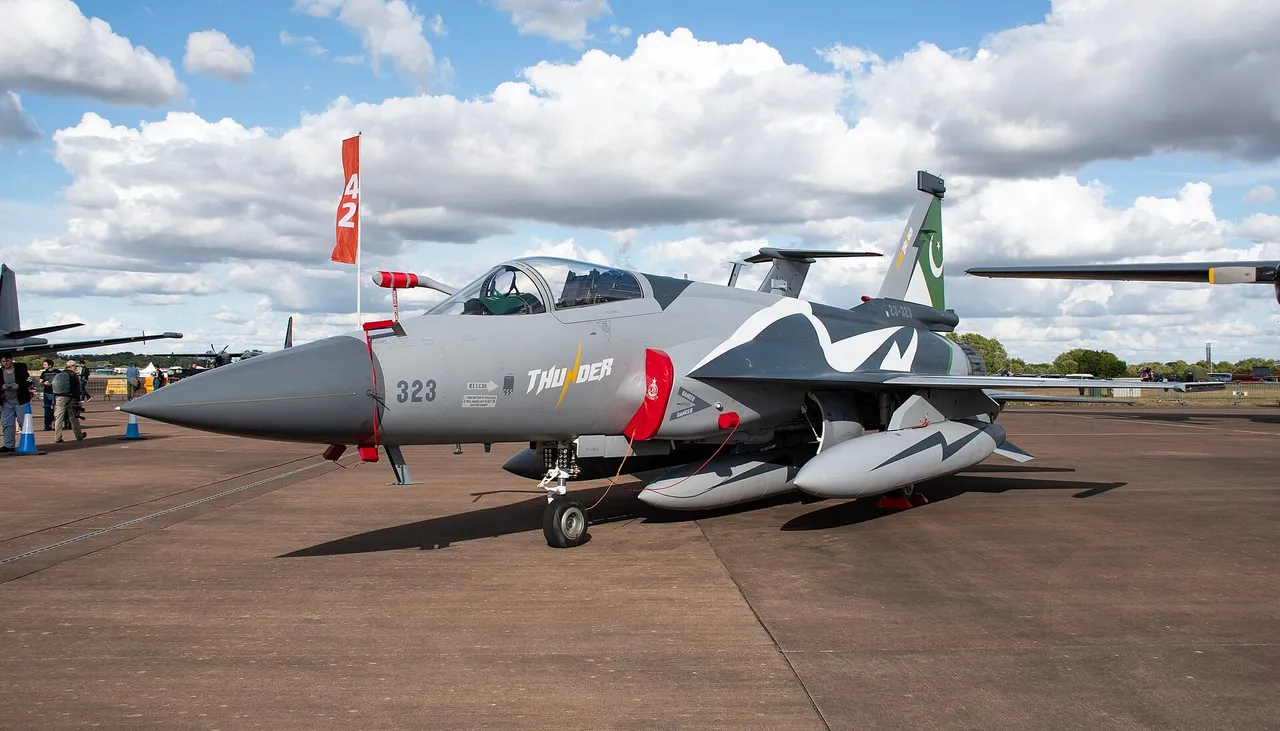
Pakistan has carried out the first flight test of Fa'az, which its military describes as the country's first air-to-air missile developed at home. Inter-Services Public Relations, the armed forces' media wing, announced the test on 3 November and said the missile carries an advanced terminal guidance system and can engage aerial targets at longer ranges.
The military said the weapon would give the Pakistan Air Force more operational flexibility and strengthen the country's overall defence posture, and it presented the test as evidence of the technical maturity and self-reliance of the national defence industry. Senior officers, scientists and engineers watched the launch. President Asif Ali Zardari, Prime Minister Shehbaz Sharif, Field Marshal Asim Munir, who is chief of the army staff and chief of defence forces, and the service chiefs congratulated the team.
The military did not disclose the missile's range or the aircraft that fired it. Video released with the announcement shows the missile leaving a pylon under the wing of a JF-17 Thunder, the light fighter Pakistan built in partnership with China, according to The War Zone. Both that outlet and observers cited by Dawn identified the round as the Fa'az-IIR, the version with an imaging infrared seeker, rather than the radar-guided Fa'az-RF.
The programme has been public for several years. Global Industrial and Defence Solutions, a state-owned Pakistani firm, displayed mock-ups of both versions at the IDEF defence fair in Istanbul in 2023 and described them as medium-range missiles with ranges of more than 100 kilometres and a top speed of about Mach 3.5. The company advertised seeker detection ranges of 25 kilometres for the radar version and 40 kilometres for the infrared version. These are manufacturer figures, and real engagement ranges depend on the altitude and speed of the launching aircraft. Dawn reported that the missile was developed under the National Engineering and Scientific Commission and that a longer-range Fa'az-2 is reportedly in development.
A long-range infrared missile cannot see its target at launch. The War Zone explained that the fighter would pass initial target data, the missile would fly on inertial guidance and possibly datalink updates towards a predicted intercept point, and the seeker would lock on only in the final phase.
The test matters because the Pakistan Air Force relies heavily on foreign air-to-air weapons. Its J-10C fighters and JF-17 Block III jets carry China's PL-15E, of which Pakistan was the first export customer, while its F-16s carry the American AIM-120 AMRAAM, whose use is reportedly subject to US restrictions. Dawn reported that a domestic missile could gradually reduce that dependence and give the air force more freedom to maintain and upgrade its fighter fleet.
How much of Fa'az is truly Pakistani remains unclear. The design has been compared with China's SD-10, or PL-12, which Pakistan also uses, while the manufacturer says it developed its products locally and owns the intellectual property. Douglas Barrie of the International Institute for Strategic Studies told The War Zone that the seekers may have come from China, a possibility that has not been confirmed. The War Zone suggested the missile could follow the path of the JF-17 itself, which gave Pakistan a route to its own aerospace design and production with Chinese help.
The War Zone also argued that an infrared Fa'az could complement the radar-guided PL-15E, because firing both types at the same target raises the chance of a hit and complicates countermeasures. The PL-15E drew wide attention after its reported use in the May 2025 air clashes between India and Pakistan, whose outcomes the two sides still dispute.
The air-to-air test follows two surface-to-surface launches in October. Dawn reported that Pakistan tested an extended-range version of the Fatah-IV ground-launched cruise missile in early October and the Fatah-2 extended-range ballistic missile on 13 October.
Sources
More in Indo-Pacific
Australia, Japan and the US close a two-way underwater drone link at Keen Sword
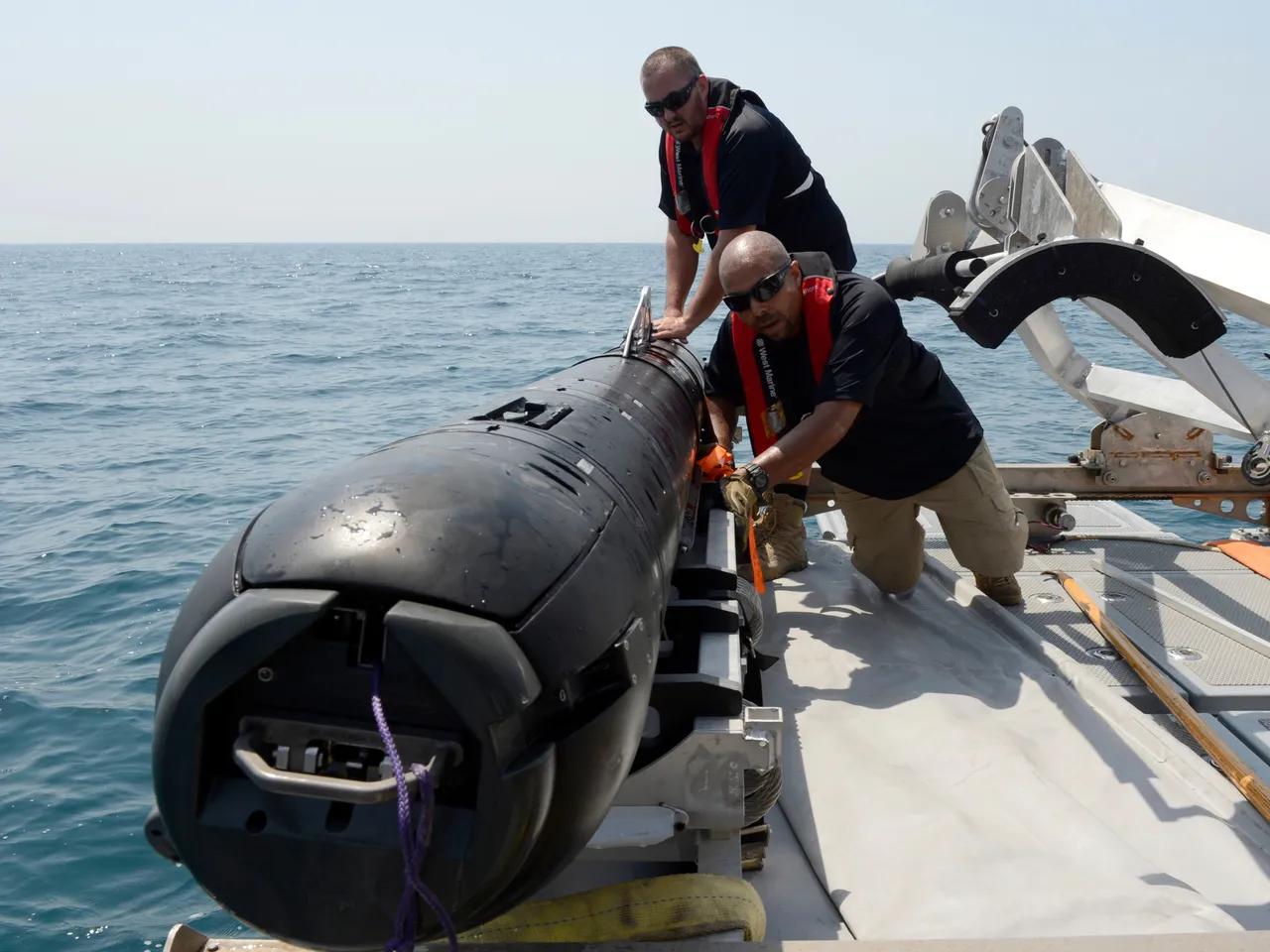
Australia says a Japanese REMUS 620 sent position data through its Rock Lobster node and a US gateway, then received a command back, in a first trilateral underwater trial at Keen Sword 27.
TaiwanDefence · 3h ago · 2 min read

North Korea shows a warship larger than its new destroyers taking shape at Nampho
State media photos of Kim Jong-un at the Nampho Shipyard give the first view of a hull that South Korean analysts believe is a 10,000-ton cruiser.
TaiwanDefence · 4h ago · 2 min read

China removes former armed police commander and ex-PLA deputy chief Wang Ning from top advisory body
Wang Ning, who once led a Fujian-based army corps facing Taiwan, becomes the third successive People's Armed Police commander to fall from favour.
TaiwanDefence · 5h ago · 2 min read
Discussion (0)
Comments are not currently available.