
US Navy orders more Poseidon upgrade kits for American and Australian sub hunters
A US$119.7 million award buys nine more Increment 3 Block 2 retrofit kits for P-8A patrol aircraft, seven for the US Navy and two for the Royal Australian Air Force.
TAIPEI —
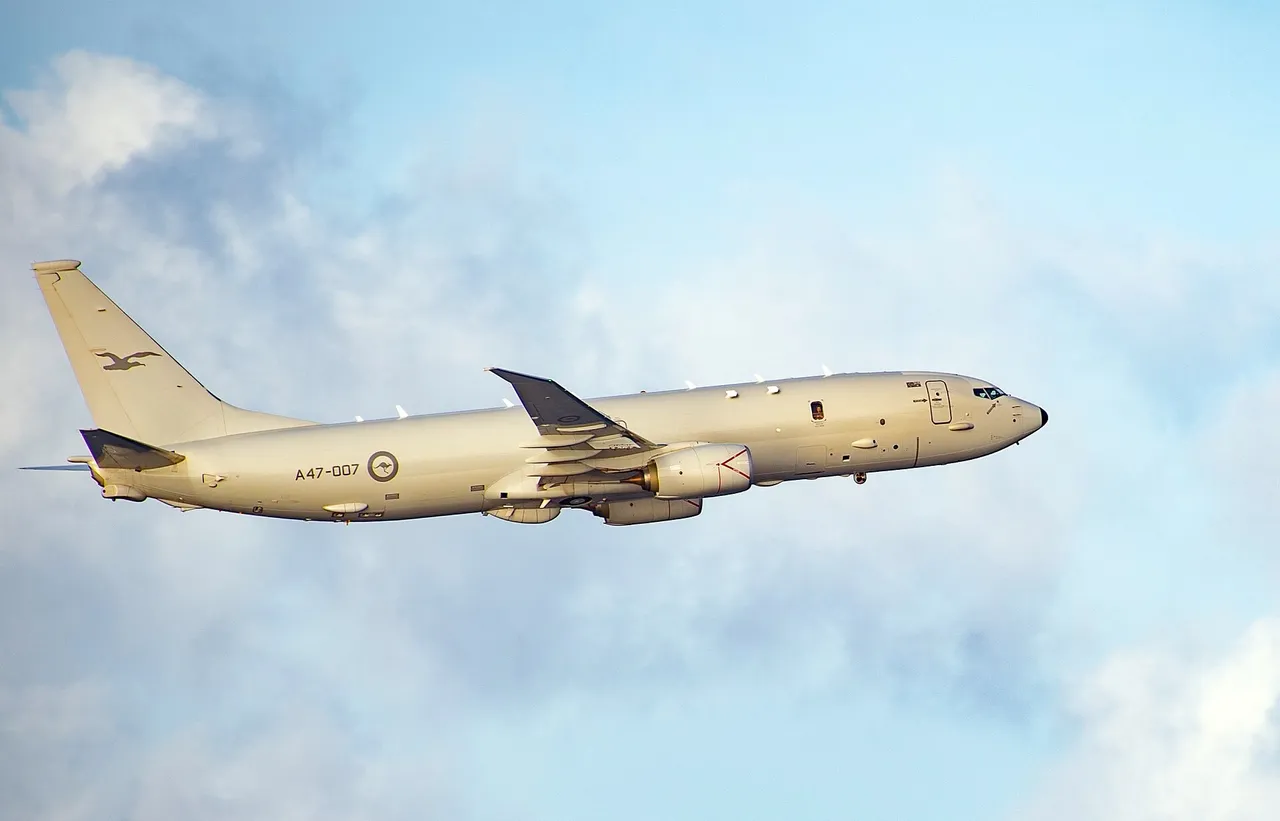
The US Navy has awarded Boeing a contract modification worth about US$119.7 million for nine more retrofit kits that bring P-8A Poseidon maritime patrol aircraft up to the Increment 3 Block 2 standard, according to the Pentagon contract list published on 4 November. Seven of the kits are for US Navy aircraft and two are for the Royal Australian Air Force, which flies the same anti-submarine plane.
The cost-plus-fixed-fee modification also pays for Boeing to install four of the new kits on US Navy aircraft, together with mission equipment that the Navy buys separately and hands to the company. The award was not competed. About US$110.2 million comes from US Navy aircraft procurement funds for fiscal 2027 and about US$9.5 million from Australian cooperative partner funds, all obligated when the contract was signed.
Boeing will do 79.6 percent of the work in Jacksonville, Florida, where it modifies P-8As at Cecil Field, with smaller shares in St. Louis, Missouri, and Mesa, Arizona. The work is due to be finished in May 2030.
The new award exercises options on an order the Naval Air Systems Command placed in June under the same agreement. That first order, worth about US$121.2 million, bought nine kits, six for the US Navy and three for Australia, plus three Navy installations and engineering work on parts that are going out of production. Taken together, the two actions now cover 18 kits, 13 for the US Navy and five for Australia, and seven installations on US Navy aircraft.
The contract separates two kinds of hardware. The A-kit is the permanent structural and electrical change to the airframe, such as racks, mounts, wiring and antenna fittings, while the B-kit is the mission equipment itself. Keeping the B-kits as government-furnished items lets the Navy control the supply of sensitive avionics while Boeing handles structural and integration work, Defense WarRoom noted.
Increment 3 Block 2 is the largest upgrade the Poseidon has received since it entered service. The Navy declared initial operational capability for the configuration on 24 April 2026 after testing by Air Test and Evaluation Squadron One at Naval Air Station Patuxent River. The package adds a new radome, antennas, sensors and wiring, and a new combat systems suite with more computing power and a higher-security architecture, wideband satellite communications, an anti-submarine signals intelligence capability, a track management system and additional acoustic and communications equipment for finding and targeting submarines.
Australia is the only foreign P-8A operator committed to the Block 2 standard and pays for its share through a cooperative programme with the US Navy. Boeing inducted the first Australian aircraft for the upgrade in Jacksonville in October 2025 and has said the first two Australian aircraft would be modified there, with Boeing Defence Australia upgrading the rest near RAAF Base Edinburgh in South Australia. The new award buys Australian kits but no Australian installations, and the announcement does not say when the two Australian kits will be fitted.
The pace of the work remains the main open question. Defense WarRoom reported that the Naval Air Systems Command issued a sources-sought notice in July asking whether other firms could install the kits, citing an estimated turnaround of more than six to eight months per aircraft. Aviation Week has reported that the Navy has budgeted more than US$3 billion to upgrade about 130 aircraft, and Defense WarRoom argued that the slow installation rate means the Navy will fly a mixed fleet of older and newer Poseidons for years.
For the Indo-Pacific, Defense WarRoom said Australian co-funding keeps the two maritime patrol fleets on a common sensor and software baseline, which lets crews from both countries share tactics, sonobuoy processing and logistics in combined anti-submarine operations. The Pentagon did not disclose the cost of each kit or each installation.
Sources
More in Industry
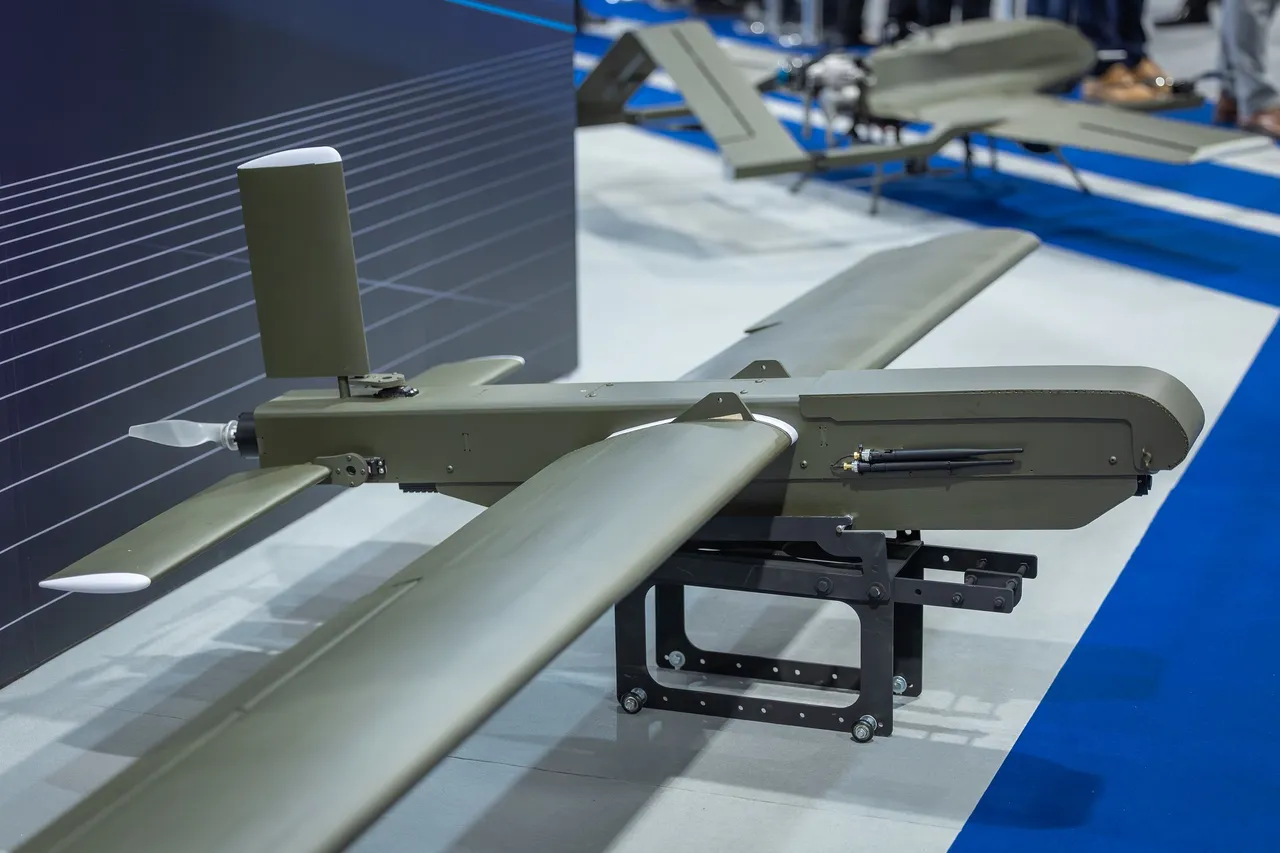
Taiwan drone firm AerosoarX signs deal to help Ukrainian defence company UFORCE source parts
AerosoarX will use Taiwan's chip and manufacturing base to find alternative drone component suppliers for UFORCE under an MOU signed in Tainan.
TaiwanDefence · 12h ago · 2 min read

Taiwan lawmakers freeze NT$10bn of extra drone funding as committee review of defence top-up ends
A joint committee froze part of the defence ministry's NT$68.5bn equipment request until it explains plans for coastal drones and small attack drone boats.
TaiwanDefence · 15h ago · 2 min read
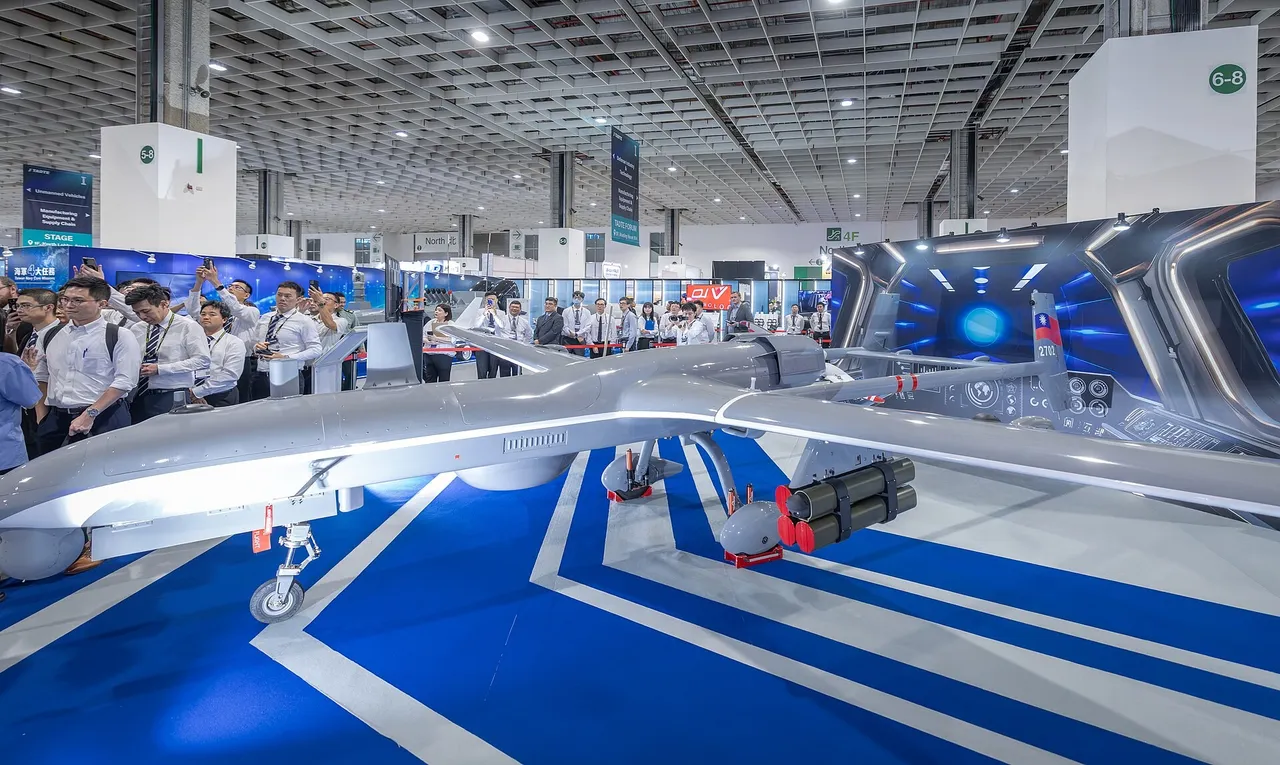
Taiwan's plan to build Anduril's Barracuda-500 missile runs into US export rules, reports say
Taiwanese papers say US adoption of the low-cost cruise missile closed the commercial route, so NCSIST is turning to other start-ups and Taiwan-only designs.
TaiwanDefence · 21h ago · 3 min read
Discussion (0)
Comments are not currently available.