
Taiwan's plan to build Anduril's Barracuda-500 missile runs into US export rules, reports say
Taiwanese papers say US adoption of the low-cost cruise missile closed the commercial route, so NCSIST is turning to other start-ups and Taiwan-only designs.
TAIPEI —
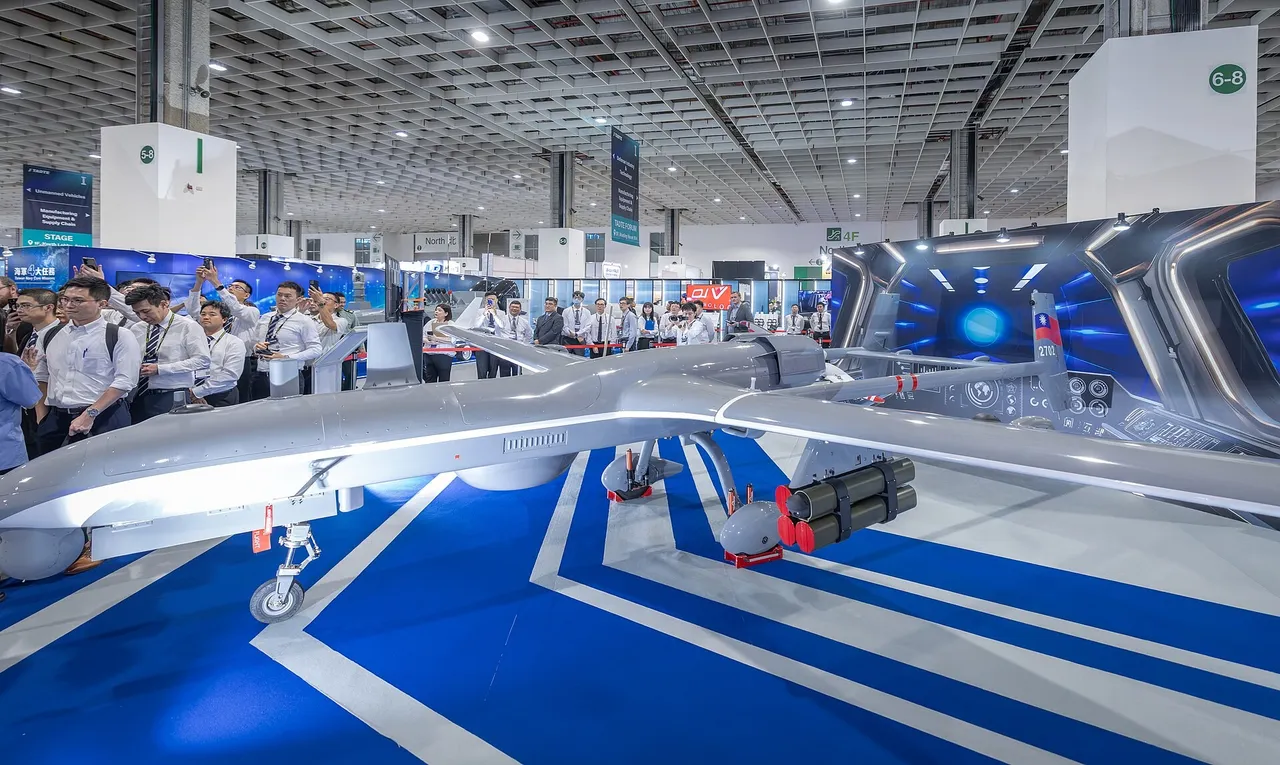
Taiwan's plan to produce the Barracuda-500 low-cost cruise missile with US company Anduril through a commercial deal has fallen through because the US military has now adopted the weapon, two Taiwanese newspapers reported on 3 November, citing unnamed military and government sources. The Liberty Times said the state-run National Chung-Shan Institute of Science and Technology (NCSIST) is turning to other foreign start-ups instead, and that its goal of producing a low-cost cruise missile within 18 months is unchanged.
Why the commercial route closed
Under US rules, once a weapon becomes standard equipment in the US military, its export is subject to State Department control and review, the Liberty Times reported. That means the Barracuda-500 can no longer reach Taiwan as a direct commercial sale and would have to go through the government-to-government foreign military sales channel, which the paper said would lengthen the time Taiwan needs to obtain it.
The two papers gave slightly different accounts of why the US moved. The Liberty Times linked it to the outbreak of the US war with Iran, after which the US military added several low-cost weapons to its inventory. China Times said tight US munitions stocks had pushed the US military into buying large numbers of cheap munitions, and that the Barracuda was taken for US use as a result. Neither report carried an on-the-record comment from NCSIST or the defence ministry.
The Liberty Times sources offered another Anduril product as an example of the same rule. They said the Dive-LD autonomous underwater vehicle is restricted to commercial use because it is already in US service and has carried out missions in the Middle East.
A new name and new partners
According to China Times, NCSIST plans to give the project a new name and seek cooperation with other international companies to keep its low-cost munitions plan on track, although the new name was not disclosed. The Liberty Times said the institute has already found a substitute for the air-launched cruise missile and may even be able to bring in the Anthem long-range precision strike weapon made by US defence start-up Covenant, which the paper said has already won an order from the Danish government.
Both papers said NCSIST now intends to have foreign partners build versions designed for Taiwan's battlefield conditions, so that they differ from the models supplied to the US military and are less exposed to US buy-backs and export controls. The sources described start-ups as better partners than large arms makers, because they are eager to grow revenue, place fewer limits on whom they work with and are more willing to customise. The Liberty Times pointed to a recent deal between Taiwan's Coretronic and AEVEX, under which combat-tested drones are being brought in with internal parts that differ from the US version.
How the plan began
NCSIST and Anduril first displayed the missile together at Taiwan's defence exhibition in September 2025, presenting it as an early product of Taiwan-US defence cooperation. The idea was to buy the airframe and key components commercially and finish production in Taiwan using NCSIST's own energetics work. After signing a cooperation memorandum, the institute said it would build production capacity within 18 months and keep the unit cost below NT$6.5 million.
Since then the missile has become a large US programme. In May the US Army chose Anduril for its Low-Cost Containerized Munition effort, under which 3,000 ground-launched Barracuda-500M missiles are due to be delivered over three years from 2027, and in July the US Air Force selected two air-launched versions for its Family of Affordable Mass Missiles programme, the Liberty Times reported at the time. Poland's state arms group PGZ has also agreed to assemble and co-produce the missile.
Why it matters
The Barracuda-500 was meant to give Taiwan a cheap cruise missile that could be built locally and stockpiled in large numbers. The reports suggest that US demand for the same class of weapon is now competing with Taiwan's plans, and that NCSIST is responding by spreading its bets across smaller suppliers and Taiwan-specific designs. The institute has not publicly confirmed whether a substitute can still be produced within the original 18-month timeline.
Sources
More in Industry
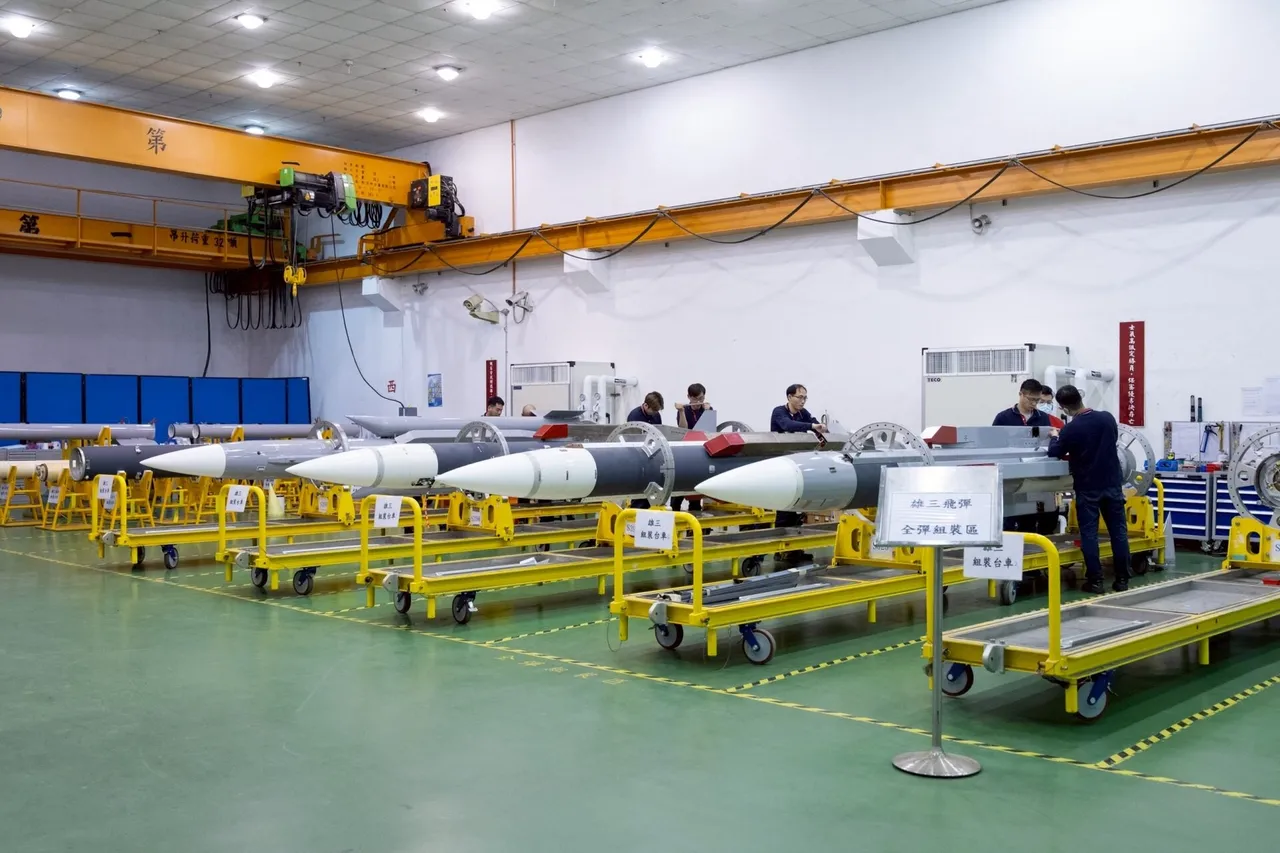
Taiwan's state arms institute moves to build US firm DTC's military radios in Taiwan
NCSIST says it will pair Taiwanese waveforms with Domo Tactical Communications radios, buy parts locally and pass lower prices to five drone makers.
TaiwanDefence · 14h ago · 3 min read
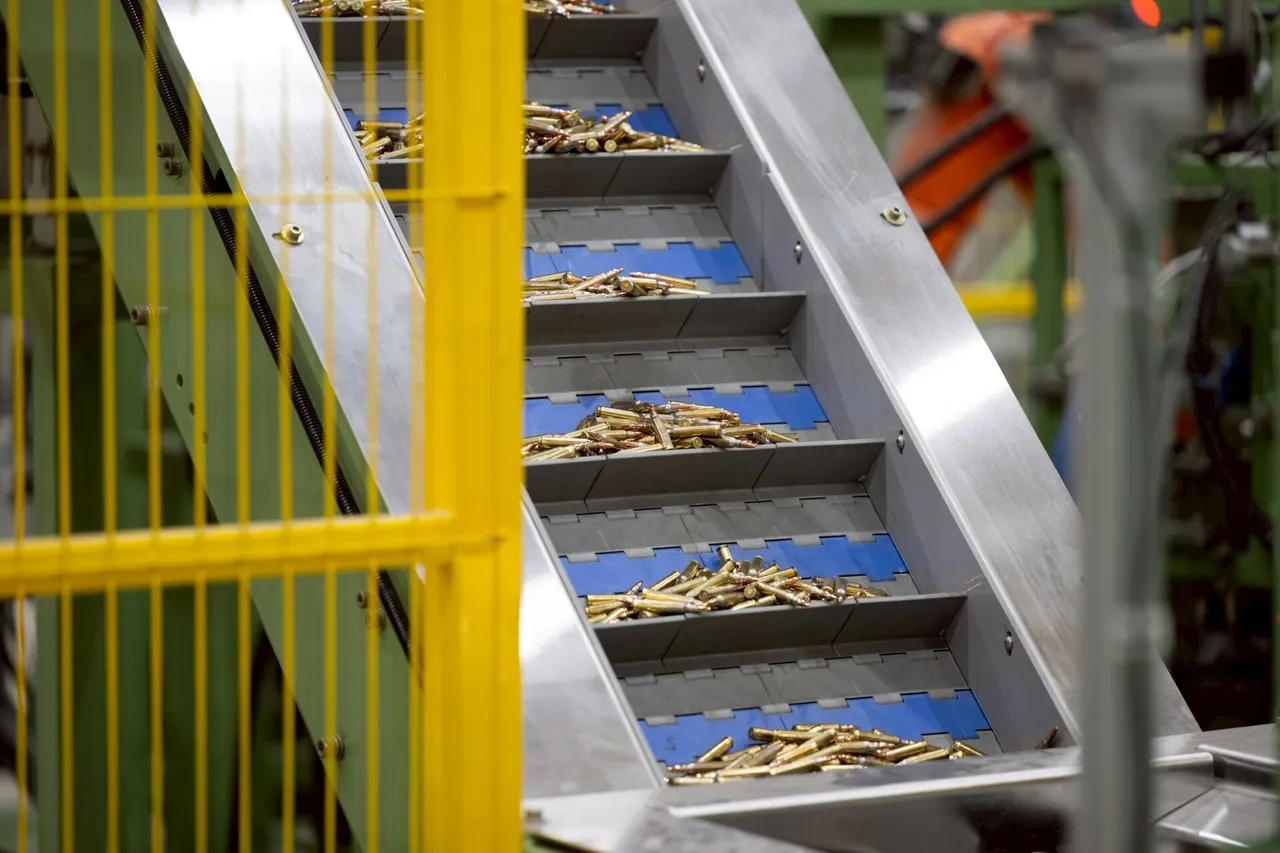
Taiwan plans 13 new arms factory production lines and buys ammunition abroad to fill the gap
The defence ministry wants about NT$14.1 billion for new lines making shells, explosives and propellants by 2032, and over NT$7.3 billion for imported rounds now.
TaiwanDefence · 15h ago · 3 min read
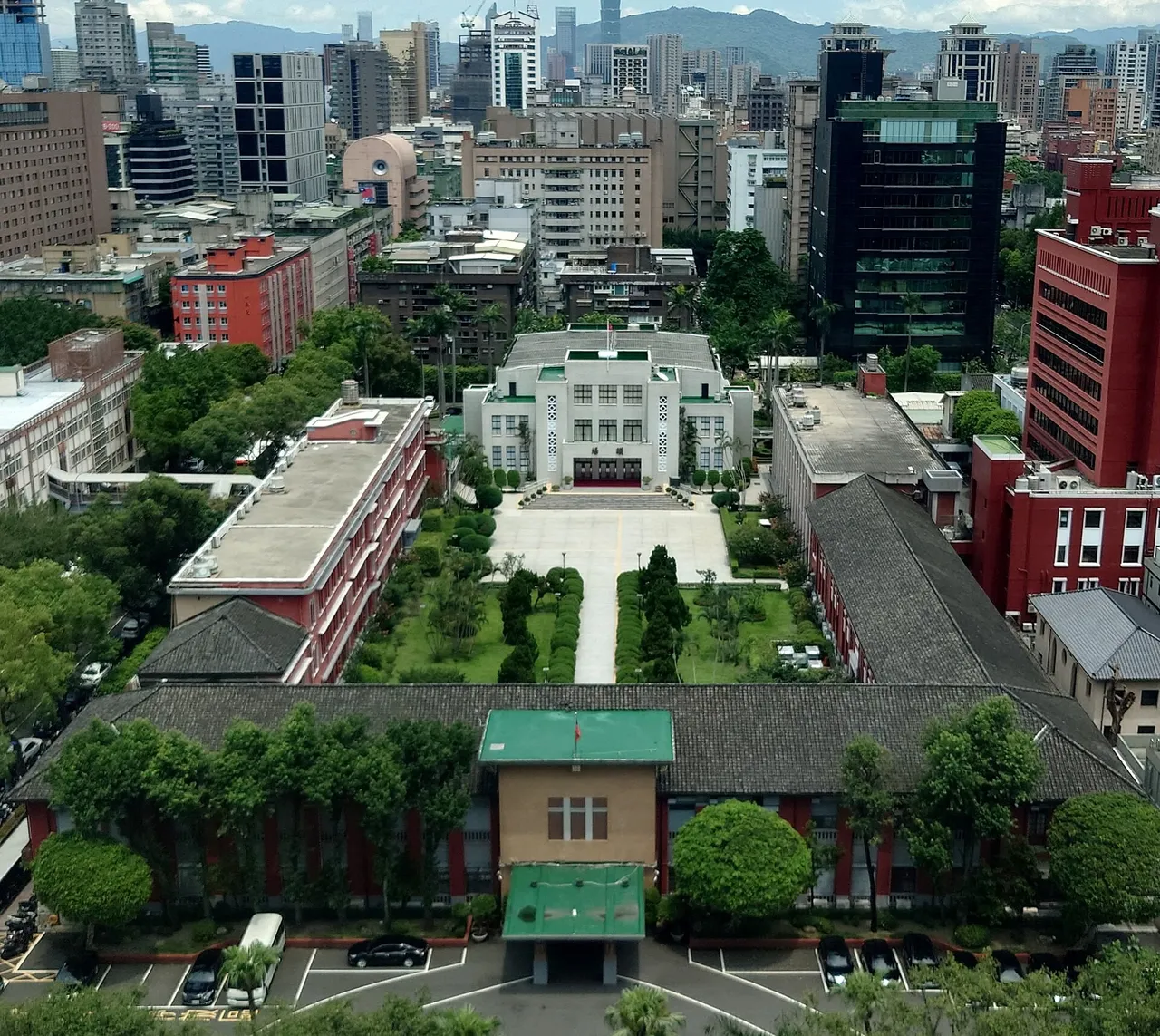
Taiwan's NT$55.9bn drone and sea-drone buy reaches committee as the opposition questions its timing
A supplementary budget carrying three uncrewed systems and the Chiang-Kong missile defence package cleared its first step in Taiwan's legislature on Tuesday.
TaiwanDefence · 1d ago · 3 min read
Discussion (0)
Comments are not currently available.