
Taiwan's state arms institute moves to build US firm DTC's military radios in Taiwan
NCSIST says it will pair Taiwanese waveforms with Domo Tactical Communications radios, buy parts locally and pass lower prices to five drone makers.
TAIPEI —
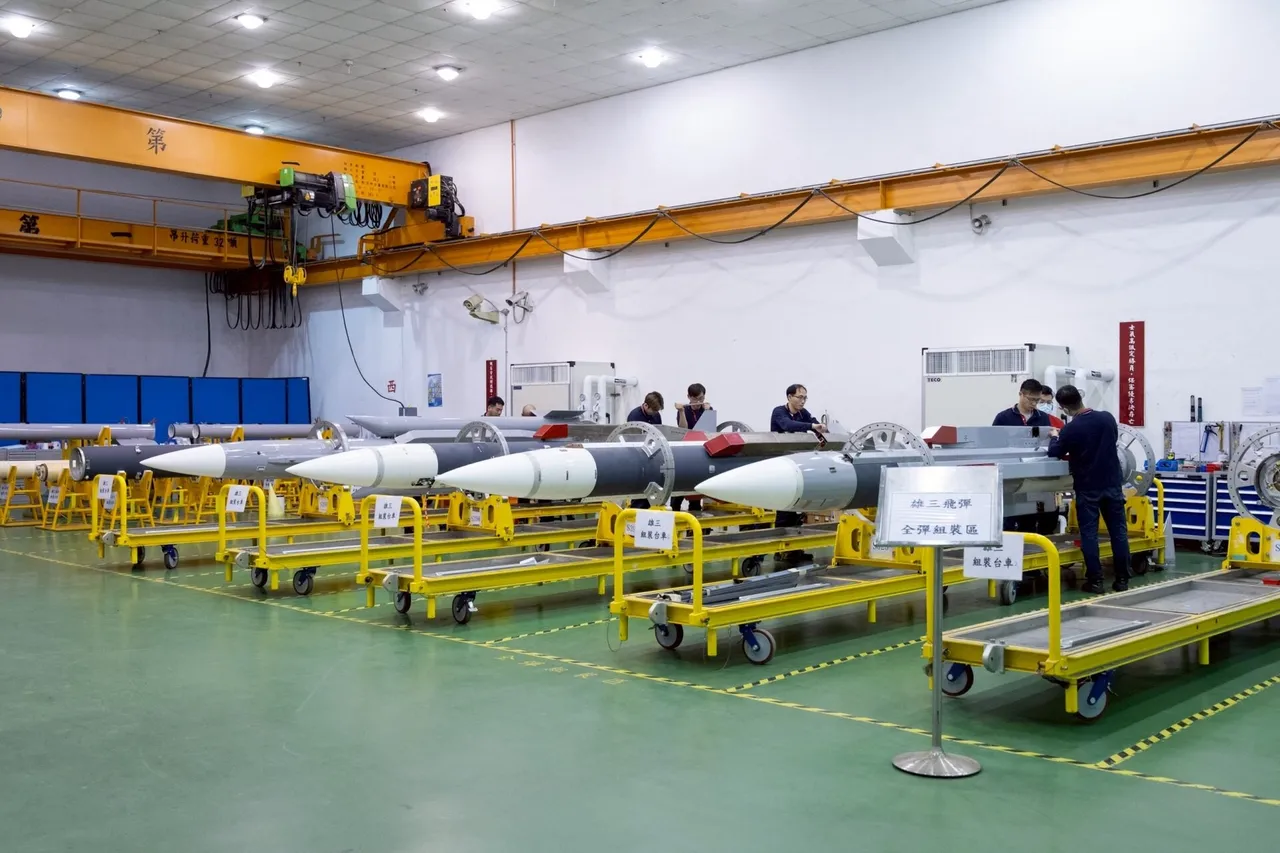
Taiwan's National Chung-Shan Institute of Science and Technology, the defence ministry's main weapons research and development body, said on 4 November that it is deepening its cooperation with the US company Domo Tactical Communications, known as DTC, to produce military communications equipment in Taiwan. The institute said in a press release that the work will cover local purchase of key components, assembly, testing and verification, and mass production.
The institute said the aim is to build a supply system in Taiwan that covers production, testing, repair and logistics support, so that defence communications gear can be maintained and upgraded at home and remain available in a crisis.
Waveforms, radios and drones
On the technical side, the institute said it will keep working to integrate communications waveforms developed in Taiwan with DTC's radio platforms. The combined systems are meant for drones, vehicle-mounted communications and other defence equipment. The two sides plan to pool their work on software-defined radio, jam-resistant communications and smart management of the radio spectrum, which the institute said would make the systems more independent and easier to expand and upgrade.
The institute linked the effort to the spread of drones and other uncrewed vehicles in military use. It said stable links, resistance to jamming and the ability to repair and upgrade equipment have become central questions for defence technology, because communications now shape whether such systems can carry out their missions.
Cheaper parts for five drone makers
The institute said DTC will offer discounted prices on its communications products to the makers of five types of drones that work with the institute. It said producing in Taiwan and increasing order volumes should gradually bring costs down and make Taiwanese drones and their communications equipment more competitive internationally. The institute did not name the drone types, the companies or the size of the discount, the Liberty Times noted.
The institute tied the price offer to the Act on Strengthening Defence Self-Reliance and Developing the Uncrewed Vehicle Industry, which the Legislative Yuan passed on 27 August. That law, passed with the votes of opposition lawmakers, sets out about NT$240 billion in annual budgets over six years for uncrewed systems, makes the economics ministry the lead authority while leaving military procurement to the defence ministry, and requires the defence ministry to buy coastal surveillance drones, coastal strike drones and small attack boats.
Removing Chinese parts
The institute said the joint production will also aim to make supply chain sources transparent and to remove Chinese-made components from the supply chain. CM Media reported that the cooperation has US backing, noting that Raymond Greene, director of the American Institute in Taiwan, visited DTC's newly opened Taiwan office in January 2026 to discuss how its technology could support Taiwan's defence.
CM Media described DTC as a specialist in wireless mesh networking whose encrypted, high-bandwidth links are used by special forces, defence agencies and makers of drones and uncrewed ground vehicles.
Why it matters
Drones and uncrewed boats are only as useful as the links that control them, and those links are a prime target for jamming. Building a trusted radio supply and repair base inside Taiwan, with US technology and without Chinese parts, addresses one of the weak points the institute itself identified, though how far the cooperation goes will depend on contracts and volumes not yet made public.
Sources
More in Industry
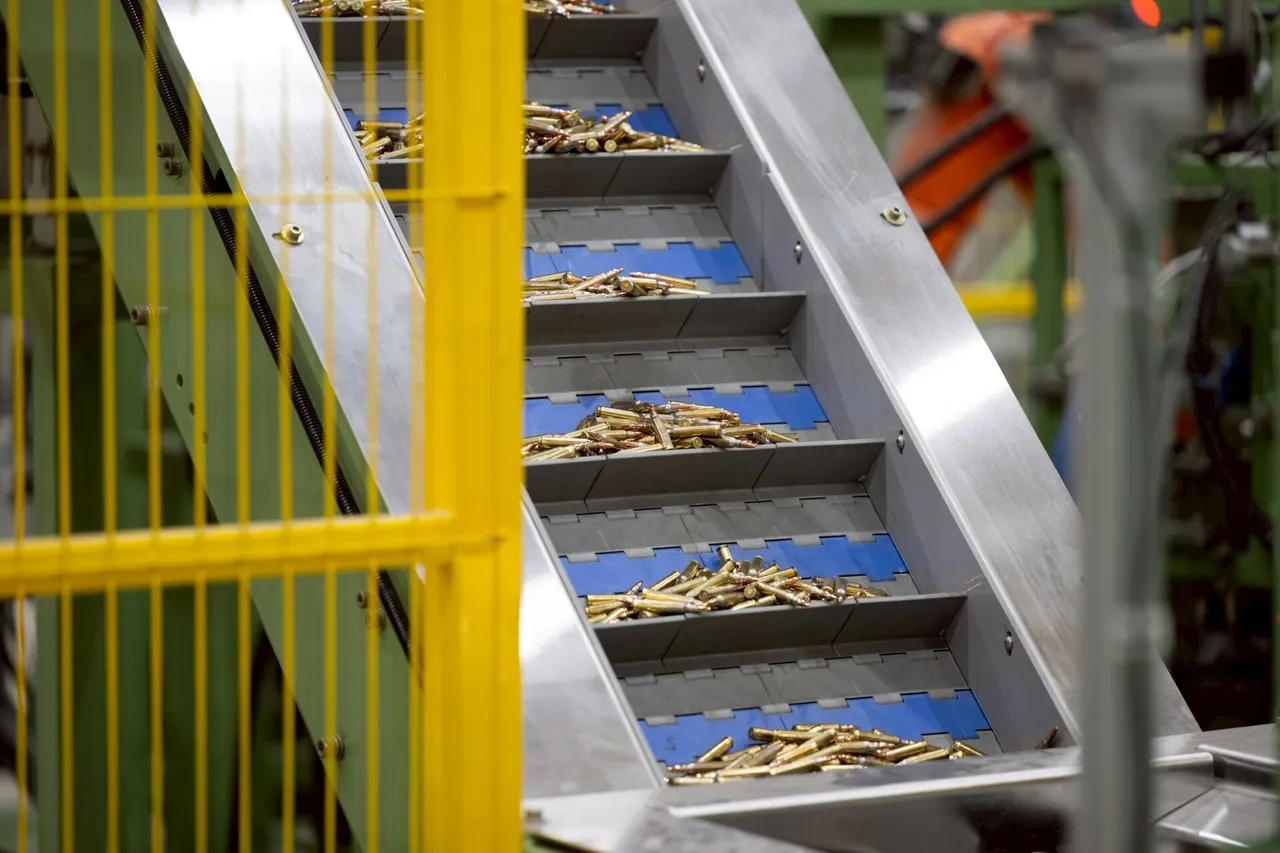
Taiwan plans 13 new arms factory production lines and buys ammunition abroad to fill the gap
The defence ministry wants about NT$14.1 billion for new lines making shells, explosives and propellants by 2032, and over NT$7.3 billion for imported rounds now.
TaiwanDefence · 1h ago · 3 min read
Taiwan's NT$55.9bn drone and sea-drone buy reaches committee as the opposition questions its timing
A supplementary budget carrying three uncrewed systems and the Chiang-Kong missile defence package cleared its first step in Taiwan's legislature on Tuesday.
TaiwanDefence · 10h ago · 3 min read
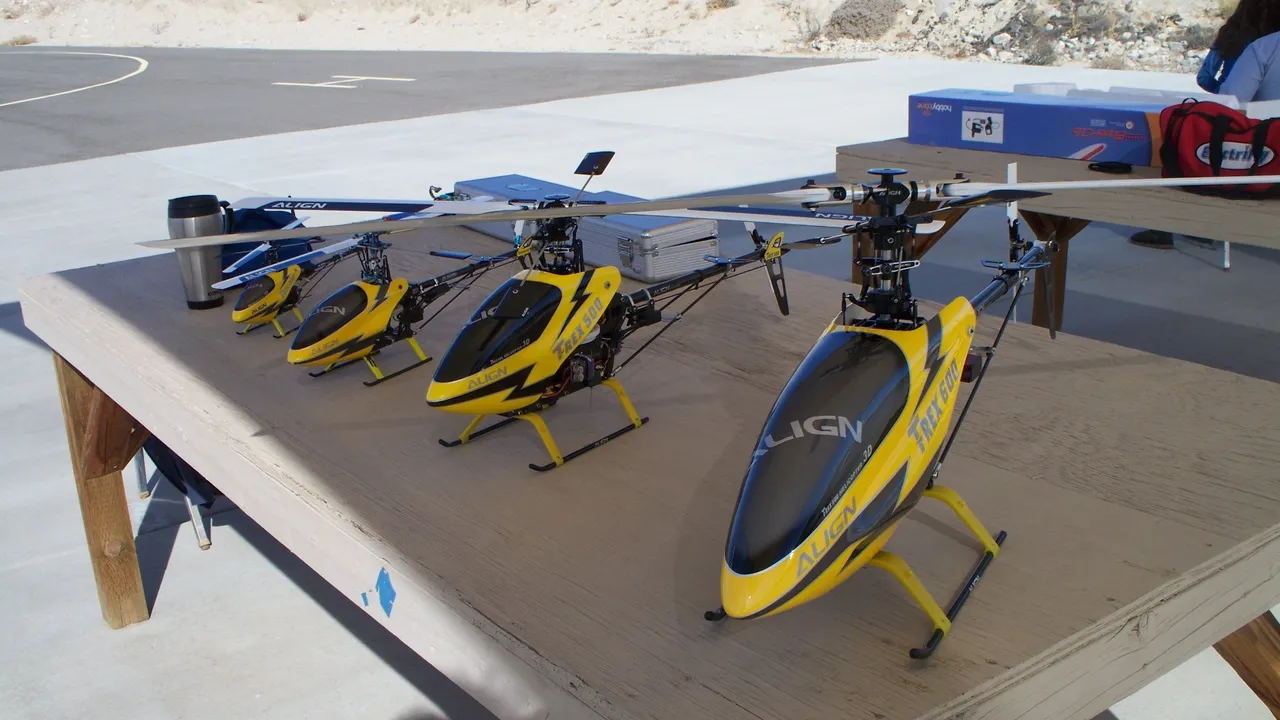
Chips marked CN inside army training drones land a famed model-helicopter maker's founder in custody
Taichung prosecutors won detention of Align's founder and his wife after army teardowns found Chinese chips in two batches of training drones.
TaiwanDefence · 5d ago · 3 min read
Discussion (0)
Comments are not currently available.