
Taiwan plans 13 new arms factory production lines and buys ammunition abroad to fill the gap
The defence ministry wants about NT$14.1 billion for new lines making shells, explosives and propellants by 2032, and over NT$7.3 billion for imported rounds now.
TAIPEI —
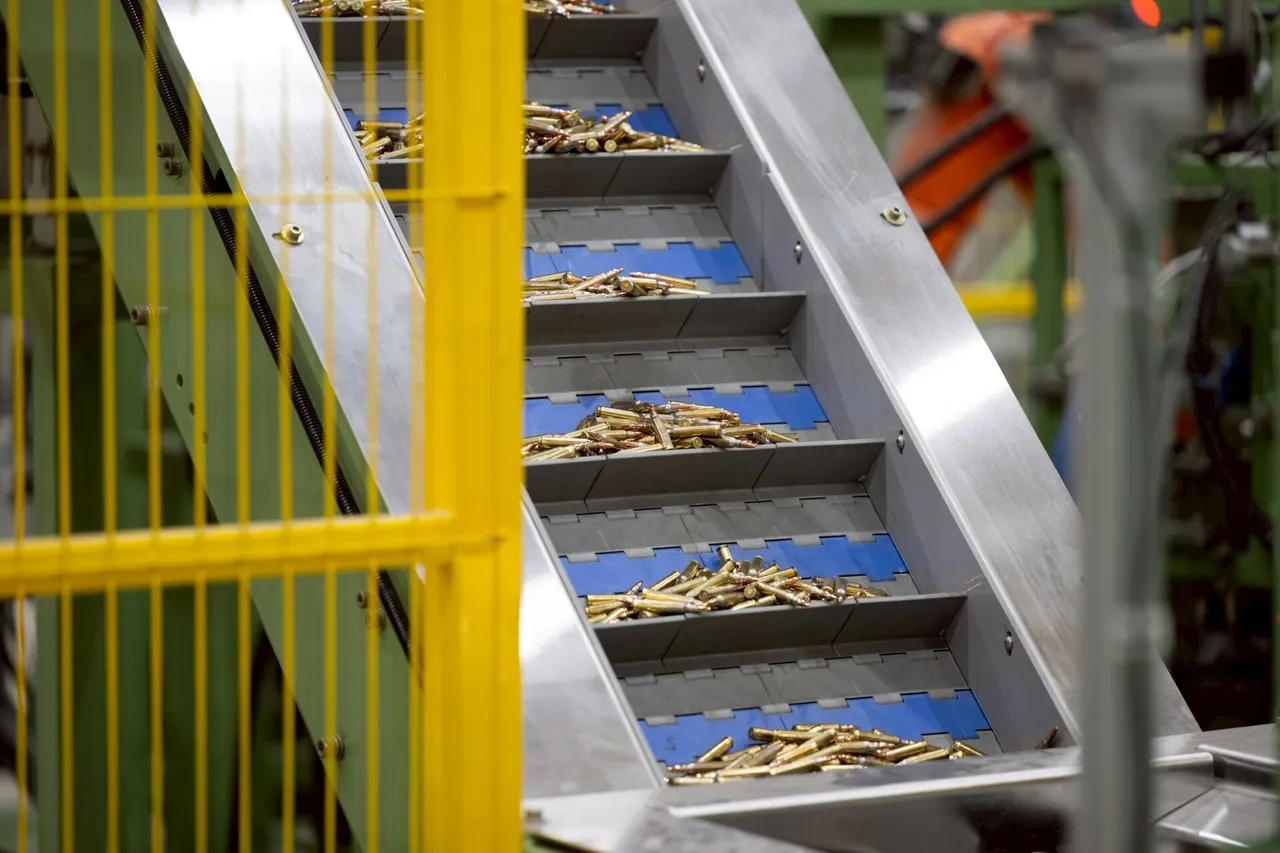
Taiwan's defence ministry plans to build 13 new production lines at its state arsenals for weapons, equipment, ammunition, explosive raw materials and propellants, and to line up private companies as backup producers, so that the armed forces can keep up with the heavy consumption expected in wartime. The plan was set out in a business report delivered to the Legislative Yuan on 3 November, ahead of Defence Minister Wellington Koo's appearance before the legislature's foreign affairs and national defence committee on 4 November.
The lines belong to the Armaments Bureau's Production and Manufacturing Center, which runs the military's own factories. According to the report, the expansion is based on each service's readiness needs and on the high rate at which ammunition and equipment would be used up in a conflict.
Cost and timetable
Koo said the ministry intends to spend about NT$14.1 billion between 2026 and 2032 to build the 13 lines in stages. The defence ministry's 2027 budget documents, reported in September, had already outlined a plan of roughly that size to add or expand capacity at four of the bureau's factories, covering ammunition, explosives, gun barrels, optical equipment and gas masks, with annual spending expected to peak between 2028 and 2030.
Taiwan News described the bureau's 202nd Arsenal in Taipei as a plant that mainly turns out large artillery systems, heavy and light weapons, artillery shells and personal equipment such as submachine guns, body armour and modular helmets, and said it is also moving into drone production.
Buying rounds while the lines are built
Because the new lines will take years to finish, the ministry also wants to buy ammunition off the shelf. Koo said the full programme for urgently needed ammunition is worth NT$27.6 billion, and that the current supplementary budget request includes more than NT$7.3 billion in operating funds to buy 20 types of ready-made rounds from abroad. He said the aim is to build up stocks before the domestic lines are complete.
The Central News Agency, citing the report, said the NT$7.3 billion covers critical ammunition for homeland defence that Taiwan cannot make itself. Together with NT$0.9 billion to speed up deployment of a tactical network, that brings the operating part of the supplementary request to NT$8.2 billion.
Wear and tear from grey-zone pressure
The Liberty Times reported that the 2027 budget report links rising maintenance costs to frequent Chinese grey-zone harassment and other readiness missions, which have increased the wear on warships, fighter aircraft and surveillance radars. The ministry has listed spare parts for Kang Ding and Tuo Chiang class ships, IDF fighters and the land-based Sky Sword II missile system among its main needs.
The same report includes purchases of Hsiung Feng II, Hsiung Feng III and extended-range Hsiung Feng III anti-ship missiles, as well as 35 millimetre rounds and other ammunition. Budget lines for spare parts and repair, general ammunition and fuel and storage support total about NT$164 billion. The ministry also said it would use military product certification and outsourcing to private industry to build repair capacity for new weapons.
Why it matters
A long confrontation or blockade would test how long Taiwan's forces can keep firing, not just what weapons they own. The plan pairs a slow build-up of home production with stopgap imports, and both depend on lawmakers approving the supplementary and annual budgets now before the legislature.
Sources
More in Industry
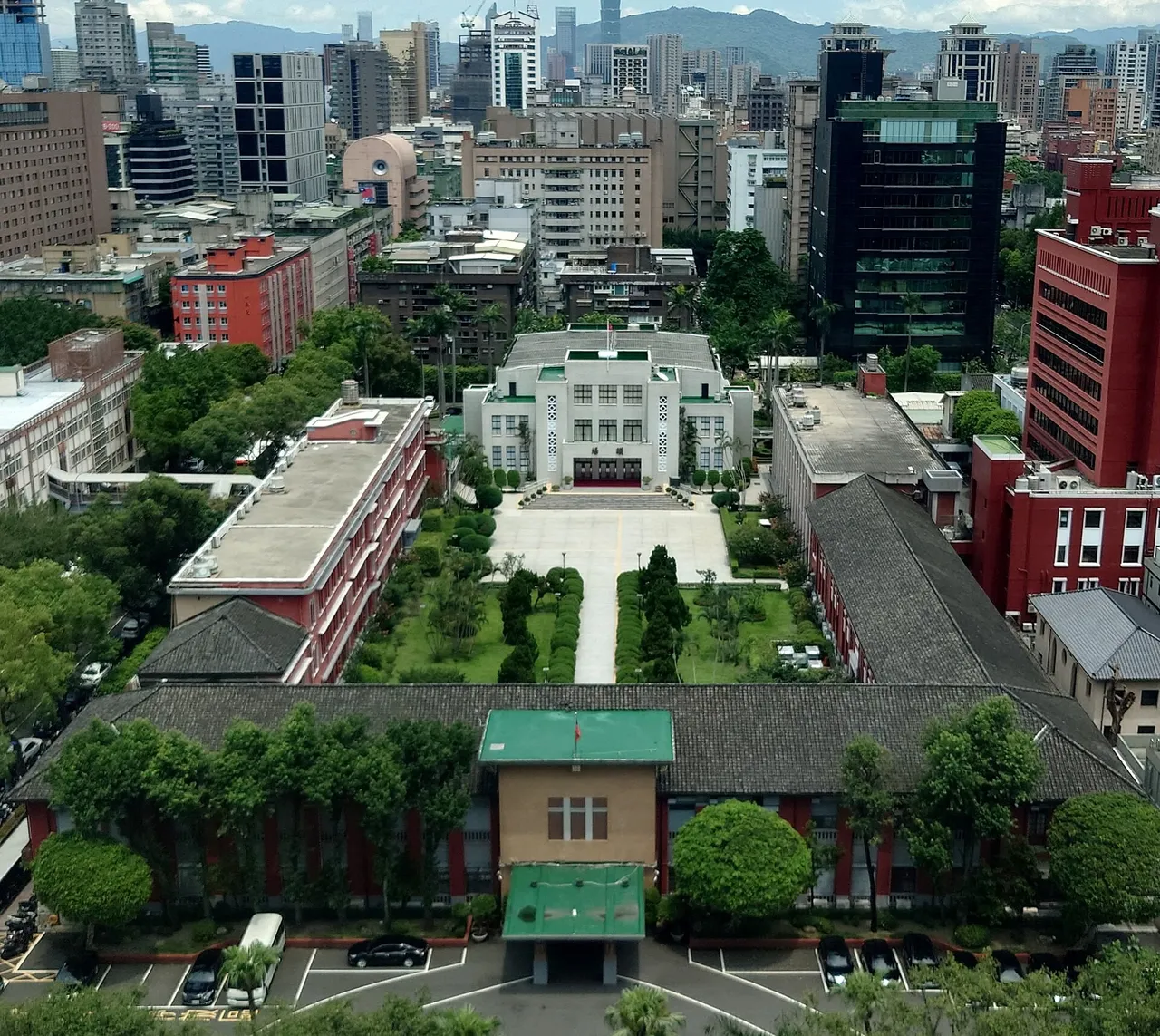
Taiwan's NT$55.9bn drone and sea-drone buy reaches committee as the opposition questions its timing
A supplementary budget carrying three uncrewed systems and the Chiang-Kong missile defence package cleared its first step in Taiwan's legislature on Tuesday.
TaiwanDefence · 9h ago · 3 min read
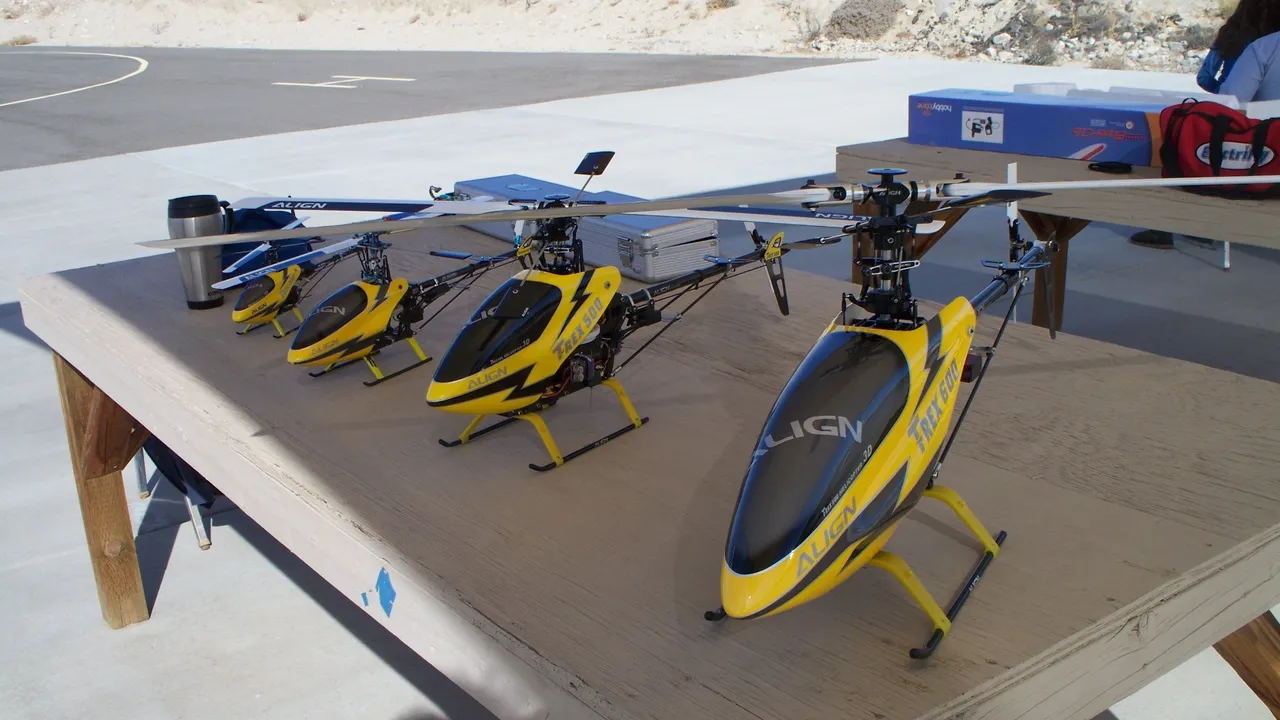
Chips marked CN inside army training drones land a famed model-helicopter maker's founder in custody
Taichung prosecutors won detention of Align's founder and his wife after army teardowns found Chinese chips in two batches of training drones.
TaiwanDefence · 5d ago · 3 min read
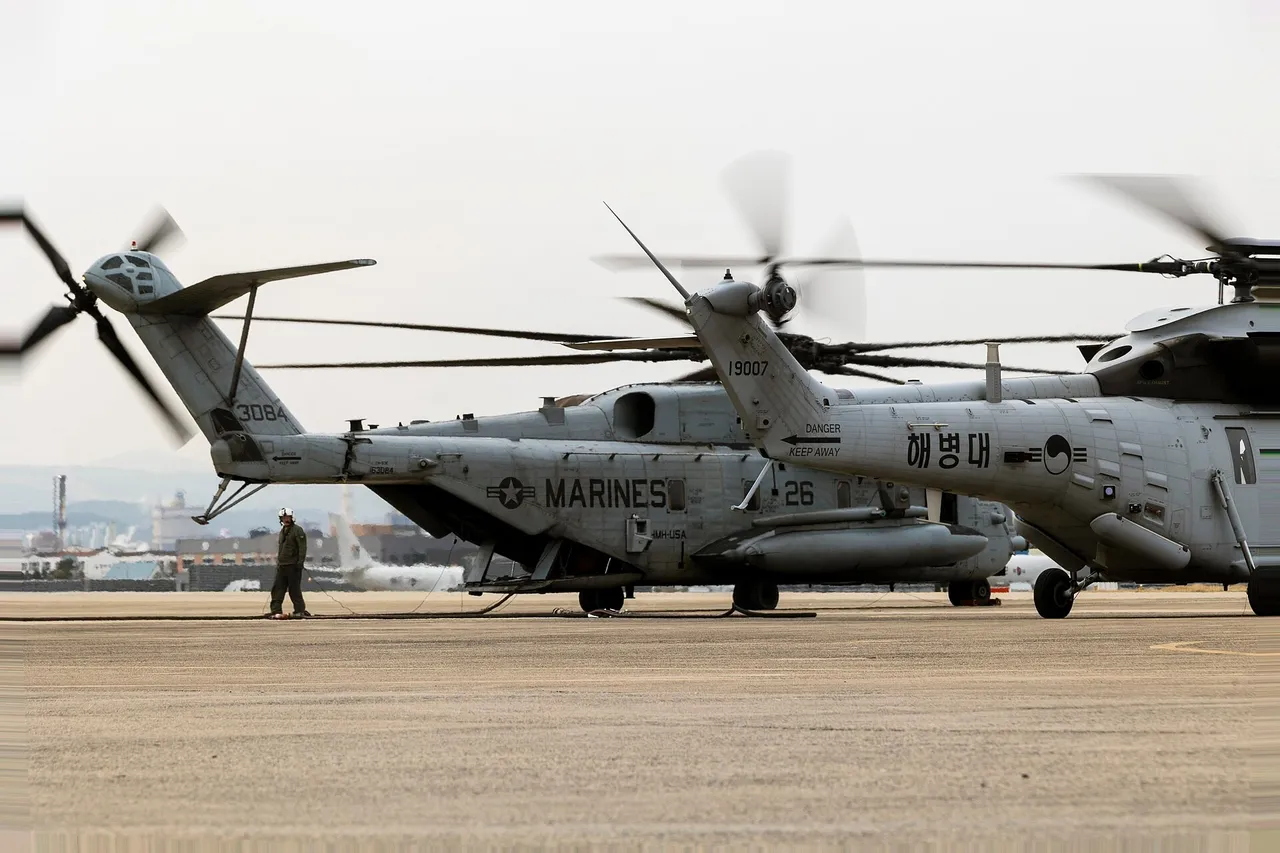
South Korea finishes developing its own Marine attack helicopter, with production due to start in 2027
The arms agency says the Surion-based Marine Attack Helicopter has fired all four of its weapons, including an air-to-air missile, and will move into production in 2027.
TaiwanDefence · 28 Oct 2026 · 3 min read
Discussion (0)
Comments are not currently available.