
Japan's army plans a single command system for its missiles and artillery to defend its southwest islands
The Ground Self-Defense Force wants one battlefield map for air defence, anti-ship missiles and guns from as early as 2030, with at least 17.9 billion yen requested.
TAIPEI —
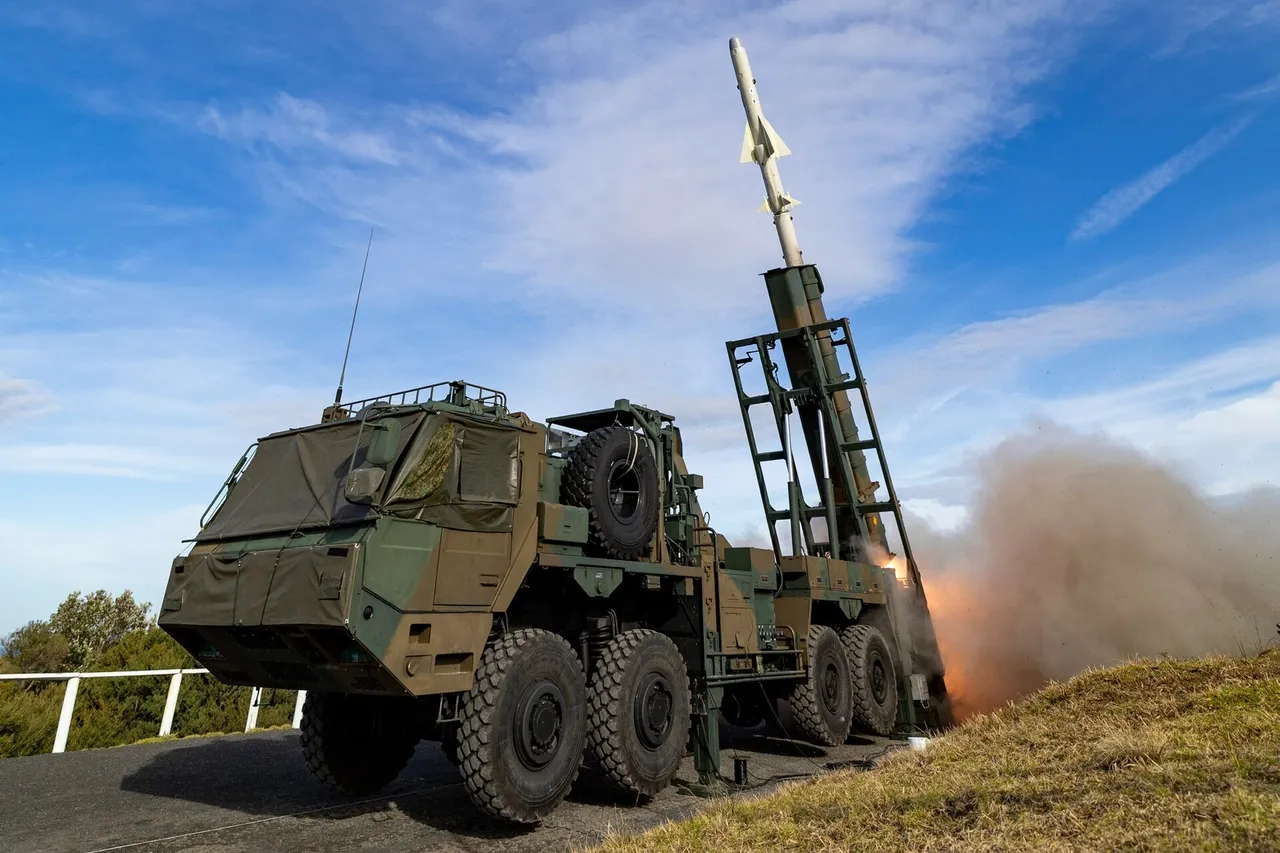
Japan's Ground Self-Defense Force plans to merge the separate systems it uses to direct air defence missiles, anti-ship missiles and artillery into a single command network run at division level, the Nikkei business daily reported on 3 November. The integrated system could enter service as early as fiscal year 2030, and the defence ministry has asked for at least 17.9 billion yen for related costs in its budget request for fiscal 2027.
According to the reports, Fujitsu will lead the integration work. The ground force currently runs a command and control system built by Fujitsu, an air defence system from Mitsubishi Electric and a fire control system developed by Toshiba. Because the three are not linked, division staff have to compare several screens side by side before deciding how to respond, which slows the flow of orders from headquarters to units in the field.
One map for land, sea and air
The new system is meant to pull information about enemy forces on land, at sea and in the air onto one electronic map. Yonhap, citing the Nikkei report, said commanders would be able to see in real time where hostile warships approaching a remote island are, where landing forces have come ashore and where incoming missiles are heading.
The same display would also show the positions of the ground force's own units. That is intended to make it easier to decide which unit should move to meet an approaching enemy and which type of missile should be used to intercept a threat. The planners expect that an attack on a remote island could combine ground troops, aircraft and missiles at the same time, so information from forward reconnaissance units and radars has to be analysed together and quickly.
Making scarce ammunition last
A second goal is to stop limited stocks of missiles and shells from being wasted. Remote islands have little room to store ammunition and could be hard to resupply, so the reports say the system is meant to help units hold out for longer if fighting drags on and to reduce harm to service members and civilians.
Artificial intelligence will not take part in operational decisions in the first stage, which focuses on bringing battlefield information together. People in the field will still decide which targets missiles are fired at. The defence ministry is separately studying how AI might later help analyse combat situations and support planning.
The Taiwan Strait backdrop
Taiwan's Central News Agency described the plan as part of Japan's continuing effort to strengthen the defence of its southwestern islands in case of a military conflict in the Taiwan Strait. Taiwan News noted Japanese concern that a Chinese operation against Taiwan could spill into Japanese territory, as Chinese carriers, destroyers and other warships operate more often in the Pacific after passing out of the East China Sea.
Japan is also fielding longer-range weapons in the region. Taiwan News, citing the defence ministry, said the ground force deployed its Type 25 surface-to-ship missile, with a reported range of about 1,000 kilometres, at Camp Kengun in Kumamoto Prefecture in March.
Why it matters
Japan has been strengthening the defence of its south-western islands and adding longer-range missiles there. The plan reported this week deals with a less visible problem: whether commanders can combine those weapons quickly enough when several threats arrive at once. The money is still only a budget request, so the pace of the project will depend on how much survives the government's budget process for fiscal 2027.
Sources
More in Indo-Pacific
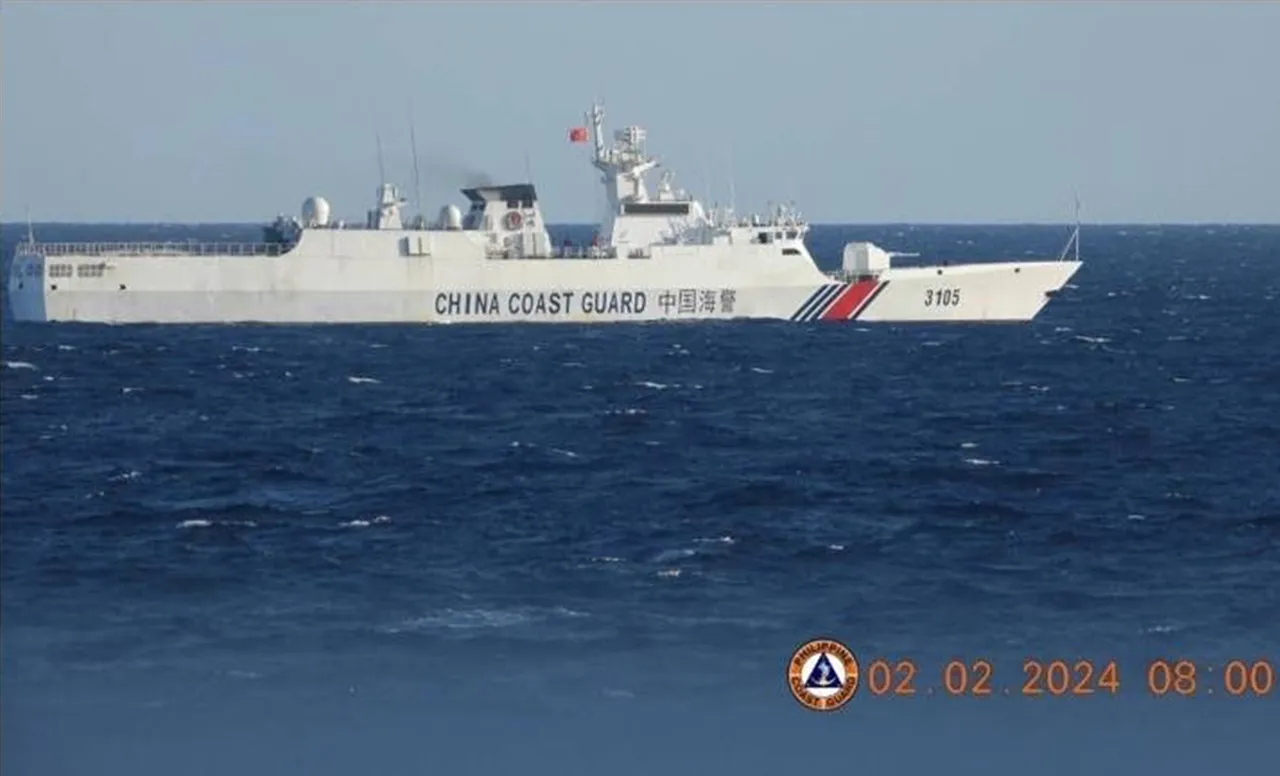
Philippine military counts 80 Chinese warships and coast guard ships in its waters in October
The armed forces say the Chinese presence fell from 101 vessels in September, while the coast guard is still trying to work out what a Chinese craft is doing inside Scarborough Shoal.
TaiwanDefence · 3h ago · 3 min read
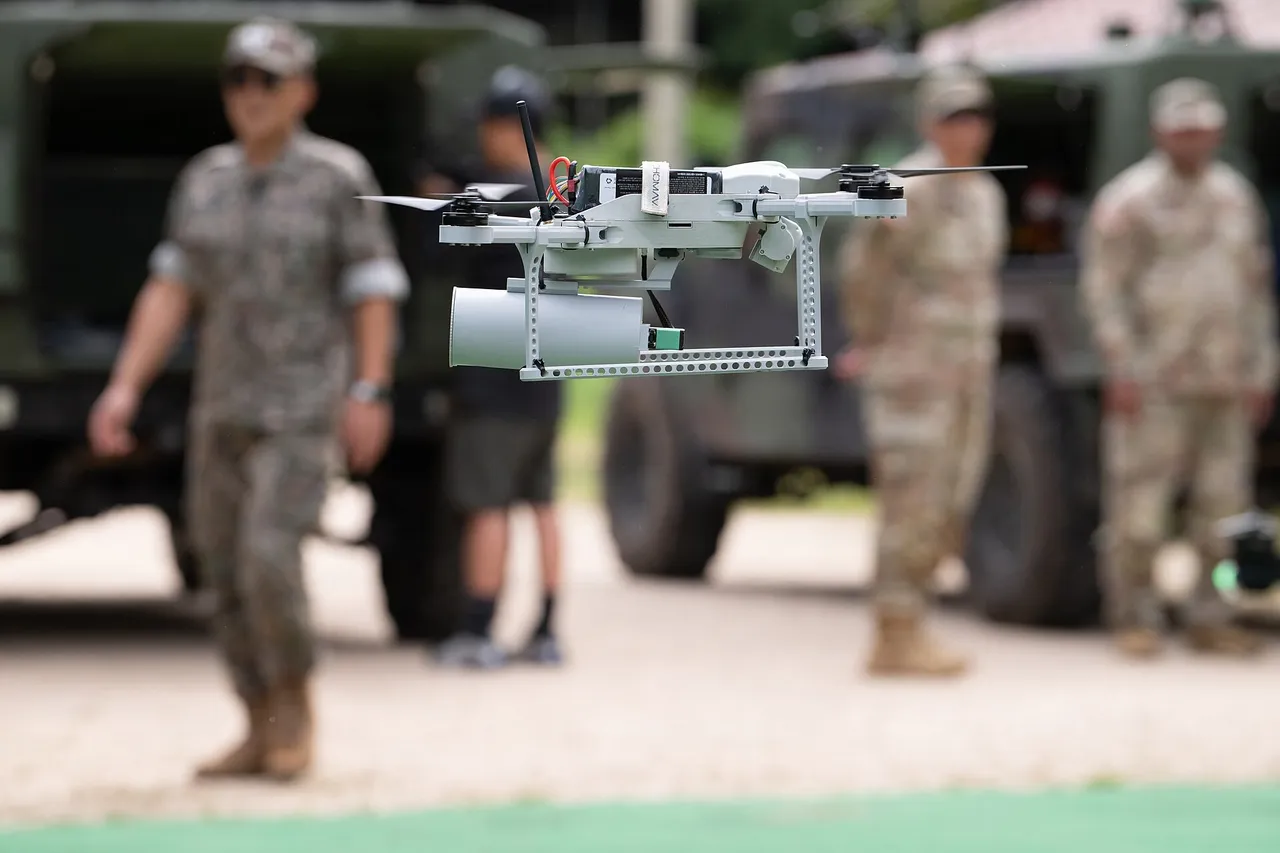
South Korea trades its drone strike command for a headquarters meant to buy drones without Chinese parts
Seoul's new Defense Drone Headquarters hands combat drone missions to the services and takes charge of concepts, testing, acquisition support and a parts certification scheme.
TaiwanDefence · 10h ago · 3 min read
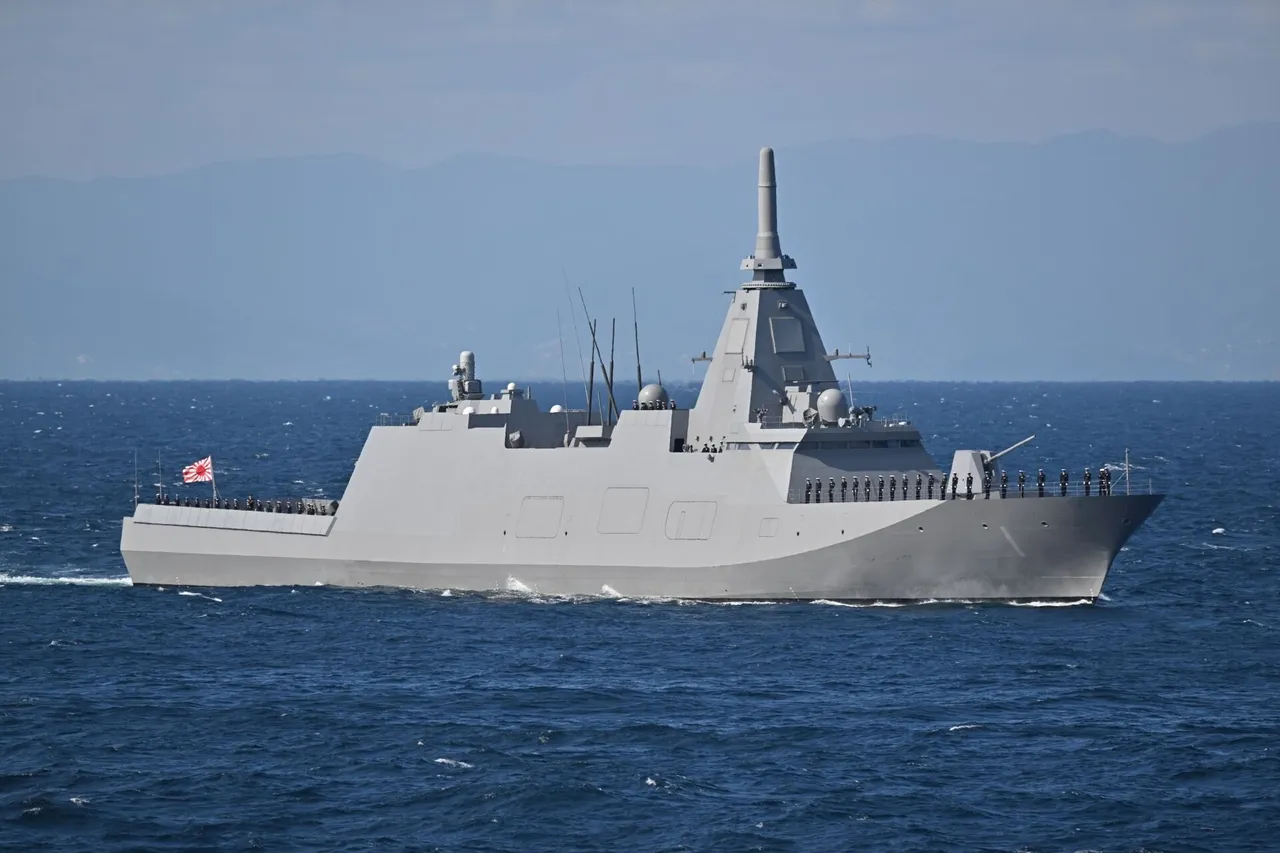
Australia's Mogami frigates and Japanese missile tests on its ranges are on track, Tokyo says
Koizumi and Marles met in Cebu on 29 October for their eighth talks and welcomed a September survey of Australian ranges for Japan's hypersonic missile.
TaiwanDefence · 5d ago · 3 min read
Discussion (0)
Comments are not currently available.