
South Korea trades its drone strike command for a headquarters meant to buy drones without Chinese parts
Seoul's new Defense Drone Headquarters hands combat drone missions to the services and takes charge of concepts, testing, acquisition support and a parts certification scheme.
TAIPEI —
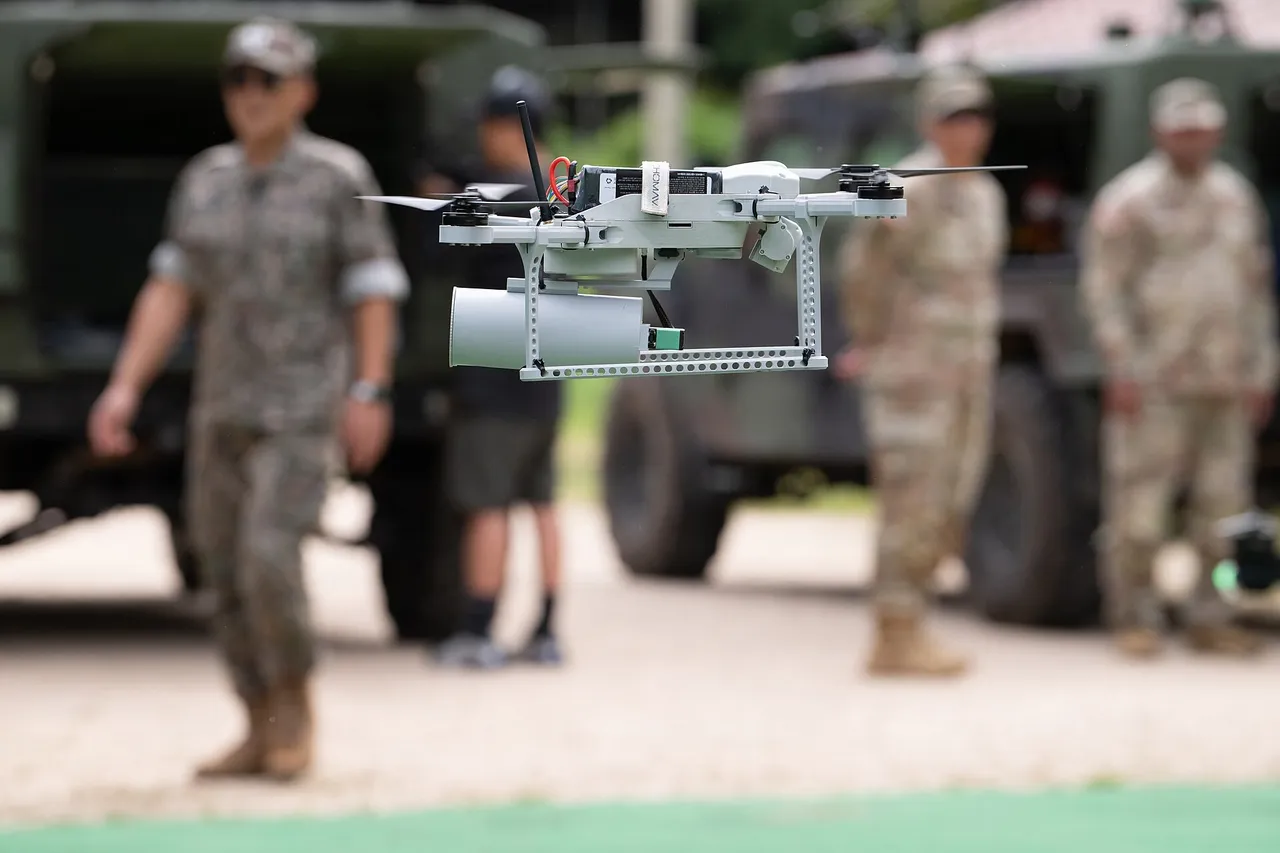
South Korea's Ministry of National Defense opened a new Defense Drone Headquarters on Monday 2 November at a ceremony in Pocheon, north of Seoul, replacing the Drone Operations Command that was set up in 2023. Vice Defence Minister Lee Doo-hee unveiled the new unit's sign, and the ministry said the change is meant to make uncrewed systems a routine tool across every branch rather than the business of one specialist command, according to the Korea Herald and the Korea JoongAng Daily.
The old command's operational units and strike and air-defence missions have been handed to the operational commands of the Army, Navy, Air Force and Marine Corps. A ministry official told the JoongAng Daily that each branch will now fly its own drones while the Joint Chiefs of Staff coordinates and controls missions. The new headquarters reports directly to the defence minister and will instead develop combat concepts, test new systems, support acquisition, set standards and certification, and work with civilian industry, including plans for counter-drone systems as well as attack drones.
It is also much smaller. The headquarters starts with about 100 personnel against roughly 280 at the former command, and the share of field-grade and other professional staff has risen from 17 percent to 50 percent, the Chosun Ilbo reported, citing the ministry. Army Brigadier General Kim Deuk-bong, a former head of the Drone Operations Command, will lead it until a two-star officer is appointed in the next round of general officer moves, the JoongAng Daily said.
Squeezing out Chinese components
One early task is a certification system modelled on the United States' Blue UAS programme, which bars components from countries regarded as security threats, chiefly China, from approved military drones. The ministry has said it will introduce a similar scheme. China accounts for more than half of the global civilian drone market, and developing domestic replacements for batteries, motors and data-link equipment remains a major hurdle, the JoongAng Daily reported.
Seoul has said it wants to field more than 20,000 low-cost expendable drones, including short-range reconnaissance and small suicide types, and to deploy the long-range Korean Low-Cost Uncrewed Combat Attack System, known as K-Lucas, by 2030. The Chosun Ilbo noted that apart from some imported suicide drones, South Korea has no domestically developed attack drone ready to deploy. The JoongAng Daily reported concern that the new body could overlap with the Defense Acquisition Program Administration, which already runs the suicide drone and K-Lucas programmes.
Pressure from the North and from test failures
The launch came four days after North Korea staged what Seoul's Unification Ministry described as its first exhibition devoted solely to drones, showing more than 30 types including first-person-view attack drones and a large stealth-shaped uncrewed aircraft. The Chosun Ilbo reported that the display on 29 October also included a suicide drone destroying a mock-up of a South Korean front-line guard post, and that leader Kim Jong Un ordered a rapid expansion of uncrewed aviation.
South Korea's own programmes have stumbled. In August a domestically developed suicide drone launched from the amphibious assault ship Marado off Busan fell into the sea seconds after take-off on two attempts, a failure the Agency for Defense Development blamed on a misaligned launch tube. At a ministry drone demonstration in Pocheon in September, six of 17 runs ran into problems, the Korea Herald reported. A Konkuk University acquisition specialist told the paper that the real test is whether industry can produce the right drones for each echelon in time and whether they can be integrated across the services.
The previous command carried political baggage. It sat at the centre of the controversy over former President Yoon Suk Yeol's December 2024 martial law declaration, and a court found in June that Yoon had ordered drones sent into Pyongyang in October 2024, the JoongAng Daily reported. The restructuring was announced by the defence ministry in June.
Sources
More in Indo-Pacific
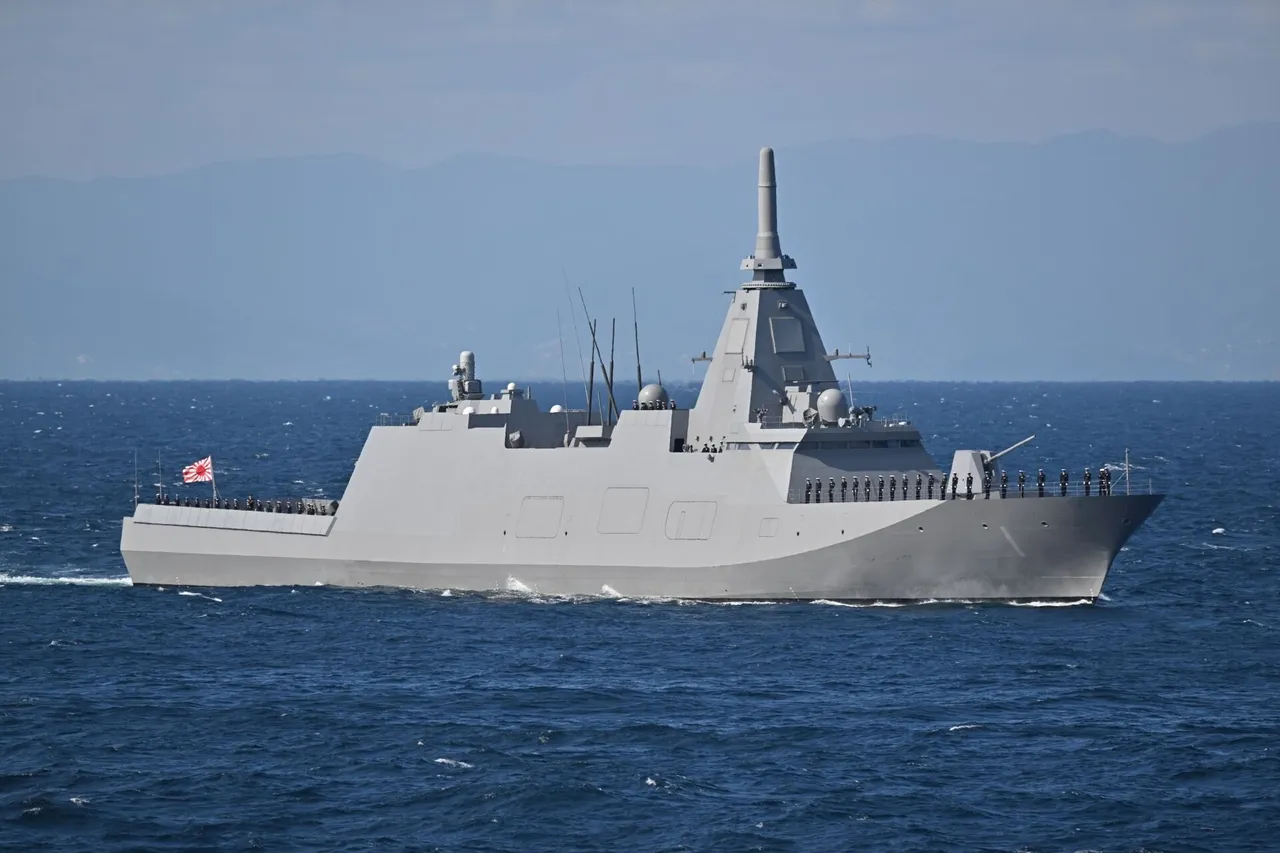
Australia's Mogami frigates and Japanese missile tests on its ranges are on track, Tokyo says
Koizumi and Marles met in Cebu on 29 October for their eighth talks and welcomed a September survey of Australian ranges for Japan's hypersonic missile.
TaiwanDefence · 5d ago · 3 min read
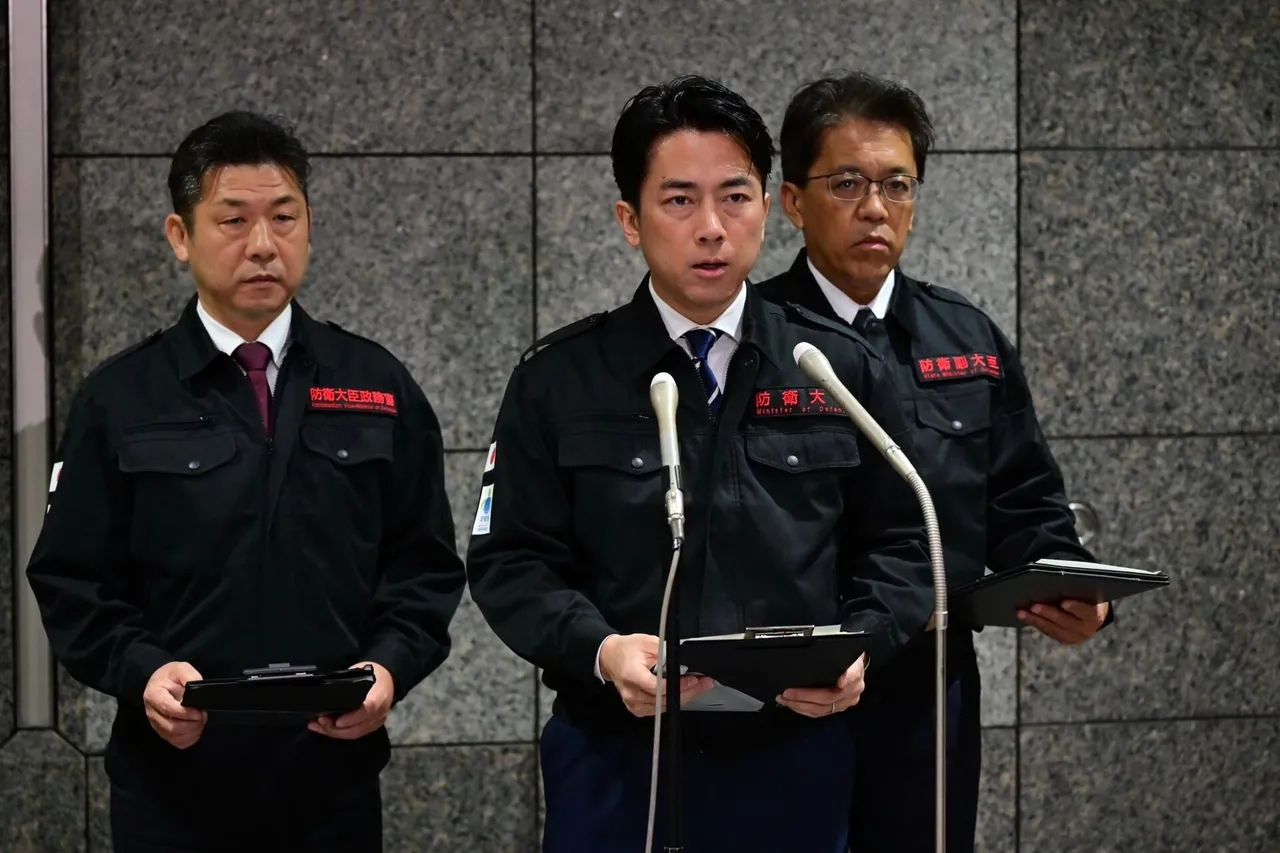
Koizumi and Kang hold first talks since the Yasukuni visit and agree to step up defence ties
Japan's and South Korea's defence ministers met in Cebu, reaffirmed three-way coordination with Washington on North Korea and flagged work on AI and drones.
TaiwanDefence · 5d ago · 3 min read
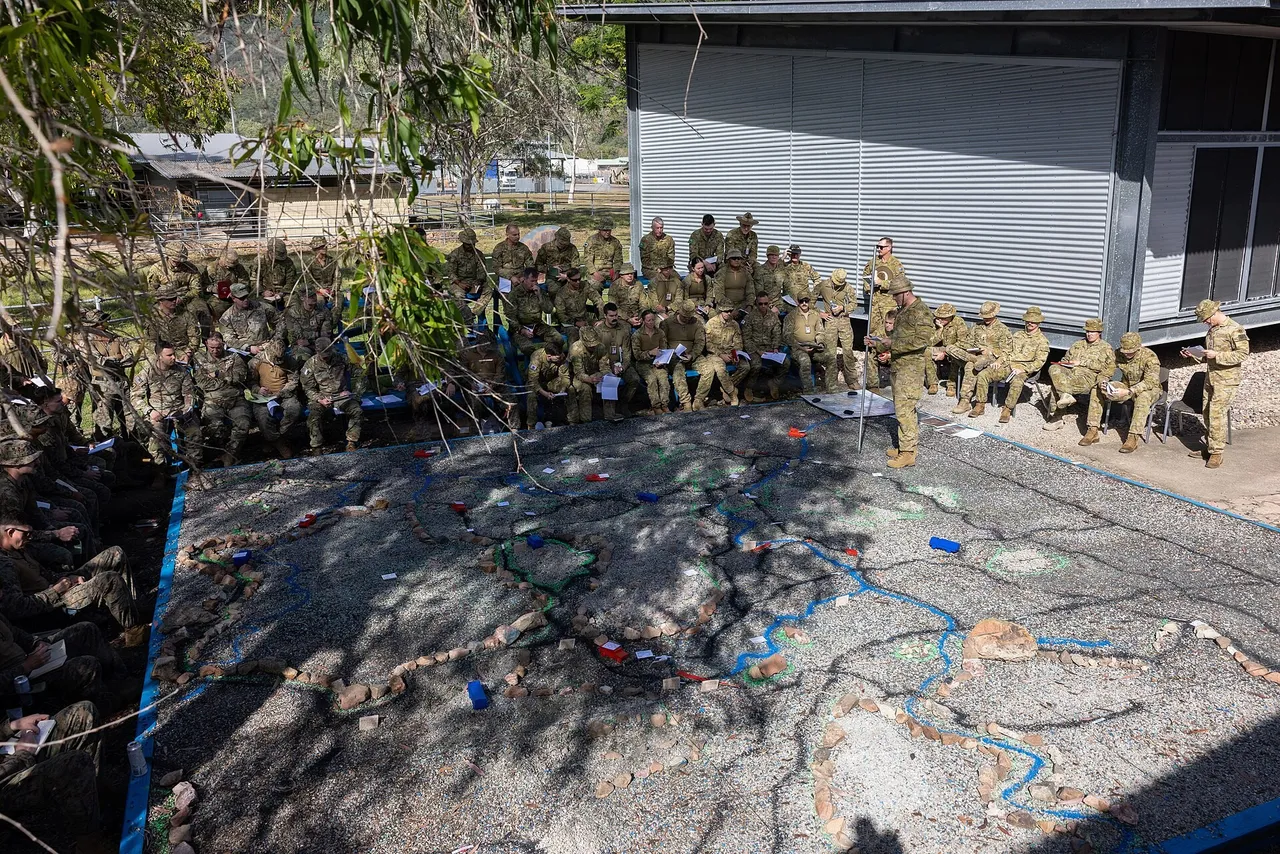
A quarter of Australia's troops are not medically cleared to deploy, defence chiefs tell senators
A Senate estimates hearing also heard that cuts to big projects cannot be ruled out, and that Defence has opened a leak inquiry into a report on those cuts.
TaiwanDefence · 5d ago · 3 min read
Discussion (0)
Comments are not currently available.