
A quarter of Australia's troops are not medically cleared to deploy, defence chiefs tell senators
A Senate estimates hearing also heard that cuts to big projects cannot be ruled out, and that Defence has opened a leak inquiry into a report on those cuts.
TAIPEI —
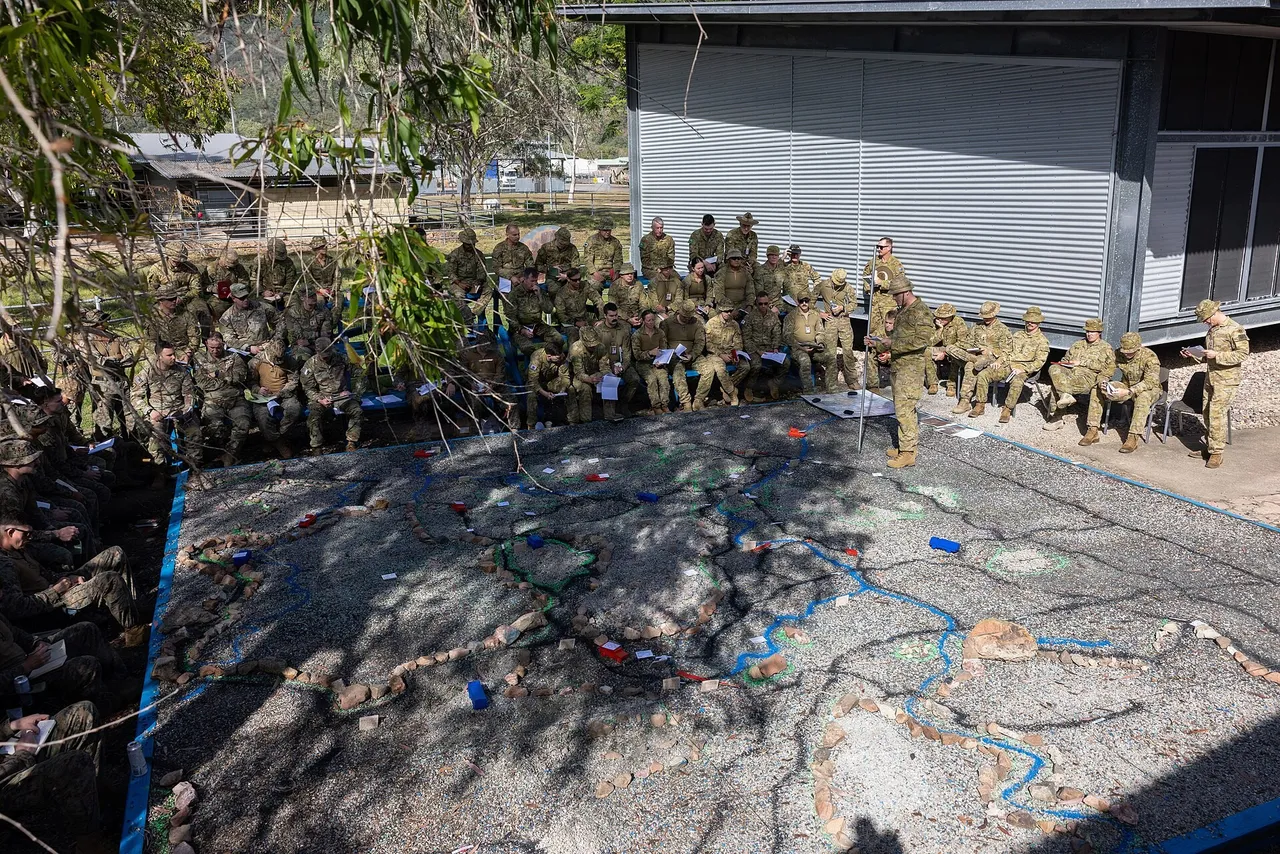
Almost a quarter of the Australian Defence Force's uniformed personnel are not in a medical category that allows them to deploy, the military's chief of personnel, Lieutenant General Natasha Fox, told a Senate estimates hearing in Canberra on Thursday 29 October, according to The Nightly.
Fox said that just over 75 per cent of the force was in a deployable military employment classification. She explained that about 13 per cent had been placed on light duties while they recover from temporary injuries, some of which need ongoing rehabilitation, and that just over 1 per cent were on a pathway out of uniform. She described most of the downgrades as temporary rather than permanent.
The figures emerged under questioning from independent senator David Pocock about the defence health services contract held by Bupa. Pocock told the committee he had been informed that a high share of units were not medically fit, and he cited one battalion in the Northern Territory where he said about 35 per cent of members were on some form of medical restriction. The Nightly also noted that the government said in September that the permanent full-time force had passed 64,000 people, its largest size in 25 years.
Project cuts not ruled out
At the same hearing, defence officials said cuts to large programmes such as the Hunter class frigates and the army's infantry fighting vehicles could not be ruled out while the department looks for budget savings. Defence Secretary Meghan Quinn said the budget is reviewed regularly, including at a monthly defence committee meeting, as part of meeting budget rules and her duties as the department's accountable officer. Earlier in the week The Nightly had reported growing concern in the defence sector that programmes could be reduced or cancelled to help pay for the AUKUS nuclear-powered submarine effort.
Quinn also confirmed that a priority investigation had begun into whether sensitive information was leaked to The Nightly for that report, after a notification of a possible breach of obligations. Under questioning from Greens senator David Shoebridge, the Chief of the Defence Force, Admiral Mark Hammond, said such inquiries are triggered automatically when someone inside the department is alleged to have leaked. The Vice Chief of the Defence Force, Robert Chipman, said the request had come from the head of force design, Major General Matt Pearce, and officials said the report contained material covered by a restricted handling arrangement for sensitive issues.
Fleet sweep completed
Hammond also told senators that an audit of the navy's entire fleet had found no further hidden recording devices after one was discovered in a women's bathroom aboard the navy ship HMAS Leeuwin while it was docked in Cairns on 11 October. He said the member allegedly responsible had been stood aside, the investigation was continuing and the ship had returned to operations. Similar checks by the army and the air force had also found no devices, with a formal report due to reach him next week.
According to Australian Associated Press, Hammond told independent senator Jacqui Lambie, who first raised the case in the Senate, that he would prefer senators to bring active investigations to him before making them public. He rejected her suggestion that sexual violence investigations should be taken out of the military's hands and said senior officers must report such allegations to him within minutes or hours.
Why it matters
The share of a force that can deploy at short notice is one of the simplest measures of readiness. Thursday's hearing put that measure on the record at a time when Canberra is trying both to grow the military and to find savings to fund AUKUS, and when officials will not exclude cuts to the frigate and armoured vehicle programmes that much of that force is meant to crew and operate.
Sources
More in Indo-Pacific
Beijing blames Manila for its low-level seat at ASEAN defence talks, and Teodoro pushes back
China's defence ministry says Philippine politicians obstructed its attendance in Cebu; Teodoro says ASEAN does not share that view and left the attache to his deputy.
TaiwanDefence · 2h ago · 3 min read
China's build-up comes with no explanation and is straining Southeast Asia, Marles says in Cebu
Australia's defence minister tied pressure on sea law and freedom of navigation to China and said the four-nation Squad agreed to coordinate defence policy more closely.
TaiwanDefence · 3h ago · 3 min read
A US Marine Reaper drone unit is now flying from Palawan, much closer to Second Thomas Shoal
USNI News says a Marine MQ-9A detachment works from Antonio Bautista Air Base, cutting flight time to South China Sea flashpoints and adding hours over target.
TaiwanDefence · 5h ago · 3 min read
Discussion (0)
Comments are not currently available.