
Lai promotes five generals and tells them to make drones the eyes of Taiwan's military
An air force officer moves up to a three-star post at the Air Combat Command as the president ties unmanned systems to logistics, readiness and care for troops.
TAIPEI —
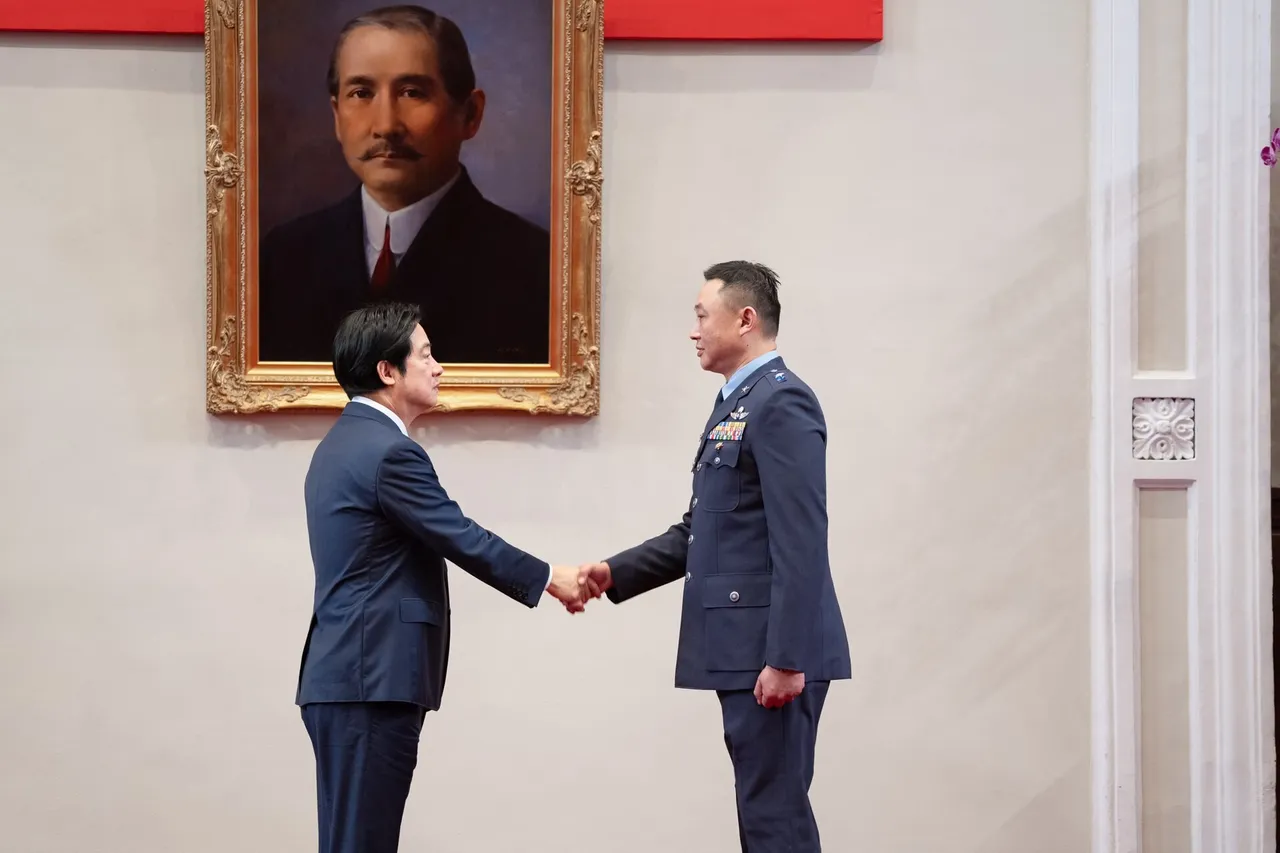
President Lai Ching-te promoted five officers to general rank at a ceremony in Taipei on Thursday 29 October and told the armed forces to use an asymmetric mindset so that unmanned systems and emerging technologies become the eyes and the innovative cutting edge of Taiwan's military, according to a Presidential Office release and a Central News Agency report.
The air force's Wu Chih-wei was promoted to lieutenant general, while Chiang Wei-hsiang, Li Ming-chin, Yu Tsung-hsueh and Liu Hsi-wan were made major generals, the news agency reported. According to the Presidential Office, the four new major generals take up posts as commander of the army's Fifth Logistics Support Command, head of the chemical corps division at army headquarters, deputy director of the defence procurement office and commander of the Marine Corps 99th Brigade. Their backgrounds span logistics support, nuclear, biological and chemical defence, procurement contract management and amphibious operations.
Lai noted that Wu had served as director of the defence ministry's operations centre, commander of the air force's Second Tactical Fighter Wing and chief of staff of the Air Combat Command. He asked Wu to strengthen command and control, situational assessment and coordination between units so that air force readiness missions are carried out more precisely and the island's air defence stays secure.
A wider air force reshuffle
The Liberty Times military news site reported that Wu, a former Mirage 2000 pilot, moves from the major general deputy commander post at the Air Combat Command to its lieutenant general deputy commander post. The paper linked the move to the retirement at the end of October of the defence ministry's inspector general, Lieutenant General Lu Chien-chung. It said Lieutenant General Tung Pei-lun, head of the air force's education, training and doctrine command, will succeed Lu, and that Lieutenant General Chen Shih-hui will move from the Air Combat Command to lead the training command.
According to the same report, the Air Combat Command oversees the fighter wings as well as the air control, communications and weather wings. It is one of only three commands in the armed forces, alongside the army's Sixth Army Corps and the navy's Fleet Command, where one of the two deputy commander posts carries three-star rank. Wu previously commanded the Hsinchu-based Second Wing, which guards the airspace over northern Taiwan.
Drones, logistics and people
In his remarks, Lai said that in the face of expanding authoritarianism and grey-zone intrusions the military must keep moving towards new training, new thinking, new equipment and new technology, and that commanders must turn force-building goals into concrete daily actions. He said training should start from the overall defence mission so that troops from different services and specialities practise working together in exercises, and that shortcomings found in drills must be tracked and fixed in later training.
He added that bringing in new technology and equipment has to go together with logistics supply, equipment readiness, upkeep of command, control and communications links, and cyber security, with proper regard for the workload on junior personnel. However advanced the equipment, he said, combat power ultimately depends on people, and he urged senior officers to lead with a people-first approach that looks after the training needs, welfare and careers of rank-and-file troops.
Presidential Office Secretary-General Pan Men-an, National Security Council Secretary-General Joseph Wu, Defence Minister Wellington Koo and Chief of the General Staff Mei Chia-shu attended the ceremony, along with the commanders of the army, navy and air force, the Presidential Office said.
Why it matters
Promotion ceremonies are a regular event, but they give the president a direct platform to set out command priorities to newly appointed generals. Thursday's appointments place officers with logistics, chemical defence, procurement and amphibious backgrounds in posts that support front-line units, and Lai used the occasion to tie the push for unmanned systems to the less visible work of maintenance, supply, network upkeep and personnel care that determines whether new equipment adds real combat power.
Sources
More in Cross-Strait
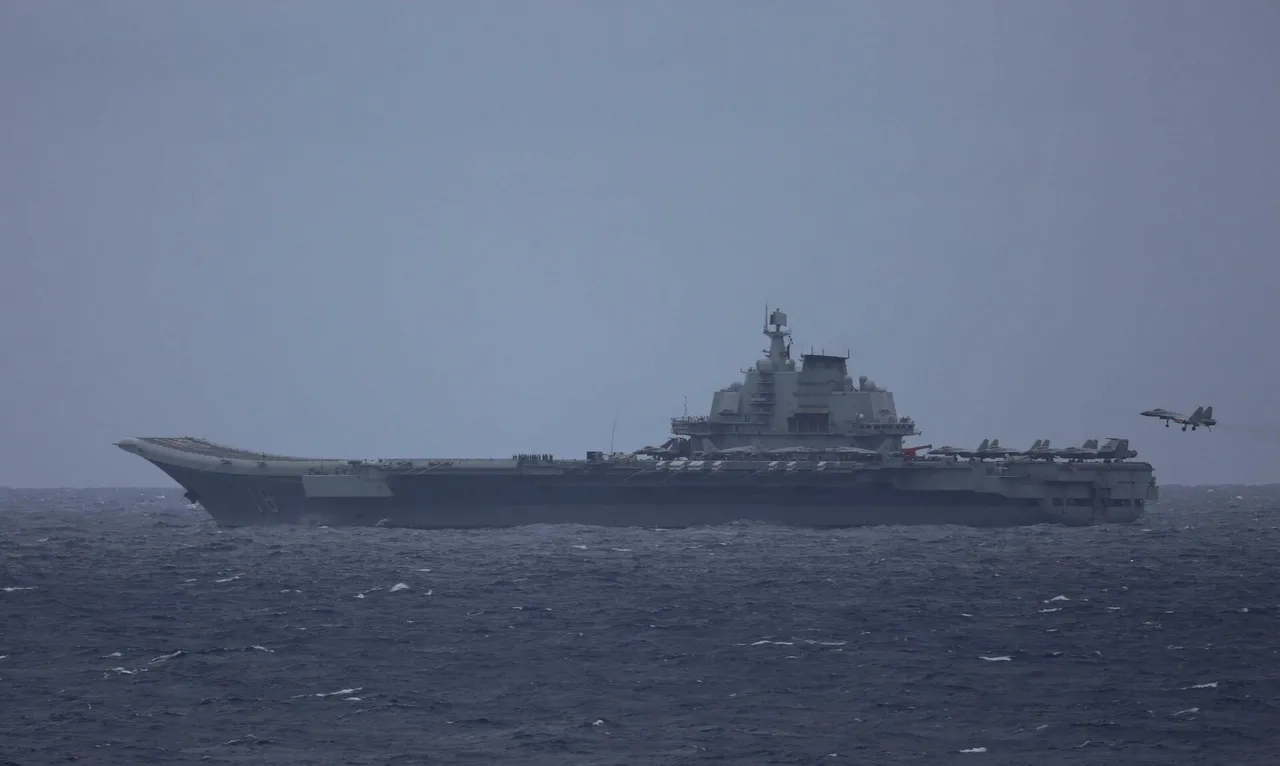
Taiwan says China has sent more than 50 warships and coast guard ships across the first island chain
National Security Council chief Joseph Wu says several PLA Navy formations, including the Liaoning carrier group, are training east of the first island chain.
TaiwanDefence · 22h ago · 2 min read
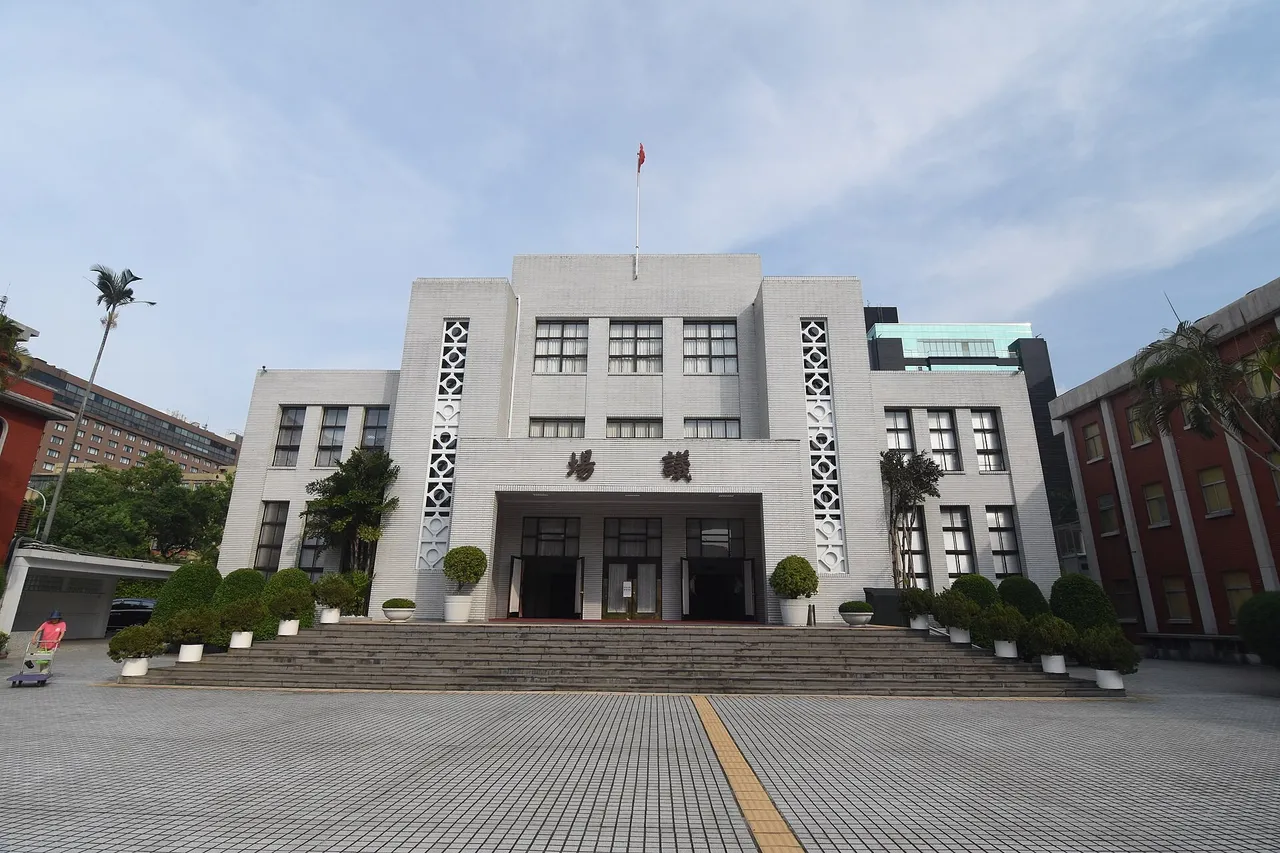
Taiwan's legislature starts its review of a 2027 budget with NT$1.12 trillion for defence
Lawmakers sent the 2027 spending plan to committees after Premier Cho Jung-tai's report, a year after the 2026 budget took 351 days to pass.
TaiwanDefence · 2d ago · 2 min read
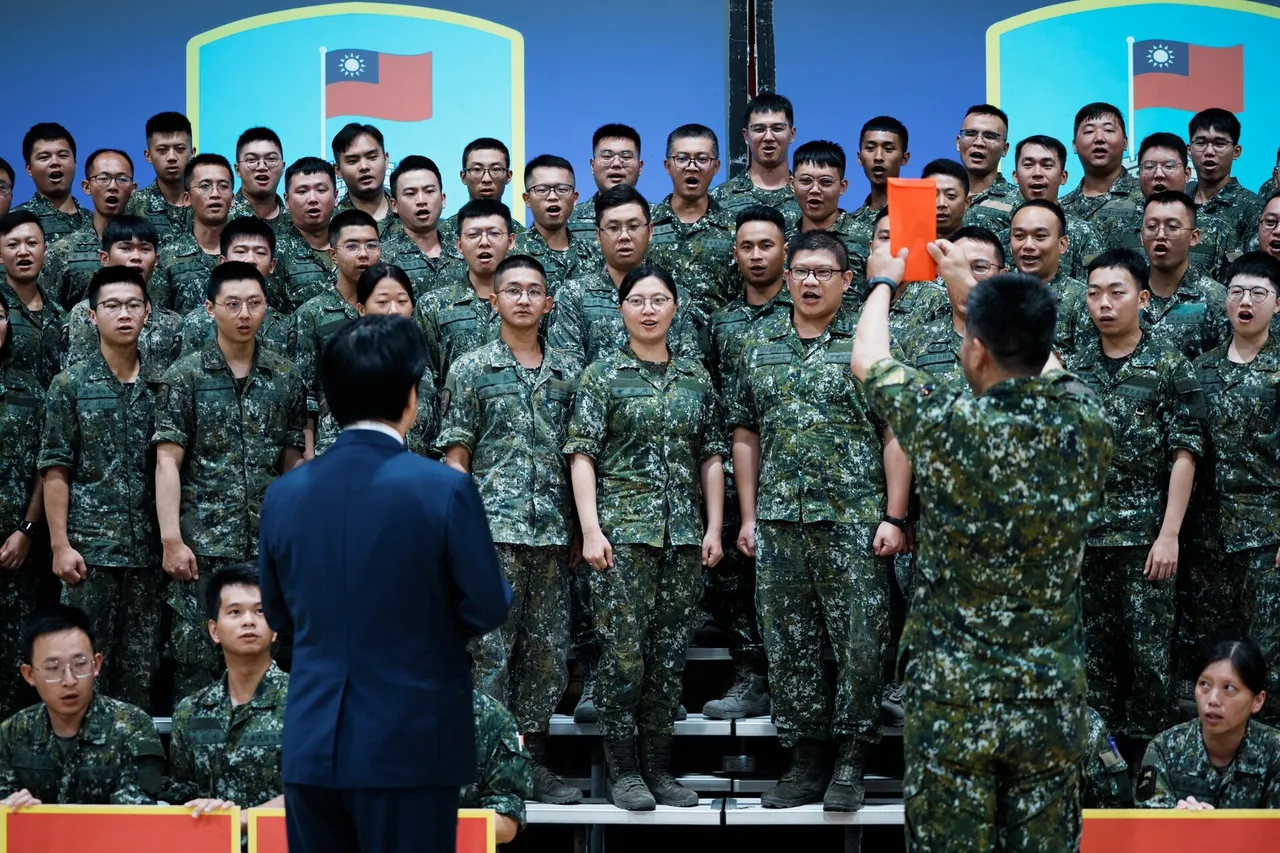
Taiwan says about 4% of its troops still get no extra pay after the new combat allowance
Defence Minister Wellington Koo says most of those left out are staff officers at corps-level and higher commands, a posting he calls essential to their careers.
TaiwanDefence · 2d ago · 3 min read
Discussion (0)
Comments are not currently available.