
Taiwan's legislature starts its review of a 2027 budget with NT$1.12 trillion for defence
Lawmakers sent the 2027 spending plan to committees after Premier Cho Jung-tai's report, a year after the 2026 budget took 351 days to pass.
TAIPEI —
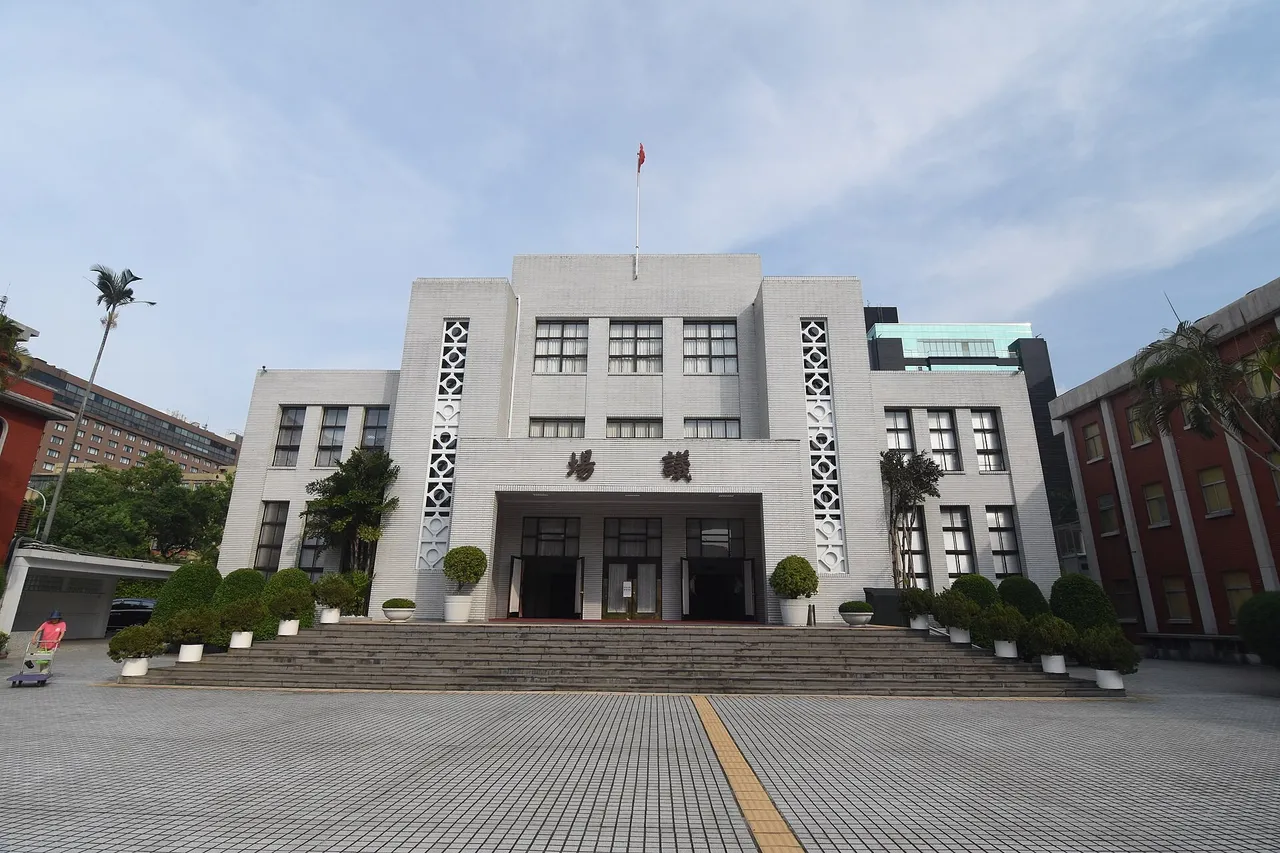
Taiwan's Legislative Yuan on 27 October sent the government's 2027 central budget, which sets aside NT$1.1225 trillion for defence, to its committees for detailed review. Speaker Han Kuo-yu announced the referral after Premier Cho Jung-tai presented the budget to a plenary session and answered questions from lawmakers, the Liberty Times reported.
Cho told the chamber that defence spending, counted under NATO's definition, would stay above 3% of gross domestic product. He said the defence ministry's budget had been drawn up with reference to that standard.
Across the whole government, the cabinet plans revenue and spending of NT$3.9266 trillion each in 2027, with spending up 31.5% on this year, Cho said according to the Central News Agency. He urged lawmakers to pass the budget quickly so the government could keep Taiwan's technology lead and safeguard national security.
Where the defence money goes
When the cabinet approved the budget on 20 August, officials said the defence total combines NT$691.9 billion for the defence ministry, NT$103.8 billion in retirement payments for veterans, NT$27.3 billion for the Coast Guard Administration, NT$238.8 billion in special budgets and NT$60.7 billion in non-operating special funds. That is NT$173 billion more than this year, the Liberty Times reported at the time.
The defence ministry's own budget grows by 23.2%. Military investment, driven by payment schedules for arms purchases, rises by NT$97.5 billion to NT$259.1 billion. Operating costs, which cover ammunition and spare parts, reach NT$224.7 billion, and personnel costs reach NT$208.1 billion as the number of volunteer recruits grows.
The share of the economy depends on the yardstick. Officials put the total at 3.93% of GDP using the forecast published in August 2025, and at 3.01% using the newer 2027 forecast of NT$37.3 trillion.
Lieutenant General Hsieh Chi-hsien, head of the defence ministry's comptroller bureau, said in August that the special arms budget passed by the legislature kept 10 of the 23 programmes the ministry had sought. Three more were moved under a separate act for uncrewed vehicles, and the remaining 10, including the locally built Strong Bow missile, were to be added to a supplementary budget for 2026.
A slow record and a pay dispute
The referral opens what turned into a drawn-out process last year. The cabinet sent the 2026 budget to the legislature in late August 2025, but lawmakers did not pass it until 14 August this year, 351 days later, the Liberty Times noted.
Military pay also came up during questioning. Kuomintang legislator Chang Chih-lun said Cho had promised on 15 April to propose remedies within six months for military pay, police and firefighter allowances and halted pension cuts, but had delivered only a written report. Cho replied that the cabinet sent its full proposal to the legislature on 24 September and would negotiate as soon as lawmakers reached a consensus, the United Daily News reported.
In his report, Cho listed recent pay measures for the armed forces, including higher service and combat allowances for volunteer troops, and said civil servants and military personnel would receive a general 4% pay rise in 2027, according to the Central News Agency.
The committees will now examine each ministry's request, including the defence ministry's, under a schedule set by the legislature's finance committee before the budget returns to the full chamber.
Sources
More in Cross-Strait
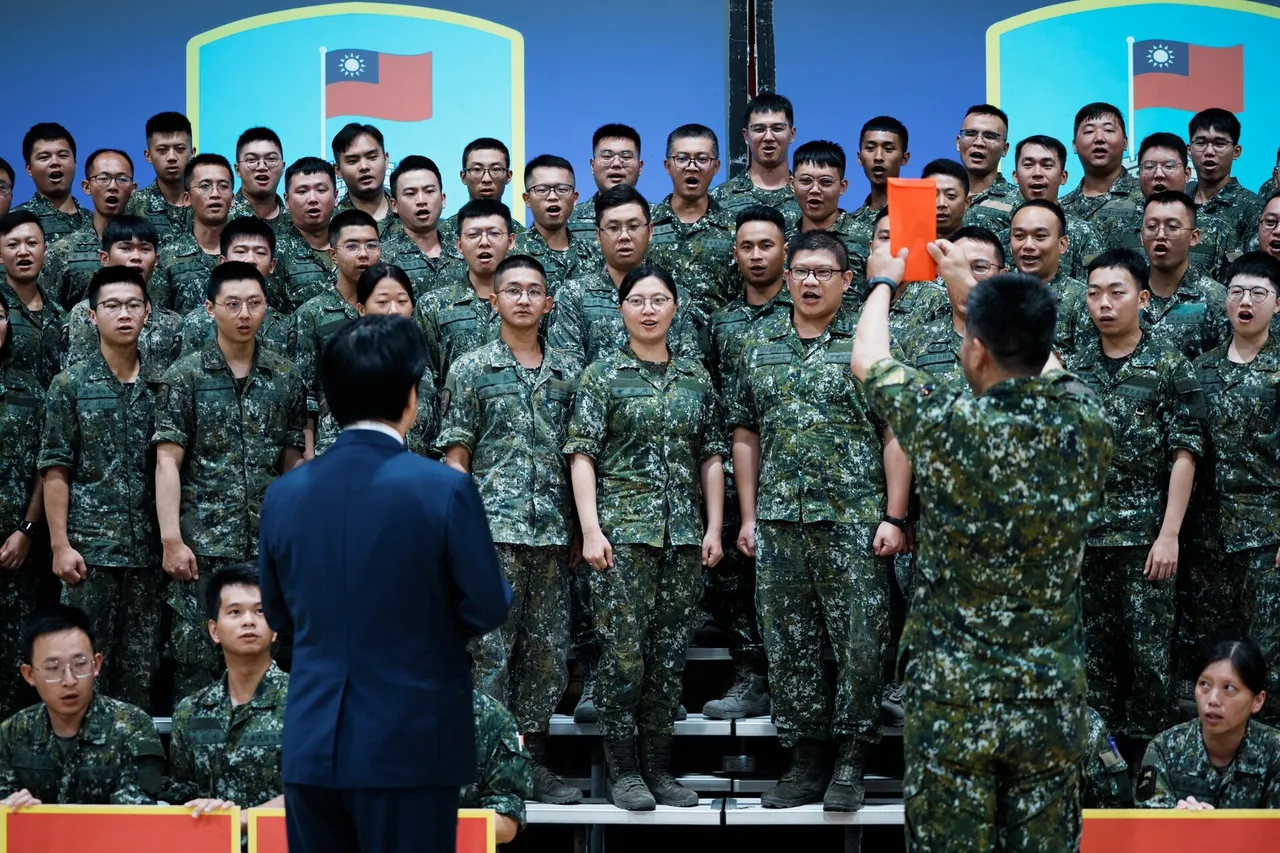
Taiwan says about 4% of its troops still get no extra pay after the new combat allowance
Defence Minister Wellington Koo says most of those left out are staff officers at corps-level and higher commands, a posting he calls essential to their careers.
TaiwanDefence · 8h ago · 3 min read
China opens a party plenum as a think tank finds 42 of 44 PLA Central Committee members purged or missing
Xi Jinping opened the four-day meeting with the military commission cut to two members, and observers are watching whether he refills China's high command.
TaiwanDefence · 1d ago · 3 min read
PLA Daily tells Chinese troops to be ready for a major Taiwan independence incident
The Chinese military's newspaper used Taiwan's Retrocession Day to urge readiness for war, citing Koxinga's 1661 landing and a general's study of Normandy.
TaiwanDefence · 2d ago · 3 min read
Discussion (0)
Comments are not currently available.