
US Air Force puts ARRW, its first hypersonic missile, into production with a $694 million order
Lockheed Martin will build the B-52-launched boost-glide weapon, tested from Guam in 2024, three years after the service said it would buy none.
TAIPEI —
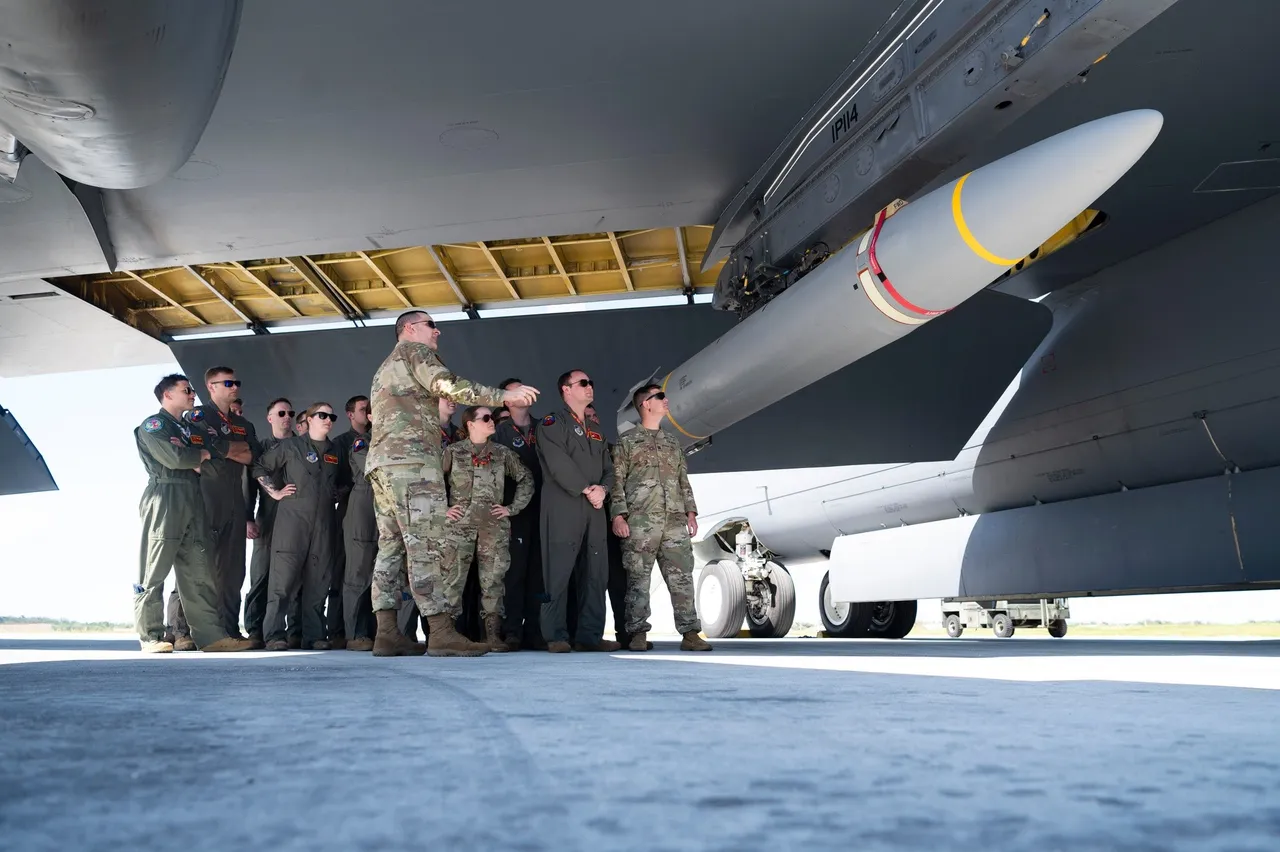
The US Air Force has moved its first hypersonic missile into production, awarding Lockheed Martin a $694 million contract to build and field the AGM-183A Air-Launched Rapid Response Weapon, known as ARRW. The service announced the award on 26 October, although the contract itself was signed on 29 September, according to the Air Force and Stars and Stripes.
The decision formally ends the prototyping and flight-test phase of the programme and starts the purchase of operational missiles. The Air Force declined to say how many missiles it has ordered or when they must be delivered, citing operational security. Air & Space Forces Magazine reported that the quantities are classed as controlled unclassified information and are not released to the public. The contract was placed under a department-wide agile acquisition arrangement, the Air Force said.
ARRW is a boost-glide weapon. A solid-fuel rocket booster accelerates it to more than five times the speed of sound before releasing a glide vehicle that manoeuvres towards its target, and the warhead relies on the energy of impact rather than explosives. Stars and Stripes, citing the Air Force, put its range at about 1,000 miles. The missile is too large for most fighter jets and will first be carried by the B-52 bomber, while the B-1 also features in testing, according to the two publications.
Air Force Secretary Troy Meink called the award a turning point in the service's plans for advanced weapons and said it would give combatant commanders a fast strike weapon able to get through the most advanced anti-access and area-denial defences. The Chief of Staff, Gen. Ken Wilsbach, said the missile would add a flexible rapid-response option for heavily contested environments. Neither statement named a potential adversary.
A programme that nearly ended
Lockheed began work on ARRW in 2018 under a design contract worth up to $480 million, building on earlier hypersonic research with the X-51. Captive-carry flights under a B-52 began in 2019. The first launch attempt, in April 2021, failed, and two more failures followed before the first successful test in May 2022, Air & Space Forces Magazine reported.
Funding then dried up. Congress removed money for 12 missiles from the 2022 budget plan, the Air Force requested nothing for 2023, and in March 2023 the service's top acquisition official, Andrew Hunter, told lawmakers it did not plan to buy the weapon once testing ended. The position was reversed in 2025, when the then chief of staff, Gen. David Allvin, told Congress the Air Force would buy ARRW after all. The 2026 budget set aside $362 million for the purchase.
The Air Force has asked for a further $452 million for ARRW production in its 2027 budget, which is stalled in Congress while the Pentagon operates under a continuing resolution at 2026 funding levels. Its five-year spending plan projects between $556 million and $621 million a year for procurement from 2028 to 2031, the magazine reported.
Tested in the western Pacific
The weapon's last end-to-end flight test took place in the western Pacific. In March 2024 a B-52H based at Andersen Air Force Base on Guam launched a full prototype ARRW over the Reagan test site on Kwajalein Atoll in the Marshall Islands, Stars and Stripes reported at the time. The Air Force did not release the test objectives. Bomber crews had held hypersonic weapon familiarisation training at Andersen in late February 2024.
The Air Force has not said where the production missiles will be based or which bomber units will receive them first. When the Guam-launched test was reported, Stars and Stripes noted that China and Russia had already fielded hypersonic weapons that fly at five times the speed of sound and manoeuvre in flight, which makes them harder to detect and shoot down.
Sources
More in Industry
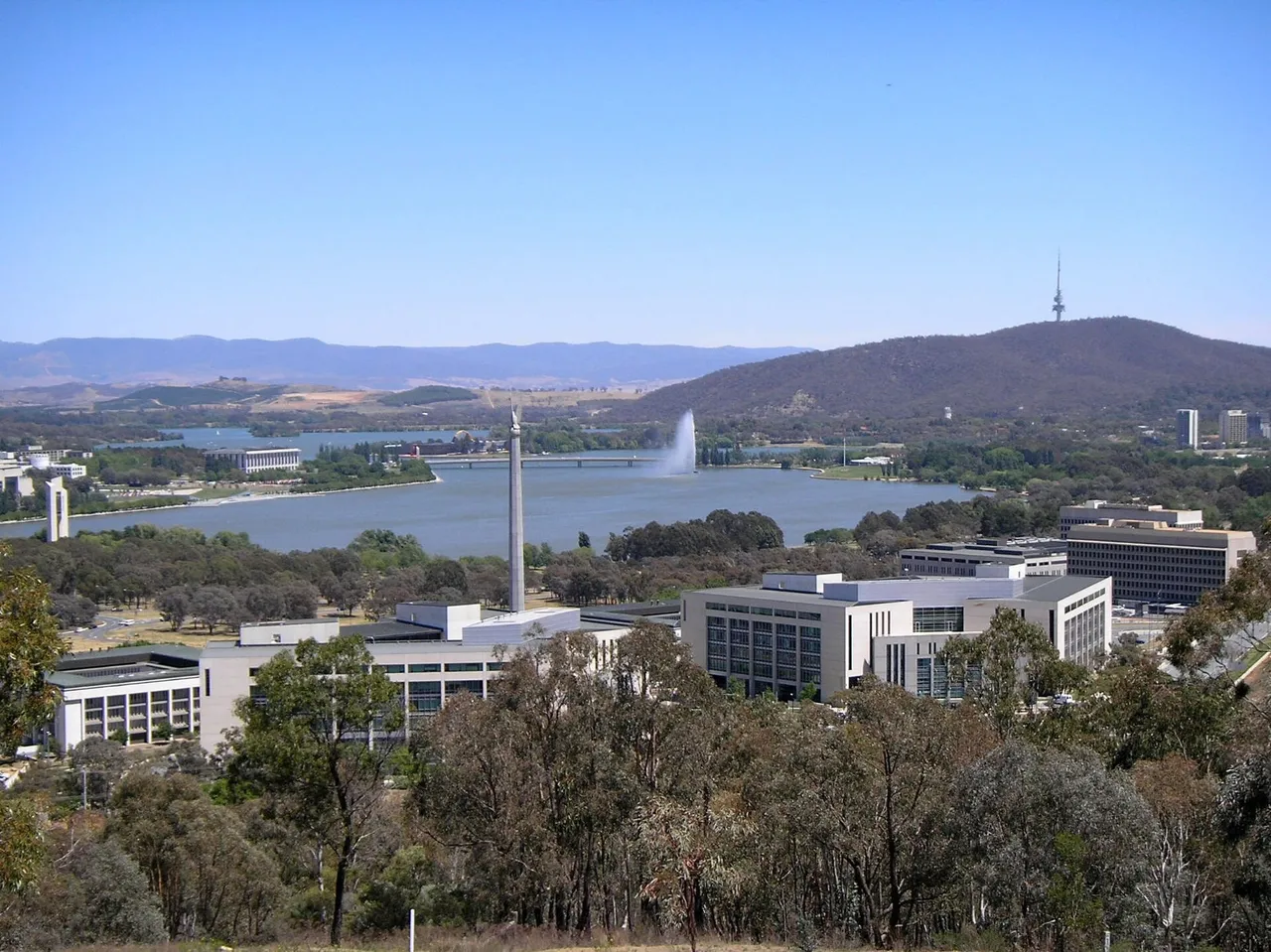
Australia picks former Rio Tinto boss Kellie Parker to run its new defence delivery agency
The former mining executive is set to become National Armaments Director, overseeing shipbuilding, guided weapons and armoured vehicle projects, reports say.
TaiwanDefence · 16h ago · 2 min read

Japan and Finland sign a pact to transfer defence equipment and develop weapons together
The agreement sets rules for moving military kit and technology between the two countries and opens the door to joint research and production.
TaiwanDefence · 19h ago · 2 min read
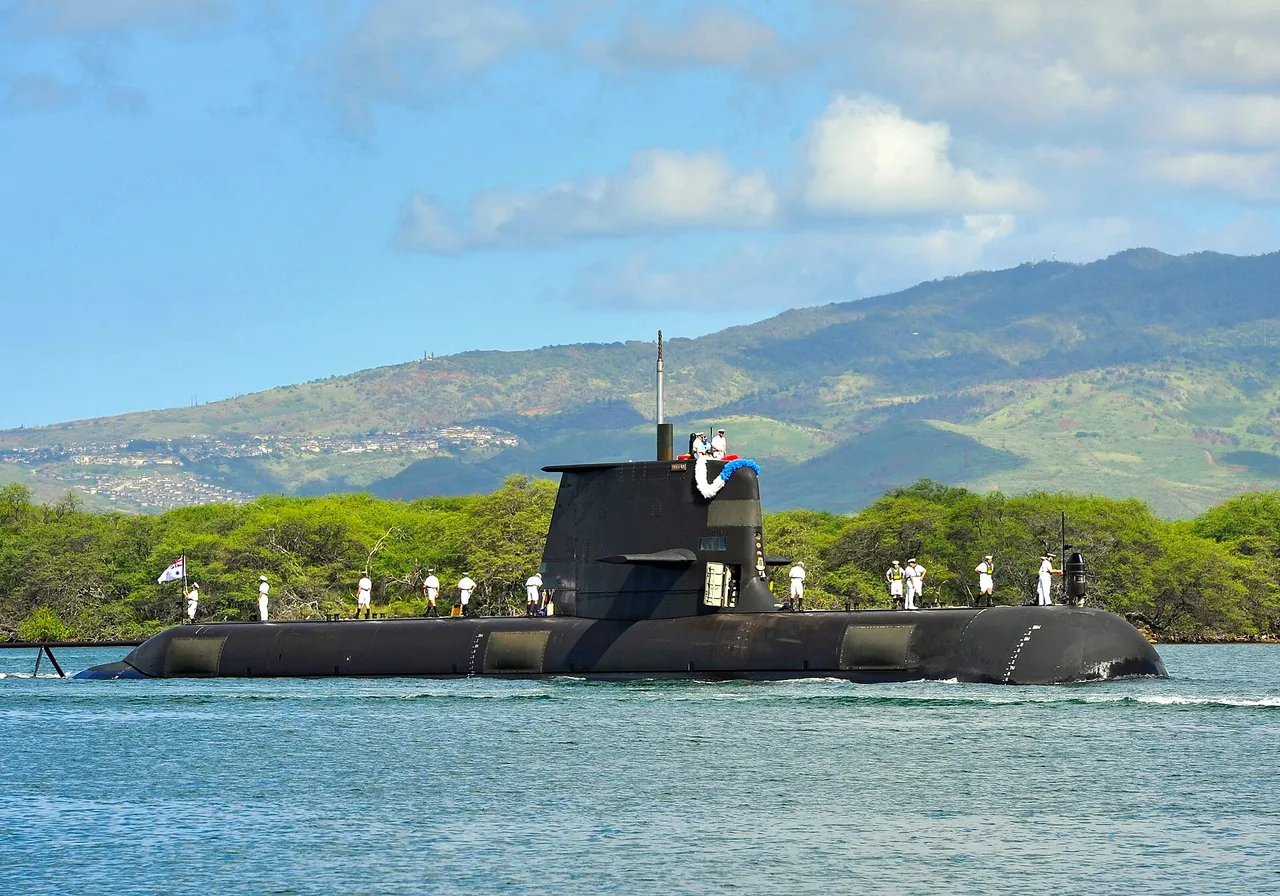
Australia opens a towed array sonar factory in Western Sydney for Hunter frigates and Collins submarines
Defence Industry Minister Pat Conroy opened a co-funded Thales hall at Rydalmere that will build and maintain towed sonar arrays for Australian warships and submarines.
TaiwanDefence · 23h ago · 3 min read
Discussion (0)
Comments are not currently available.