
Japanese lawmakers back higher base pay for every SDF rank as recruiting stays short
A bill raising Self-Defense Forces salaries and adding a new relocation allowance cleared a lower house committee unanimously and heads to a plenary vote.
TAIPEI —
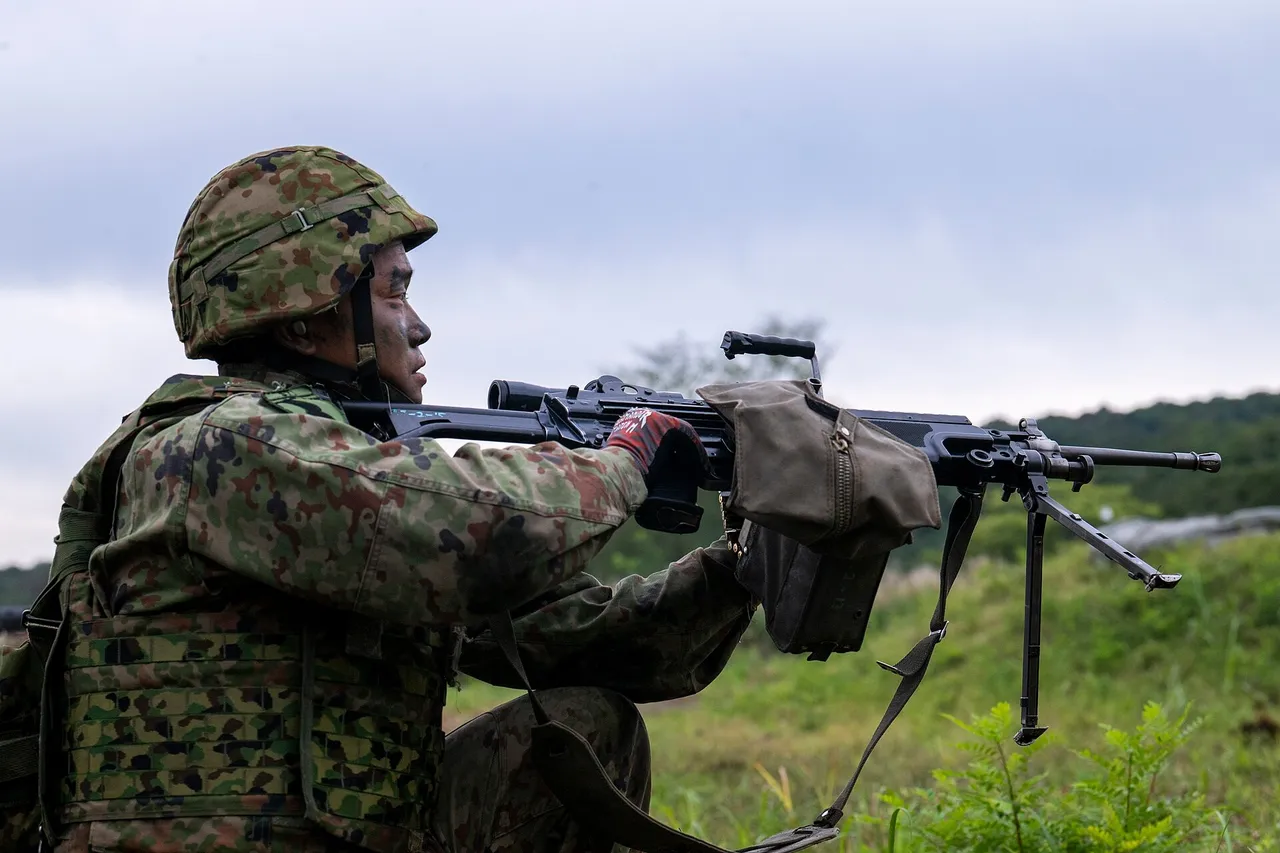
A bill to raise the base pay of uniformed members of Japan's Self-Defense Forces in every age group passed the House of Representatives security committee unanimously on 27 October, TBS News reported. The government hopes the increase, together with a separate overhaul of the forces' own salary scale planned for next year, will help ease a shortage of people willing to join, the broadcaster said. A vote in a plenary session of the lower house is expected as early as this week.
Under the amendment to the law on the pay of Ministry of Defense personnel, the monthly salary of a private second class recruited straight from high school rises by 10,800 yen to 250,300 yen. A general officer candidate, the entry grade for university graduates, would receive 299,600 yen, up 11,300 yen. The ministry's outline of the bill puts the average rise in monthly pay for uniformed members at about 3.4 percent. If the bill becomes law, the new rates will be paid retroactively from 1 April, which TBS said would bring SDF pay roughly level with private-sector salaries.
The bill also lifts annual bonuses for uniformed members and ministry civilian staff from 4.65 to 4.70 months of salary, starting with the December 2026 payment. Students at the National Defense Academy and the National Defense Medical College would see their monthly allowance rise from 161,000 yen to 165,400 yen, and students at the Ground Self-Defense Force High Technical School from 147,700 yen to 152,000 yen, according to the ministry.
Help with frequent moves
Because SDF members are frequently transferred around the country, the bill creates a new relocation allowance for personnel who must move house for a posting, whether they move alone or with their families. The ministry says that part takes effect in April 2027. It follows a recommendation the National Personnel Authority made for national civil servants in August, which sets the monthly amount by distance and pays it for three years after a transfer.
Under that recommendation, staff who take up a posting while living apart from their families would receive between 11,000 yen a month for a move of 60 to 100 kilometres and 105,000 yen for a move of 2,500 kilometres or more. Those who move with their households would receive between 6,000 and 43,000 yen. The authority also raised its wide-area transfer allowance from April 2026, from 5 to 8 percent for moves of 60 to 300 kilometres and from 10 to 16 percent for longer moves, and the ministry outline lists that higher rate among the changes that apply to defence personnel.
Part of a wider push on conditions
Defence Minister Shinjiro Koizumi told the committee when deliberations opened on 23 October that the pay increase reflects the intent of the personnel authority's recommendation. After the vote, he said he wanted to build an environment in which each member could carry out their duties at the ministry and in the forces with a more positive outlook, according to TBS.
The bill is one piece of a broader package. In a ministry pamphlet on personnel treatment published in July, Koizumi said the ministry had set aside 581.4 billion yen in the fiscal 2026 budget to strengthen its human foundation, and that the first revision of the SDF's own salary structure since the forces were created would be brought forward to fiscal 2027. He also listed plans to raise the benefit paid to members who leave under the early retirement system and to expand re-employment support.
TBS said the shortage of new recruits has become a serious problem for the forces, and the government is presenting the pay rise and the separate salary reform together as steps to close that gap.
Sources
More in Indo-Pacific
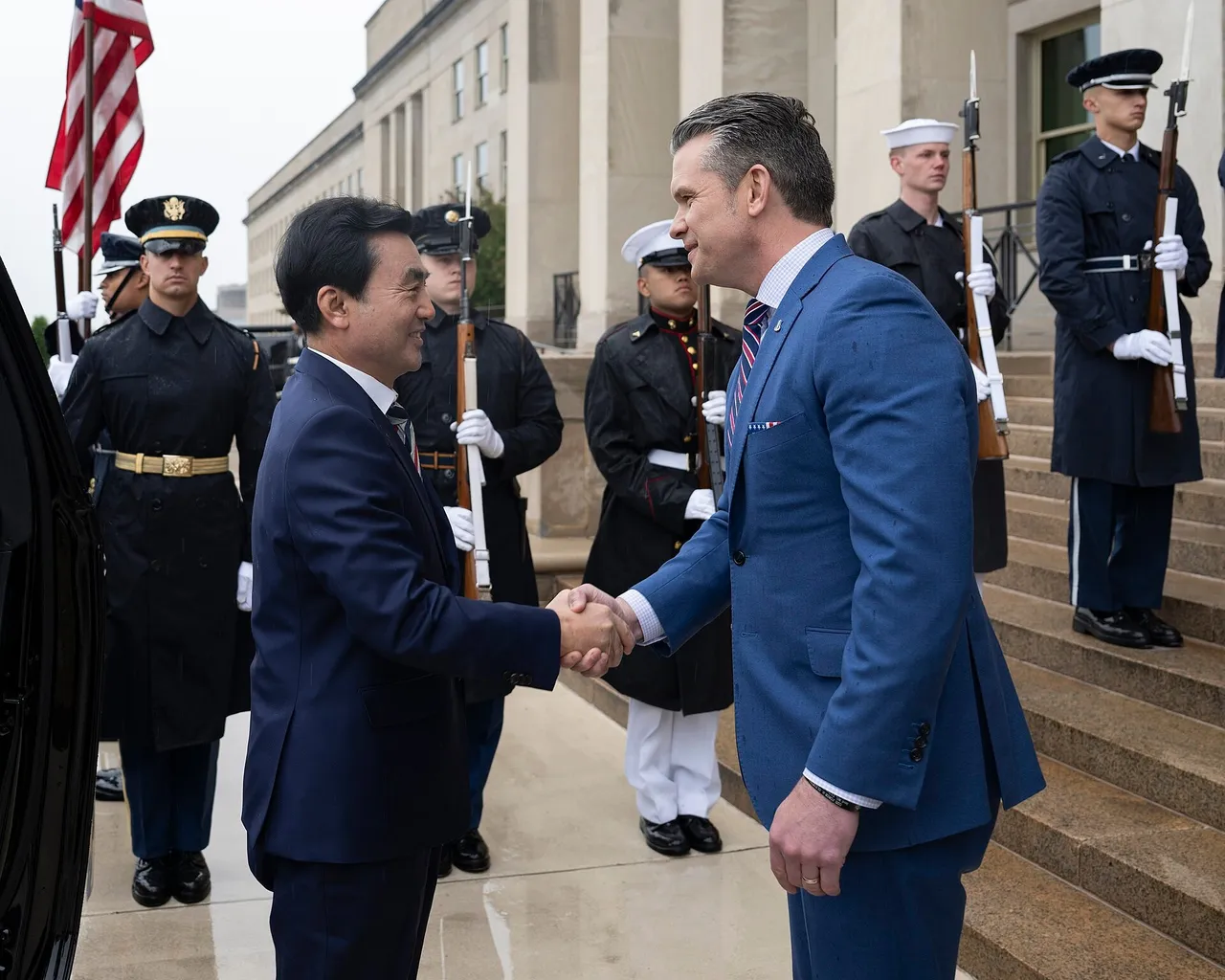
South Korea's defence minister heads to Cebu for a first meeting with Hegseth after 36 days without a call
Kang Shin-chul will attend the ADMM-Plus talks on 29 October, where Seoul is arranging his first face-to-face session with the US defence chief amid an OPCON rift.
TaiwanDefence · 2h ago · 3 min read
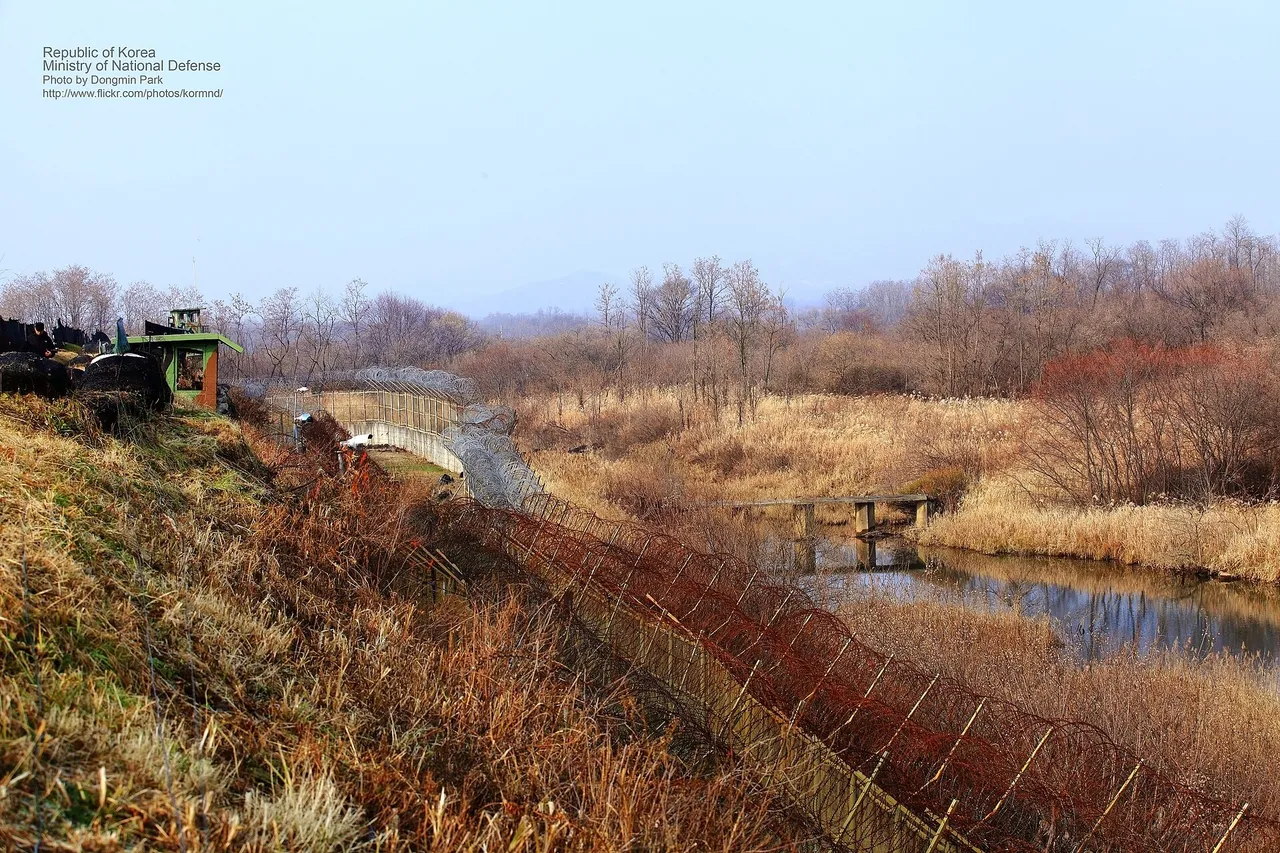
North Korea parks self-propelled howitzers in plain view of South Korea's Gimpo border lookout
Guns presumed to be 122mm self-propelled artillery appeared on the Kaepung coast with barrels toward the South, as Pyongyang took its DMZ row to the UN.
TaiwanDefence · 3h ago · 3 min read
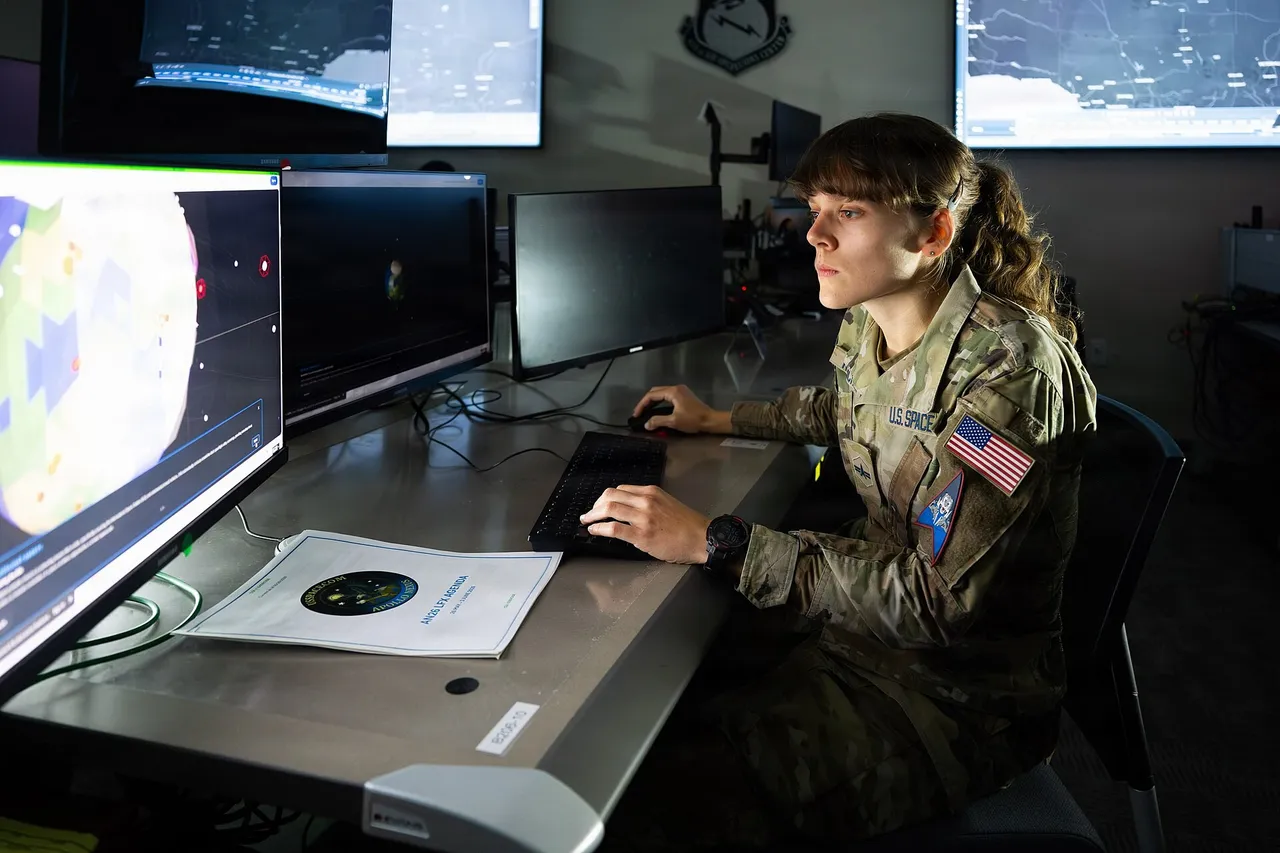
US intelligence says China may put directed-energy weapons in orbit by the late 2020s
The Defense Intelligence Agency's 2026 space threat report says China's 510-plus spy satellites can help track US and allied forces around Taiwan.
TaiwanDefence · 4h ago · 3 min read
Discussion (0)
Comments are not currently available.