
North Korea parks self-propelled howitzers in plain view of South Korea's Gimpo border lookout
Guns presumed to be 122mm self-propelled artillery appeared on the Kaepung coast with barrels toward the South, as Pyongyang took its DMZ row to the UN.
TAIPEI —
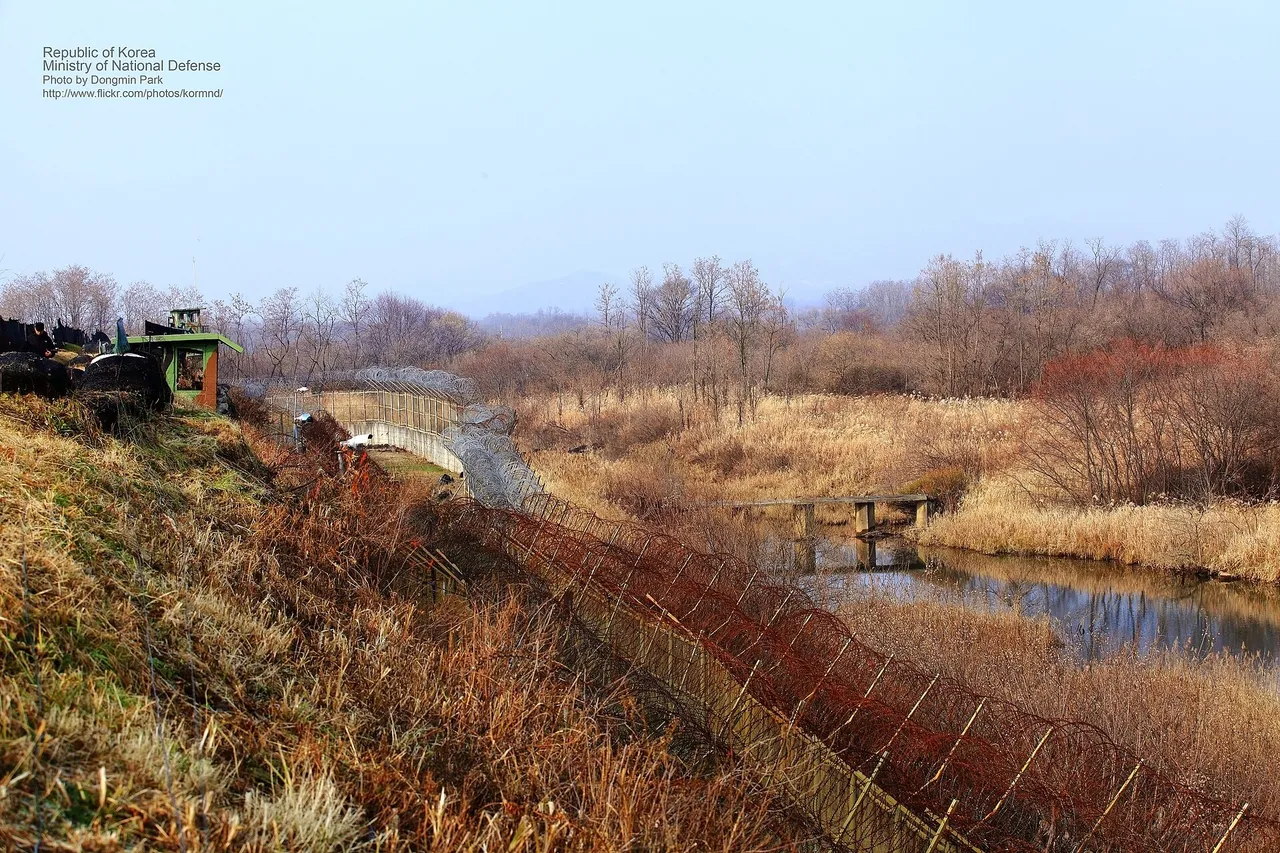
North Korean self-propelled artillery has been deployed close enough to the western front line to be photographed from South Korea, in what analysts called an unusual show of force. Yonhap News Agency photographed the guns on the morning of 25 October from the Aegibong observatory in Gimpo, west of Seoul, positioned on the coast of Kaepung County in North Korea's Hwanghae region, about 1.5 kilometres away.
Yonhap said the weapons were presumed to be 122mm self-propelled guns, a main artillery system that North Korea fields in large numbers along the front, with an estimated range of 15 to 24 kilometres. A slogan calling for the destruction of the United States was painted on the armour, and several North Korean soldiers near the guns were seen raising and lowering red flags as if in a drill. SBS reported that the guns were seen again on 26 October.
A Reuters witness at the observatory on 26 October confirmed that an artillery piece was sitting in clear view near the frontier, CNA reported. Reuters also saw three North Korean armoured vehicles with their barrels pointed south and about 20 to 30 soldiers carrying out fencing work inside the Demilitarised Zone.
Why the placement stands out
Artillery units normally use the reverse slopes of hills and other terrain to hide from enemy observation and fire, so a deployment close enough to be caught by South Korean news telephoto lenses is unusual, according to Yonhap. North Korean troops had often been seen building tactical roads and fences from the observatory, but the self-propelled guns are a recent sight there.
Shin Jong-woo of the Korea Defense and Security Forum told Yonhap that putting the guns in front of the fence line so openly appeared intended to raise tension along the border, and linked it to Kim Yo-jong's earlier warning that the North would deploy tactical armed forces. He said further deployments could follow. Lim Eul-chul of Kyungnam University told Reuters that the display signalled Pyongyang meant to enforce its border policy through force rather than talks, while also warning Seoul not to escalate.
Dispute moves to the UN
The sighting came as the two Koreas trade accusations at the United Nations over a landmine blast in the DMZ on 21 September. North Korean state media said Pyongyang's UN envoy sent a letter to the Security Council on 25 October repeating the claim that Seoul fabricated the incident to paint the North's border construction as an incursion. The letter, according to the state media report, warned that violations of North Korean sovereignty could trigger self-defence measures.
Those are North Korean claims. South Korea told the Security Council the previous week that North Korean troops planted the mine in breach of the Korean War armistice, and the UN Command has said a North Korean mine across the line violated the armistice, CNA reported. South Korea's Unification Ministry said the North's letter repeated its existing position and had no separate comment on the howitzers.
South Korean officials have also pointed to activity further along the western front. Marine Corps commander Lt Gen Ju Il-suk told a parliamentary audit on 20 October that there were various changes in the area of North Korea's 4th Corps facing the northwestern islands and that the Marine Corps was adding surveillance equipment and keeping its forces ready. The military has reportedly heard around 900 North Korean blasts this year opposite Ganghwa County, mostly thought to be from border fortification work.
Sources
More in Indo-Pacific
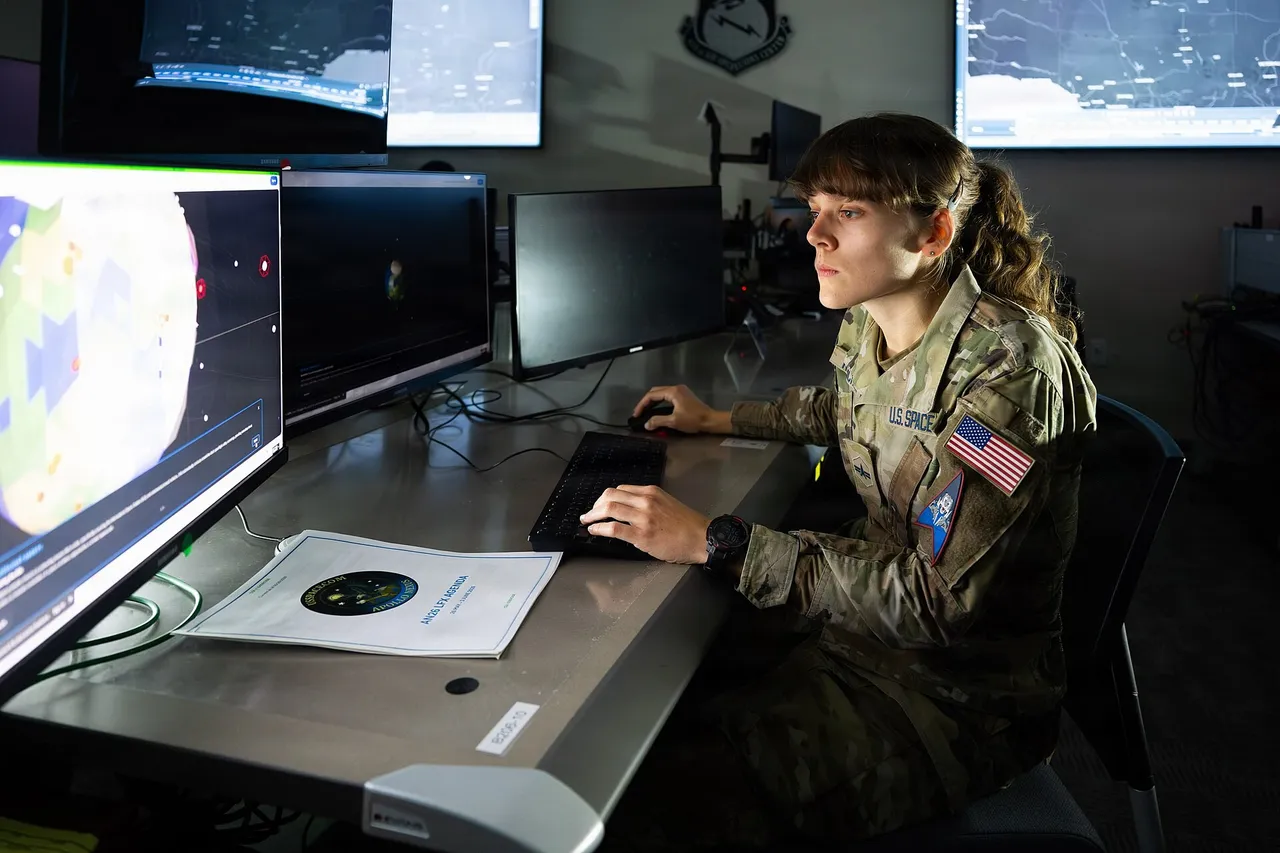
US intelligence says China may put directed-energy weapons in orbit by the late 2020s
The Defense Intelligence Agency's 2026 space threat report says China's 510-plus spy satellites can help track US and allied forces around Taiwan.
TaiwanDefence · 1h ago · 3 min read
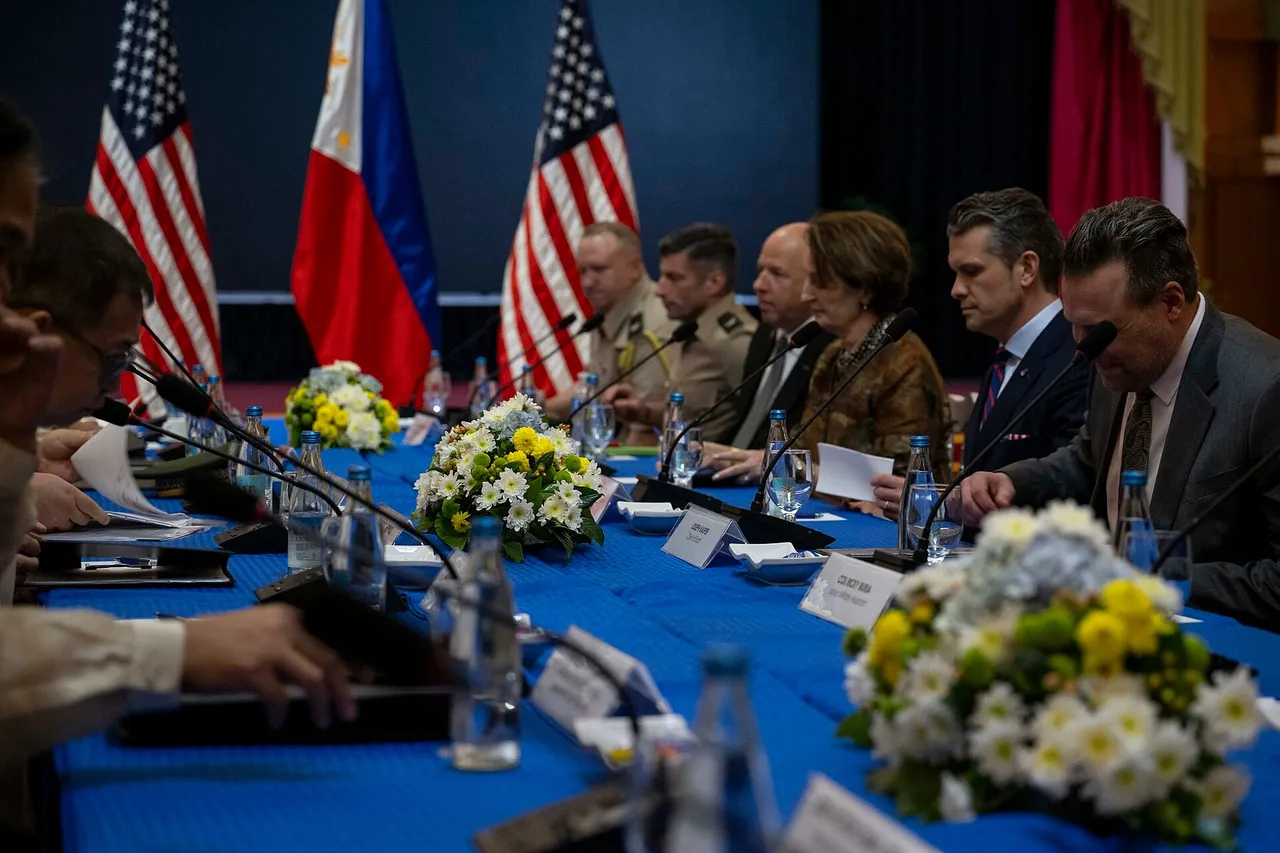
Hegseth heads to Cebu for ASEAN defence talks as Teodoro lines up bilateral and Squad meetings
The Pentagon says the trip aims to strengthen deterrence and burden-sharing, while Manila plans one-on-one and four-nation talks with the US defence chief.
TaiwanDefence · 2h ago · 3 min read
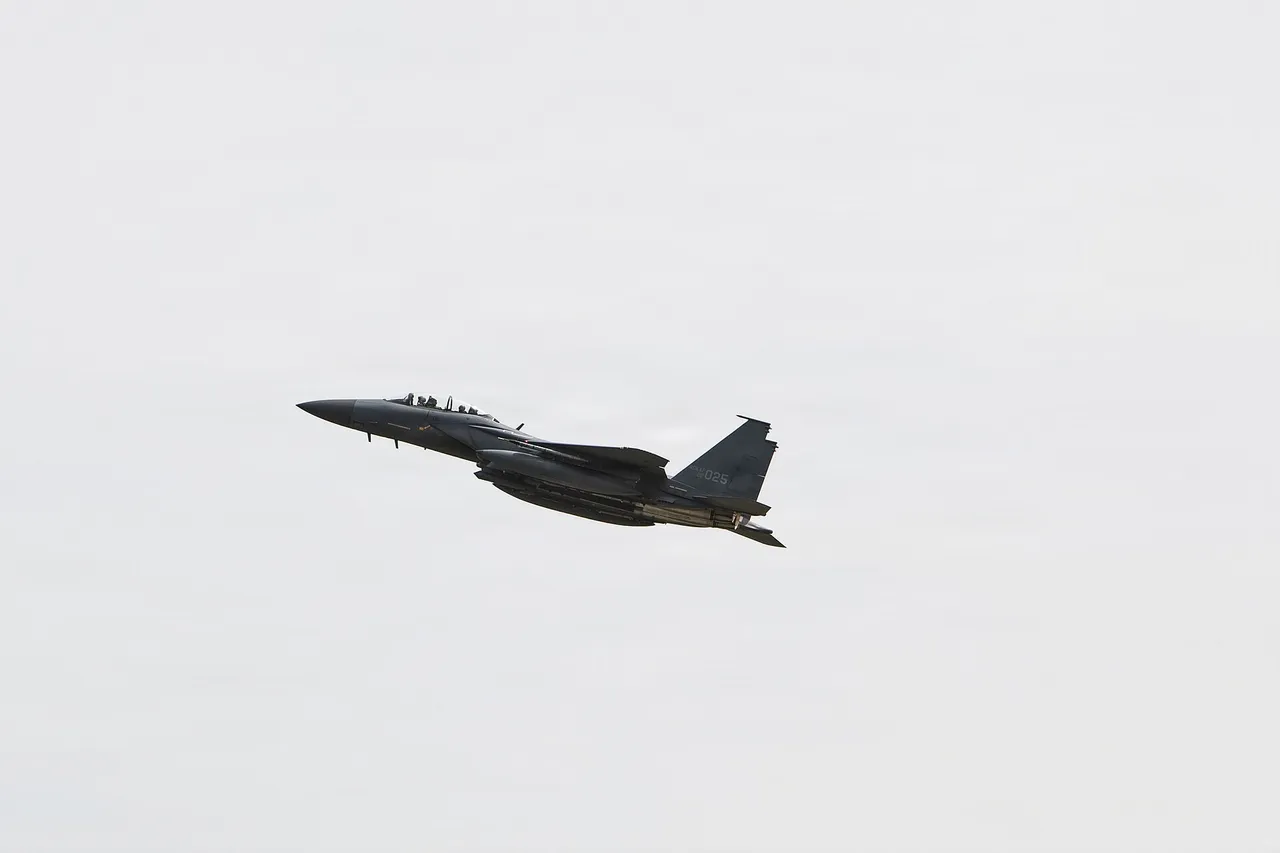
South Korea seeks another airport for US wartime reinforcements as Gwangju base makes way for chip fabs
Defence minister Kang Shin-chul says Seoul and Washington are discussing a reserve airport to take over Gwangju's role as a landing point for US troops and supplies in a war.
TaiwanDefence · 4h ago · 3 min read
Discussion (0)
Comments are not currently available.