
US intelligence says China may put directed-energy weapons in orbit by the late 2020s
The Defense Intelligence Agency's 2026 space threat report says China's 510-plus spy satellites can help track US and allied forces around Taiwan.
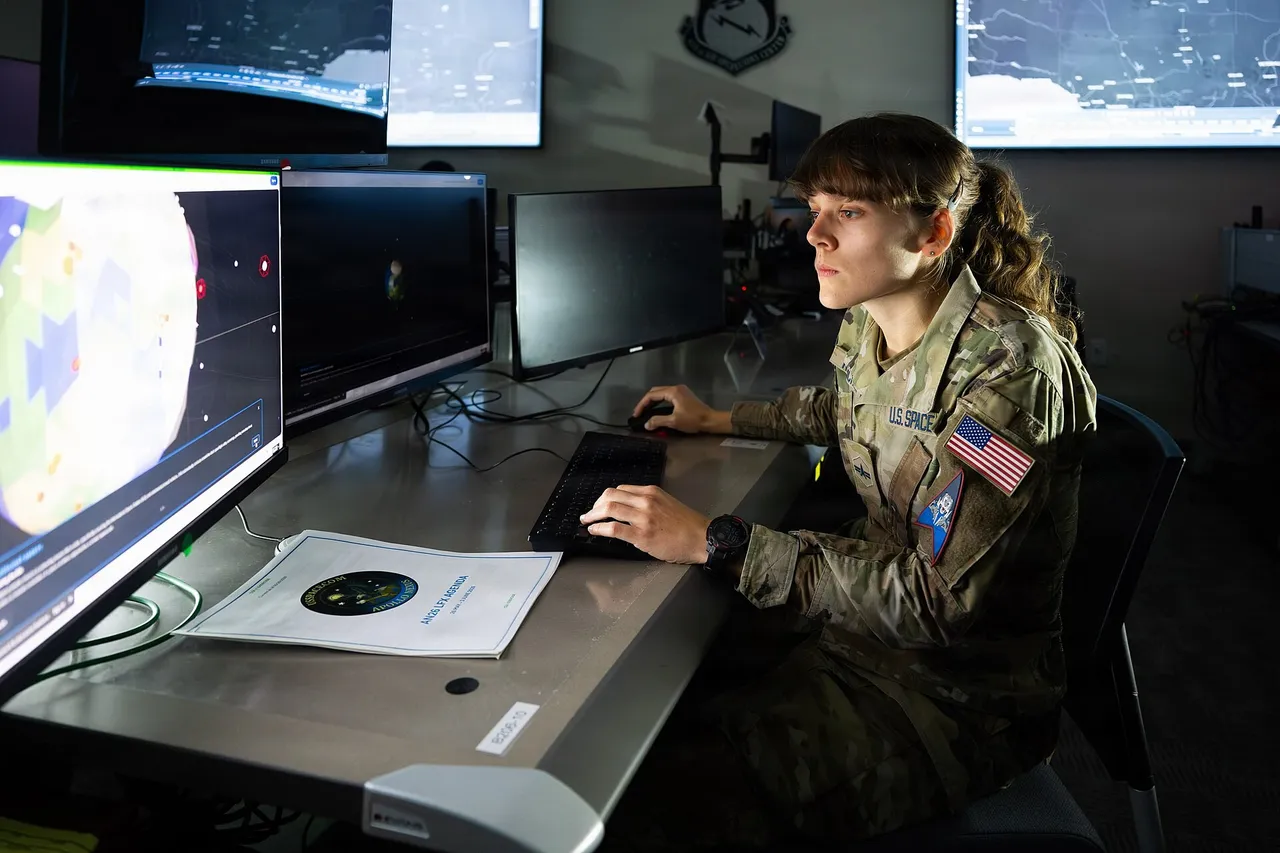
TAIPEI —
China could begin fielding directed-energy weapons in space before the end of the decade, the US Defense Intelligence Agency said in a new unclassified assessment released on 26 October. The 2026 edition of Challenges to Security in Space is the third in the series, after editions in 2019 and 2022, and covers the space and counterspace programmes of China, Russia, Iran and North Korea. The agency said the information in the report is current as of July 2026.
The report says the People's Liberation Army already has several ground-based laser weapons of different power levels that can disrupt, degrade or damage satellites in low Earth orbit. By the late 2020s, it says, China may add space-based directed-energy systems and more powerful ground-based lasers able to threaten satellites in higher orbits. DIA assesses that the PLA probably sees such weapons as well suited to attacking satellites because they can cause either temporary or permanent effects.
Watching the Taiwan theatre from orbit
The assessment puts China's intelligence, surveillance and reconnaissance satellite fleet at more than 510 systems as of July 2026, more than three times the number in 2018. DIA says many of those satellites are nominally civil or commercial, but their data can be used by the PLA, and the fleet can support the monitoring, tracking and targeting of US and allied forces across the Indo-Pacific, naming the Korean Peninsula, Taiwan, the Philippines, the Indian Ocean and the South China Sea.
According to the report, China's low-orbit constellation can image any spot on Earth within 30 minutes or less, while a radar satellite placed in geosynchronous orbit in 2023, Ludi-Tance-4, gives persistent radar coverage of much of the Indo-Pacific. DIA says these gains have improved China's ability to follow US and allied aircraft carriers, expeditionary strike groups and deployed air wings throughout the Pacific.
Counterspace as a tool against intervention
DIA judges that the PLA probably views counterspace operations as a way to deter or prevent outside intervention during a regional conflict. The report says Chinese defence academics have identified other countries' reconnaissance, communications, navigation and early-warning satellites as possible targets, and that Chinese strategists very likely believe that showing counterspace capabilities during a crisis could pressure or gradually weaken an opponent's space network before a war.
The agency also points to activity it describes as inconsistent with stated missions. It says the experimental TJS-3 satellite came within 10 kilometres of other countries' spacecraft in geosynchronous orbit several times in 2023, and that China had launched 27 satellites in the TJS series by July 2026. It adds that China's 2013 launch of an object to an altitude of about 30,000 kilometres suggests a possible missile capability against satellites in high orbits.
The pace of China's programme has also risen sharply. DIA counts 93 Chinese launches in 2025, including 25 commercial ones, up from 22 in 2016, and 18 more in the first quarter of 2026. It says China placed 384 satellites in orbit in 2025, compared with 40 in 2016, and that its two large low-orbit communications constellations, Xingwang and the Shanghai-based G60 network, had 177 and 238 satellites in orbit respectively as of July 2026.
SpaceNews reported that the same assessment also details an expanding Russian arsenal of weapons able to attack satellites in orbit. The report itself says the PLA routinely practises jamming satellite uplinks and downlinks in its exercises.
Why it matters
For Taiwan and its partners, the report frames space as both an advantage China would use and a target it would attack. A larger Chinese reconnaissance fleet would make US and allied warships easier to find in a Taiwan contingency, while lasers, jammers and close-approach satellites would threaten the American communications, navigation and missile-warning satellites that allied forces rely on. If the late-2020s estimate for orbital directed-energy weapons holds, that threat would arrive within the next few years rather than in a distant future.
Sources
More in Indo-Pacific

Hegseth heads to Cebu for ASEAN defence talks as Teodoro lines up bilateral and Squad meetings
The Pentagon says the trip aims to strengthen deterrence and burden-sharing, while Manila plans one-on-one and four-nation talks with the US defence chief.
TaiwanDefence · 2h ago · 3 min read
South Korea seeks another airport for US wartime reinforcements as Gwangju base makes way for chip fabs
Defence minister Kang Shin-chul says Seoul and Washington are discussing a reserve airport to take over Gwangju's role as a landing point for US troops and supplies in a war.
TaiwanDefence · 3h ago · 3 min read

Japan widens its emergency consultation network with like-minded defence partners
Tokyo is speeding up bilateral frameworks to consult Australia, France, Germany and the Philippines in a crisis, and plans to write them into its new security strategy.
TaiwanDefence · 4h ago · 3 min read
Discussion (0)
Comments are not currently available.