
Taiwan says about 4% of its troops still get no extra pay after the new combat allowance
Defence Minister Wellington Koo says most of those left out are staff officers at corps-level and higher commands, a posting he calls essential to their careers.
TAIPEI —
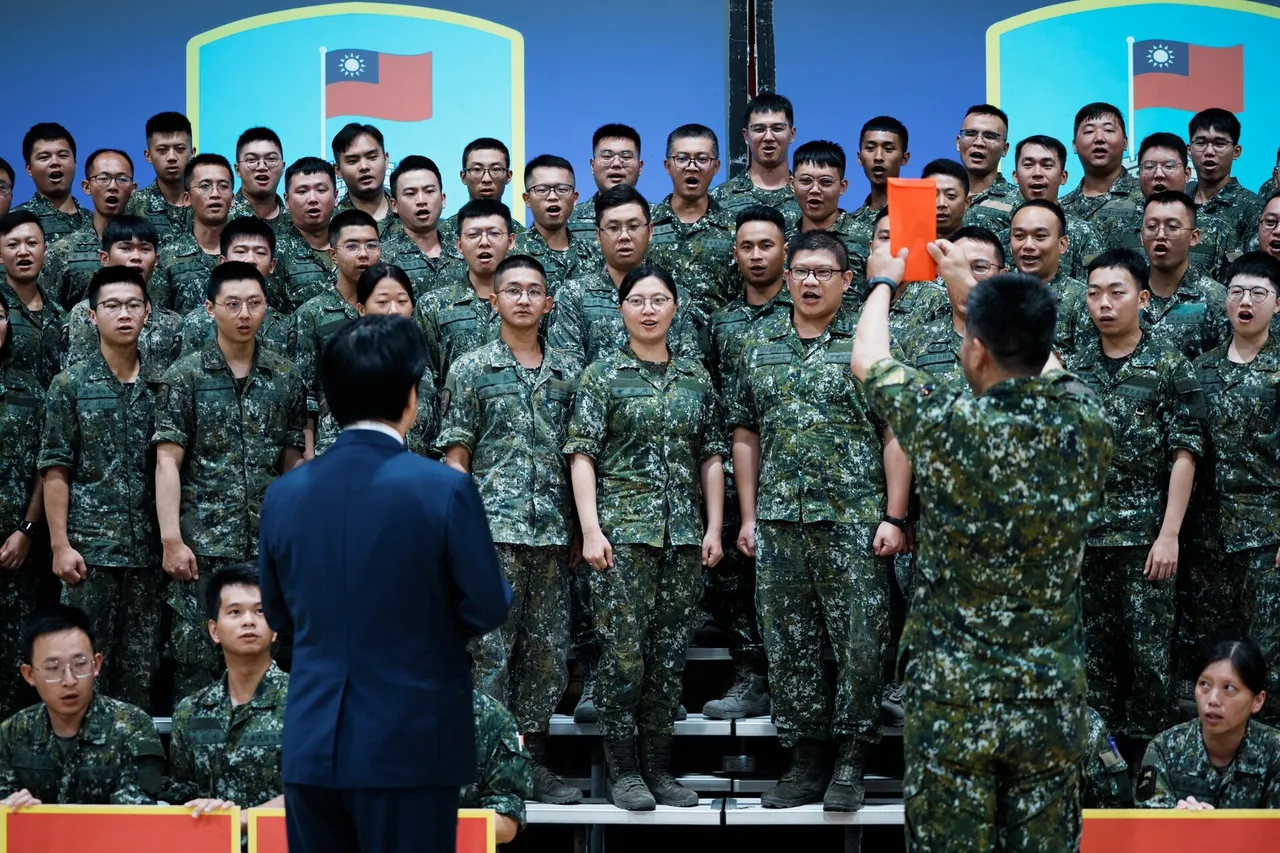
About 4 percent of Taiwan's service members receive no combat or duty allowance at all, even after the government added a third category of combat-unit pay this year, Defence Minister Wellington Koo said on 27 October. Most of them are staff officers serving in high-level commands at corps level and above, he told reporters before a Legislative Yuan session on the government's supplementary budget for 2026.
The figure narrows an earlier estimate that drew criticism. When the defence ministry explained the new allowance in August, it said roughly 13 percent of the force could not claim any of the three categories of combat-unit pay, a group it said included military media, publicity units and press officers. Koo said combat pay is only one of several supplements available to troops. Of that 13 percent, a little over 8 percent draw one of the various duty allowances, leaving just over 4 percent with neither, according to his account reported by United Daily News and Newtalk.
Staff postings as a career step
Koo defended the gap by pointing to how the military develops its officers. Rotating between command posts and staff jobs is a normal part of building a range of skills, he said, and it is through that rotation that the best candidates are selected to move up. People serving in high-level command units are generally officers the ministry is grooming as potential senior leaders, he said, and a tour as a staff officer at corps level or above is one of the steps an officer must complete to advance in rank.
How the third category works
President Lai Ching-te announced the third category on 19 August while visiting the army's 234th Brigade at Ching Chuan Kang air base in Taichung, days after the Han Kuang 42 field exercise ended. Backdated to 1 July, it pays NT$4,000 a month to each service member in units at brigade level and below that provide combat sustainment. Combat casualty medical, chemical, engineer, military police and critical infrastructure guard units all qualify, according to the ministry.
Maj. Gen. Kao Chih-hsiung of the ministry's resources planning department said on 20 August that units eligible for the new pay make up about 32.2 percent of the force's authorised strength, at an annual cost of roughly NT$3.57 billion. The ministry said this year's cost would come from personnel funds in the defence budget, with the shortfall covered by a supplementary budget request, and that money for 2027 had been included in next year's budget sent to the legislature.
Kao said the ministry drew the line at brigade level because Taiwan's defence planning has shifted toward joint operations run by theatre-level operational zones, with the brigade serving as the basic tactical unit able to fight on its own. Companies that already received first or second category pay kept it. As an example, he said the equipment, bridge, mine-laying and combat engineer companies of the Eighth Army Corps' 54th Engineer Group keep their second category allowance, while the group headquarters, battalion headquarters and headquarters companies, which previously received no combat pay, became eligible for the new third category.
The new pay is one of several changes to military compensation under Lai. He said in August that the government had raised five allowances last year, covering volunteer service, combat units, air traffic control, electronic reconnaissance and cyber warfare, and in February had added drone units to those eligible for combat-unit pay. Conscripts serving in combat units have also received combat-unit pay since 1 July, and military personnel and civil servants are due a further 4 percent pay rise from January.
Sources
More in Cross-Strait
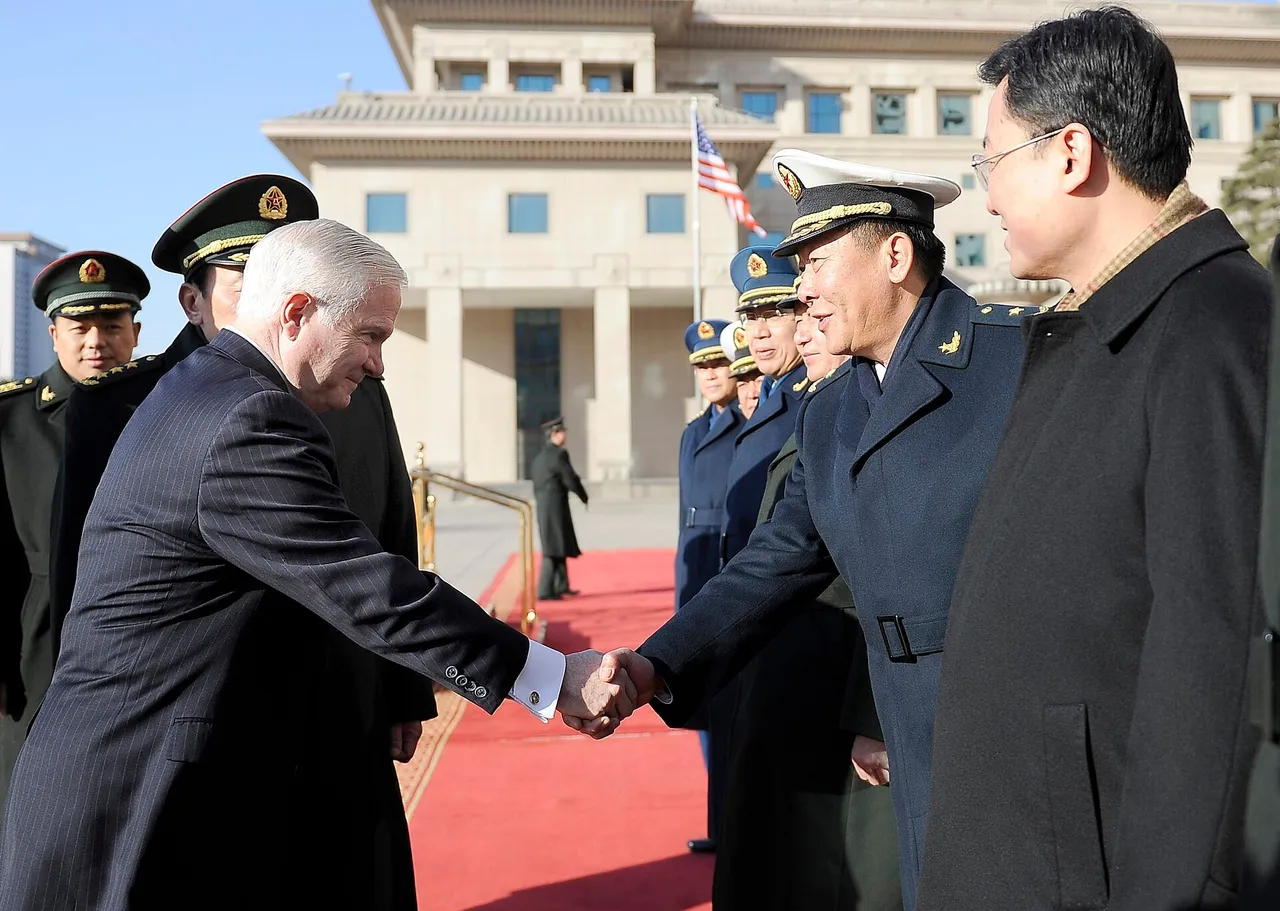
China opens a party plenum as a think tank finds 42 of 44 PLA Central Committee members purged or missing
Xi Jinping opened the four-day meeting with the military commission cut to two members, and observers are watching whether he refills China's high command.
TaiwanDefence · 23h ago · 3 min read
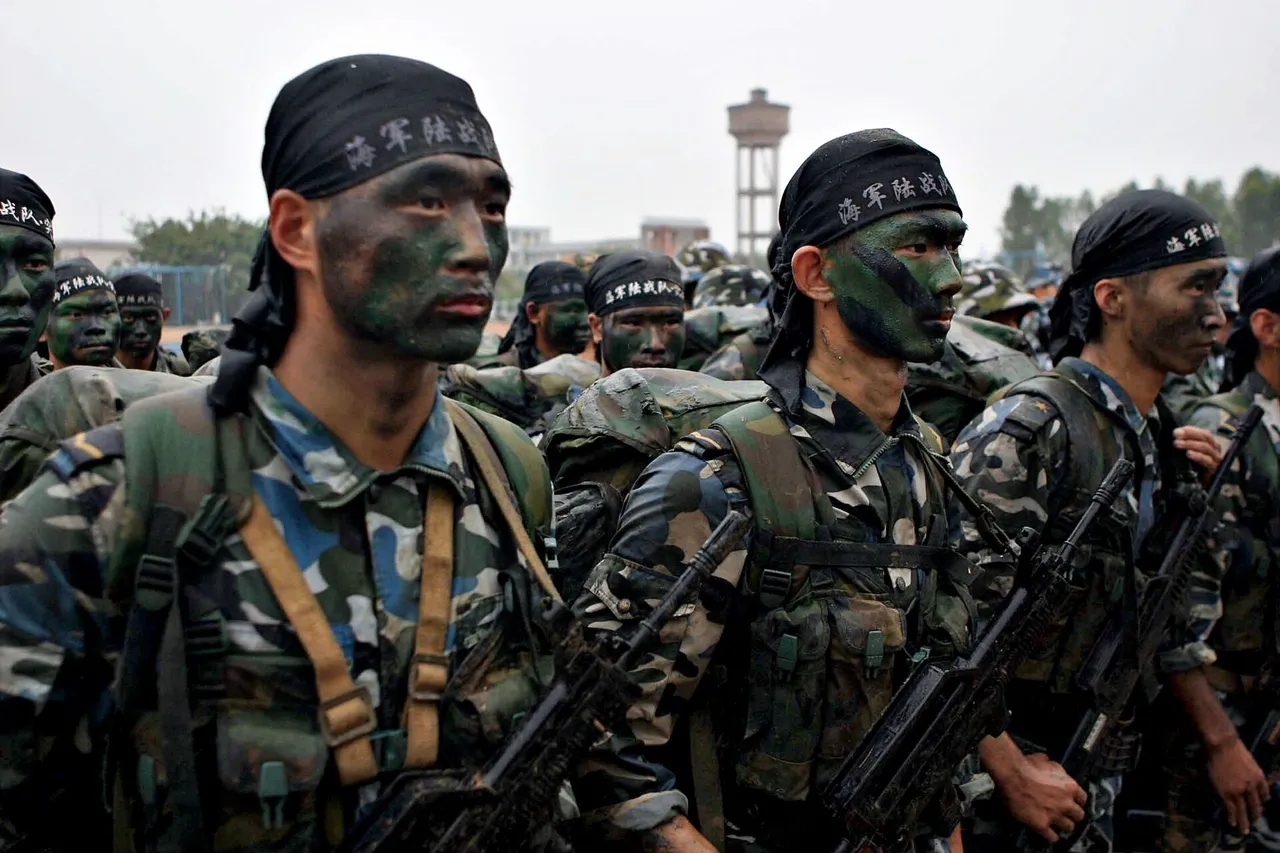
PLA Daily tells Chinese troops to be ready for a major Taiwan independence incident
The Chinese military's newspaper used Taiwan's Retrocession Day to urge readiness for war, citing Koxinga's 1661 landing and a general's study of Normandy.
TaiwanDefence · 1d ago · 3 min read
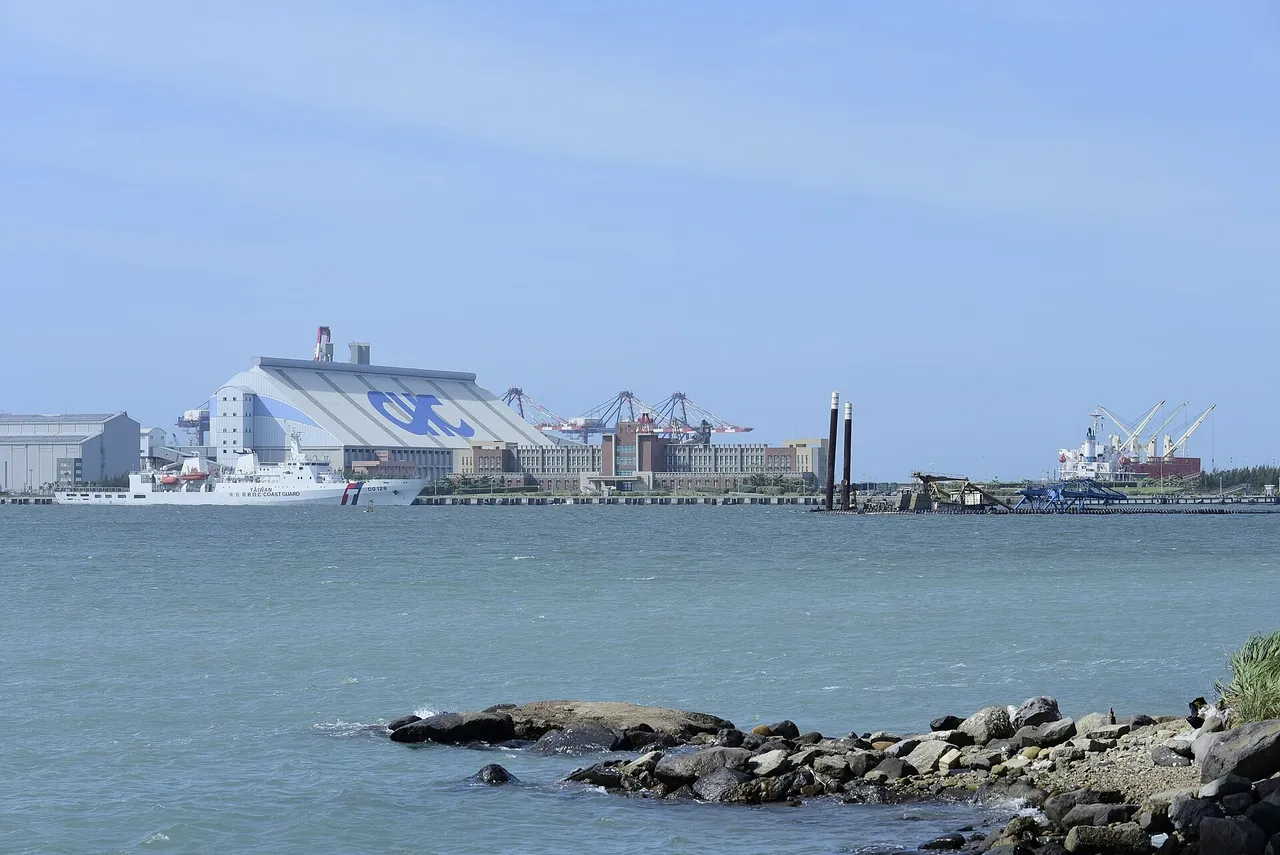
China's Eastern Theater Command marks Taiwan Retrocession Day as state TV airs satellite views of Taipei
The PLA command facing Taiwan posted a unification poster and CCTV aired Jilin-1 footage of Taipei Port, as Taiwan tracked five Chinese warships nearby.
TaiwanDefence · 1d ago · 3 min read
Discussion (0)
Comments are not currently available.