
Japan's army confirms it sent officers to India to scout ranges for anti-ship missile firing
The Ground Self-Defense Force chief says finding room to fire long-range missiles is a major problem, but no date, site or missile type has been chosen.
TAIPEI —
The head of Japan's Ground Self-Defense Force (GSDF) has confirmed that officers were sent to India to prepare for possible live firing of the force's surface-to-ship missiles there. General Masayoshi Arai, the GSDF chief of staff, told his regular news conference at the Ministry of Defense in Tokyo on 27 October that reports of the dispatch were accurate and that coordination with India was under way.
Arai said the central issue was how to train with missiles whose range is relatively long. Making full use of that range during exercises has become a major challenge for the GSDF, he said, so the force is looking at securing training areas at home and, where necessary, using training environments abroad.
The general stressed that nothing has been settled. No decision has been made to hold the firing in India, and neither the location nor the timing has been disclosed. Arai also said the GSDF had not decided whether overseas training would come first or run alongside training in Japan.
Arai said the same search for space applies to small attack drones. Training with those systems raises questions about radio frequencies, the content and location of the drills, and safety management, and the GSDF is considering both domestic and foreign training areas for them as well, according to the account of the news conference.
A week of site visits
The dispatch was first reported by the public broadcaster NHK on 21 October. NHK said the defence ministry sent officials to India in mid-October, where they spent about a week inspecting test sites and firing ranges. The missile type to be used had not been chosen, the broadcaster said, and the visit also covered possible training with small attack drones meant for use against an advancing enemy.
NHK noted that the Self-Defense Forces have previously fired surface-to-ship missiles abroad in the United States and Australia. Both NHK and the Yahoo News expert report by Kosuke Takahashi linked the India plan to the Quad grouping of Japan, India, the United States and Australia, and said it appears aimed at deepening defence ties with China's maritime expansion in mind. That reading comes from the reporters, not from an official statement.
From the Philippines to India
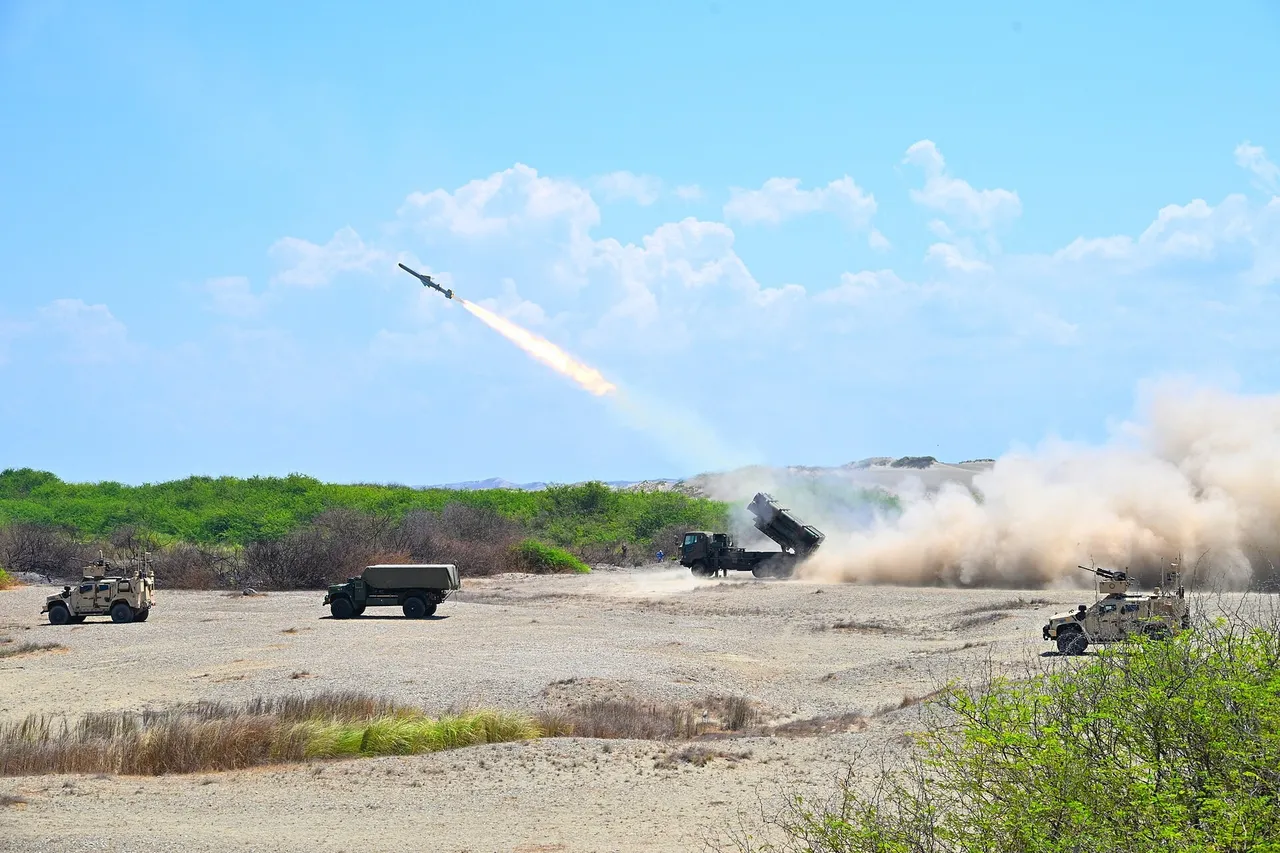
Japan first fired one of these weapons in the Philippines this year. On 6 May, during the Balikatan exercise, a single GSDF launcher at Culili Point near Laoag in northwestern Luzon fired two Type 88 anti-ship missiles at the decommissioned Philippine Navy ship BRP Quezon about 75 kilometres offshore, and the target was sunk, Naval News reported. The Type 88 has a listed range of about 180 kilometres and is being replaced by the newer Type 12.
Range is a growing issue because Japan's newest missile reaches much further. The Type 25 surface-to-ship missile, with a range of about 1,000 kilometres, was shown to the media at the Onohara training area on 25 October during the Keen Sword exercise with the United States, but no missile was launched, NHK World reported. The launchers have been based at Camp Kengun in Kumamoto since March, and defence officials expect to rely on US targeting information for such long-range weapons.
For now the India option remains a study rather than a plan. NHK reported that the missile type for any firing there has not been chosen, and Arai described the overseas option only as one of the training environments the GSDF is weighing alongside ranges in Japan.
Sources
More in Indo-Pacific
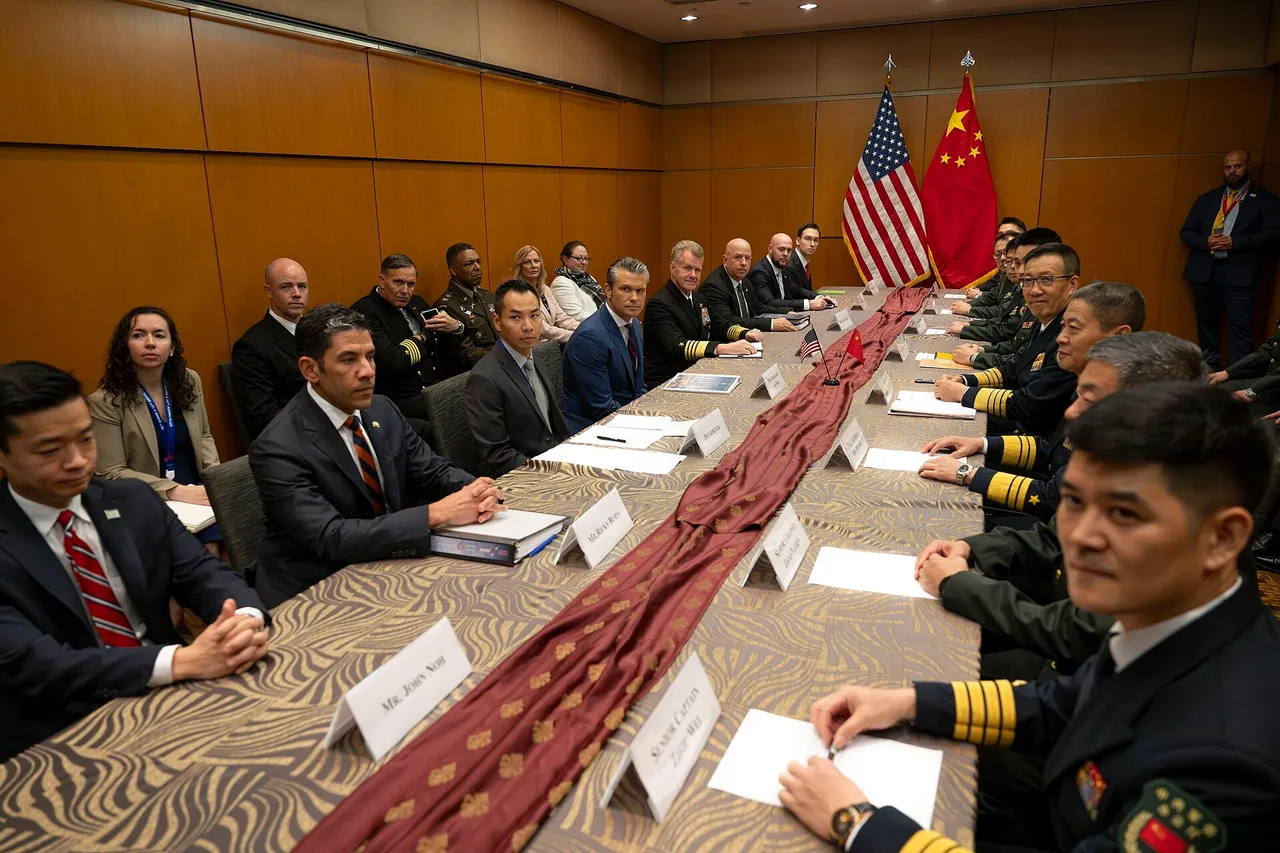
China sends its Manila defence attache, not its defence minister, to ASEAN defence talks in Cebu
Beijing has cut its delegation to the ADMM-Plus meeting hosted by the Philippines to embassy level after sending its defence minister in each of the past two years.
TaiwanDefence · 33m ago · 3 min read
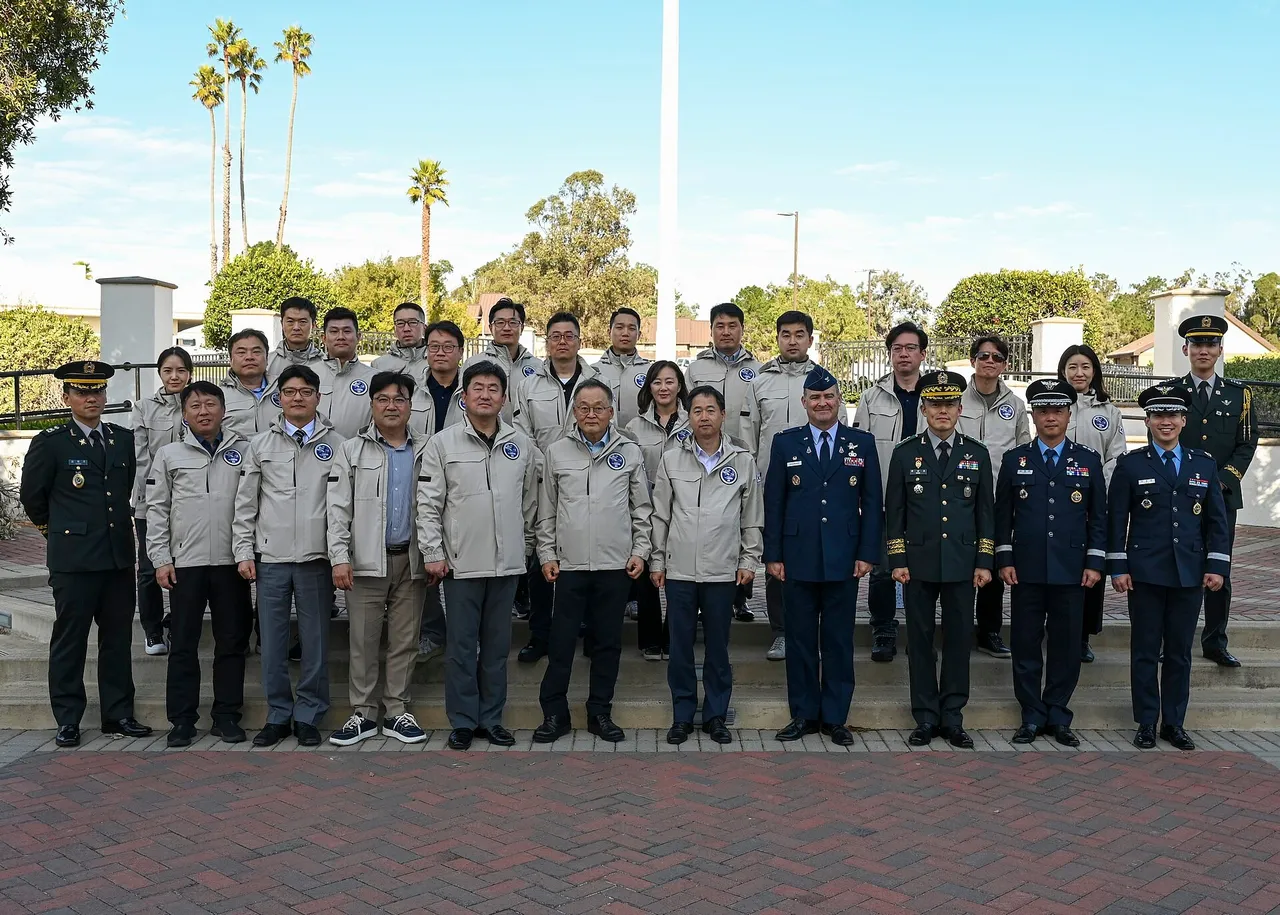
South Korea's military admits its system for fusing spy satellite imagery falls short
A lawmaker says the fusion system has slipped since 2022 and its full version is due only in 2033, when today's satellites may already be worn out.
TaiwanDefence · 2h ago · 3 min read
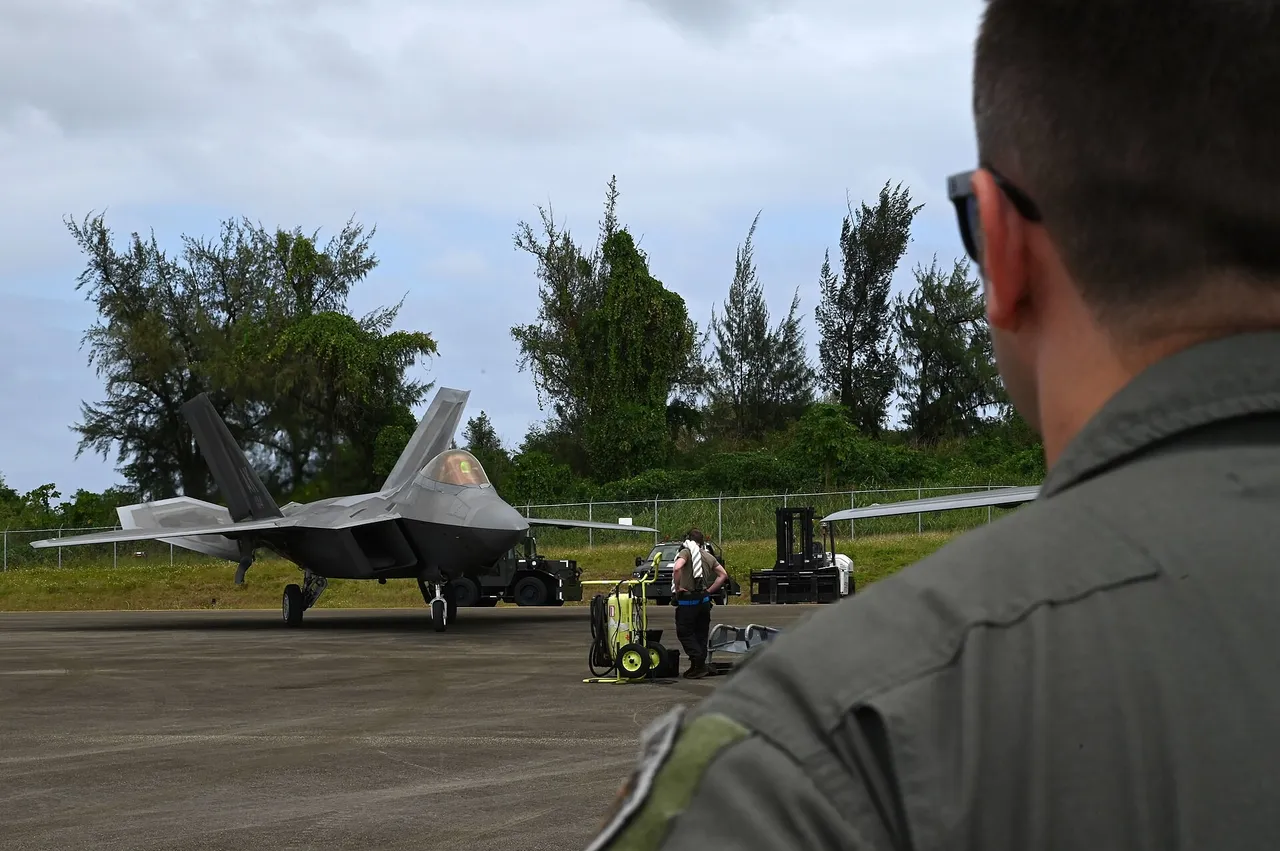
US suspends visa-free visits by Chinese nationals to the Northern Marianas, citing spying risk near bases
Homeland Security says the travel scheme could be used for espionage against US military sites, including the Tinian airfield being restored and bases on Guam.
TaiwanDefence · 4h ago · 3 min read
Discussion (0)
Comments are not currently available.