
Taiwan says it will stick with new M109A7 howitzers and denies a US offer of rebuilt older guns
Defence minister Wellington Koo told lawmakers the NT$80.6bn Paladin buy is on schedule, after a report said Washington had proposed upgrading used M109A6s instead.
TAIPEI —
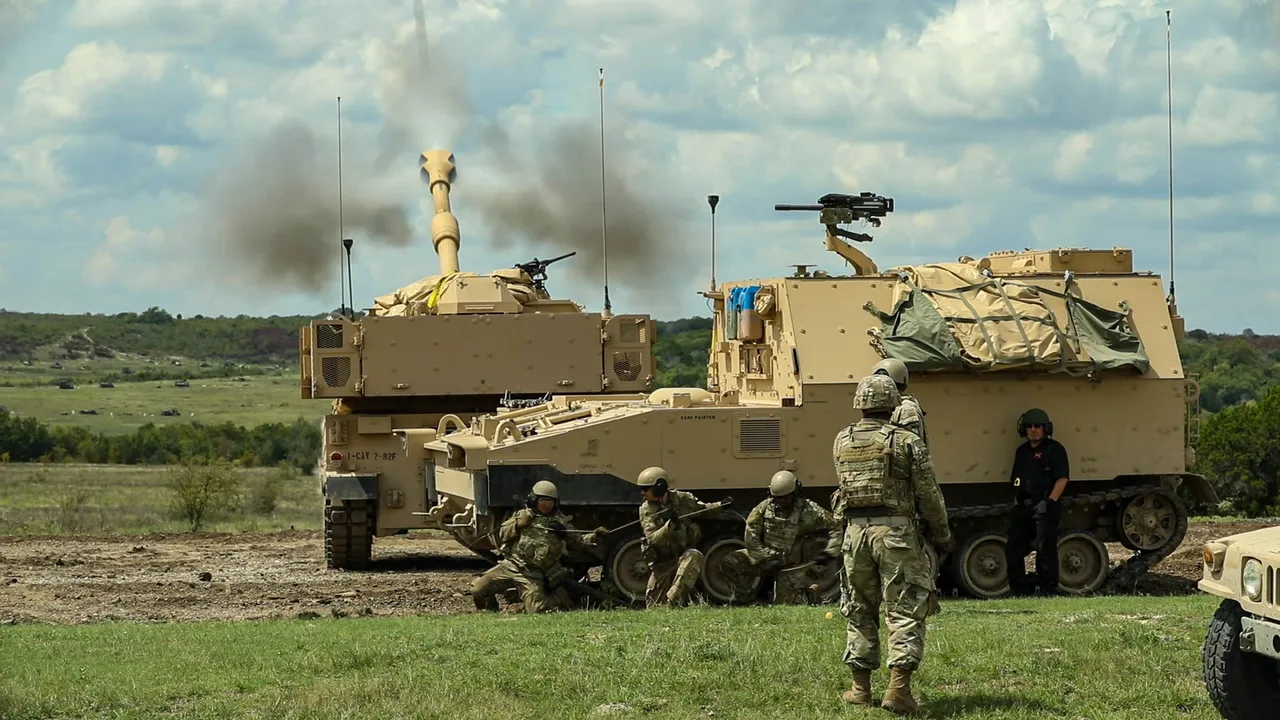
Taiwan's defence minister, Wellington Koo, has rejected a media report that the United States asked the island to accept rebuilt older self-propelled howitzers in place of the 60 new M109A7 Paladins it has ordered. Speaking in the Legislative Yuan on 3 November, Koo said the purchase was proceeding as planned and that the ministry would keep buying the M109A7, according to the Central News Agency.
Koo told lawmakers that Taiwan had already signed the letter of offer and acceptance for the howitzers and that the case was moving through its scheduled milestones. He said the ministry had received no such information from Washington and described the report as inconsistent with the facts.
What the report claimed
The claim first appeared in a 2 November report by the Taiwanese outlet Up Media. It said the US Army's programme office had written to Taiwan's army in early September proposing that the order for 60 M109A7s be changed to older M109A6 guns rebuilt to the A7 standard, with Taiwan paying extra for the upgrade work. According to the report, the army replied that it could not accept the proposal.
Up Media and other Taiwanese outlets linked the alleged proposal to crowded US production lines. FTNN reported that the US Army is replacing its own fleet of roughly 689 M109A6 guns with the A7 model, while Washington has also sent M109A6 howitzers to Ukraine, leaving the production line fully booked.
A familiar worry for the army
The question was raised by Ma Wen-chun, a lawmaker from the opposition Kuomintang, during a session on the government's supplementary budget. She reminded Koo that Taiwan had previously budgeted about NT$17.4 billion for M109A6 guns, only for the United States to say it could not deliver them on time, after which Taiwan switched the money to HIMARS rocket launchers. She asked whether the ministry would hold its ground if the same thing happened again.
Koo acknowledged that Taiwan had once adjusted a programme because of US production capacity, but said the circumstances of the current M109A7 case were different. He repeated that the ministry had no notice of any request to change the model and would keep the original plan based on the army's operational needs.
FTNN noted that the earlier order, placed in 2020, covered 40 M109A6 guns worth about US$750 million and was due for delivery between 2023 and 2025. After Russia's full-scale invasion of Ukraine, Washington told Taipei that deliveries would slip badly, and the army cancelled the buy in favour of 29 HIMARS systems.
The current order
The 60 M109A7s were part of a US arms package announced in December 2025, and the army received the letter of offer in April this year, CNA reported. The guns are funded through the NT$780 billion special act for asymmetric capabilities that the legislature passed in May. The China Times said the howitzer item is budgeted at about NT$80.6 billion and is scheduled to run from 2026 to 2032, with deliveries expected to begin in 2030.
Why it matters
The army has already lost one howitzer programme to American production limits, which is why opposition lawmakers pressed the minister on the new order. His public commitment to the M109A7, together with the signed letter of offer, gives the legislature a clear baseline against which to track a programme whose first guns are not due until 2030.
Sources
More in Army
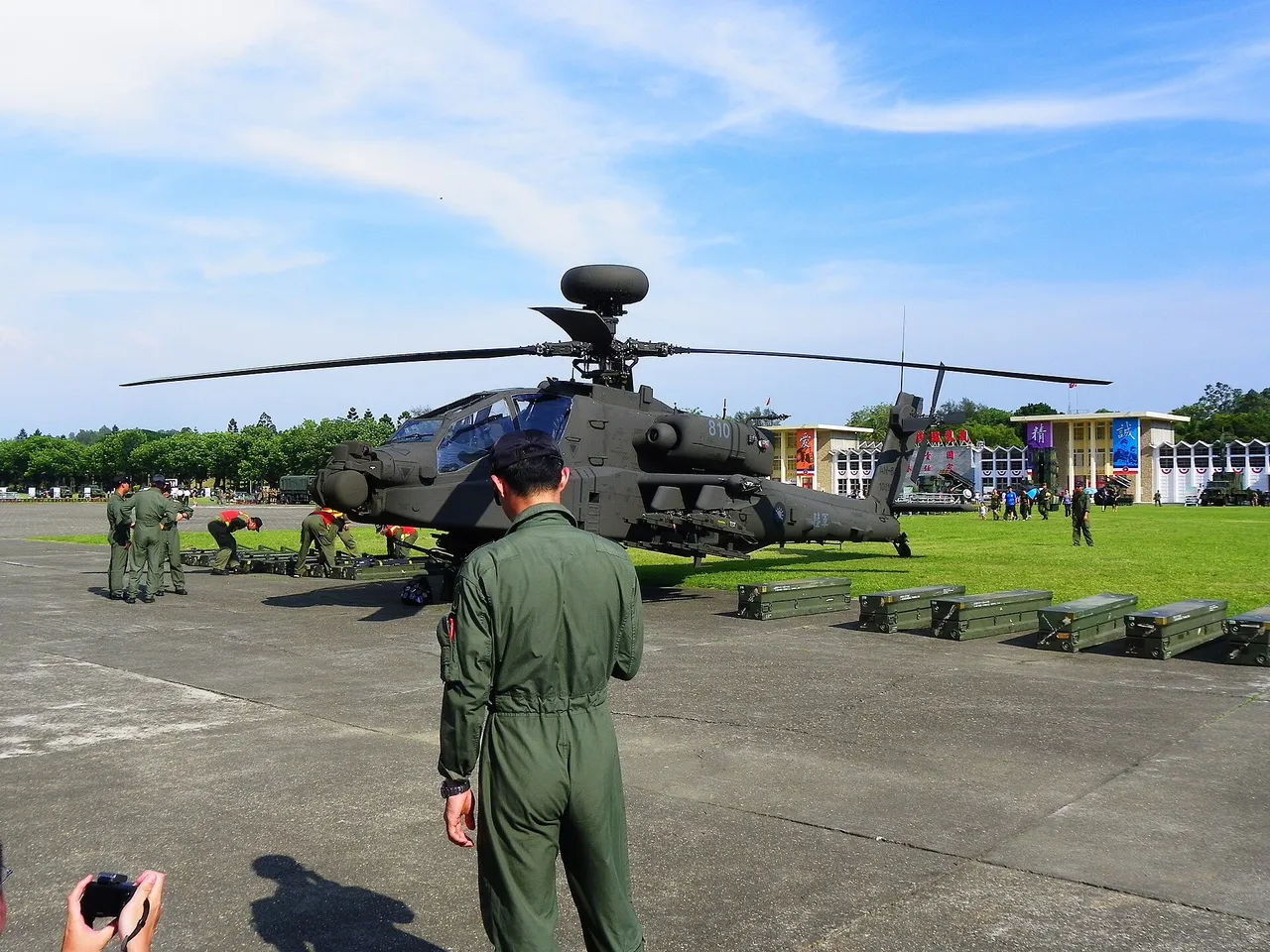
Taiwan's army parks all 29 of its Apache gunships while the US checks a suspect transmission
Taiwan has reportedly grounded its whole AH-64E fleet after a US Army stand-down over gearbox failures, and may clear low-hour airframes first for readiness.
TaiwanDefence · 6d ago · 2 min read
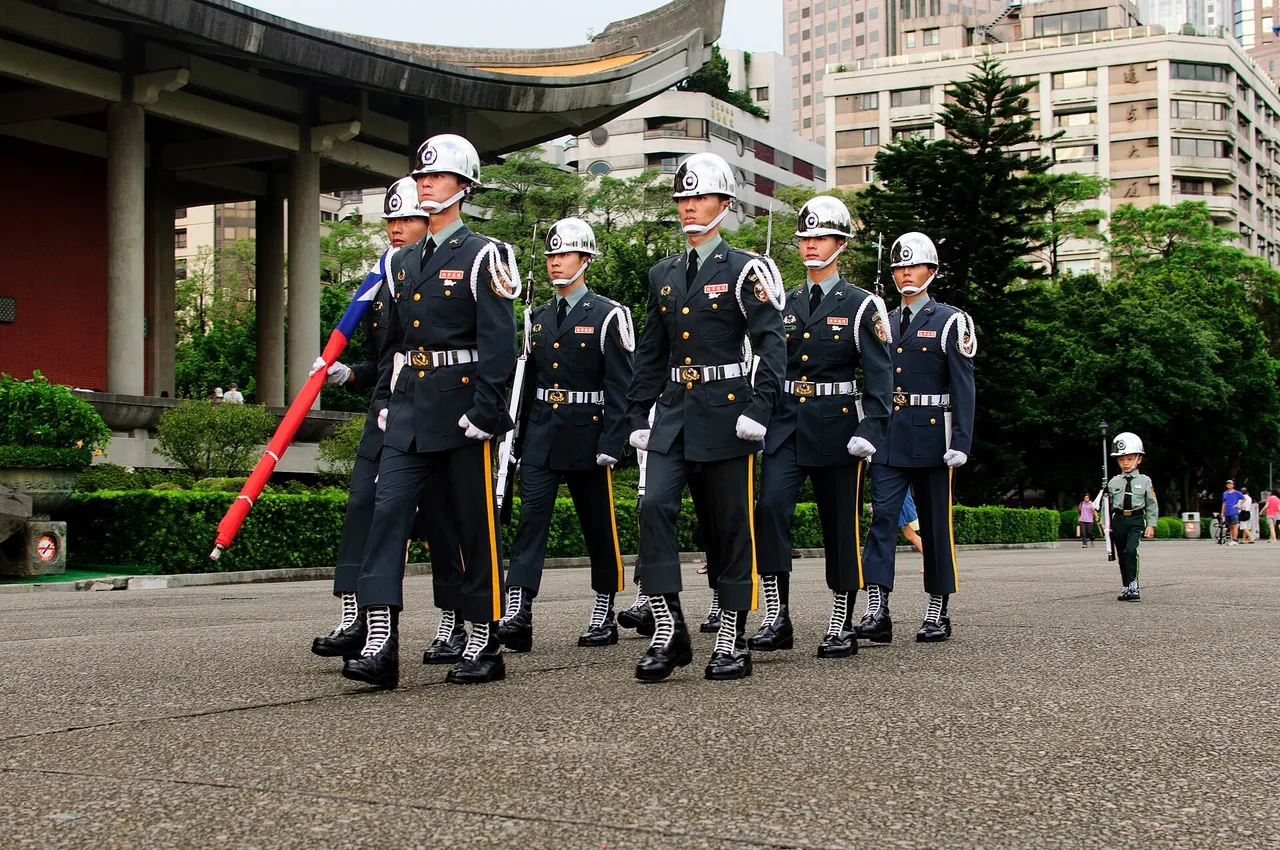
Nineteen Taiwanese service members have died by self-harm this year, more than in all of 2025
A defence ministry report to lawmakers counts 60 self-harm deaths, 36 improper management cases and 233 gender-equality cases in the armed forces since 2024.
TaiwanDefence · 6d ago · 2 min read
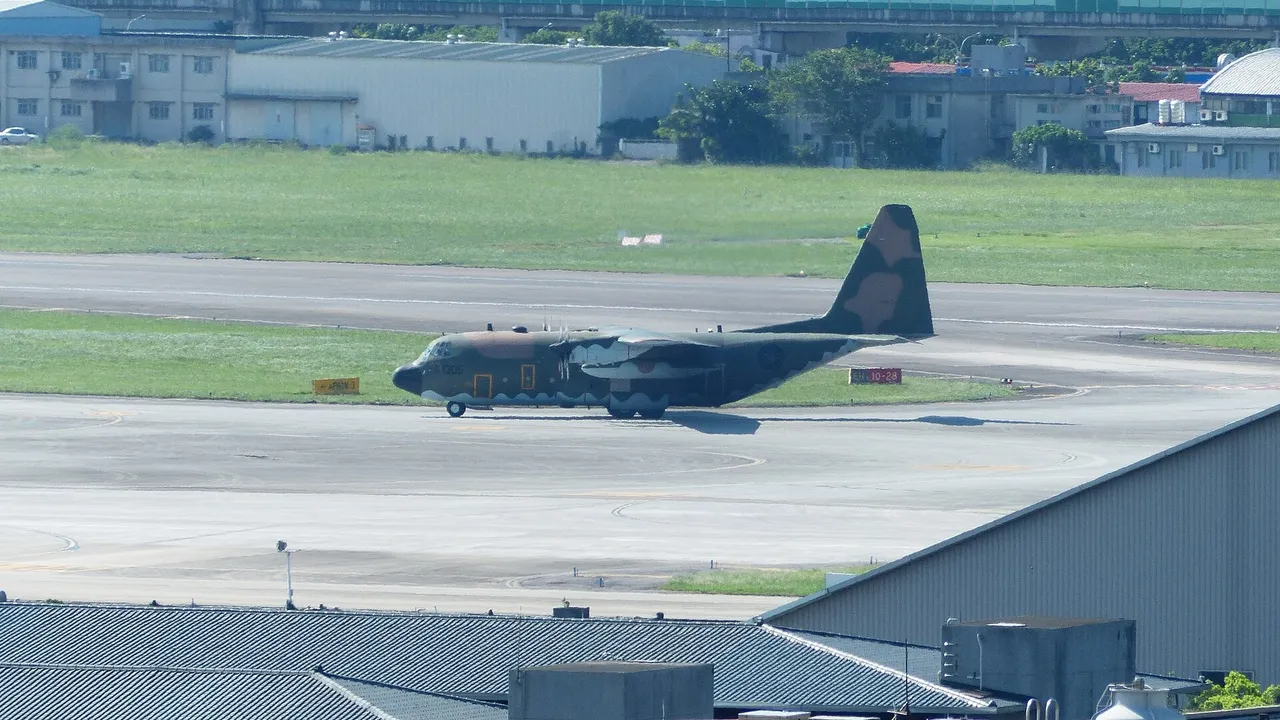
Taiwan air force C-130s fly stranded travellers home from Kinmen and Matsu after Typhoon Champi
Military transports joined airline extra flights on Sunday to clear standby queues of more than 1,000 people left on the outlying islands by the storm.
TaiwanDefence · 25 Oct 2026 · 2 min read
Discussion (0)
Comments are not currently available.