
Taiwan's military plans to turn its kill chain into a kill web, defence ministry tells lawmakers
A written report for the legislature's defence committee sets out a networked, drone-heavy and dispersed force meant to keep fighting if command posts are knocked out.
TAIPEI —
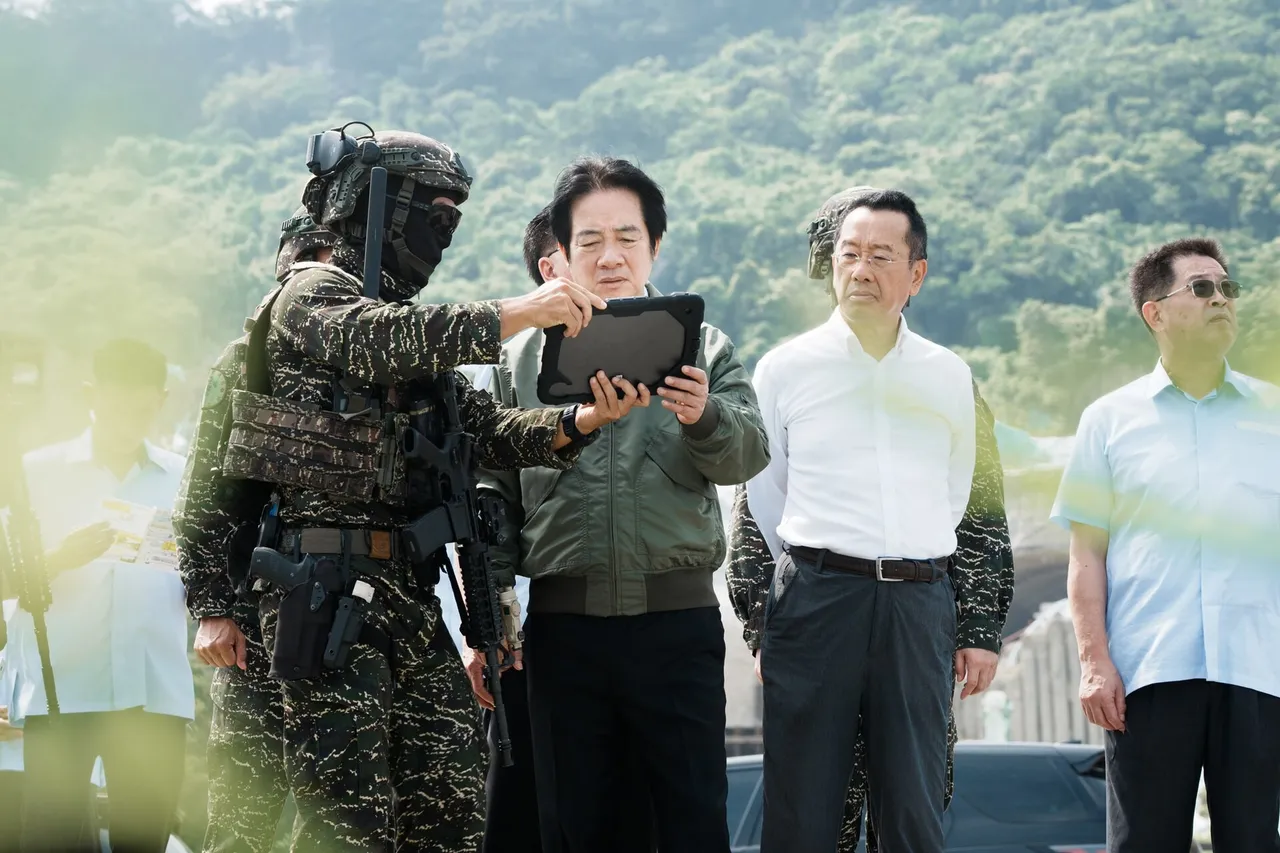
Taiwan's Ministry of National Defense says it will change the way its forces find and strike targets, moving from a linear kill chain to a kill web in which sensors, command posts and firing units are linked through many nodes. The plan is set out in a written business report delivered to the Legislative Yuan on the evening of Tuesday 3 November, ahead of a Wednesday session of the Foreign Affairs and National Defense Committee at which Defence Minister Wellington Koo is due to report and take questions, according to the Central News Agency and CTWANT.
The report names four priorities for transforming the joint force: multi-domain, unmanned, distributed and intelligent. The ministry says these will be pursued alongside changes to force structure, unit organisation and training, with the aim of a modern joint force able to respond quickly, strike precisely, spread out and keep fighting over time.
From chain to web
On the multi-domain side, the ministry plans to combine the combat power of the army, navy and air force with space, cyber, electromagnetic spectrum and unmanned capabilities. It wants to tie together intelligence, surveillance and reconnaissance, command and control, air defence, electronic warfare and precision fires so that units share data from many sources and work from a common operating picture.
CTWANT reported that the ministry contrasts this with a kill chain carried out step by step. In a web, several nodes share information, so reconnaissance, command and fires are less dependent on one path or one node, which the ministry argues will make joint operations across domains more effective.
Built to keep fighting when cut off
The distributed element responds to the risk of precision strikes, jamming, cyberattacks and damage to command nodes. The report says the military is adopting mission command, decentralised operations and layered backups, together with mobile command posts, reserve communications, dispersal and rapid movement, so that units can carry out their tasks under delegated authority even when information is limited or links are cut. Interchangeable command and fire nodes are meant to stop the loss of any single node from crippling the wider force.
Drones are now written into planning for every phase of joint defence operations, according to the report. The ministry says unmanned systems will be linked to spectrum management, reconnaissance and fire guidance, the battlefield management system, joint fires and resupply, and that force building will focus on counter-drone protection, swarm attack, platform integration and teaming between crewed and uncrewed systems, creating a dispersed, multi-layer unmanned force to boost asymmetric capability.
The threat picture and the factories
The ministry's assessment says Beijing still has not given up the intention of taking Taiwan by force. It says the People's Liberation Army has combined naval, air and rocket forces for live-fire drills and routine harassment in the Taiwan Strait, and that China Coast Guard formations keep entering restricted waters around Taiwan's outlying islands. In June, the report says, China for the first time sent a coast guard vessel to waters off eastern Taiwan for what Beijing called a special law enforcement patrol, which the ministry reads as an effort to extend pressure into a contest over maritime jurisdiction.
The same report says the Armaments Bureau's production centre is adding 13 production lines for weapons, equipment, ammunition, explosive raw materials and propellant, along with civilian backup arrangements, to cope with heavy consumption in peacetime and war, the Central News Agency reported.
New programmes listed for the 2027 budget include a new wheeled infantry fighting vehicle, a new 105 mm wheeled tank, multipurpose trucks, day and night sights and night-vision goggles for soldiers, a submarine rescue ship, an underwater combat system, battlefield helicopters, additional Sky Bow III air defence missiles, replacement ground-controlled approach radars and an advanced tactical data link, according to the agency.
Why it matters
The report frames the overall effort as replacing manpower with technology and traditional troop strength with firepower. It gives lawmakers a written account of how the ministry intends to connect the drones, long-range missiles and networks it is asking them to fund, and Koo is expected to face questions on it when the committee meets on Wednesday.
Sources
More in Cross-Strait
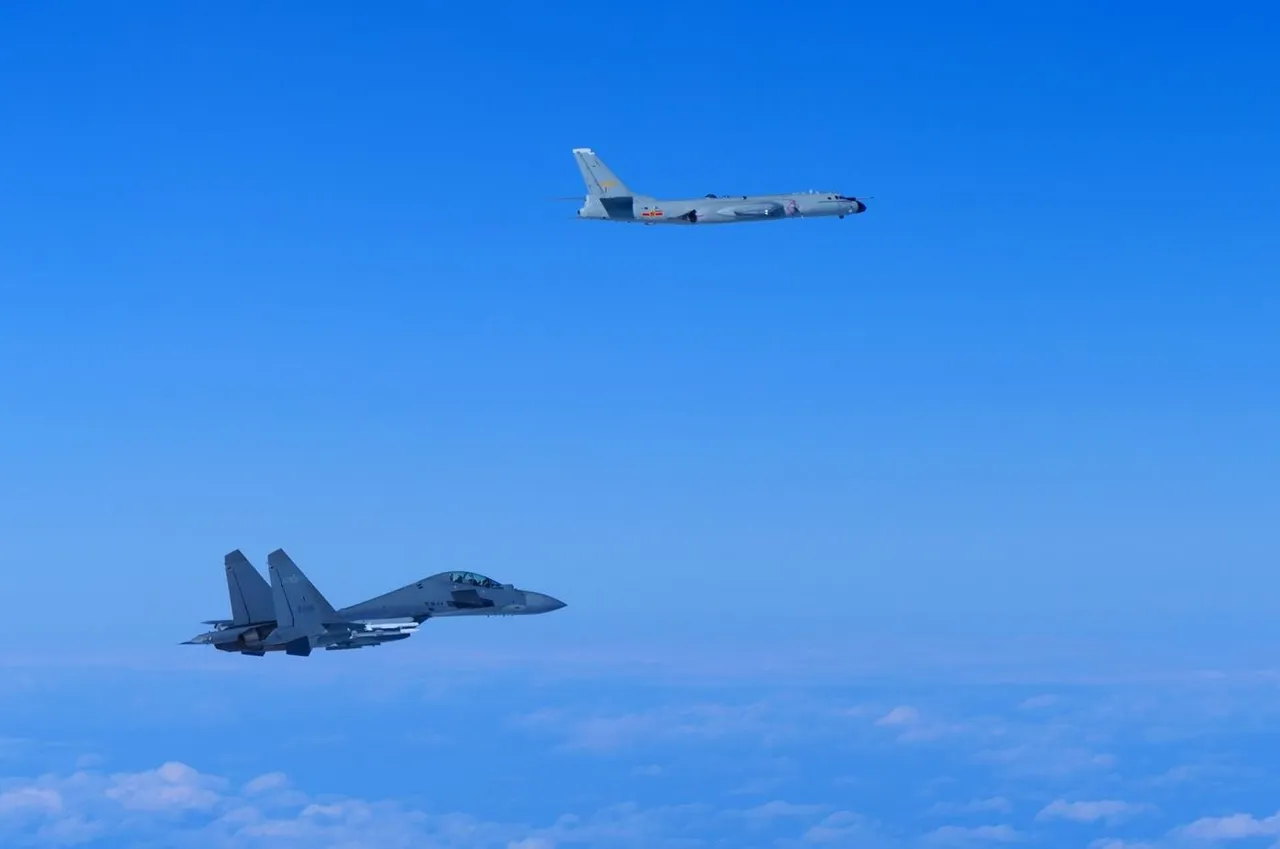
China sends 49 military aircraft around Taiwan in one day, most of them off the southwest
Taiwan's defence ministry tracked 49 Chinese sorties, six warships and six other state vessels in 24 hours, most of them massed southwest of the island.
TaiwanDefence · 3h ago · 3 min read
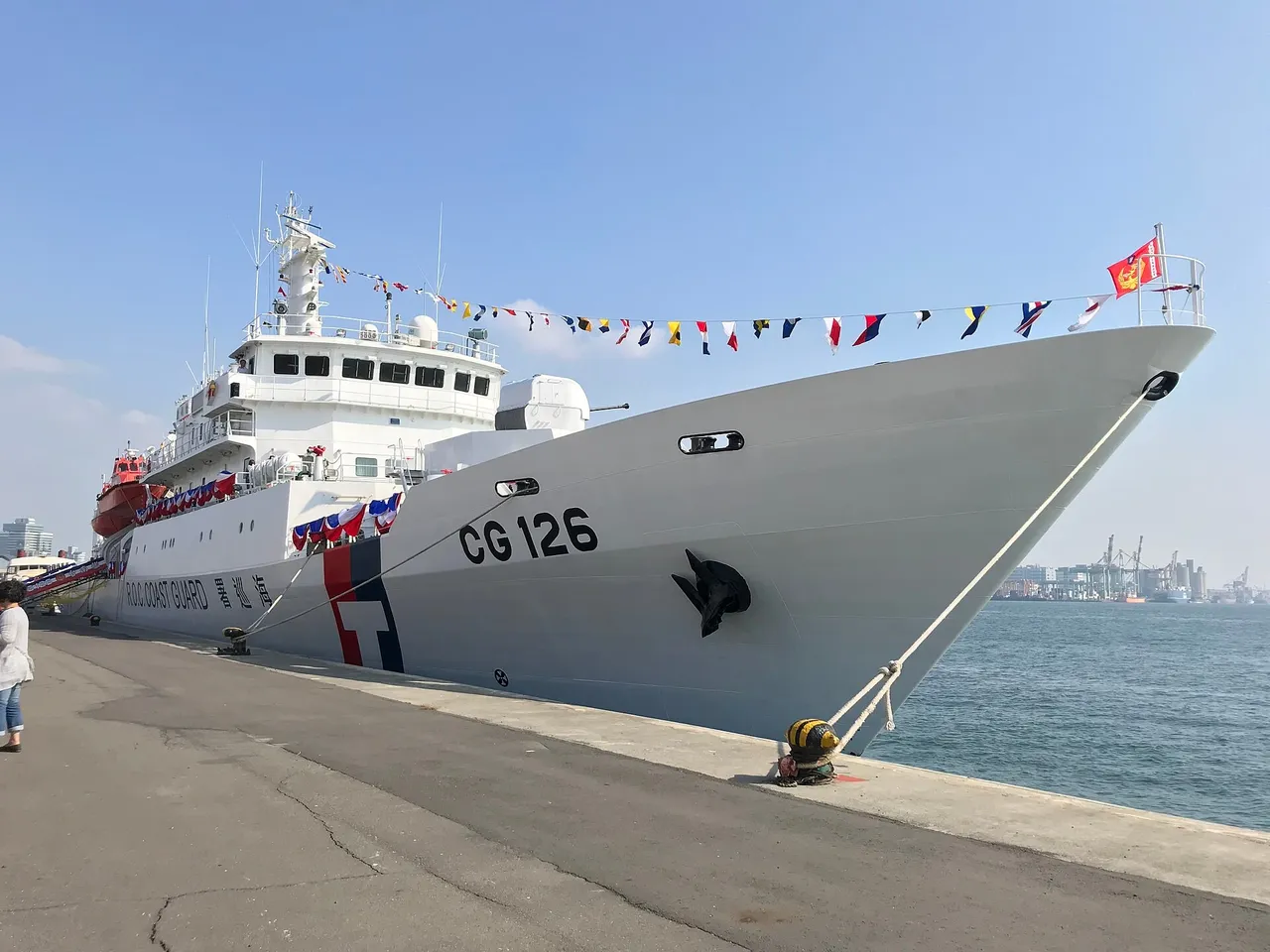
Taiwan's coast guard shadows a Chinese survey ship that lowered a sensor off Kaohsiung
The Coast Guard Administration says the research ship Haiyang Dizhi 8 and four militia fishing boats surveyed illegally in Taiwan's southwestern economic zone.
TaiwanDefence · 5h ago · 3 min read

PLA graft chief Zhang Shengmin joins the Politburo as the plenum seals Zhang Youxia's expulsion
The party plenum closed on 29 October by ratifying the purge of 16 senior officers and leaving the Central Military Commission with just two members.
TaiwanDefence · 5d ago · 3 min read
Discussion (0)
Comments are not currently available.