
Taiwan's NT$55.9bn drone and sea-drone buy reaches committee as the opposition questions its timing
A supplementary budget carrying three uncrewed systems and the Chiang-Kong missile defence package cleared its first step in Taiwan's legislature on Tuesday.
TAIPEI —
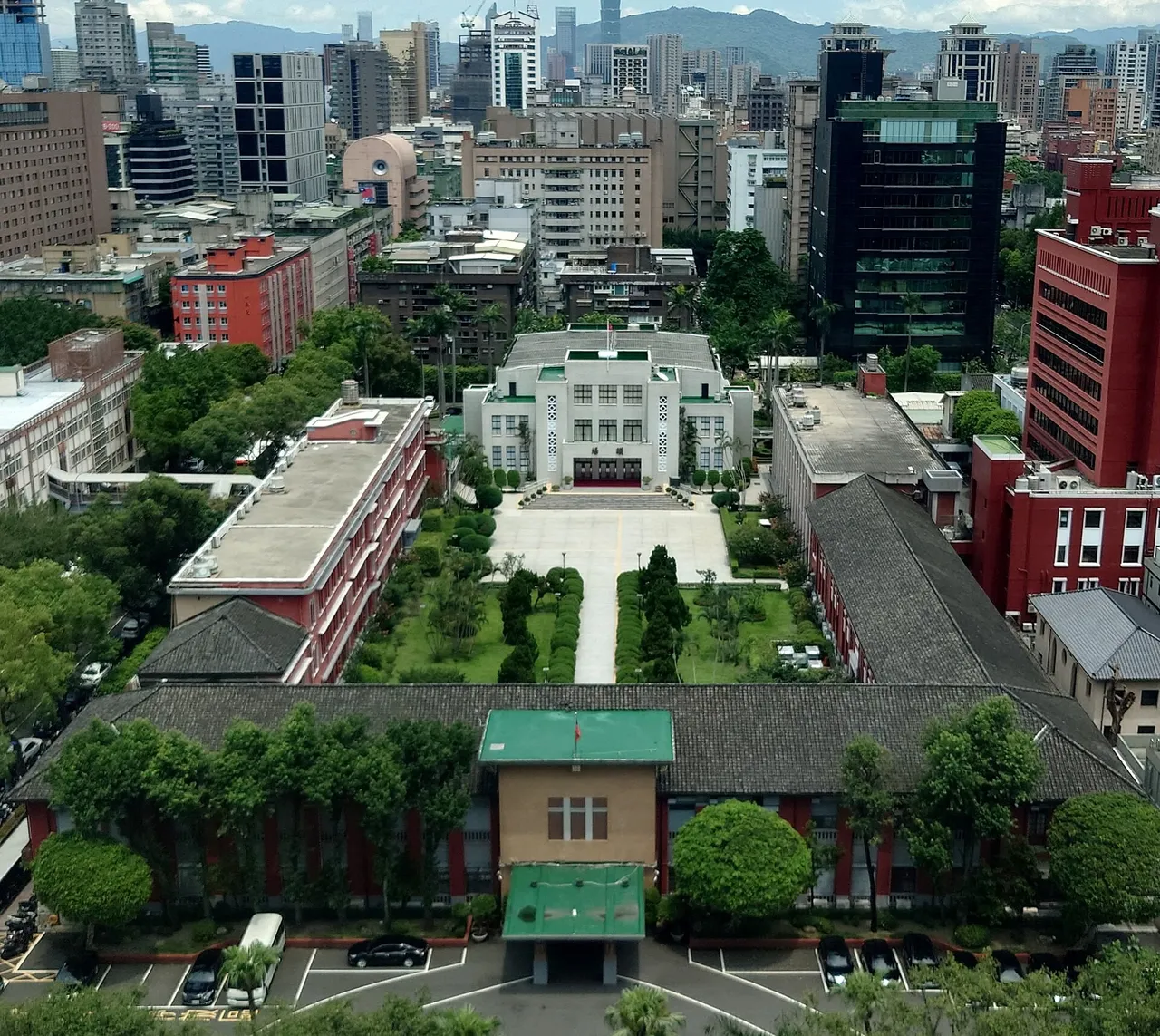
A supplementary budget that carries money for Taiwan's military drone programme and a new missile defence system advanced to committee review in the Legislative Yuan on Tuesday 3 November, after Premier Cho Jung-tai briefed lawmakers on the plan and took their questions, the Central News Agency reported.
The Cabinet's request totals NT$607.6 billion, or about US$18.51 billion. Of that, NT$145.7 billion is defence spending that opposition lawmakers had earlier rejected, intended for uncrewed systems and a new surface-to-air defence system, according to the news agency. Reports by the China Times and TVBS put the military investment portion of the defence request at NT$133.4 billion.
What the money would buy
NT$55.9 billion is set aside for three types of uncrewed systems that the Ministry of National Defense wants to field: coastal attack drones, coastal reconnaissance drones and small one-way uncrewed surface vessels, the Central News Agency said.
Another NT$13 billion would fund a package of seven items that includes a midcourse anti-ballistic missile system, the Chiang-Kong missile developed by the state-owned National Chung-Shan Institute of Science and Technology. The plan also holds NT$64.5 billion in classified funding for two projects, which the news agency said are believed to cover money the legislature previously cut from Taiwan-US co-development programmes.
Separately, NT$11.1 billion is earmarked for higher allowances for groups that include military personnel and coast guard staff assigned to dangerous or special duties.
Opposition challenges the year-end timing
Kuomintang legislator Ma Wen-chun used the session to question why the drone money was placed in a supplementary budget for 2026 with so little of the year left. She noted that a law passed earlier by the legislature to strengthen defence self-reliance and develop the uncrewed vehicle industry requires the central government to budget NT$240 billion over six straight years, or roughly NT$40 billion a year, for these drones and boats.
Ma argued that the Armaments Bureau still has to run tenders and commission production, so the purchases could not realistically be completed this year. She also pointed out that next year's defence budget already stands at a record NT$1.1 trillion and asked why the drone programme was not built into it, describing the arrangement as outrageous, according to the China Times and TVBS.
Ministers explain the route
Defence Minister Wellington Koo replied that the drone law was promulgated only on 11 September, while the ministry had already sent its 2027 budget to the legislature at the end of August, so the procurement could not be included. He conceded that if it had been clear before the end of August that a special budget would not be possible, the ministry would have had time to add the money to its annual request.
Cho said the Cabinet had first planned to fund the programme through a special budget and switched to a supplementary request later. Waiting until next year, he said, would require yet another supplementary budget for 2027. Koo said the ministry wants to spend the money across 2026 and 2027 to close what he called a strategic gap quickly, and warned that if the funds are not approved now the plans could slip to 2028.
Cho told lawmakers he could ask the defence ministry to set out a timetable for spending the money and push to complete the work this year and next, according to TVBS and the China Times.
With the premier's briefing finished, the request now moves to review by the legislature's committees, the Central News Agency reported.
Sources
More in Industry
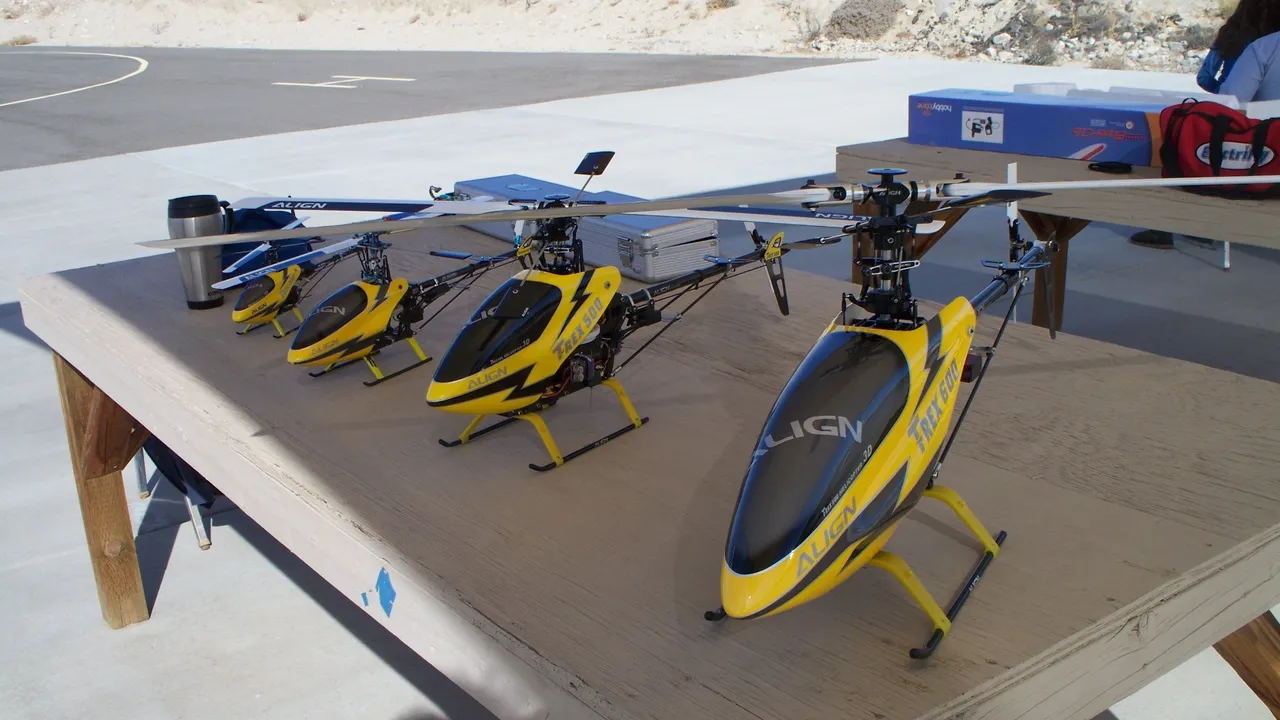
Chips marked CN inside army training drones land a famed model-helicopter maker's founder in custody
Taichung prosecutors won detention of Align's founder and his wife after army teardowns found Chinese chips in two batches of training drones.
TaiwanDefence · 5d ago · 3 min read
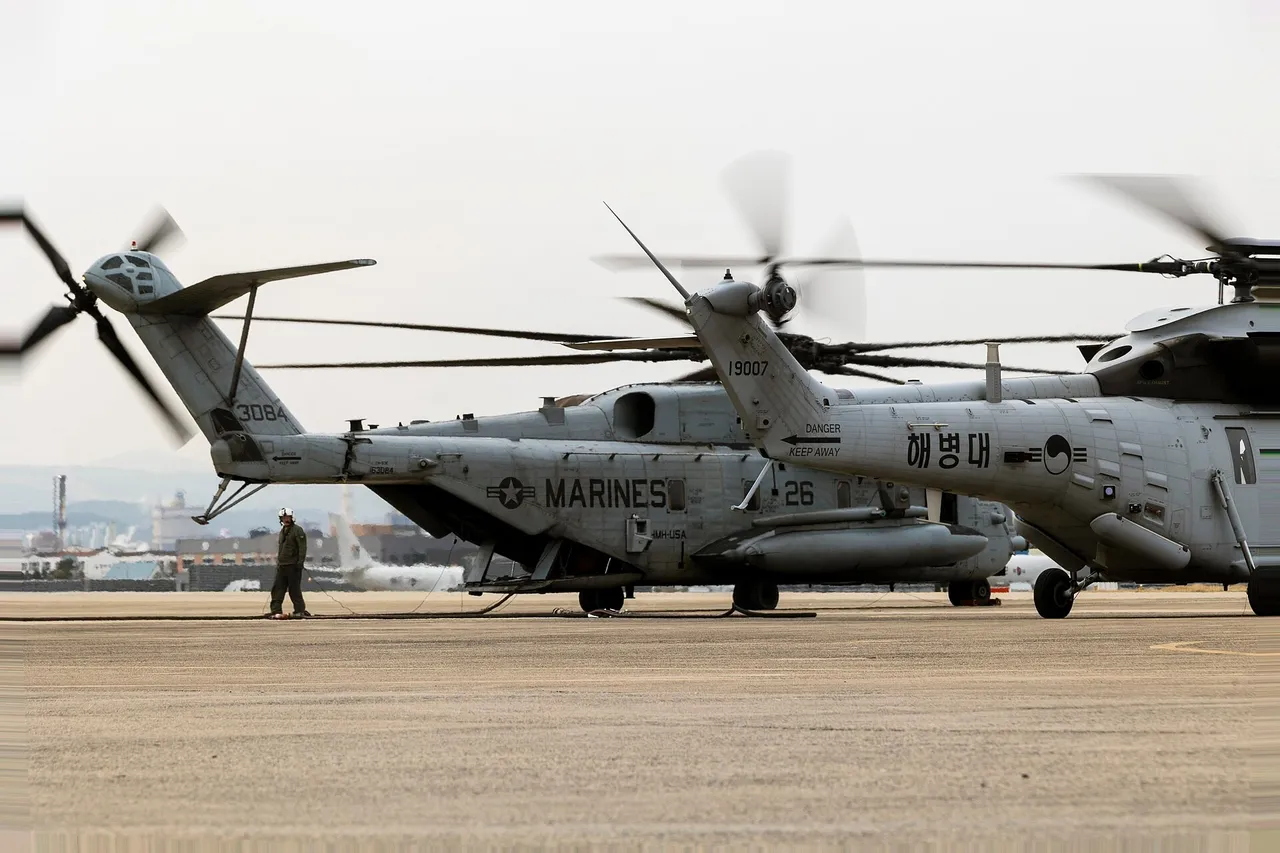
South Korea finishes developing its own Marine attack helicopter, with production due to start in 2027
The arms agency says the Surion-based Marine Attack Helicopter has fired all four of its weapons, including an air-to-air missile, and will move into production in 2027.
TaiwanDefence · 6d ago · 3 min read

India's tri-service headquarters signs a five-year AI pact with Sarvam that covers targeting
Headquarters Integrated Defence Staff and Bengaluru firm Sarvam set up an umbrella framework for AI projects across India's Army, Navy and Air Force.
TaiwanDefence · 28 Oct 2026 · 2 min read
Discussion (0)
Comments are not currently available.