
Fijian committee puts Australia defence treaty on hold as Rabuka vows another route
A Fijian parliamentary committee wants talks reopened on the Veitacini defence treaty with Australia, citing visiting forces and intelligence sharing.
TAIPEI —
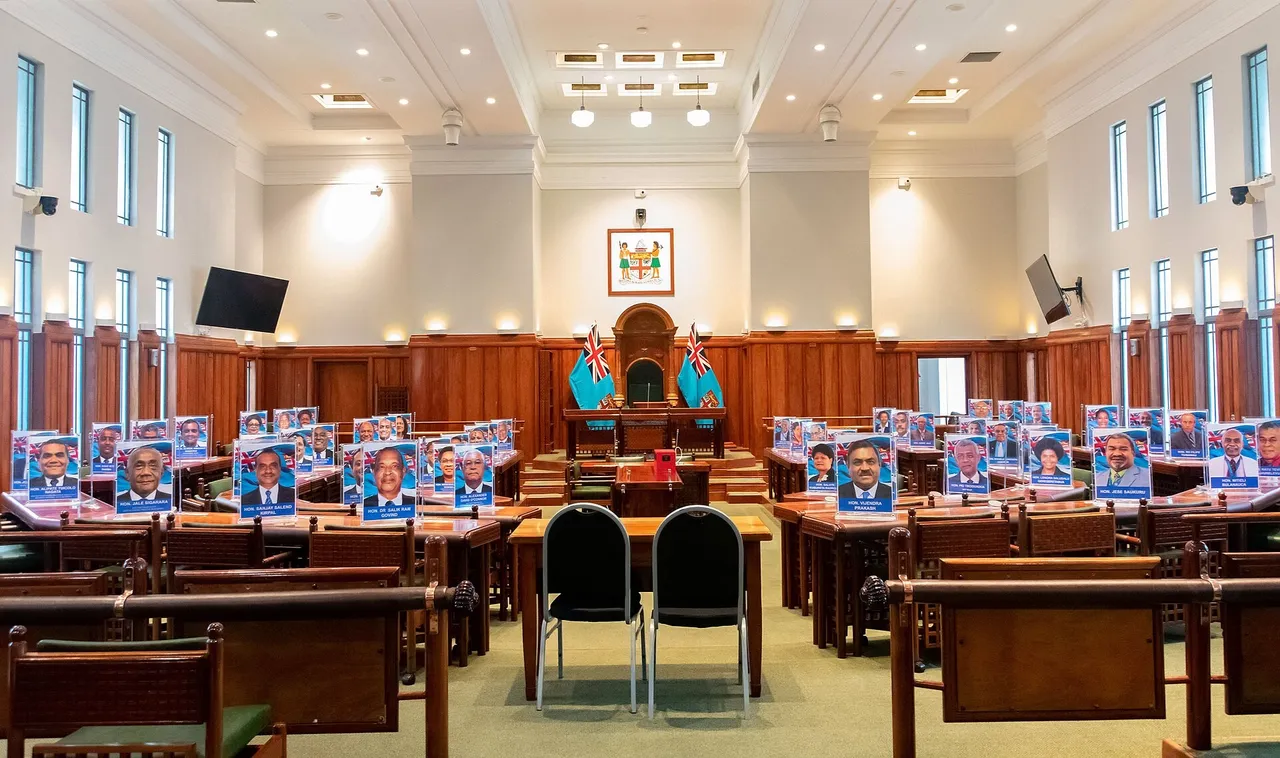
A Fijian parliamentary committee has advised against ratifying Fiji's new security and partnership treaties with Australia for now, putting on hold a pact that Canberra had presented as one of its most significant undertakings. The Standing Committee on Foreign Affairs and Defence recommended that Parliament defer ratification of the Fiji-Australia Vuvale Union and the Ocean of Peace Alliance, also called the Veitacini Treaty, and that the government reopen negotiations with Australia first.
The committee chair, Lenora Qereqeretabua, presented the review report to lawmakers. She is also the deputy speaker of Parliament and an assistant minister of foreign affairs in the government.
What the two agreements are
The two agreements were signed in Suva in July by Australian Prime Minister Anthony Albanese and Fijian Prime Minister Sitiveni Rabuka. Both governments said they would deepen cooperation on security, economic development, climate resilience and regional stability. The Vuvale Union is the broad political and economic framework, while the Veitacini Treaty is the defence and security pillar within that wider partnership.
The committee's defence concerns
On the Veitacini Treaty, the committee said it was particularly concerned about how mutual defence obligations would be interpreted, about arrangements for visiting forces and a foreign military presence, about intelligence sharing and security engagements with third parties, and about protecting the constitutional authority of Fiji over its own defence and national security decisions. It called for clear legal and operational safeguards on military deployments, jurisdiction, accountability and environmental protection, and for parliamentary scrutiny of future defence arrangements.
The committee also argued that any defence cooperation must preserve the independent and non-aligned foreign policy of Fiji. On the Vuvale Union, it questioned whether closer economic and institutional integration could limit the ability of Fiji to keep independent ties with other development partners, and it raised the protection of critical infrastructure and sovereign data and the transparency of a proposed ten-year work plan and its financial commitments.
Beyond the substance, the report criticised the way the treaties were made. It noted that there had been no comprehensive public consultation before signing and that the office of the Solicitor-General had not answered the committee's written questions seeking legal clarification. It also listed drafting and editorial flaws, including an error in the signature block, no definition of the term party and no clear identification of the signatories. The committee stressed that deferral did not amount to rejecting the treaties or the friendship of Fiji with Australia.
Government pushes back
Rabuka said he was very disappointed with the recommendation and that his government would take another route in Parliament. According to PINA, he intends to move a motion asking lawmakers to give their view on the proposed association and cooperation arrangements, which he argues would bring significant benefits to Fiji.
Foreign Minister Sakiasi Ditoka told MaiTV that the government should take note of the findings but continue on the path already chosen, arguing that too much was at stake to delay and that the concerns could be addressed during implementation. He dismissed fears that the agreements would expose Fiji to security risks, saying the country had sufficient safeguards, regional partners supporting its security interests and its own government assessments.
Why it matters
The setback follows earlier criticism at home. In September, Ratu Tevita Mara, one of the most prominent traditional leaders in Fiji, urged lawmakers to vote the agreements down. The committee's report now puts questions about visiting forces, foreign military presence and intelligence sharing at the centre of the debate in Suva, and it leaves the defence pillar of Australia's partnership with Fiji waiting on a parliamentary fight whose outcome is not yet clear.
Sources
More in Indo-Pacific
Independent Australian inquiry urges the government to scrap the AUKUS submarine deal
A union and community-backed inquiry led by Peter Garrett and ex-defence chief Chris Barrie calls AUKUS too costly and risky. Canberra rejects it.
TaiwanDefence · 3h ago · 3 min read
Japan's army plans a single command system for its missiles and artillery to defend its southwest islands
The Ground Self-Defense Force wants one battlefield map for air defence, anti-ship missiles and guns from as early as 2030, with at least 17.9 billion yen requested.
TaiwanDefence · 12h ago · 3 min read
Philippine military counts 80 Chinese warships and coast guard ships in its waters in October
The armed forces say the Chinese presence fell from 101 vessels in September, while the coast guard is still trying to work out what a Chinese craft is doing inside Scarborough Shoal.
TaiwanDefence · 15h ago · 3 min read
Discussion (0)
Comments are not currently available.