
Taiwan think tank urges rough-sea tests and shared standards for the military's 1,320 drone boats
A DSET report says Taiwan's navy and coast guard should test sea drones in Taiwan Strait weather and set common standards before buying in bulk.
TAIPEI —
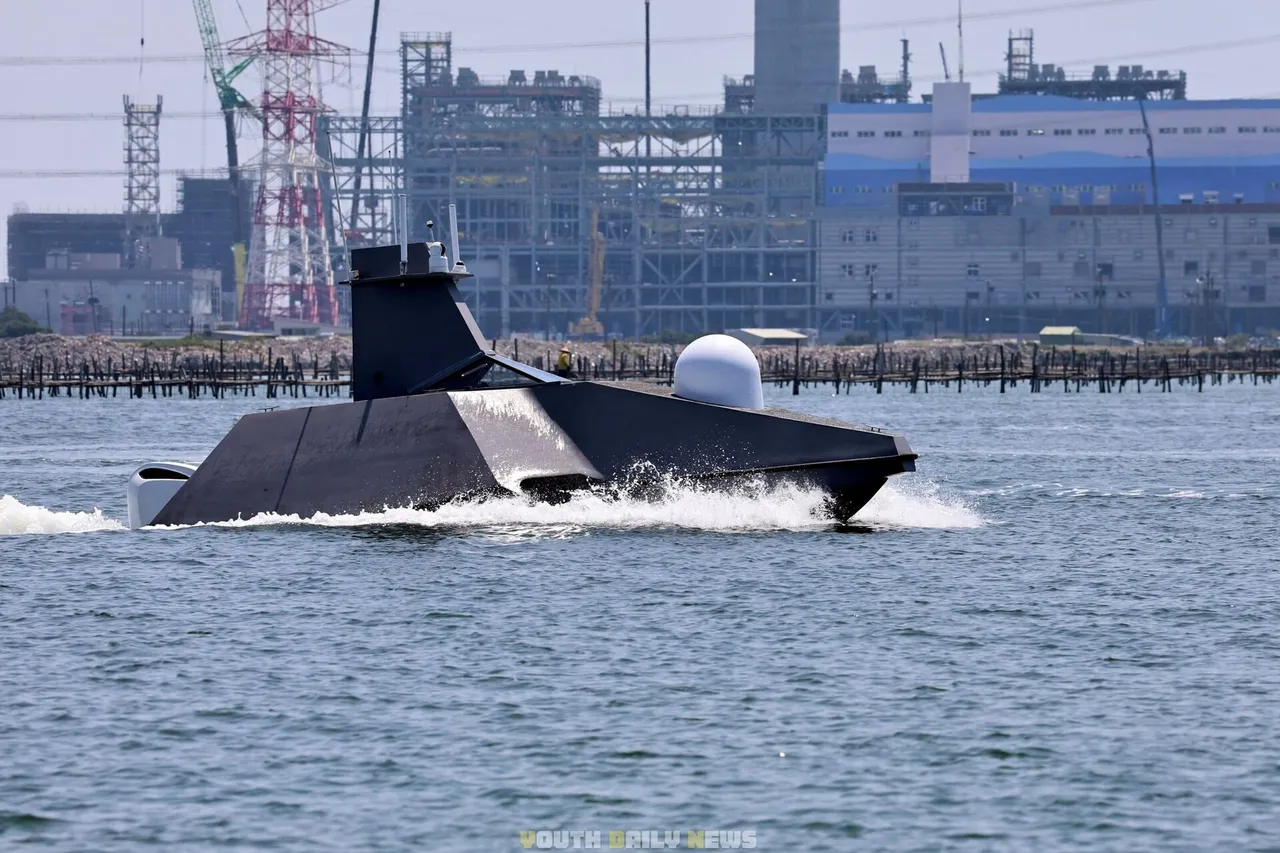
A Taiwanese think tank has urged Taiwan's navy and coast guard to test their planned sea drones against the rough conditions of the Taiwan Strait and to set common technical standards before buying in bulk. The Research Institute for Democracy, Society and Emerging Technology (DSET) presented its policy report on building a Taiwanese fleet of uncrewed surface vessels on 4 November at the first MATURE TAIWAN marine technology show in Tainan.
The report was written by Cathy Fang, deputy head of the institute's national security division, and policy analyst Samara Duerr. It draws on interviews with developers in Taiwan, Ukraine and the United States, on government data and on case studies of how Ukraine has used sea drones against Russia.
Two services, two kinds of drone boat
The report sets out the plans already on the table. The Ministry of National Defense has stated a requirement for 1,320 small one-way attack drone boats, meant to strike enemy amphibious and logistics ships. The Coast Guard Administration plans reusable surface drones and underwater vehicles for routine surveillance, ship identification and inspection of undersea installations. DSET notes that the two programmes differ in mission, technical specification and maintenance needs.
According to the report, Taiwan's shipyards can design and build hulls and expand output by sharing work, but integrating communications, navigation, sensors, autonomy and command systems remains difficult. Suppliers also define and test seaworthiness, communication range and multi-boat control in different ways, which makes it hard to compare platforms or judge bids. The report adds that public plans say little about how the attack boats would be employed, and that Taiwan has no common mission-level framework for testing and validation.
What the institute recommends
DSET wants the navy and coast guard to write winter weather, heavy seas, signal interference, degraded satellite navigation and limited satellite links into their acceptance criteria, and then to buy in phases with demonstrations and upgrades along the way. It calls for shared standards for communications protocols, data exchange and command interfaces so that boats from different suppliers can work together, and for the one-way attack boats to be proven through staged experiments within Taiwan's maritime denial plans before larger numbers are fielded.
Drawing on Ukraine, the report says sea drones there have grown from single-use attack craft into modular platforms that can carry air defence missiles, aerial drones and electronic warfare equipment. It recommends that Taiwan add multi-mission modular boats to its plans, size purchases by combat need, expected losses and cost, and strengthen backup communications and autonomous navigation. On partnerships, it suggests three-way work with Ukraine through the United States or Japan on co-development, licensing and dispersed production.
Debate at the launch
At the launch panel, Marvin Park of the US drone boat maker Saronic argued that a boat built for only one type of mission may limit its users, and said navies want craft that can switch from peacetime patrol to combat payloads. A vice president of Taiwanese shipbuilder CSBC said common small and medium hulls fitted with mission kits would avoid wasting money, and that crewless boats could watch for Chinese fishing and coast guard harassment around the clock. Fang said buying in small batches mattered because the technology changes quickly, and that the defence ministry should explain what the boats are meant to do so outsiders can judge whether 1,320 is enough.
The report lands amid an argument over the navy's current drone boat tender. The Liberty Times has reported criticism that the tender requires boats to withstand only force 5 winds, roughly sea state 4, although the winter monsoon often brings sea states of 4 to 6, and that each bidder must field its own mobile command vehicle and communications. Sean Plankey, who heads the US arm of the Ukrainian-founded drone firm UFORCE, told the paper that its boats can operate in sea state 4 and survive sea state 6, and argued that interoperability is essential.
Why it matters
Fang told the panel that the 1,320 boats are to be bought over six years, with about five and a half years of actual delivery, or roughly 220 a year, and said other roles such as logistics, surveillance, teaming with crewed forces and counter-drone work also deserve discussion. The report argues that turning Taiwan's hull-building capacity into usable combat power depends on whether the boats can communicate, operate in winter seas and work as one fleet, questions the navy will face as the programme moves from tender to delivery.
Sources
More in Navy
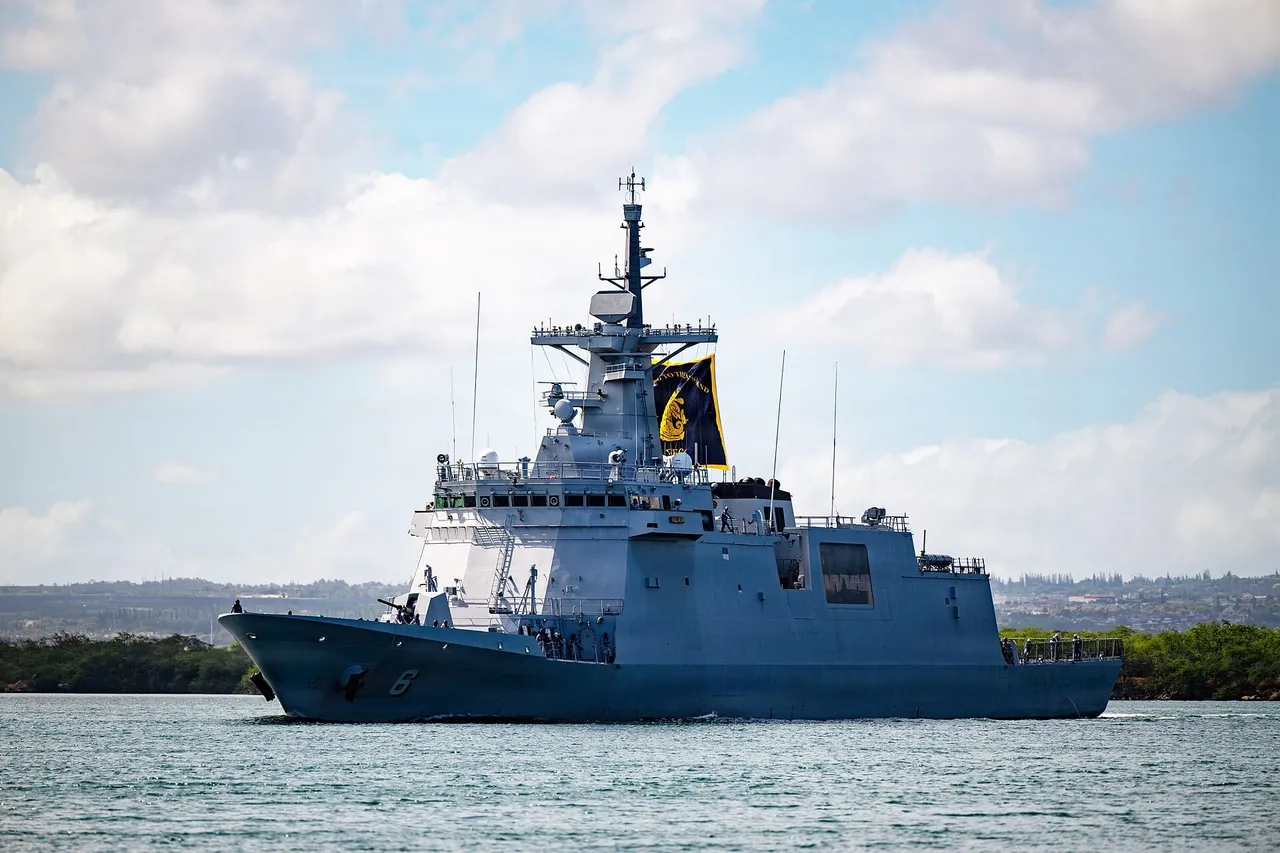
HD Hyundai starts building the first of two new frigates for the Philippine Navy
The South Korean shipbuilder cut steel in Ulsan for the lead 3,200-ton ship of a 2025 order and says it wants to beat the 2029 delivery schedule.
TaiwanDefence · 4h ago · 3 min read
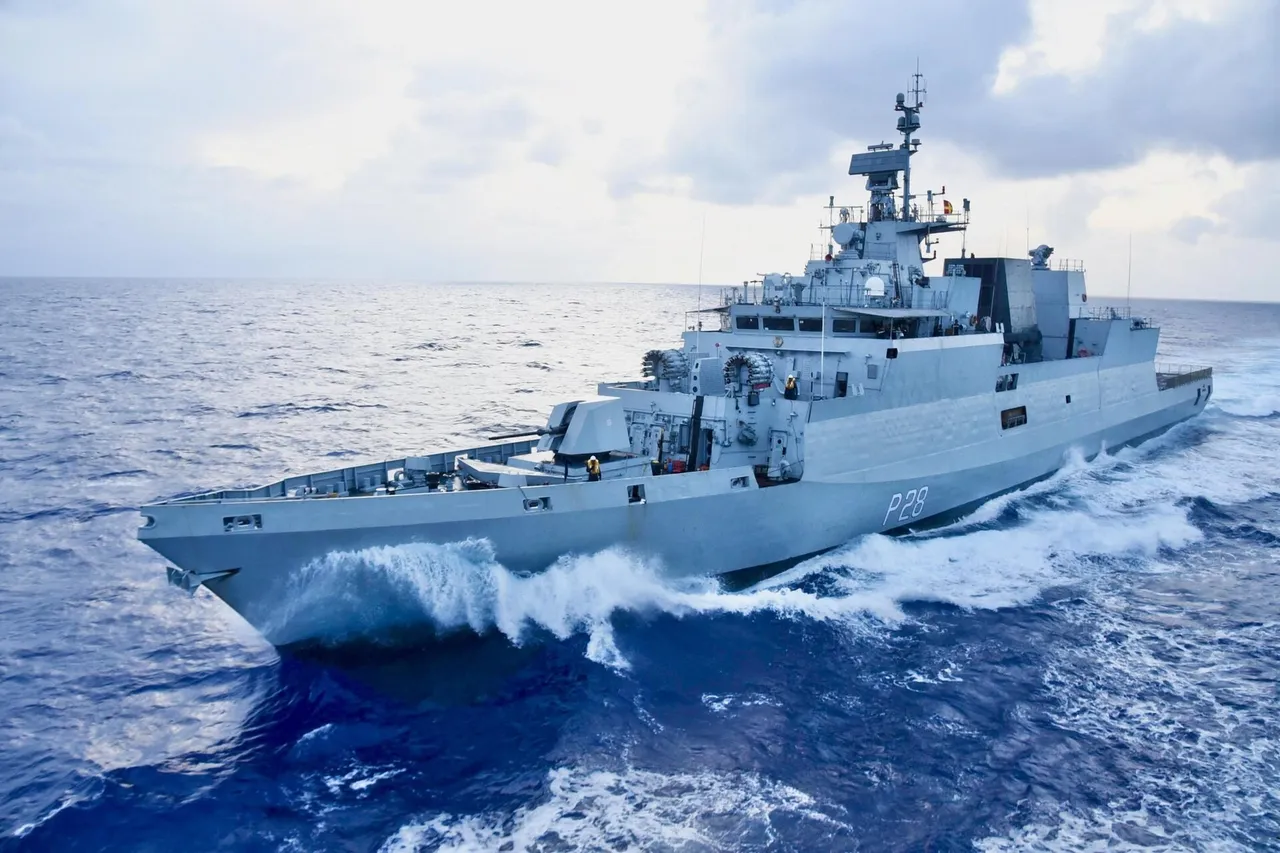
India orders eight 4,950-ton corvettes from two state shipyards in a $5.7bn naval deal
India's defence ministry signed contracts worth 53,866.5 crore rupees with GRSE and Goa Shipyard for eight Navy-designed next-generation corvettes.
TaiwanDefence · 7h ago · 3 min read
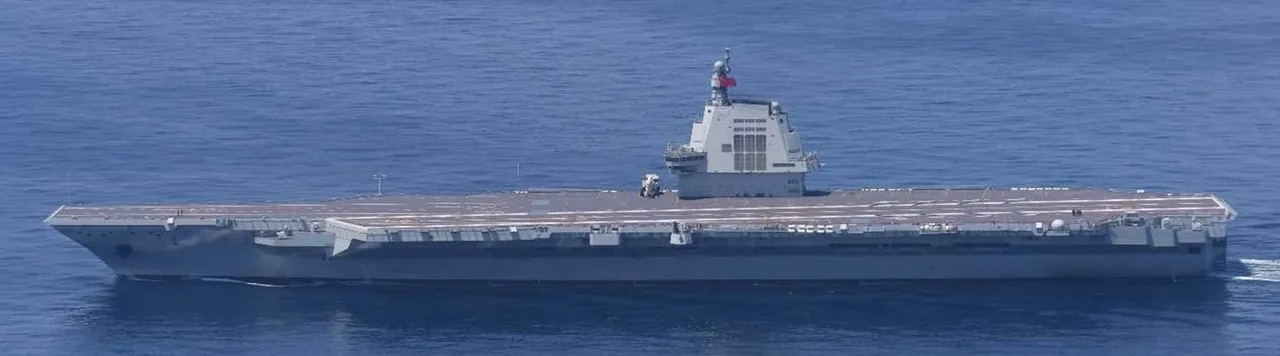
China has two aircraft carriers at sea as Taiwan counts more than 100 Chinese ships in the Western Pacific
Taiwan's security chief says Chinese navy and coast guard deployments have doubled in a week, as satellite images place the Fujian and Liaoning in separate seas.
TaiwanDefence · 14h ago · 3 min read
Discussion (0)
Comments are not currently available.