
India orders eight 4,950-ton corvettes from two state shipyards in a $5.7bn naval deal
India's defence ministry signed contracts worth 53,866.5 crore rupees with GRSE and Goa Shipyard for eight Navy-designed next-generation corvettes.
TAIPEI —
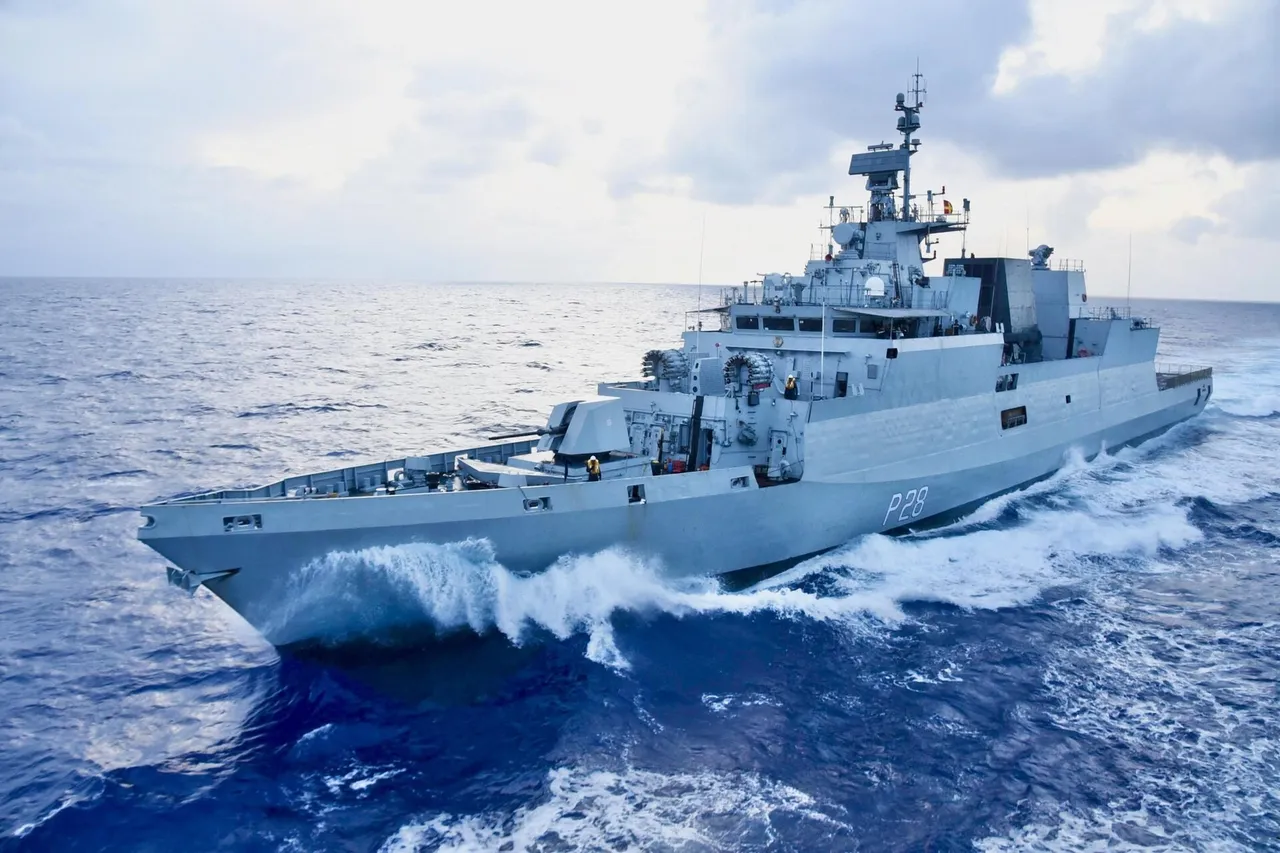
India's Ministry of Defence signed contracts worth 53,866.5 crore rupees, about US$5.7 billion, on 2 November with two state-owned shipyards for eight next-generation corvettes for the Indian Navy. Garden Reach Shipbuilders and Engineers, based in Kolkata, will build five of the ships and Goa Shipyard Limited will build the other three. The contracts were signed in New Delhi in the presence of Defence Secretary Rajesh Kumar Singh.
The ministry described the programme as the first in which warships designed by the Indian Navy will be built by defence public sector shipyards chosen through a competitive process rather than by nomination. Naval News reported that GRSE had come in as the lowest bidder, and that the Cabinet Committee on Security cleared the project on 28 October, days before the signing.
A corvette in name, a frigate in size
Naval News, citing project details, put the ships at 127.4 metres long with a displacement of 4,950 tons and a top speed of 26 knots, with a crew of 11 officers and 139 sailors and a hangar for a helicopter or a drone. At that size the new corvettes would be larger than some of the frigates India already operates, including the Talwar class.
According to a GRSE statement quoted by Naval News, the planned weapons include medium-range anti-ship missiles, medium-range surface-to-air missiles, 324 mm torpedo tubes, an upgraded 76 mm gun and an AK-630 close-in weapon system, with a multi-function surveillance and guidance radar and an infrared search and track sensor. Naval News said a low-resolution render shown at the signing suggested up to 16 anti-ship missiles in inclined launchers and 16 air-defence missiles in two vertical launch units, and that the ships may be among the first to carry the turbojet-powered NASM-MR anti-ship missile under development by DRDO, India's defence research agency, which first flew in June 2026.
Roles and timeline
The defence ministry said the corvettes will be able to operate in the air, surface and underwater domains, and listed their tasks as anti-surface and anti-submarine warfare, coastal defence, littoral combat, maritime surveillance and the protection of sea trade routes. Naval News reported that both yards aim to launch their first ships in late 2029 and that deliveries are expected to begin by 2031.
The requirement has been in the works for a decade. A request for information for seven corvettes went out in 2016, and the number rose to eight when the Defence Acquisition Council approved the project in June 2022, Naval News reported.
Industry and jobs
Defence Minister Rajnath Singh said on X that the project would strengthen links between state shipyards, private yards and smaller Indian suppliers. The ministry estimated that building the ships will create about 7.2 million person-days of work in the shipyards and about 46 million person-days in supplier industries over the next ten years. Naval Today noted that the Indian Navy commissioned three GRSE-built warships in June this year.
Why it matters
The order adds eight heavily armed surface combatants to an Indian naval building programme that already includes new destroyers and landing ships in the approval pipeline, according to Naval News. For the wider Indo-Pacific, it marks a further step in India's push to field more and larger warships built at home, though the first hulls are not expected in the water until the end of the decade.
Sources
More in Navy
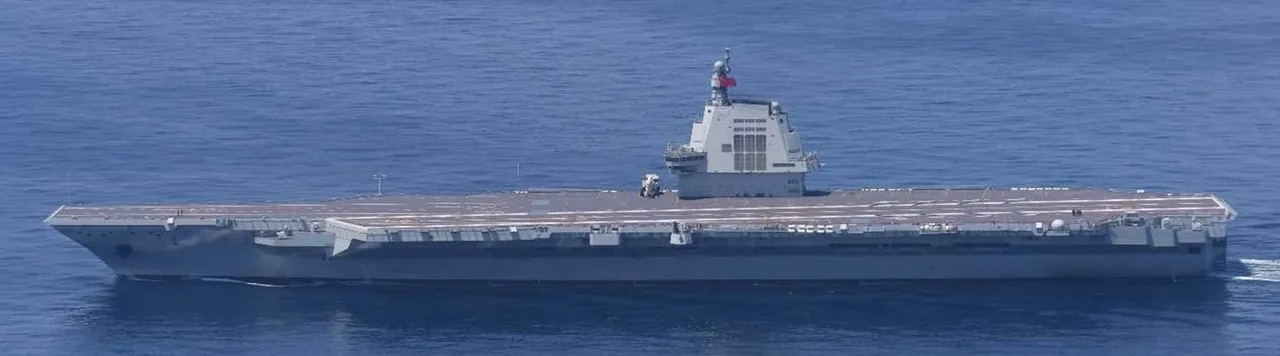
China has two aircraft carriers at sea as Taiwan counts more than 100 Chinese ships in the Western Pacific
Taiwan's security chief says Chinese navy and coast guard deployments have doubled in a week, as satellite images place the Fujian and Liaoning in separate seas.
TaiwanDefence · 7h ago · 3 min read
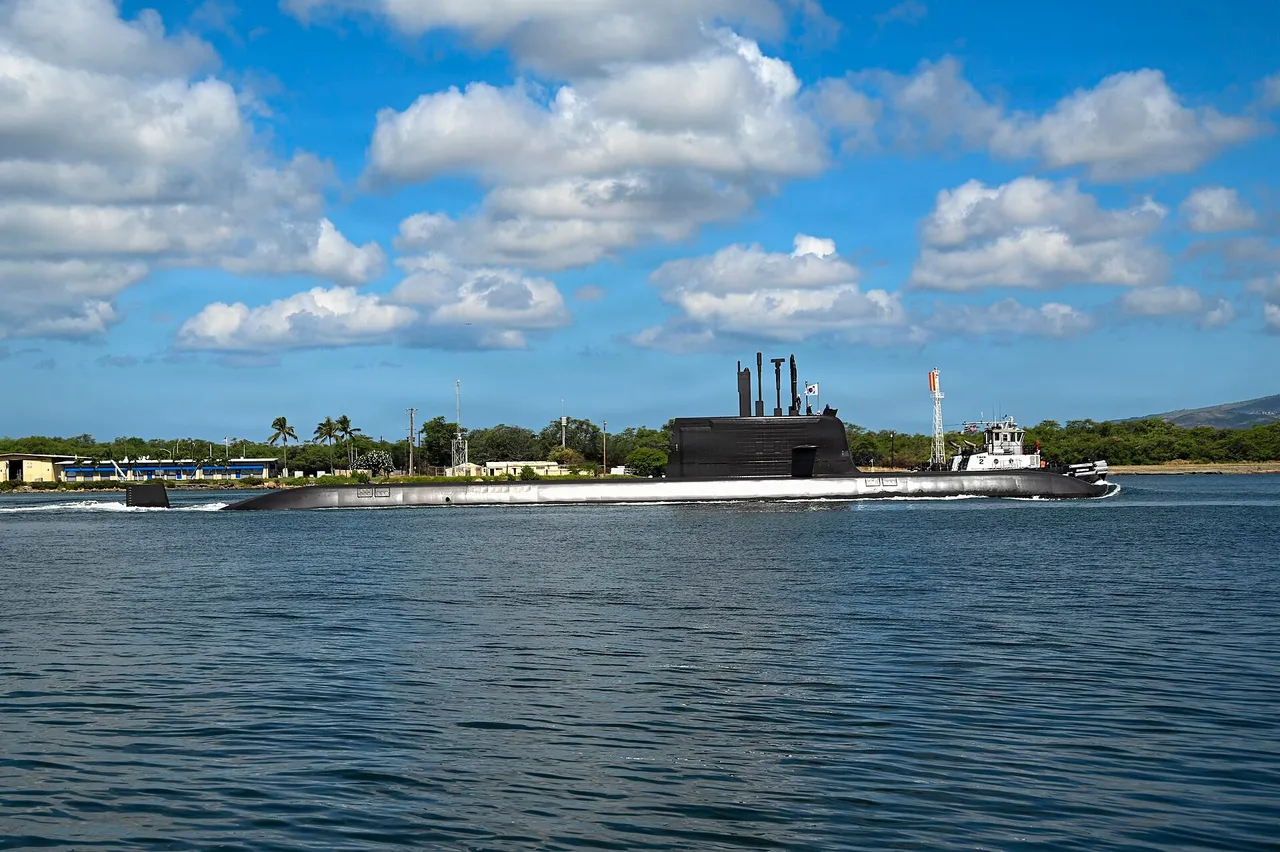
South Korea launches Seo Hui, its second 3,600-ton submarine built to carry ballistic missiles
The KSS-III Batch-II boat entered the water at Geoje with lithium-ion batteries and 70 home-built systems, and is due to join the navy in 2028.
TaiwanDefence · 10h ago · 2 min read
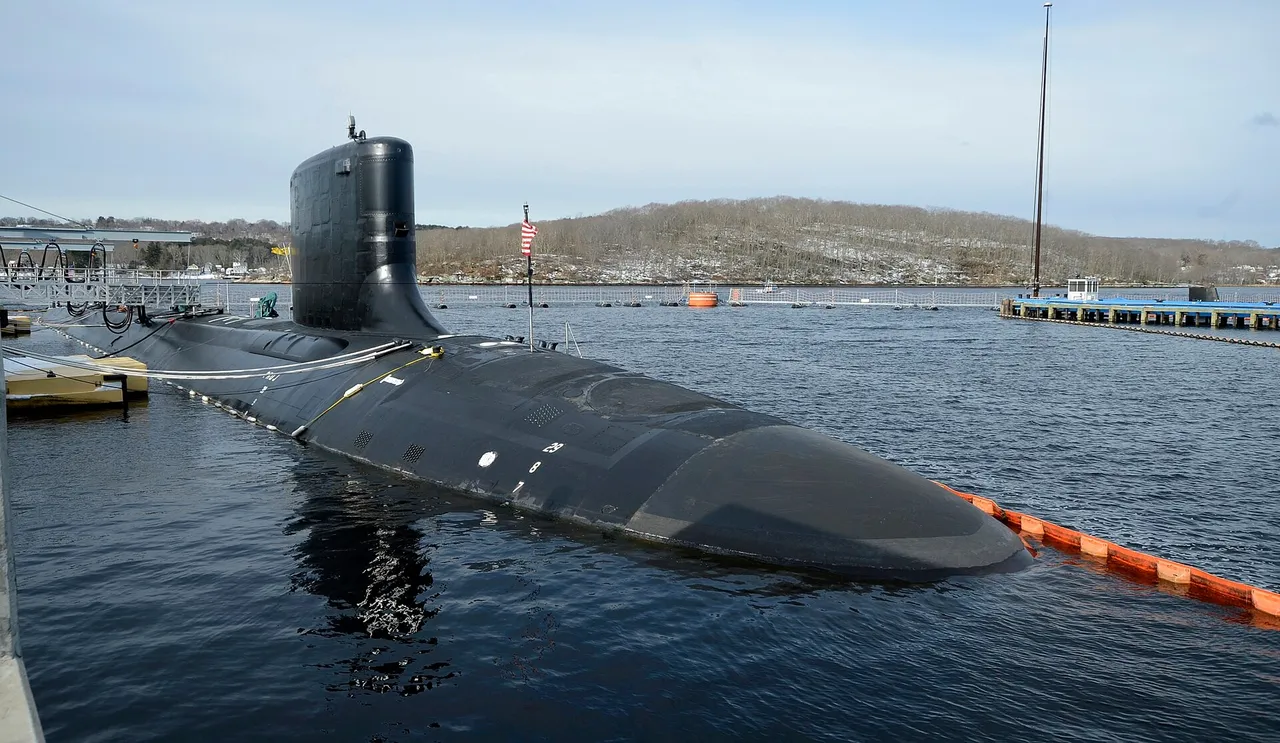
USS Colorado will be the first US attack submarine to rotate through Western Australia under AUKUS
The US, Australia and Britain named the Virginia-class boat as the first for Submarine Rotational Force-West at HMAS Stirling, starting in late 2027.
TaiwanDefence · 27 Oct 2026 · 3 min read
Discussion (0)
Comments are not currently available.