
Independent Australian inquiry urges the government to scrap the AUKUS submarine deal
A union and community-backed inquiry led by Peter Garrett and ex-defence chief Chris Barrie calls AUKUS too costly and risky. Canberra rejects it.
TAIPEI —
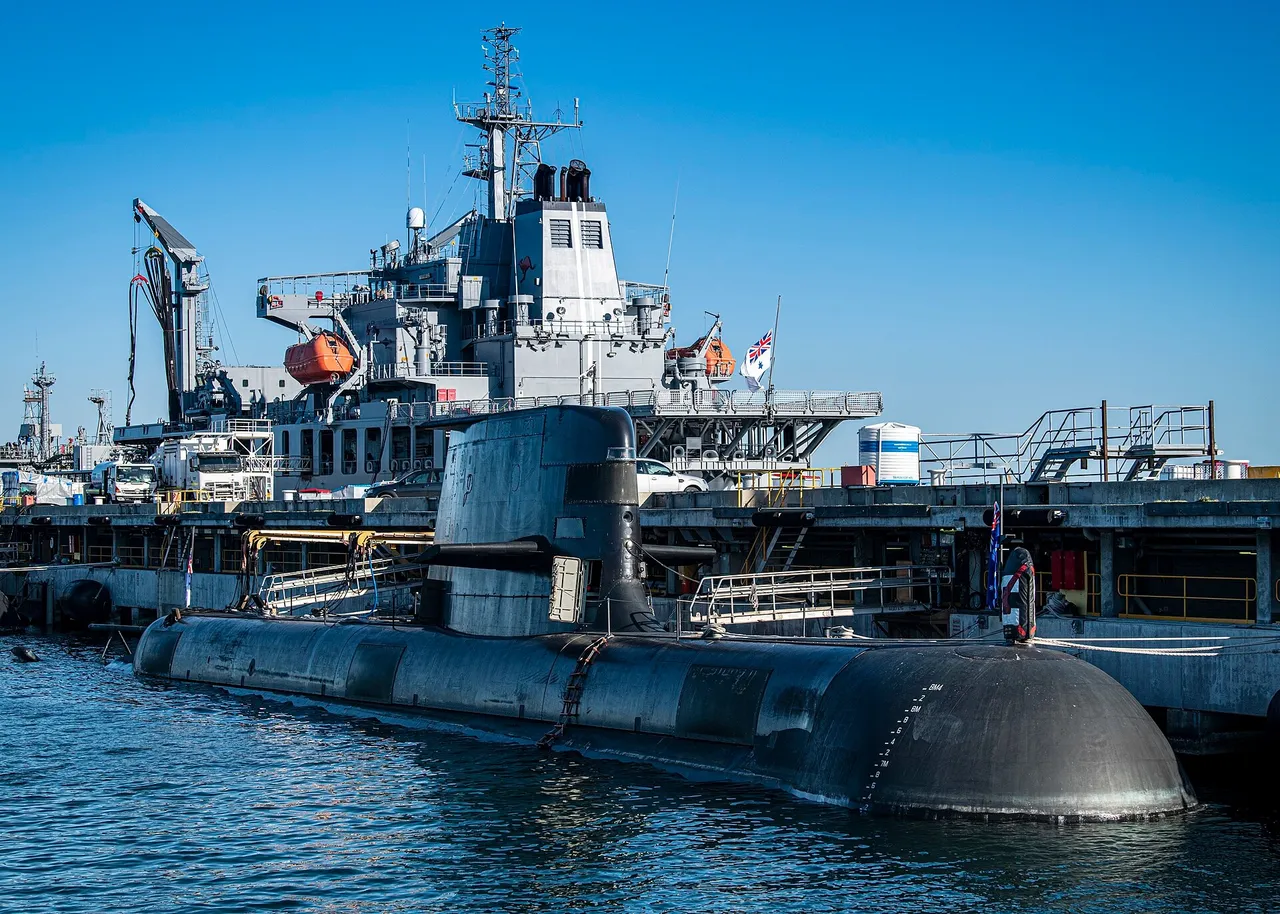
An independent public inquiry into Australia's AUKUS nuclear submarine plan has recommended that the government terminate the A$368 billion programme. The report was released on 4 November and launched at the National Press Club in Canberra by former Labor minister Peter Garrett and retired Admiral Chris Barrie, who led the Australian Defence Force from 1998 to 2002.
The inquiry is not a government or parliamentary body. It was convened by the Australian Peace and Security Forum and backed by unions, community groups and former officeholders, who raised about A$220,000 in public donations to fund it. It received more than 1,000 written submissions and heard evidence over 10 days in eight cities. The Guardian described the panel as dominated by critics of the agreement.
What the report recommends
The report, titled Surrendering Australia: The AUKUS Deception, makes 17 recommendations. The central one is that the nuclear submarine plan be scrapped. It also seeks a royal commission into the agreement signed by the former Morrison government, and separate reviews of the programme by the Australian National Audit Office and the federal parliament.
Further recommendations would halt work on the submarine construction facilities at the Osborne naval precinct in Adelaide, end the secondment of Australian submariners to American boats, suspend US submarine operations near Perth and pause plans for new bases. In place of the nuclear-powered boats, the inquiry wants the government to develop a cheaper replacement for the ageing Collins-class fleet.
The inquiry treats the technology side of the pact differently. InnovationAus reported that it wants the advanced technologies pillar, which covers capability and technology sharing among the three partners, reviewed and recast on its own rather than abandoned along with the submarine deal.
The inquiry's case
The report argues that the programme is unlikely to deliver what it promises and could leave the navy without an effective submarine fleet. It warns that the United States and Britain could walk away without handing over submarines while keeping billions of dollars that Australia has put into their shipbuilding industries, questions whether the delivery timetable can be met, and says running three submarine classes at once could place heavy strain on Defence personnel.
Drawing on evidence it heard, the inquiry estimates that handling nuclear waste could add A$180 billion to the cost; no official estimate for waste has been published, and Australia has not chosen a permanent storage site. Garrett told the press club that the Stirling naval base near Perth risked becoming a de facto US base with as many as 2,000 American personnel. Barrie argued that Australia should recalibrate its approach to China and put far more into diplomacy.
The government's response
Government ministers dismissed the inquiry as a stitch-up by opponents of the deal, the Guardian reported. A spokesperson for Defence Minister Richard Marles said AUKUS remained a core pillar of the government's national security policy and that the 2026 National Defence Strategy reconfirmed that Australia faced its most challenging strategic circumstances since the Second World War. The government also said the pact had already faced extensive parliamentary scrutiny and would create about 20,000 direct jobs over three decades.
Under the current plan, Australia is due to receive its first second-hand US Virginia-class submarine in 2032, with another arriving every four years, before the first Australian-built SSN-AUKUS boat enters service in 2042. The government's preferred measure puts the programme's lifetime cost at 0.15 percent of GDP.
Why it matters
The report has no formal standing, and the government has given no sign that it will change course. It does, however, gather in one document the objections raised by former prime ministers Paul Keating and Malcolm Turnbull, now backed by a former defence chief, at a time when delays in US submarine production keep doubts about the 2032 delivery alive. Canberra presents AUKUS as the core of its plan to give the defence force greater reach and to contribute to regional security, so the strength of domestic support for the pact matters to Australia's partners across the Indo-Pacific.
Sources
More in Indo-Pacific
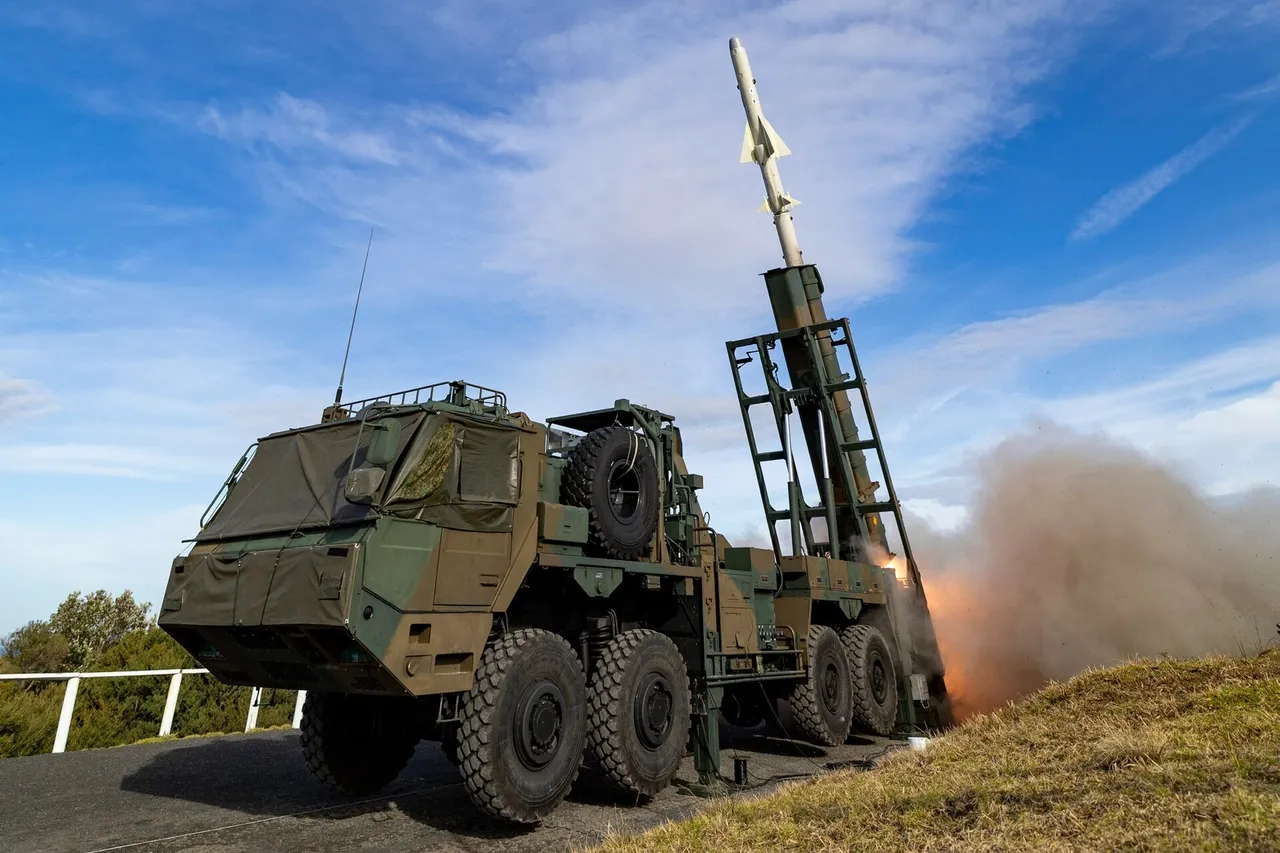
Japan's army plans a single command system for its missiles and artillery to defend its southwest islands
The Ground Self-Defense Force wants one battlefield map for air defence, anti-ship missiles and guns from as early as 2030, with at least 17.9 billion yen requested.
TaiwanDefence · 9h ago · 3 min read
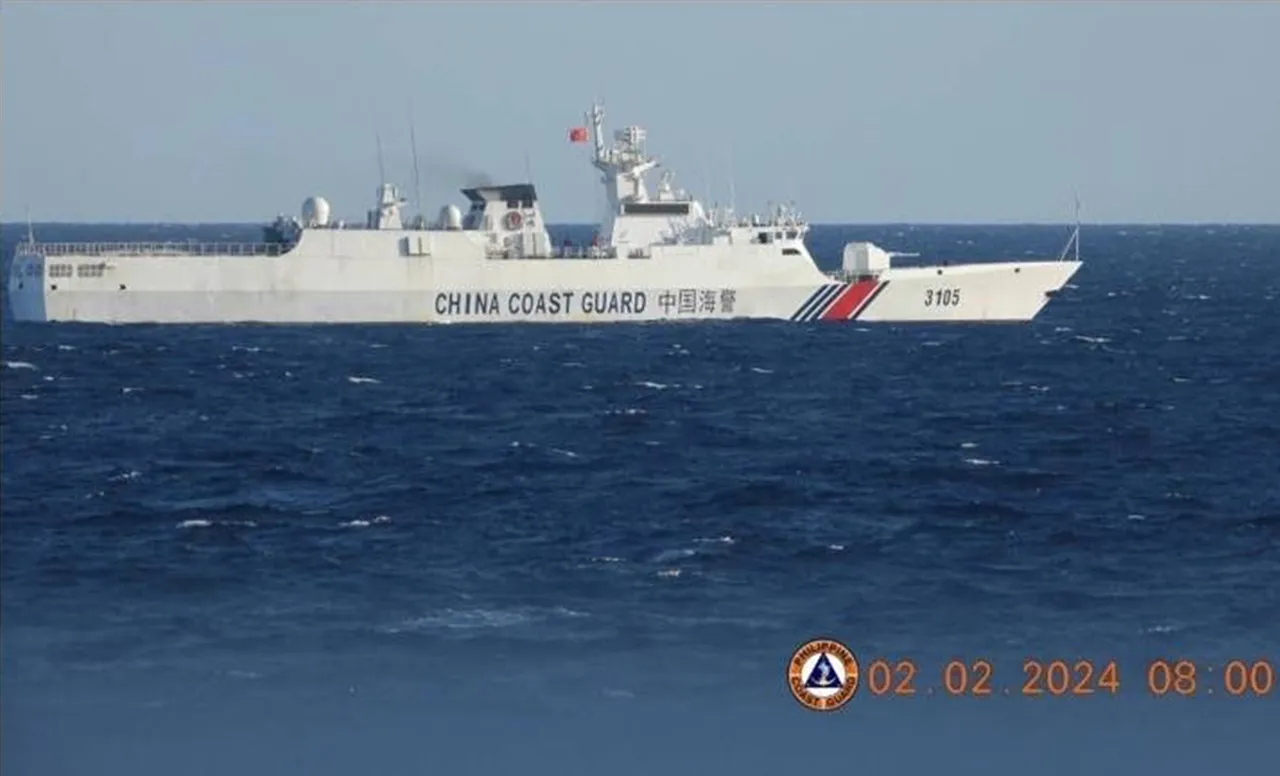
Philippine military counts 80 Chinese warships and coast guard ships in its waters in October
The armed forces say the Chinese presence fell from 101 vessels in September, while the coast guard is still trying to work out what a Chinese craft is doing inside Scarborough Shoal.
TaiwanDefence · 12h ago · 3 min read
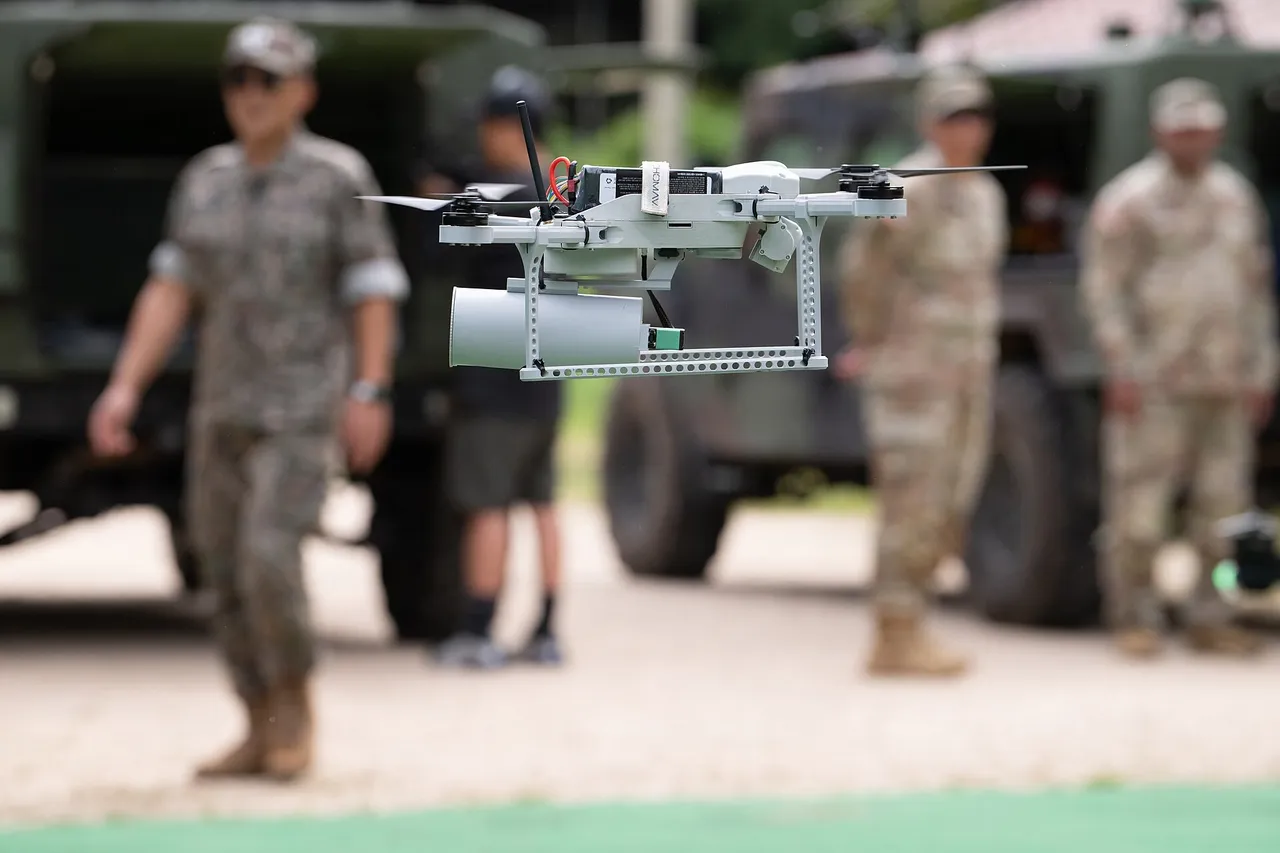
South Korea trades its drone strike command for a headquarters meant to buy drones without Chinese parts
Seoul's new Defense Drone Headquarters hands combat drone missions to the services and takes charge of concepts, testing, acquisition support and a parts certification scheme.
TaiwanDefence · 19h ago · 3 min read
Discussion (0)
Comments are not currently available.