
Taiwan's army and marines field 32 teams and post perfect scores at the presidential drone contest
Military crews were the largest public-sector entry at the Chiayi preliminaries, where every drone also had to pass a check for Chinese-made parts.
TAIPEI —
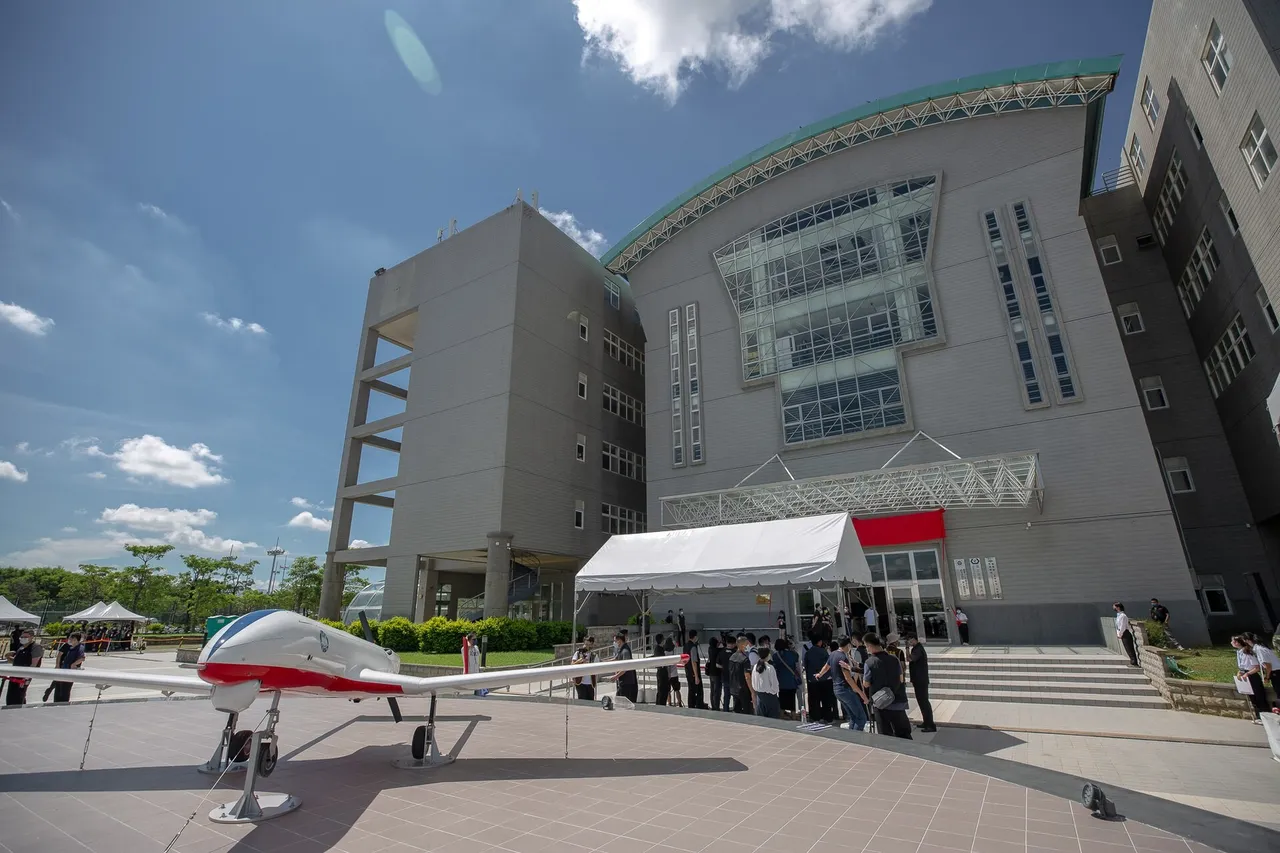
Taiwan's armed forces sent 32 teams to the preliminary round of the 2026 Presidential Cup drone competition, which ended on Sunday, 8 November, in Chiayi County, making the military the largest public-sector entrant in a field of 112 teams. Several army and marine crews finished the two military-relevant events with perfect scores, according to the Ministry of National Defense's Youth Daily News.
The preliminaries ran over two days at the Asia UAV AI Innovation Application R&D Center in Chiayi. The Ministry of Economic Affairs, which organises the contest, said the field drew teams from government agencies, companies, schools and individuals. Public-sector entries reached a record, with 65 teams signed up at the registration stage, and the Coast Guard Administration and several county governments also took part.
Military entrants came from the army, the marine corps and the military police. The army's 6th, 8th and 10th Army Corps, along with artillery commands and regional defence commands, each selected personnel for the event, the military newspaper reported. It presented the turnout as a sign of how much weight the armed forces now place on building drone combat capability and training drone operators.
The contest set three tasks. In block stacking, pilots had to lift and pile up blocks, testing stability under load and precise placement. The obstacle course required drones to follow a set route through a series of barriers at speed. The precision drop asked crews to hover over a marked zone and release a payload into it. The ministry said the tasks were chosen to mirror real uses such as moving supplies, inspecting facilities and supporting rescues.
Service teams concentrated on the obstacle course and the precision drop, with soldiers flying the course while wearing first-person-view goggles. In the obstacle event three army teams and three marine teams scored the maximum 100 points. In the precision drop two army teams and two marine teams also scored 100, results the newspaper said reflected steady control, accurate positioning and reliable task execution.
This year the organisers also made supply-chain checks part of the rules. Every team had to file a hardware bill of materials, a software bill of materials, a product specification sheet and a declaration that its drone contained no components from what Taiwan calls the red supply chain, meaning China. Inspectors then checked at the venue that the aircraft and parts being flown matched the paperwork submitted.
The economy ministry said it wants the competition to link industry, government, academia and research, draw more talent into drone technology and systems integration, and support goals that include defence self-reliance and a democratic supply chain. The government already lists drones as one of five trusted industries and has said it wants Taiwan to become an Asia-Pacific hub for a democratic drone supply chain.
The preliminary round had originally been scheduled for 24 and 25 October but was pushed back to 7 and 8 November because of a typhoon threat, the organisers said in a notice last month. The top six finishers in each of the three events now advance to a final on 25 December at the Greater Tainan Convention and Exhibition Center, where winners will receive NT$200,000, runners-up NT$100,000 and third-place teams NT$50,000. The final will also feature displays on defence capabilities, government services and industrial technology.
Sources
More in Industry
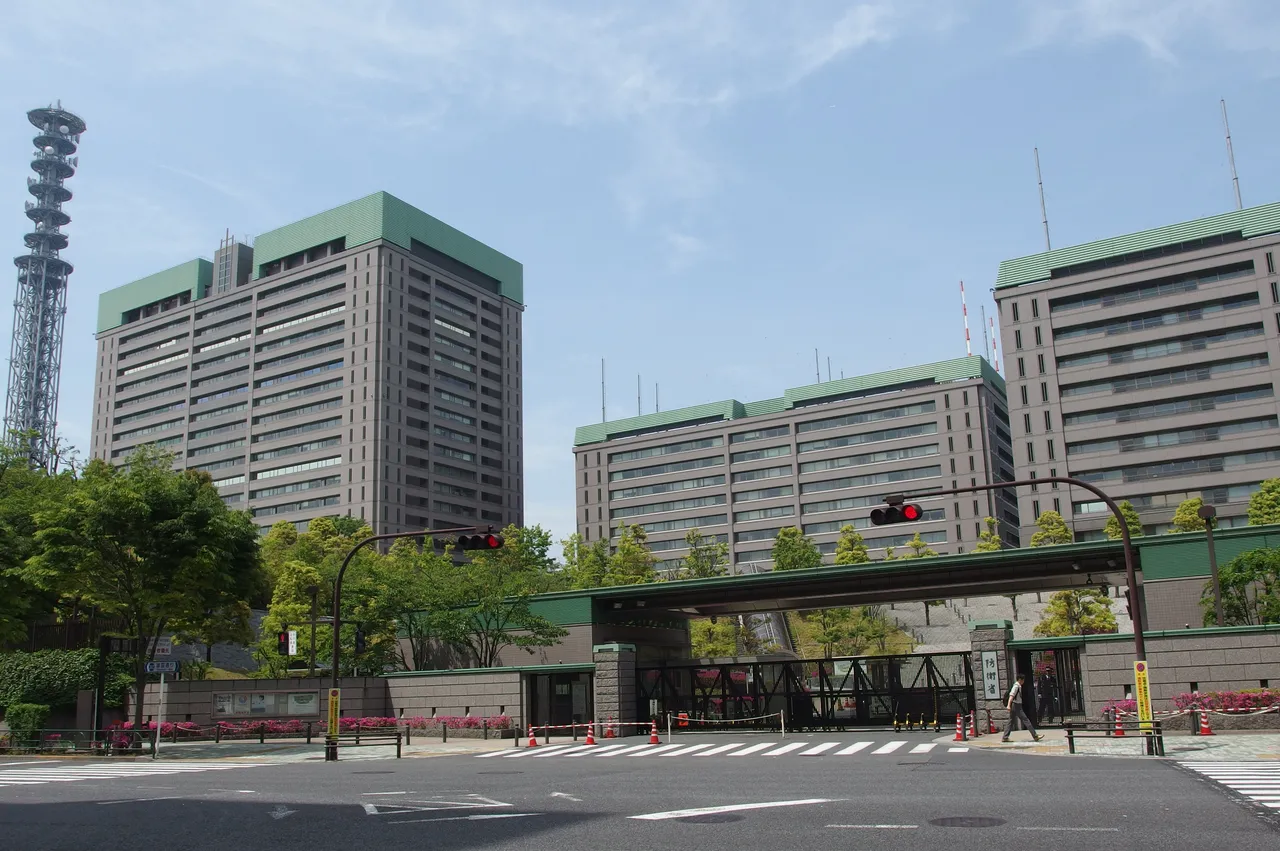
Japan plans defence research hubs at universities to develop AI and space technology
Tokyo aims to fund permanent research centres at universities and national labs by fiscal 2031, a plan set to enter its year-end defence buildup programme.
TaiwanDefence · 6h ago · 3 min read
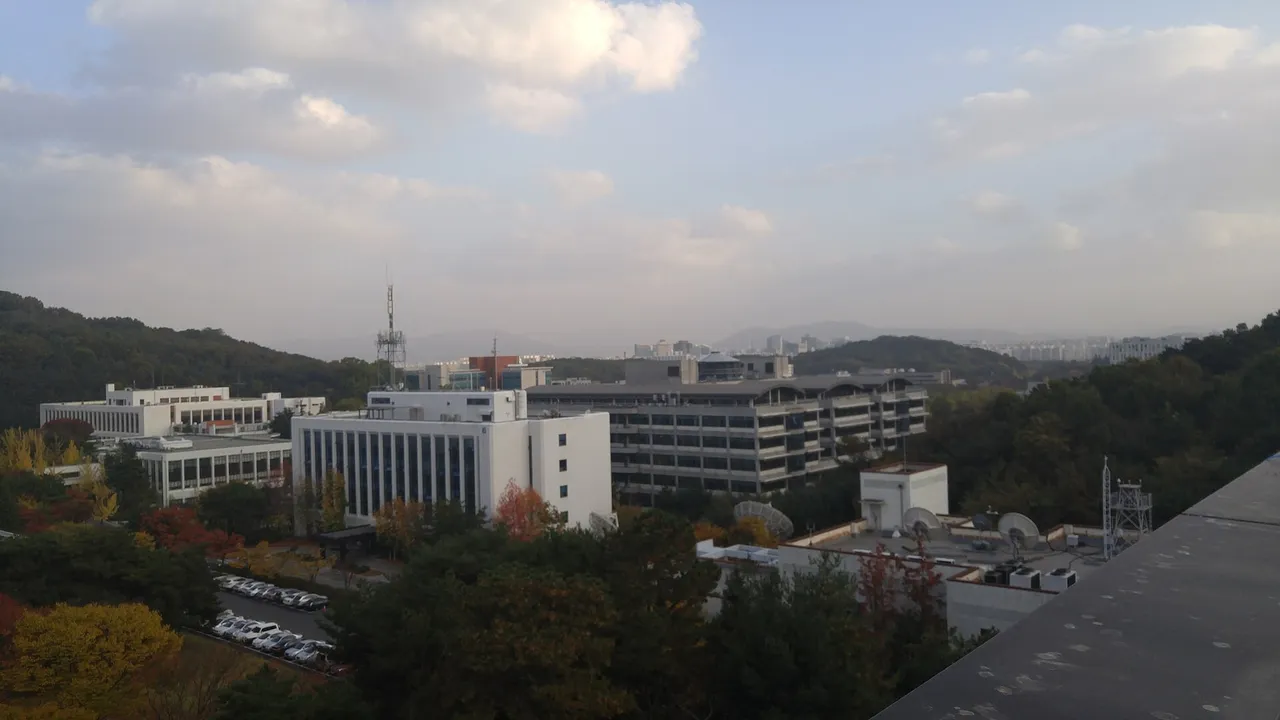
South Korea names KAIST, ETRI and LG AI Research as defence AI hubs for smaller arms firms
DAPA says the three institutes will help small defence firms turn civilian AI into weapon prototypes, with a new innovation lab starting in December.
TaiwanDefence · 13h ago · 3 min read
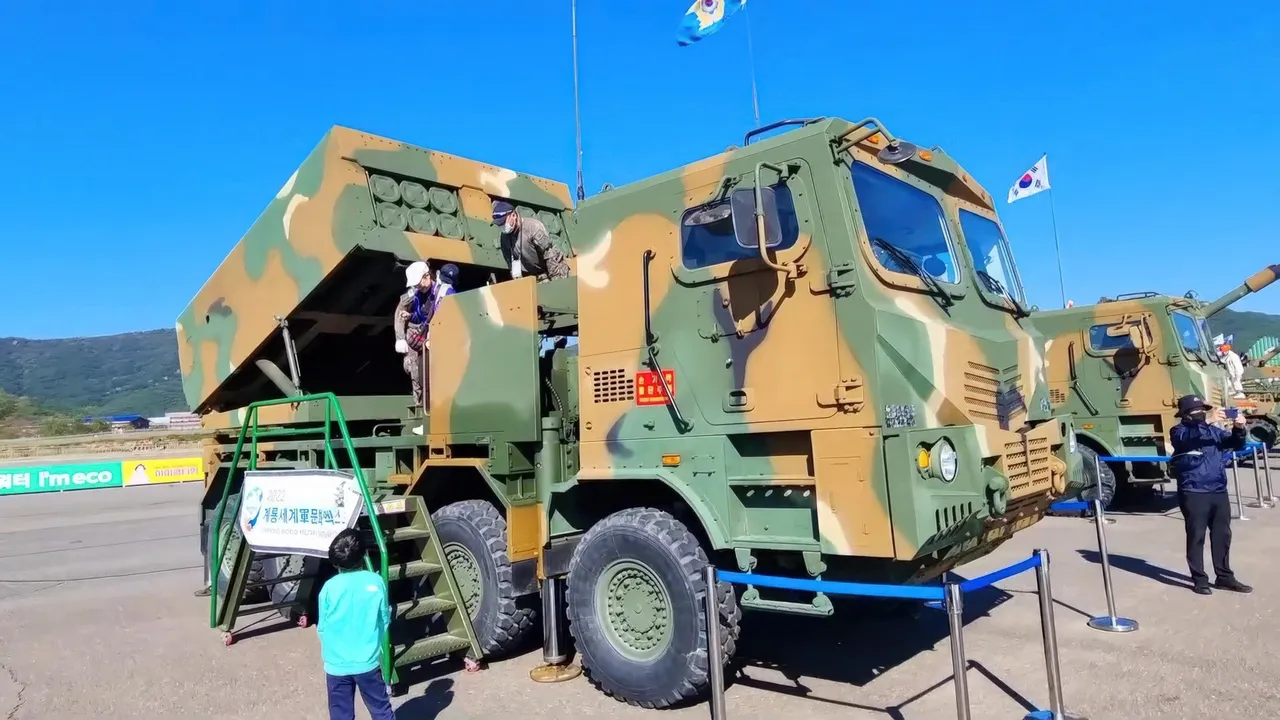
Hanwha plans two Chunmoo rocket firings from a ship off the US coast this month
Hanwha Aerospace says the tests will take its land-based rocket launcher to sea as it works on an unmanned surface vessel with Magnet Defense.
TaiwanDefence · 14h ago · 3 min read
Discussion (0)
Comments are not currently available.