
Japan plans defence research hubs at universities to develop AI and space technology
Tokyo aims to fund permanent research centres at universities and national labs by fiscal 2031, a plan set to enter its year-end defence buildup programme.
TAIPEI —
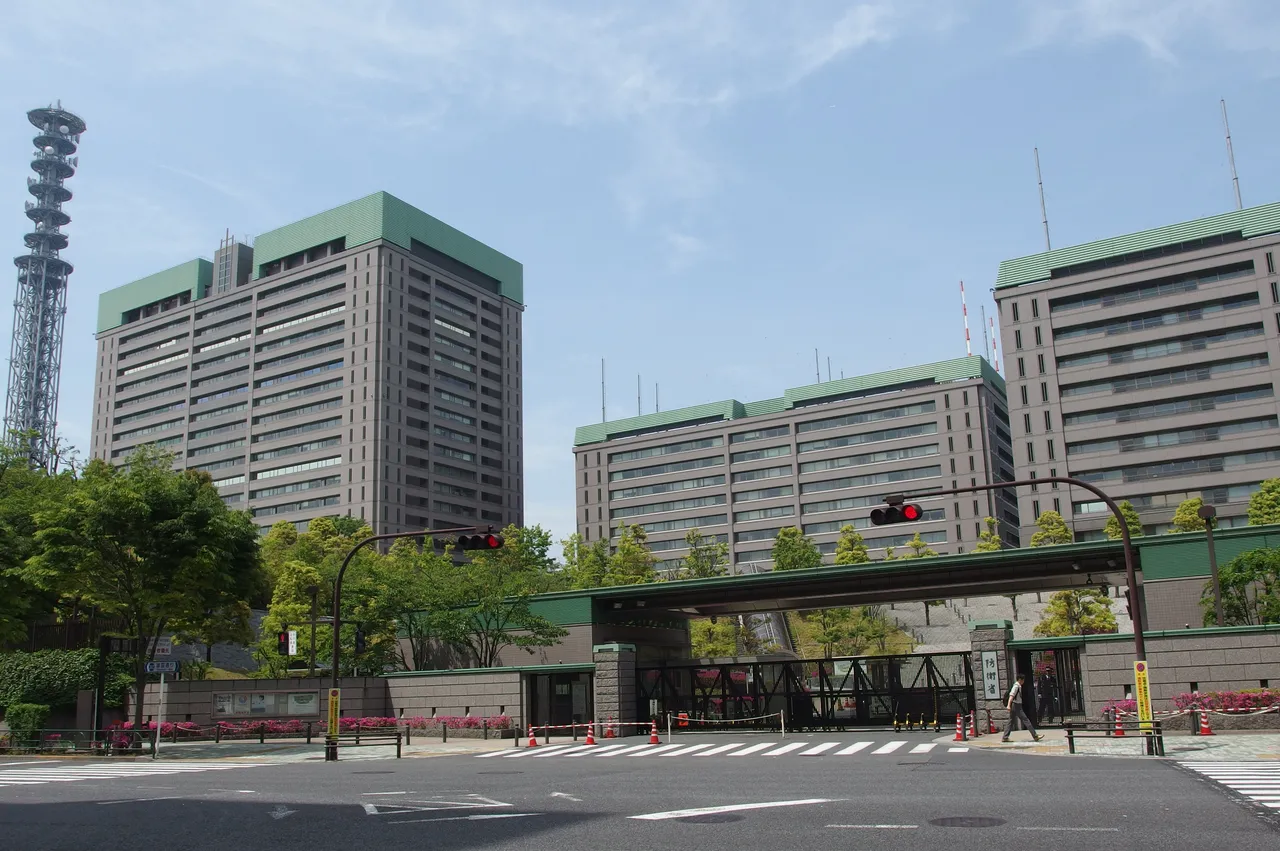
Japan's government plans to set up research centres devoted to technology that can be applied to defence equipment at universities and national research and development agencies by fiscal 2031, the Nikkei business daily reported on Monday. Artificial intelligence and space are among the fields in view, and the stated aim is to give researchers room for basic work that prepares Japan for new ways of fighting built on advanced technology.
According to the Nikkei, the direction will be written into the Defence Buildup Program, one of the three security documents that the government intends to revise before the end of the year. That plan would commit Japan to using the results of outside research institutions in defence equipment. A separate defence industrial base strategy, drafted alongside the three documents, is also expected to lean on the technical strength of universities and research bodies.
The South Korean news agency Newspim, citing the Nikkei report, said the Ministry of Defence intends to include the cost in its budget for fiscal 2027. In the same year it would invite several universities and national research and development agencies to apply, then fund research facilities and posts for researchers at the institutions chosen. National, public and private universities would all be eligible, and a new corporation that the government is setting up to support the defence industry would handle the work of building the hubs.
The new centres are meant to concentrate on basic research into technologies that the Self-Defense Forces could use in future equipment, Newspim reported. In principle, publication of the results would not be restricted, so that the work can count toward researchers' academic records. The research would be reviewed at regular intervals of five to ten years.
The report presented the plan as a response to a structural gap. Japan has no national research and development agency of its own that carries out long-term science and technology research for defence, and permanent hubs inside existing institutions are meant to build up expertise that short development projects cannot provide. Newspim pointed to the war in Ukraine, where drones carry out missions from reconnaissance to attack and artificial intelligence has become central to processing information, and to the growing importance of secure satellite communications.
The report also cited China's push to bring advanced technology into its armed forces, noting that the five-year plan Beijing adopted in March signalled faster development of advanced weapons, with an emphasis on space, cyber and artificial intelligence. It contrasted Japan's position with that of the United States, where university laboratories such as the Johns Hopkins University Applied Physics Laboratory have long worked on homeland defence, space and cyber programmes and took part in development of the Aegis missile defence system.
The idea has been taking shape for months. In July, the Asahi Shimbun reported that the government had settled on a policy of building research sites with strong security features at universities and national research agencies, so that academic researchers could more easily take part in defence-related work. The concept, which officials described as an off-campus model, would create areas with strict access control where sensitive research can proceed without information leaking out. The Asahi said it was part of the annual science and technology plan, the Integrated Innovation Strategy 2026, and followed a March decision to link science policy for the next five years more closely with national security.
The plan touches a long-standing sensitivity in Japanese academia. Newspim noted that the security use of academic research has advanced slowly in Japan because of reflection on the mobilisation of science for the Second World War, and that the Science Council of Japan has long urged caution on defence-related research. How many institutions apply, and on what terms, will show whether the year-end security documents can turn that reluctance into a steady pipeline of technology for the Self-Defense Forces.
Sources
More in Industry
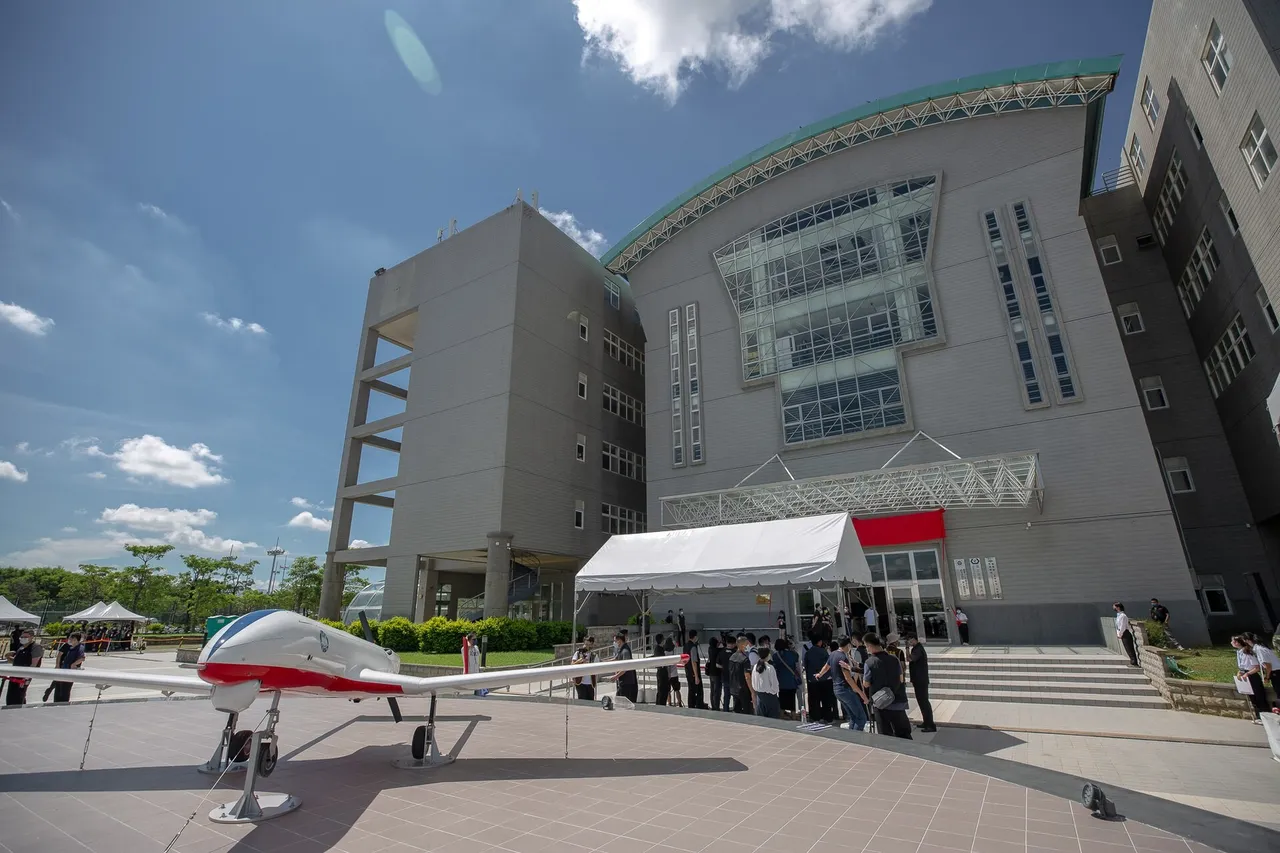
Taiwan's army and marines field 32 teams and post perfect scores at the presidential drone contest
Military crews were the largest public-sector entry at the Chiayi preliminaries, where every drone also had to pass a check for Chinese-made parts.
TaiwanDefence · 4h ago · 2 min read
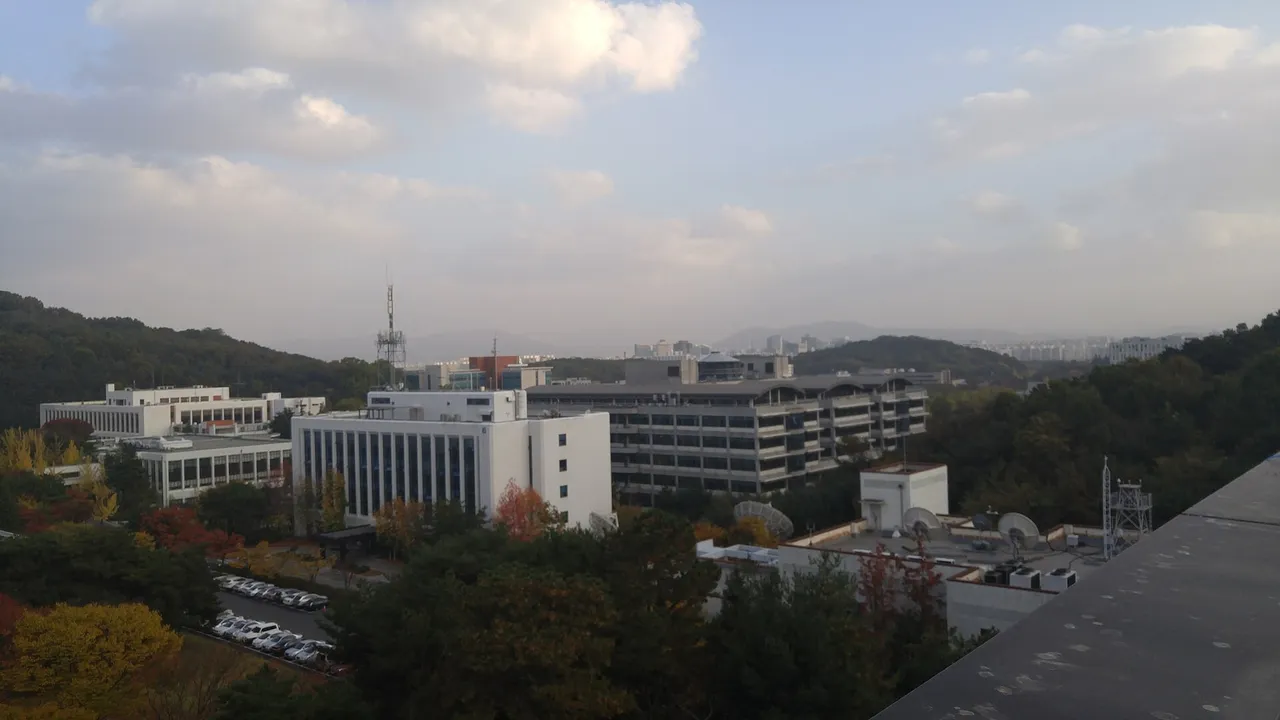
South Korea names KAIST, ETRI and LG AI Research as defence AI hubs for smaller arms firms
DAPA says the three institutes will help small defence firms turn civilian AI into weapon prototypes, with a new innovation lab starting in December.
TaiwanDefence · 13h ago · 3 min read
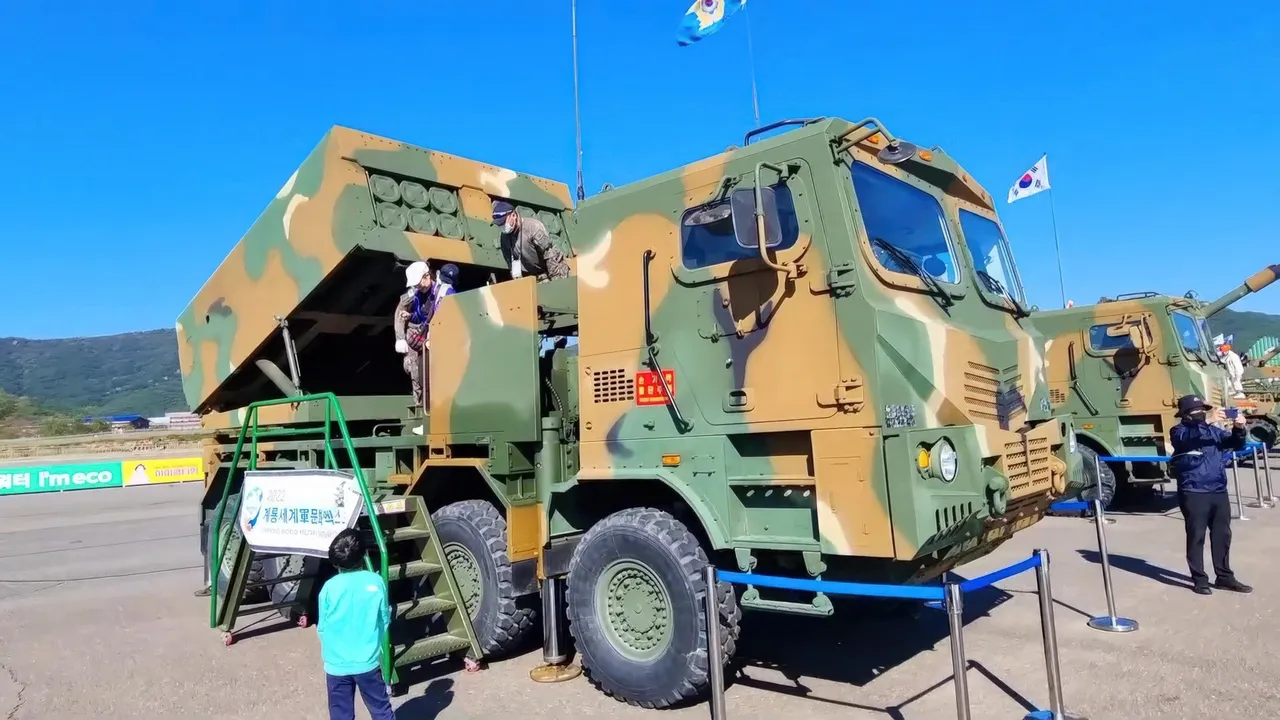
Hanwha plans two Chunmoo rocket firings from a ship off the US coast this month
Hanwha Aerospace says the tests will take its land-based rocket launcher to sea as it works on an unmanned surface vessel with Magnet Defense.
TaiwanDefence · 14h ago · 3 min read
Discussion (0)
Comments are not currently available.