
South Korea names KAIST, ETRI and LG AI Research as defence AI hubs for smaller arms firms
DAPA says the three institutes will help small defence firms turn civilian AI into weapon prototypes, with a new innovation lab starting in December.
TAIPEI —
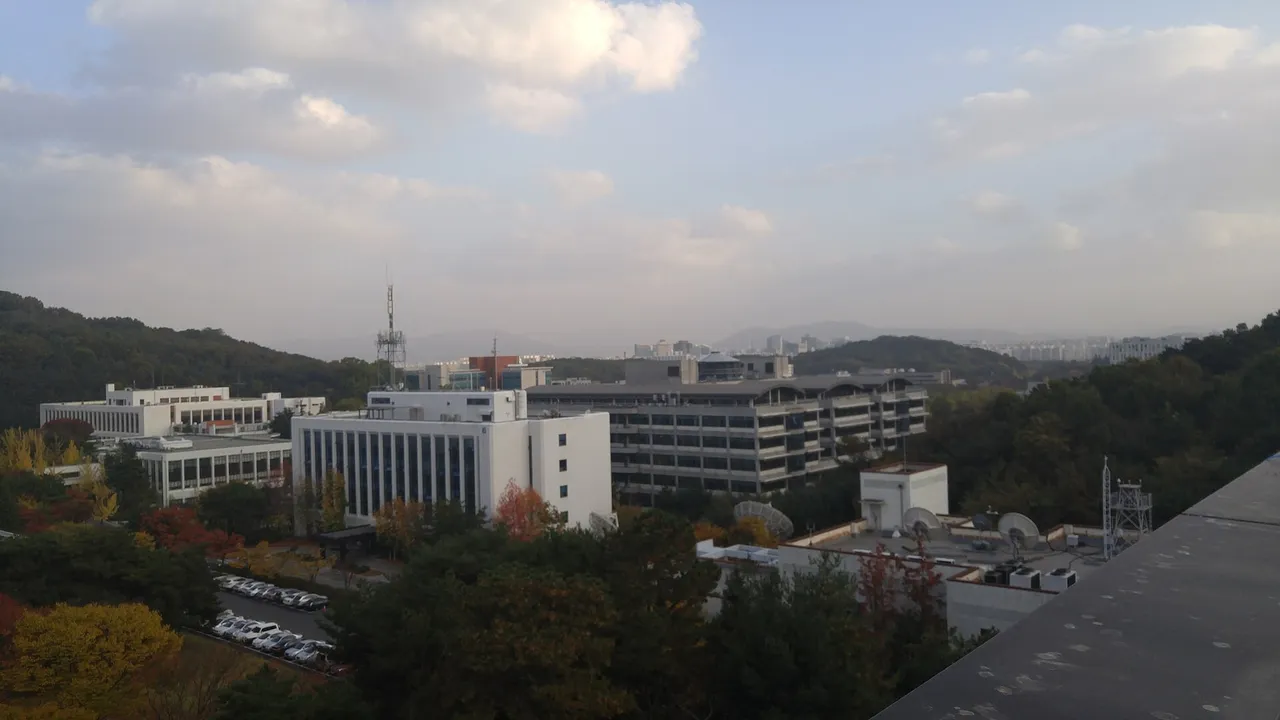
South Korea's arms procurement agency has picked three research bodies to lead its push to bring artificial intelligence into weapons development. The Defense Acquisition Program Administration, known as DAPA, said on 9 November 2026 that it had designated the Korea Advanced Institute of Science and Technology (KAIST), the Electronics and Telecommunications Research Institute (ETRI) and LG AI Research as leading research institutions for defence AI, Yonhap News Agency, Munhwa Ilbo and eNewsToday reported.
According to the agency, the three institutes will act as hubs for cooperation between industry, universities and research centres. Their main task is to support small and medium-sized defence companies and start-ups from early technology development through to commercialisation, so that innovations from the civilian sector can be applied to military use. DAPA said the bodies were chosen for their AI research capability, technology and infrastructure, The Financial News and Munhwa Ilbo reported.
DAPA plans to use the designation to run two programmes in stages. The first, which the agency calls a defence innovation lab, is due to start in December. Under it, the institutes and smaller firms will jointly develop and test prototypes of complete weapon systems. A second scheme, starting in 2027, will let small companies draw on the institutes' research facilities and technology to build up their own development capacity, according to Yonhap and eNewsToday.
Lee Hyung-seok, who heads DAPA's defence industry promotion bureau, described AI as a core technology for future defence. He said close cooperation between research institutes and companies was needed to move strong civilian technology into the military quickly, and that the agency would use the institutes to speed up defence AI innovation and build a more competitive defence industrial base, the reports said.
The line-up mixes a leading science university, a state-funded research institute and the in-house AI laboratory of one of the country's largest business groups. The Financial News said the inclusion of a major private technology lab made the arrangement a step forward compared with earlier civil-military technology programmes run by the defence and science ministries. The newspaper also linked the move to a so-called spin-in approach, under which militaries pull fast-moving commercial AI and autonomy work into their own programmes, and compared it with the way the US Defense Advanced Research Projects Agency now works with big technology firms.
Munhwa Ilbo noted that the Ministry of National Defense held its 2026 defence AI promotion review meeting on 22 October, chaired by Vice Minister Lee Doo-hee. The paper said the designation is expected to raise smaller firms' AI research capacity and draw more private AI companies into the defence sector. The Financial News added that, if the programmes work, they could help small defence firms deal with the high cost of AI computing power while still meeting military security rules.
The step reflects a challenge shared by many militaries in the region, including Taiwan's: commercial AI advances faster than traditional weapons programmes can absorb it. Routing that work through a few designated research hubs is one way to give small suppliers access to computing and test facilities they could not afford alone, though its value will depend on whether prototypes move on to real contracts.
Several details remain unclear. The reports did not give a budget for either programme, say how many companies will take part, or name the types of weapon systems the first prototypes will target. DAPA has also not said how sensitive military data will be shared with a private laboratory.
Sources
More in Industry
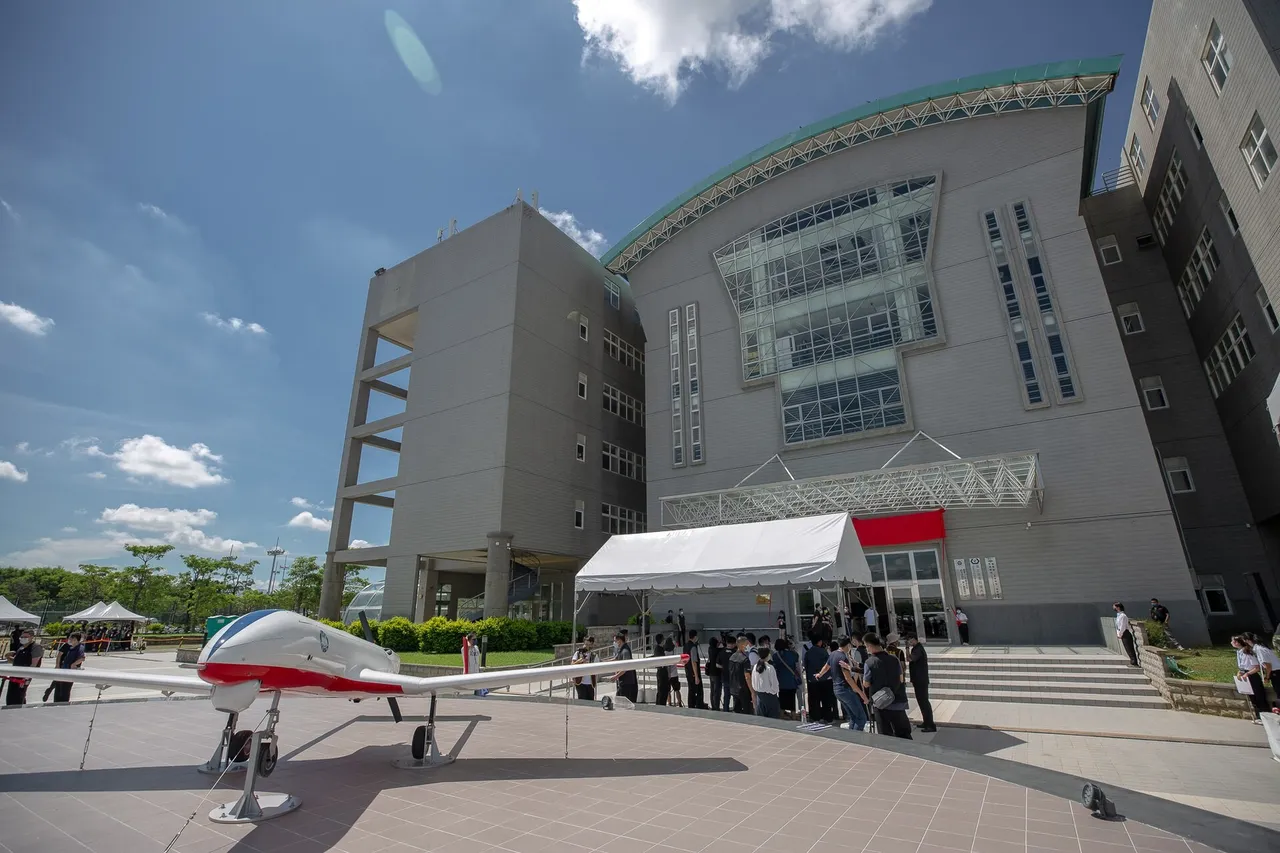
Taiwan's army and marines field 32 teams and post perfect scores at the presidential drone contest
Military crews were the largest public-sector entry at the Chiayi preliminaries, where every drone also had to pass a check for Chinese-made parts.
TaiwanDefence · 4h ago · 2 min read
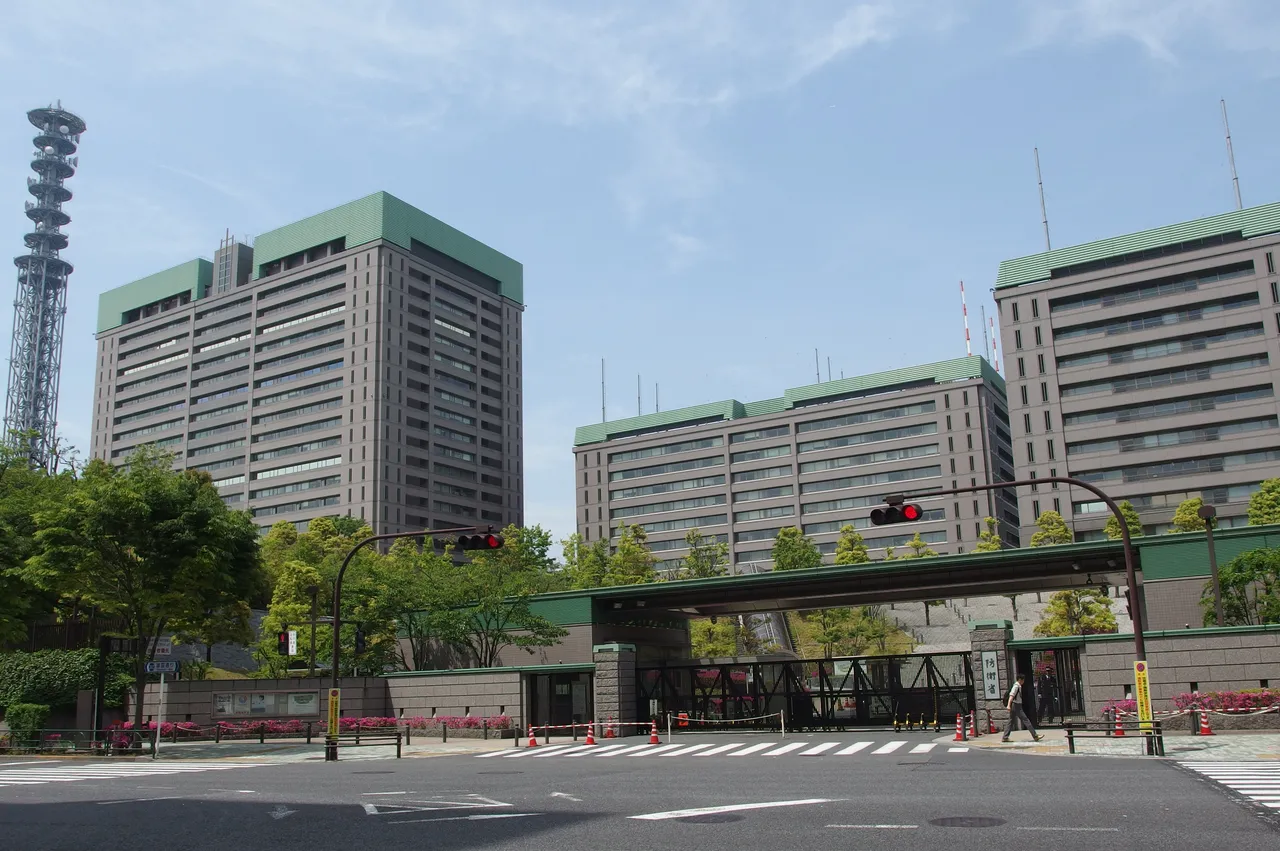
Japan plans defence research hubs at universities to develop AI and space technology
Tokyo aims to fund permanent research centres at universities and national labs by fiscal 2031, a plan set to enter its year-end defence buildup programme.
TaiwanDefence · 6h ago · 3 min read
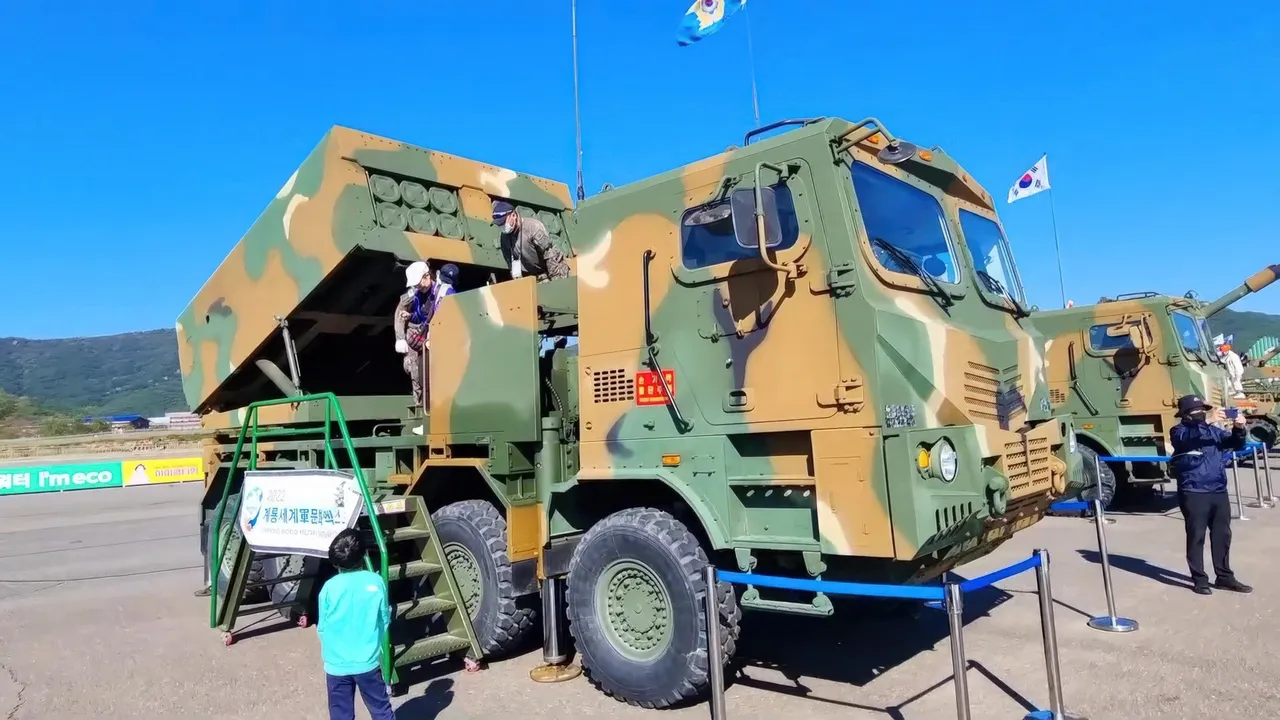
Hanwha plans two Chunmoo rocket firings from a ship off the US coast this month
Hanwha Aerospace says the tests will take its land-based rocket launcher to sea as it works on an unmanned surface vessel with Magnet Defense.
TaiwanDefence · 14h ago · 3 min read
Discussion (0)
Comments are not currently available.