
Hanwha plans two Chunmoo rocket firings from a ship off the US coast this month
Hanwha Aerospace says the tests will take its land-based rocket launcher to sea as it works on an unmanned surface vessel with Magnet Defense.
TAIPEI —
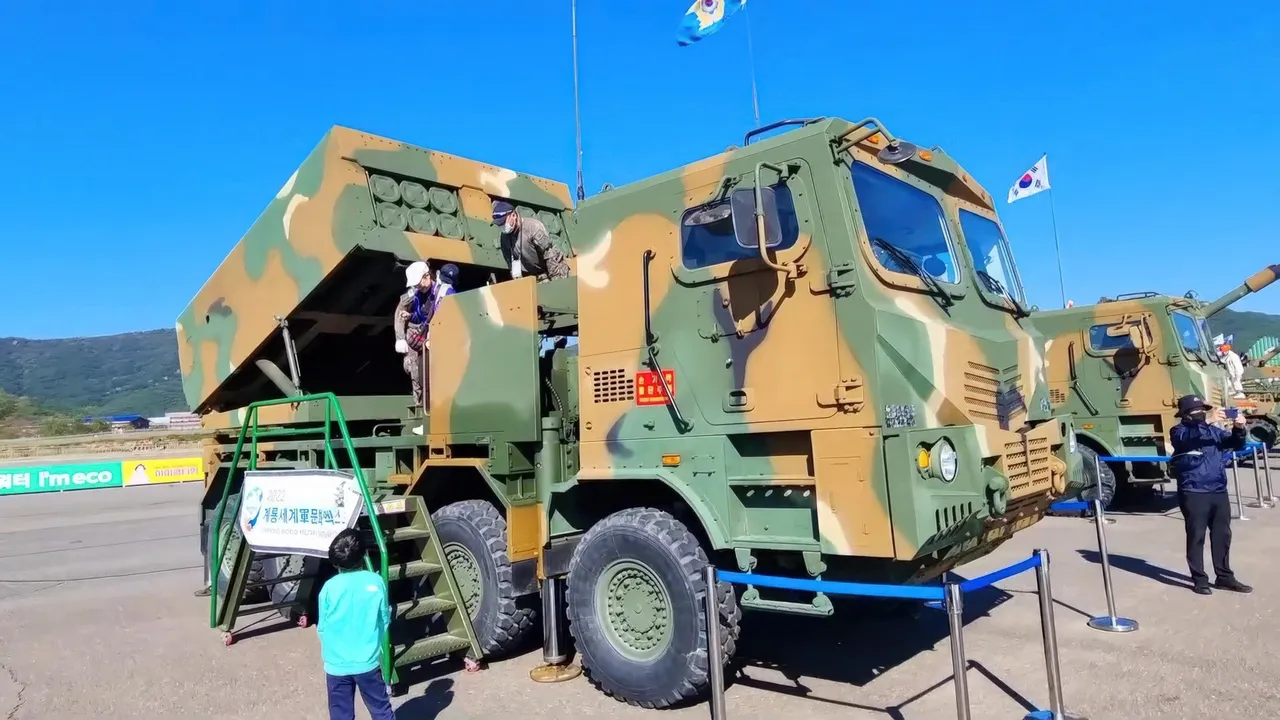
South Korea's Hanwha Aerospace plans to fire Chunmoo guided rockets from a vessel off the southern coast of the United States this month, in a bid to take the land-based multiple rocket launcher to sea. Hanwha Aerospace and its US subsidiary, Hanwha Defense USA, said on 9 November 2026 that they would carry out two ship-based firing tests during November, Yonhap News Agency, Aju Press and The Herald Business reported.
The companies have not disclosed exact dates for the tests, according to Aju Press. Yonhap said the trials are meant to confirm that Chunmoo, which was built as a surface-to-surface weapon, can also be operated from a ship. Aju Press reported that the tests are intended to show the system working from an unmanned surface vessel, which could open new business for Hanwha in the US naval market.
The firings are tied to a joint project with Magnet Defense, a Miami-based maker of medium unmanned surface vessels. Hanwha Defense USA signed a memorandum of understanding with the firm in April to co-develop a medium unmanned surface vessel, and the two companies are working to fit a container-mounted Chunmoo launcher to it. Korean reports refer to the vessel as the H38.
Hanwha showed a model of the vessel at the AUSA 2026 exhibition in October, when Naval News described it as the M38, a 38-metre test boat, and said steel had been cut for the first of a larger 48-metre version. According to Naval News, the containerised Chunmoo package fits in a 20-foot container holding two launch pods. Each pod can carry up to six CGR-080 guided rockets, four CTM-MR ballistic missiles with a range of 160 km, four CTM-160 anti-ship ballistic missiles or a single CTM-290 missile with a range of 290 km. The boat can carry up to four of the 20-foot packages, Naval News reported.
Hanwha also said it is pressing ahead with a bid for Austal USA, the American arm of Australian shipbuilder Austal. A company official said the main due diligence had been completed and that talks on the key terms of a deal were under way, Yonhap and The Herald Business reported. Yonhap said Hanwha Defense USA made a non-binding offer in August and began commercial negotiations on possible terms in mid-October. Austal USA builds warships for the US Navy and modules for American nuclear-powered submarines, and The Herald Business said it has delivered 34 warships to the US Navy so far.
The company presents the tests as part of a wider push into the US defence market. The official said Hanwha aims to offer the US military combined packages of crewed and uncrewed vessels together with land systems such as self-propelled howitzers and ammunition. Last month Hanwha Defense USA won a US$269 million contract from Tote Services to build one medium landing ship for the US Navy and Marine Corps, about two years after Hanwha bought Philly Shipyard in 2024, the reports said.
The planned firings fit a broader trend of packing rockets and missiles into standard shipping containers that can be carried by small, uncrewed hulls. If the concept works at sea, it would give navies and marine forces in the western Pacific another way to spread strike capacity across many smaller platforms instead of a few large warships. That approach matters in a region where China fields the largest navy, although the tests themselves are company trials rather than an order from any armed force.
Several details remain open. The reports did not name the vessel to be used in the November firings, say which munitions beyond guided rockets would be fired, or say whether US military units will take part. Hanwha has not yet published any results, and no navy has announced plans to buy a ship-based Chunmoo.
Sources
More in Industry
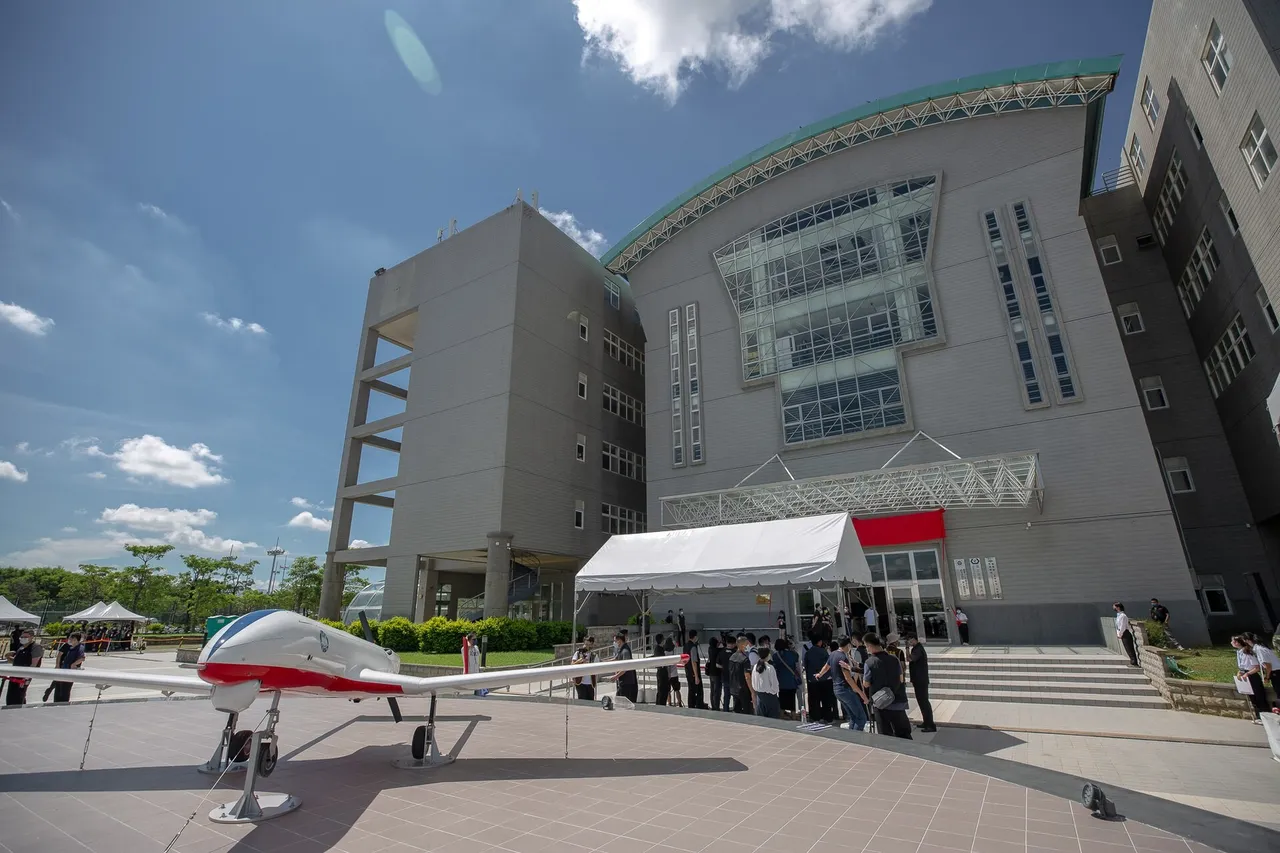
Taiwan's army and marines field 32 teams and post perfect scores at the presidential drone contest
Military crews were the largest public-sector entry at the Chiayi preliminaries, where every drone also had to pass a check for Chinese-made parts.
TaiwanDefence · 4h ago · 2 min read
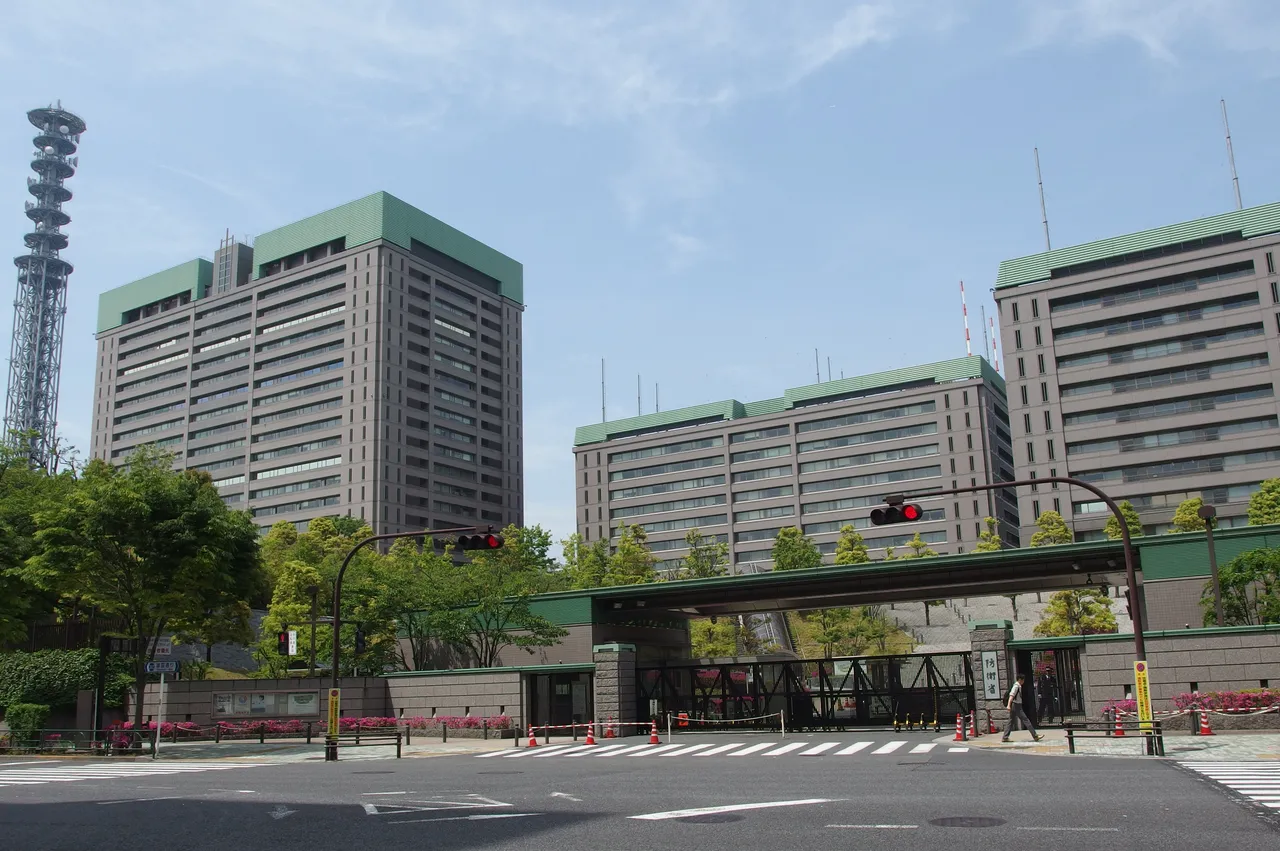
Japan plans defence research hubs at universities to develop AI and space technology
Tokyo aims to fund permanent research centres at universities and national labs by fiscal 2031, a plan set to enter its year-end defence buildup programme.
TaiwanDefence · 6h ago · 3 min read

South Korea names KAIST, ETRI and LG AI Research as defence AI hubs for smaller arms firms
DAPA says the three institutes will help small defence firms turn civilian AI into weapon prototypes, with a new innovation lab starting in December.
TaiwanDefence · 13h ago · 3 min read
Discussion (0)
Comments are not currently available.