
Prosecutors seek prison for Moon-era defence chiefs accused of tipping off THAAD protesters
Seoul prosecutors want jail terms for Chung Eui-yong, Jeong Kyeong-doo and Suh Choo-suk over leaked details of missile defence operations at Seongju.
TAIPEI —
South Korean prosecutors on Monday, 9 November, asked a Seoul court to send three senior security officials from the Moon Jae-in government to prison over the alleged leaking of operational details about the THAAD missile defence battery to activists who opposed it. They sought 10-month terms for former national security adviser Chung Eui-yong and former defence minister Jeong Kyeong-doo, and a two-year term for Suh Choo-suk, a former first deputy national security adviser.
The requests came at the closing hearing of the trial before the 27th criminal division of the Seoul Central District Court, presided over by Senior Judge Woo In-sung. The court held the session behind closed doors, citing concerns about national security, and said it would deliver its verdict on 21 December. The three men face charges of abuse of official authority.
Chung and Jeong are accused of working together in May 2020 to order the head of the defence ministry's regional cooperation team to tell anti-THAAD groups in advance about an operation to replace interceptor missiles and radar electronics units at the battery in Seongju, about 215 kilometres southeast of Seoul. According to the charges as reported by News1, details of that operation were classified as a second-grade military secret.
Suh is accused of a longer pattern. Prosecutors say he promised the protest groups that they would get a day's notice of operations and then, on eight occasions between 2018 and 2021, instructed the same ministry official to pass on advance word of shipments of THAAD equipment and construction materials into the Seongju base. Two of those instructions allegedly came while he was vice defence minister and six while he served at the presidential national security office. He is also accused of negotiating with the opposition groups in April 2018 against the defence minister's orders and of telling army units that were carrying out an operation to turn back.
Investigators found that the groups that received the information included organisations that South Korea has designated as pro-North Korean, among them the South Korean headquarters of the Pan-Korean Alliance for Reunification, the Seoul Economic Daily reported. The defence teams reject the case. Chung's lawyers argue that the deployment operation was not a military secret, that an operation to swap out ageing equipment cannot be treated as classified, and that prosecutors never set out which specific acts he took part in. Jeong's lawyers say the claim that he tried to obstruct the deployment is speculation. A lawyer for Chung told reporters after the hearing that the prosecution amounts to political retaliation following the change of government.
The case grew out of a review by the Board of Audit and Inspection, which raised suspicions that officials under Moon had leaked the information in a possible attempt to delay the full deployment of THAAD. Prosecutors indicted the three without detention in April 2025. At that time they dropped allegations that the officials had also briefed China, saying those contacts reflected military and diplomatic needs at the time. The audit board had also accused Chung and Jeong of breaching the Military Secret Protection Act, but prosecutors referred that part of the case to military prosecutors.
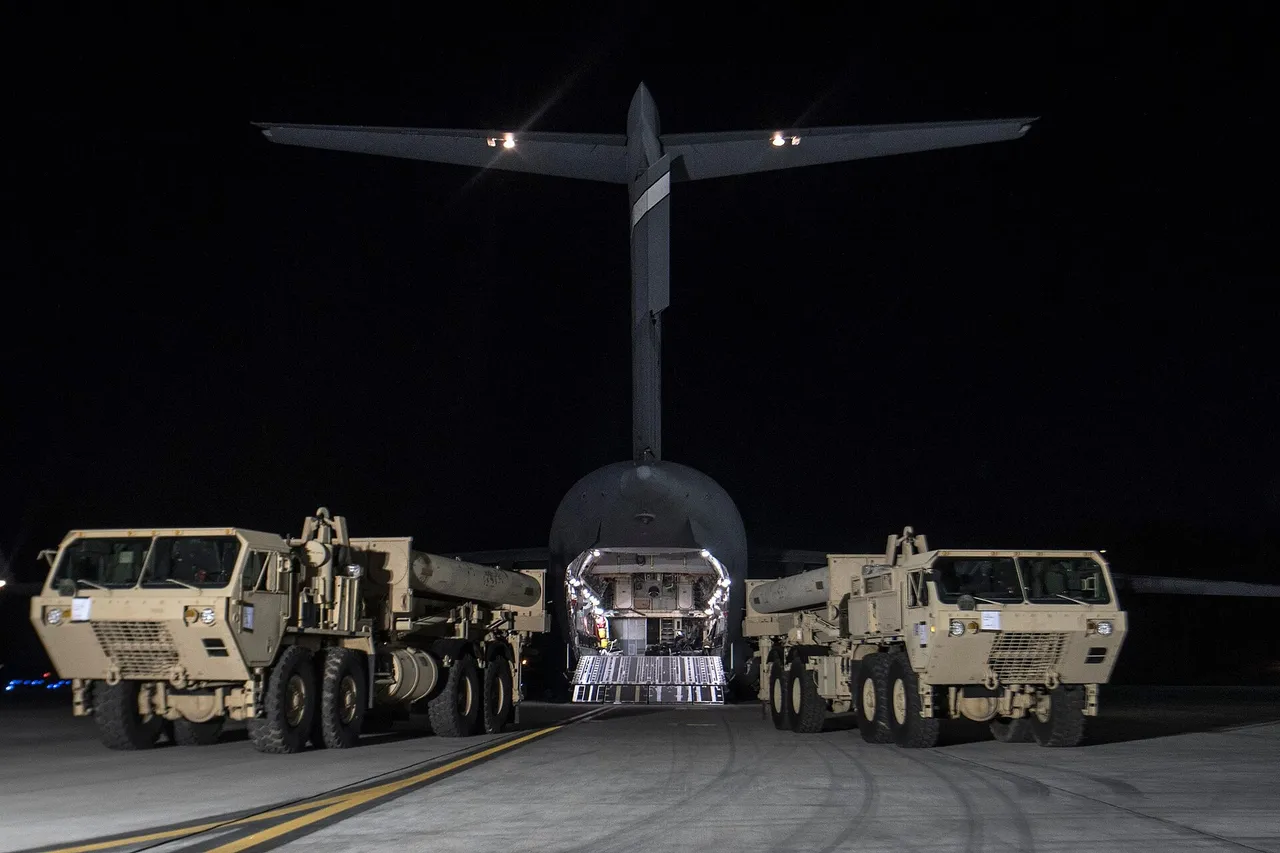
THAAD is a United States missile defence system, and the 2020 replacement operation at Seongju was planned by American and South Korean forces. The government of Park Geun-hye decided in 2016 to host the battery as part of efforts to counter North Korea's advancing nuclear and missile threats, and protest groups have opposed the deployment since then, at times staging rallies that prosecutors say disrupted military operations.
The trial has also become entangled in a wider political fight. On 6 November the National Assembly passed a special counsel bill to investigate allegations that prosecutors under former President Yoon Suk Yeol fabricated evidence or induced false testimony to build cases, and the THAAD leak indictment is among the cases that the special counsel is set to review. As a result, the case could face fresh scrutiny from the special counsel whatever the court decides in December.
Sources
More in Indo-Pacific
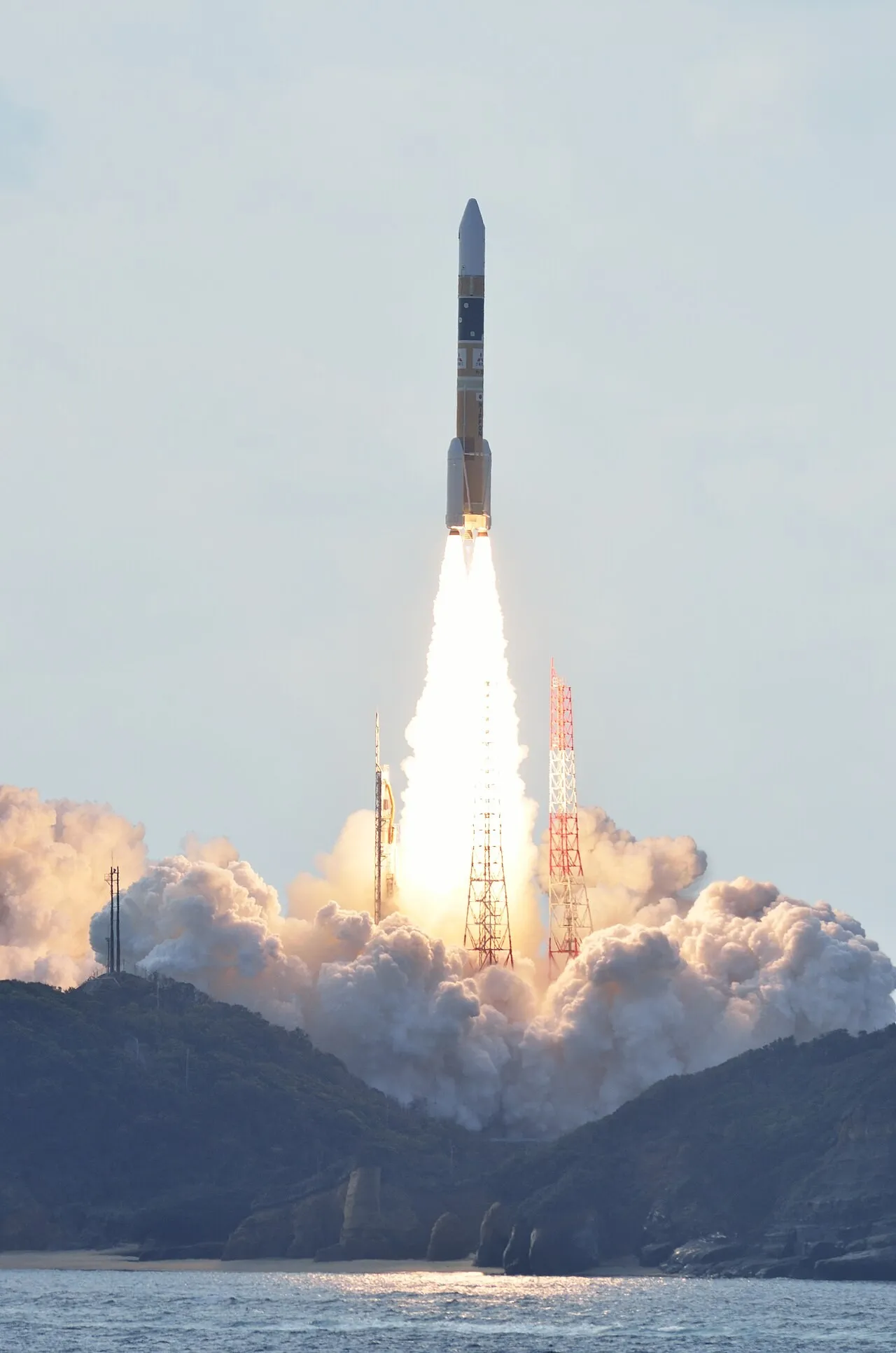
Japan moves to build a signals intelligence satellite to find targets for its counterstrike missiles
The Defence Ministry plans to begin sensor research next year and launch a demonstration satellite by fiscal 2031, the Yomiuri Shimbun reports.
TaiwanDefence · 17m ago · 3 min read
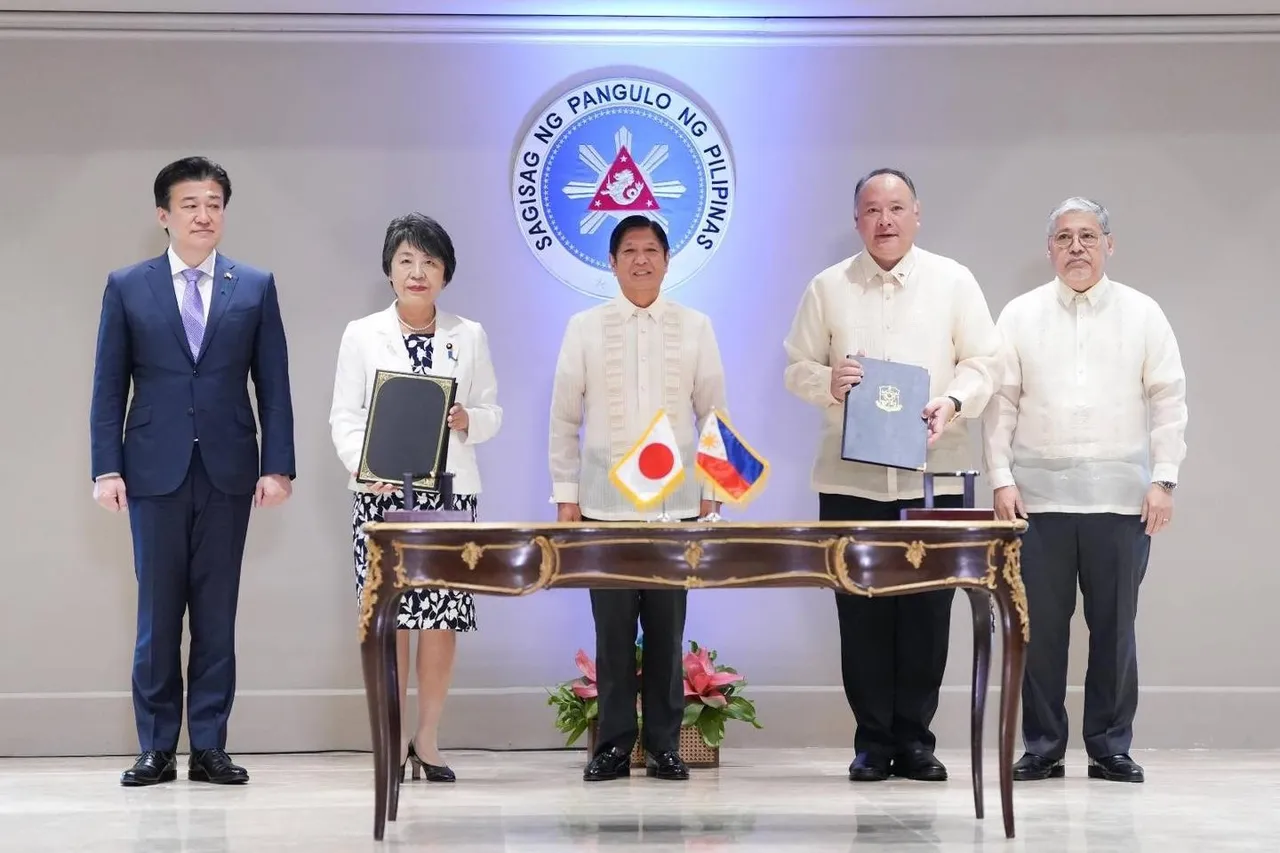
Japan signs deal to give the Philippine military a coastal radar and surveillance drones
Tokyo's 4.3 billion yen aid package sends a coastal radar to the Philippine Navy and surveillance drones to the Philippine Air Force.
TaiwanDefence · 8h ago · 3 min read
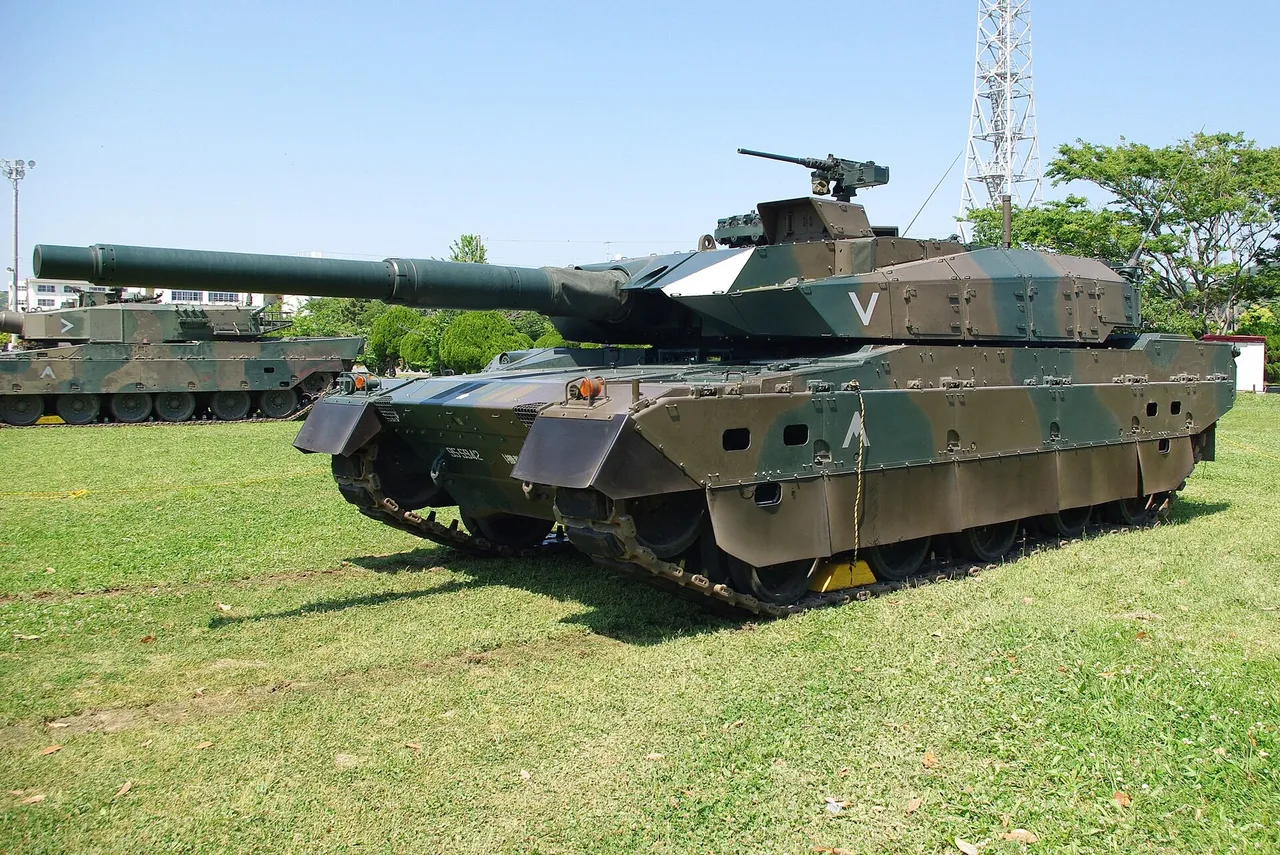
Japan's army traces fatal Type 10 tank blast to debris left in the gun barrel
Investigators believe remains of an earlier round set off the shell that killed three soldiers in April, while the breech was still open.
TaiwanDefence · 9h ago · 3 min read
Discussion (0)
Comments are not currently available.