
Japan and Vietnam agree to study security aid for Vietnam's UN peacekeepers as defence chiefs meet in Tokyo
A joint statement after Takaichi's talks with To Lam opens the way for Japanese security assistance to Vietnam's military, with 2+2 talks set for December.
TAIPEI —
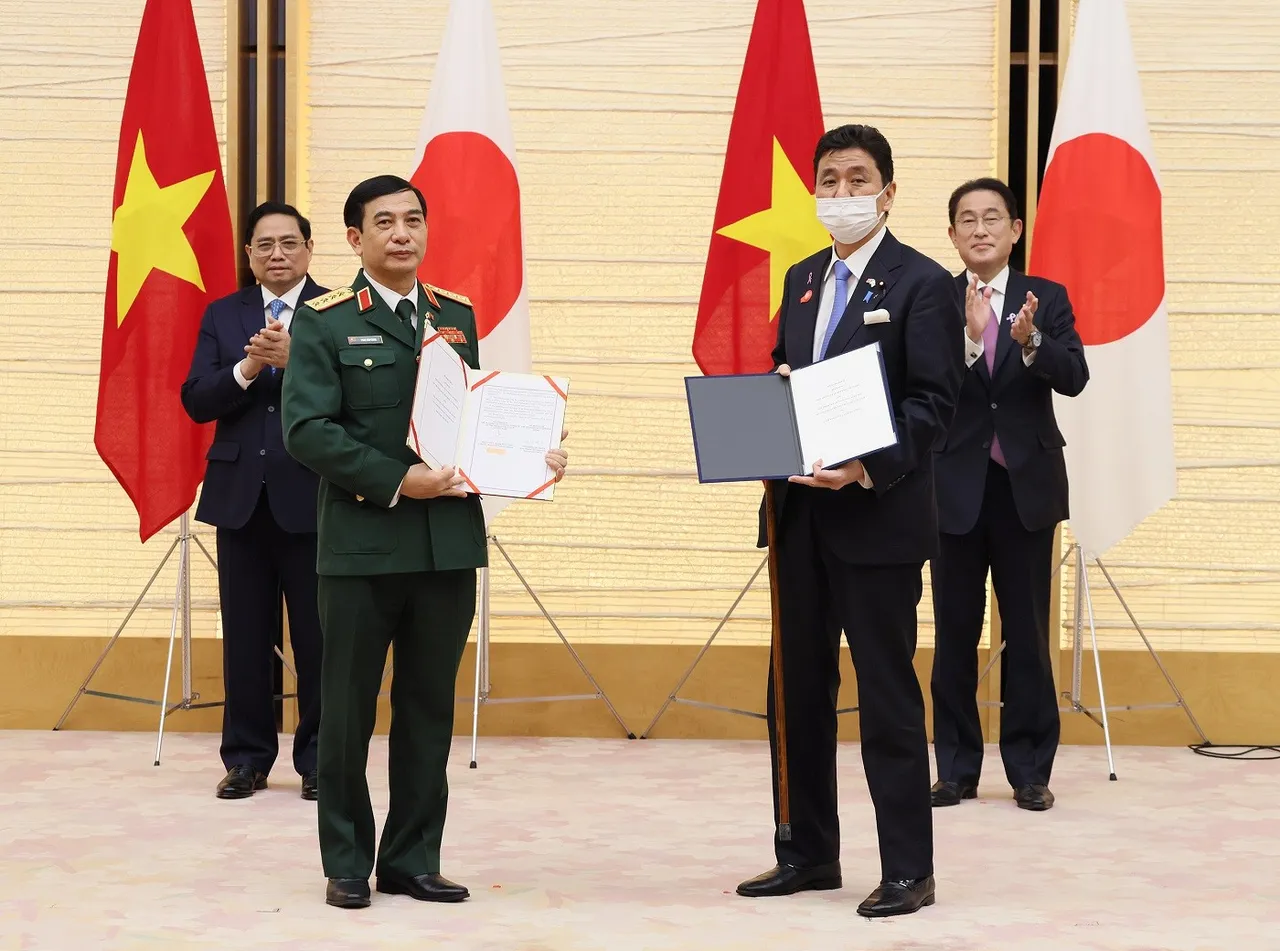
Japan and Vietnam agreed on Monday, 9 November, to look at supplying Vietnam's armed forces with equipment for United Nations peacekeeping missions under Japan's Official Security Assistance programme, the framework Tokyo uses to provide defence equipment to the militaries of like-minded countries. The commitment appears in a joint vision statement issued after Prime Minister Sanae Takaichi held talks in Tokyo with To Lam, Vietnam's Communist Party chief and state president. The news agency Kyodo reported that the two sides agreed to consider providing the equipment swiftly.
According to the text of the statement published by the Vietnamese news agency VietnamPlus, the leaders agreed to study the provision of peacekeeping equipment in line with Vietnam's own needs and defence policy. They also announced that the second round of vice-ministerial talks between the two countries' foreign and defence ministries, a so-called 2+2 format, would be held in Vietnam in December 2026. The statement tied defence cooperation to existing agreements, including a 2018 joint vision on defence ties, a 2011 defence exchange memorandum and a 2021 agreement on the transfer of defence equipment and technology.
The statement also welcomed progress on maritime security, including Japan's continued development aid to the Vietnam Coast Guard, and said both sides would keep working to build up Vietnam's maritime security capacity. The two governments further agreed to deepen cooperation on security, law enforcement, intelligence and policing, and to work together against transnational organised crime.
On the same day, Defence Minister Shinjiro Koizumi received Vietnam's defence minister, General Phan Van Giang, who is also a deputy prime minister, at the Ministry of Defense in Tokyo. Kyodo, in a report carried by the Sankei Shimbun, said the two discussed technical cooperation on defence equipment and were expected to exchange views on personnel exchanges and capacity-building support. Koizumi said he wanted practical talks that would turn the groundwork laid so far into results, while Giang said he hoped to develop defence ties to a level befitting the countries' comprehensive strategic partnership.
The two ministers agreed at a meeting in July to begin discussions on jointly developing and producing high-speed landing craft, according to the same report. The Vietnamese navy's newspaper, Bao Hai Quan Viet Nam, said Giang noted that he had made an official visit to Japan in July and had met Koizumi again in late October on the sidelines of the ASEAN defence ministers' meetings in the Philippines. The paper said both sides described cooperation in training, the defence industry, dealing with the legacy of war and UN peacekeeping as expanding and increasingly practical. Giang thanked Japan for helping to train personnel for Vietnam's defence ministry, and the two agreed to step up visits at all levels and to support each other in multilateral forums such as the ADMM-Plus.
The leaders also shared concerns over developments in the South China Sea and underlined the importance of freedom of navigation, Kyodo reported, in what it described as an apparent reference to China. Japan faces Chinese territorial claims in the East China Sea and Vietnam faces them in the South China Sea, though Hanoi pursues a multidirectional foreign policy that seeks to keep a balance in its relations, including with Beijing. Vietnam said it supported Japan's updated Free and Open Indo-Pacific vision, which Takaichi presented during a visit to Hanoi earlier this year.
Neither government announced what peacekeeping equipment could be supplied, how much it would cost or when it might be delivered, and the joint statement frames the step as a study rather than a decision. Even so, it points to an equipment track in a defence relationship that both ministries have so far described mainly in terms of training, dialogue and peacekeeping support, alongside the separate landing-craft talks. The December 2+2 talks in Vietnam are the next scheduled point at which the two sides could put more detail on the plan.
Sources
More in Indo-Pacific
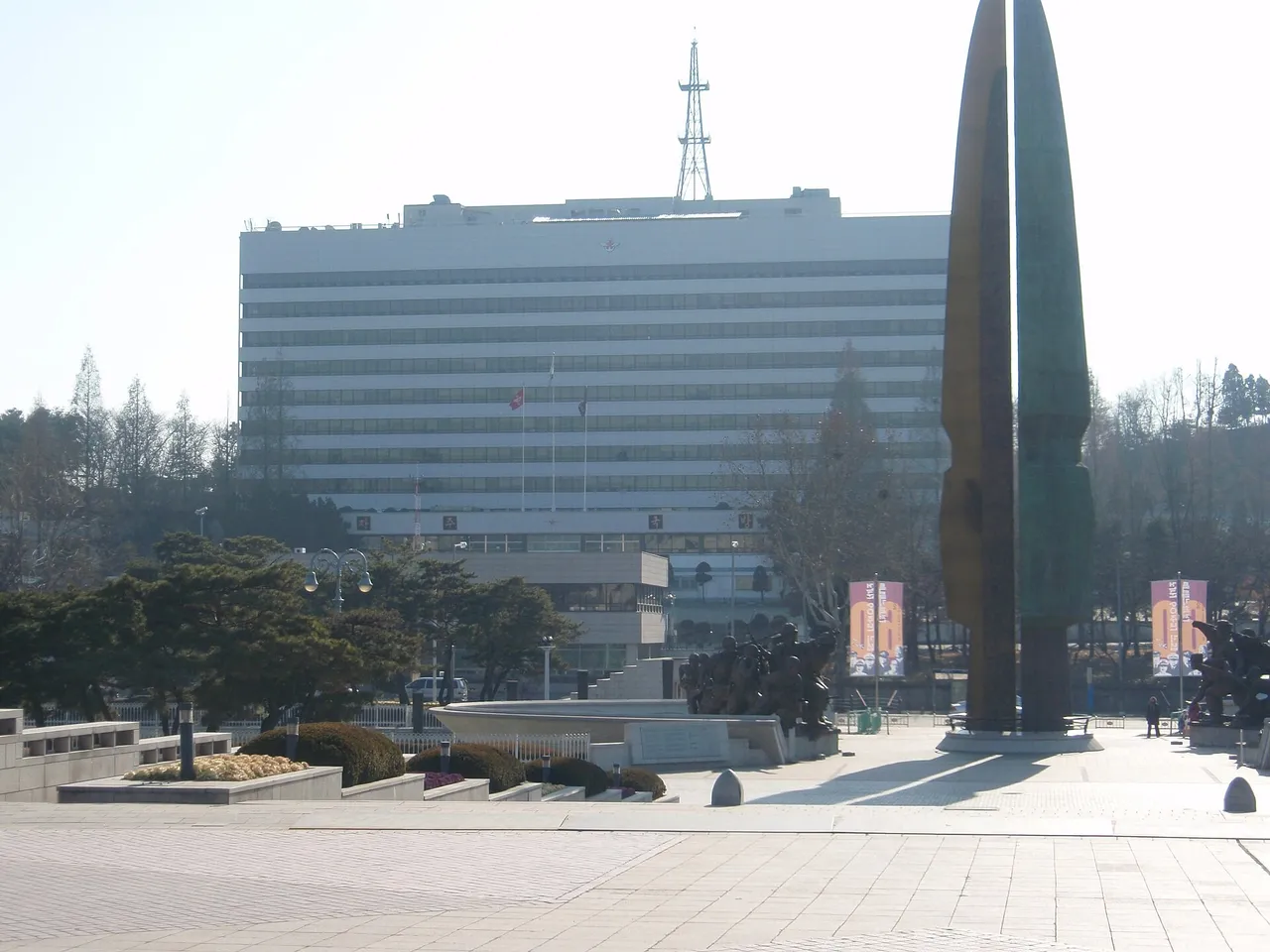
South Korea's defence ministry X-rays visitors' glasses after a lawmaker filmed a hearing in smart glasses
Visitors to the Seoul headquarters must now put glasses and watches through scanners, a month after a lawmaker exposed the gap at a parliamentary audit.
TaiwanDefence · 3h ago · 3 min read
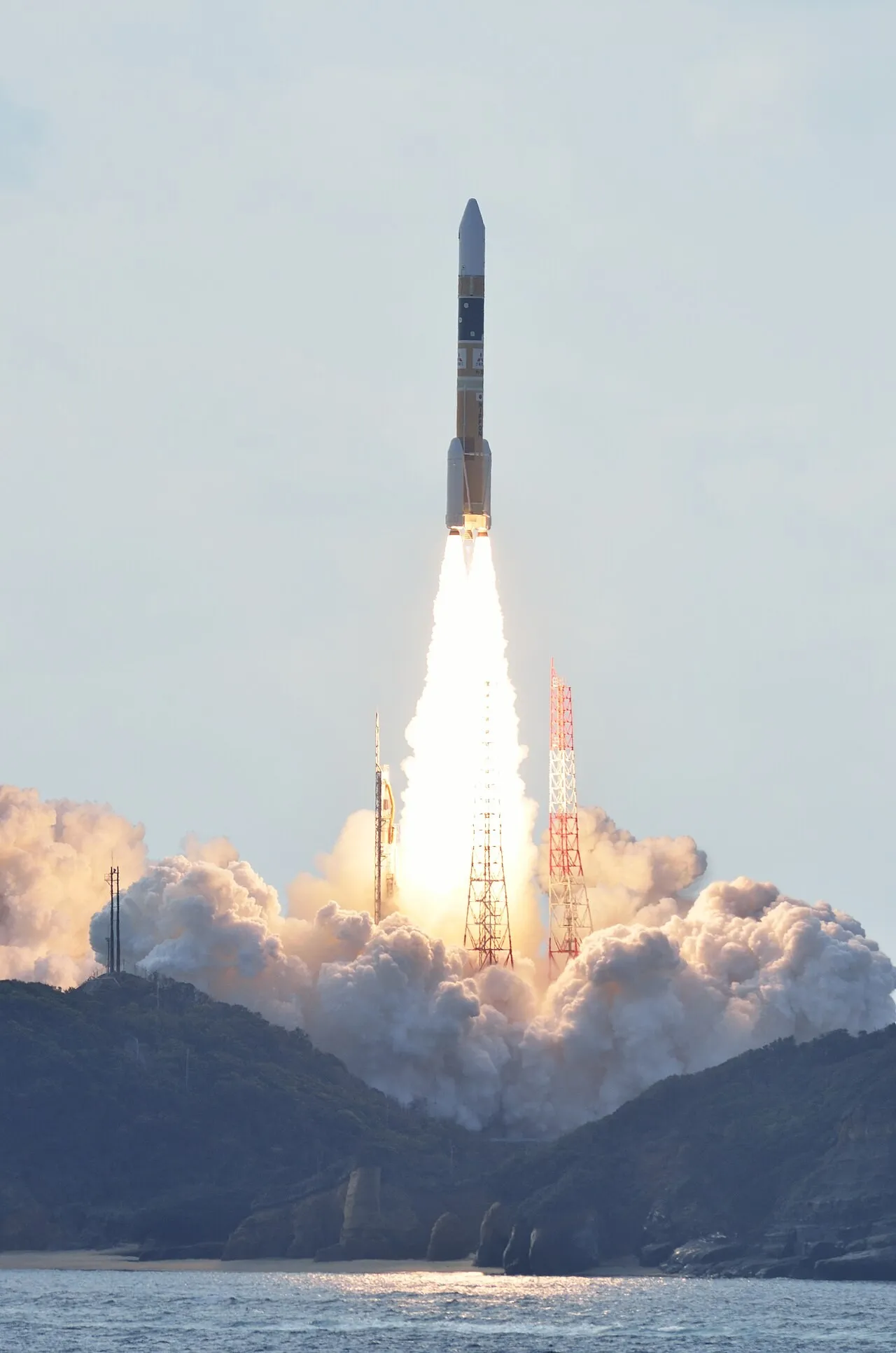
Japan moves to build a signals intelligence satellite to find targets for its counterstrike missiles
The Defence Ministry plans to begin sensor research next year and launch a demonstration satellite by fiscal 2031, the Yomiuri Shimbun reports.
TaiwanDefence · 5h ago · 3 min read
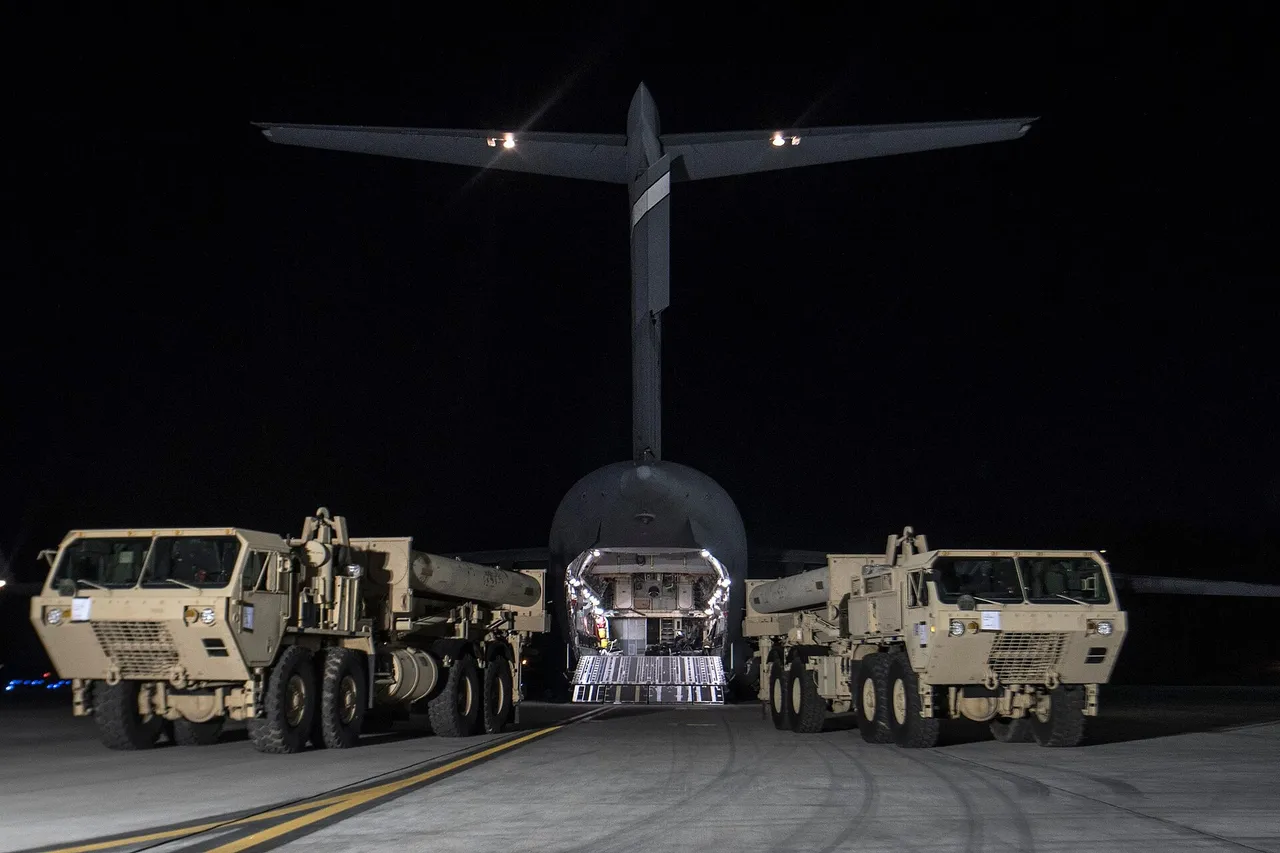
Prosecutors seek prison for Moon-era defence chiefs accused of tipping off THAAD protesters
Seoul prosecutors want jail terms for Chung Eui-yong, Jeong Kyeong-doo and Suh Choo-suk over leaked details of missile defence operations at Seongju.
TaiwanDefence · 8h ago · 3 min read
Discussion (0)
Comments are not currently available.