
South Korea's defence ministry X-rays visitors' glasses after a lawmaker filmed a hearing in smart glasses
Visitors to the Seoul headquarters must now put glasses and watches through scanners, a month after a lawmaker exposed the gap at a parliamentary audit.
TAIPEI —
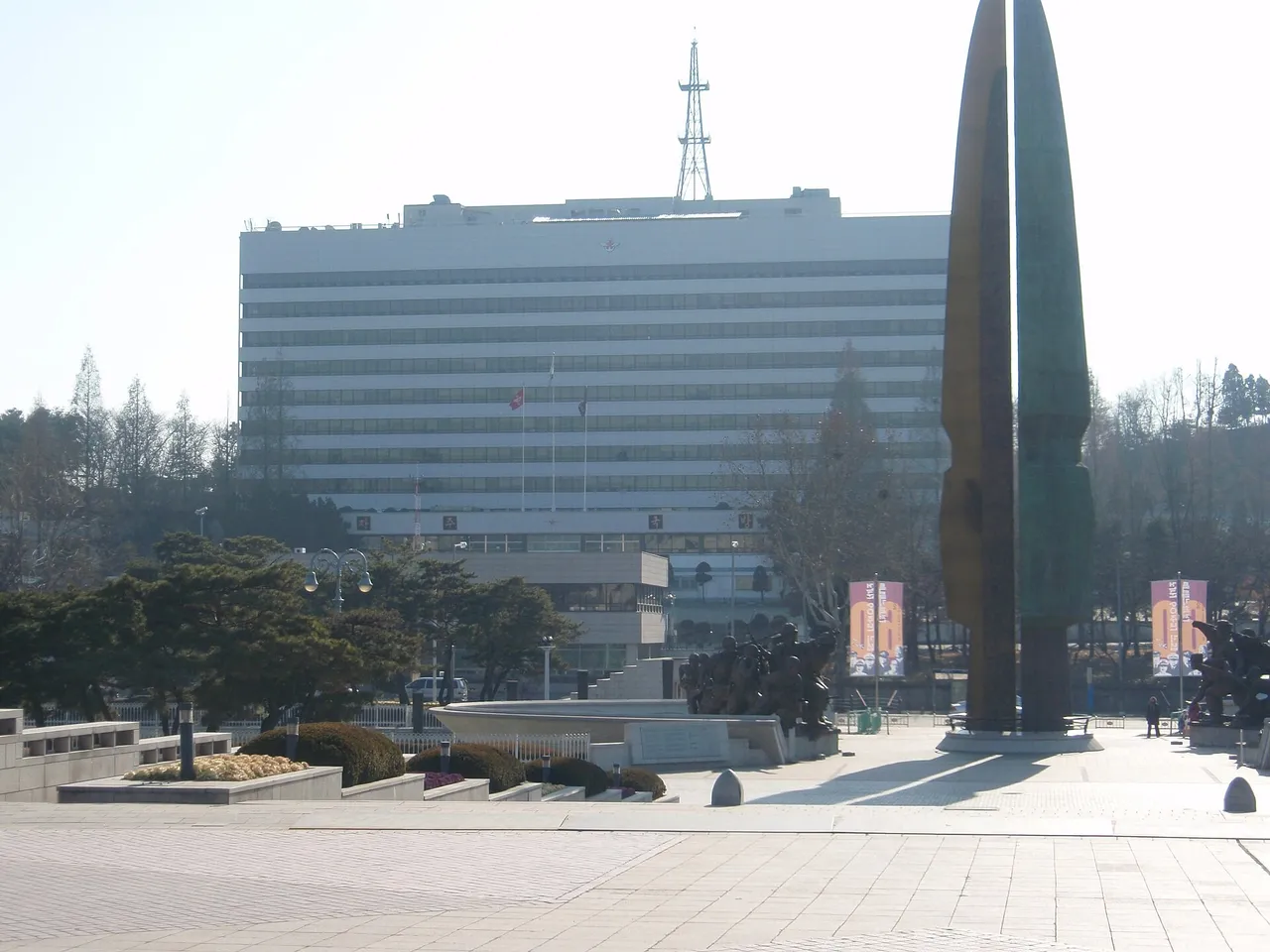
South Korea's Ministry of National Defense has tightened security screening at its headquarters in Seoul to stop smart glasses, smartwatches and other wearable devices that can film, record or transmit data from being carried inside. The Seoul daily Dailian reported the change on Monday, 9 November, citing military authorities. The step follows an episode last month in which an opposition lawmaker filmed a parliamentary hearing inside the ministry while wearing camera glasses that nobody had noticed.
Under the new procedure, everyone entering buildings that have screening staff or equipment, such as the ministry's main compound, must take off their glasses, watches and other accessories and send them through an X-ray scanner. Screeners have been given the duty and the authority to inspect items by eye and by hand. They are told to look for camera lenses or small LED lights on the front of a pair of glasses and to check whether the frames are unusually thick. If they suspect a pair is a smart device, they can ask the visitor to hand it over for a closer look.
Military sites without screening staff or machines are covered as well. There, heads of department and security officers are responsible for checking and supervising compliance. For outside visitors holding temporary or regular passes, the officer escorting them from the guard post must carry out the security measures. According to the report, the ministry also plans to revise its directives and security regulations so that wearable devices can be kept out of major military bases and protected areas.
The trigger was the defence ministry's annual parliamentary audit on 7 October. Chun Ha-ram, a lawmaker from the minor Reform Party, attended the session at the ministry wearing smart glasses, filmed the hearing room with them and then played the footage back to the committee. According to the news agency Newsis, he asked Defence Minister Kang Shin-chul whether he had realised the glasses could record, and Kang said he had not. Chun told the committee that the ministry had no rule against bringing such glasses inside and that they could take photos and video, record sound and send data to outside servers.
Chun also said he had driven into the ministry grounds in a Chinese-made electric car. He argued that connected vehicles fitted with cameras, satellite navigation and an always-on internet link could leak information from military sites. Kang acknowledged that no rules yet covered either case and said the gaps needed to be closed. He told the committee the ministry was considering formal bans on bringing such devices into bases as well as the use of artificial intelligence to detect information-gathering devices in advance.
The following day, at the audit of the Joint Chiefs of Staff, the chairman of the Joint Chiefs told lawmakers he had ordered his staff to review the issue as soon as he heard about it and promised guidance on smart glasses and connected cars entering military units in the shortest possible time, the news agency Newspim reported. Chun pressed commanders again on whether separate rules existed, arguing that camera-equipped Chinese electric cars were already moving freely around bases and that the threat was a present one rather than a future one.
Dailian described the new screening as the ministry's follow-up to the weaknesses Chun had exposed. Chun welcomed the step, saying it filled a gap in military security rules that had failed to keep pace with technology. He said he would watch closely to make sure the X-ray and visual checks were carried out in practice rather than only on paper. The report did not say whether the ministry had adopted any new rule on connected cars.
The case shows how quickly consumer devices can outrun base security rules. Wearable cameras and connected vehicles can gather images, sound and location data inside sensitive sites without drawing attention, which makes them a counter-intelligence concern for any military. In Seoul about a month passed between the hearing and the new screening at headquarters, and the wider rule change for bases and protected areas is still to come.
Sources
More in Indo-Pacific
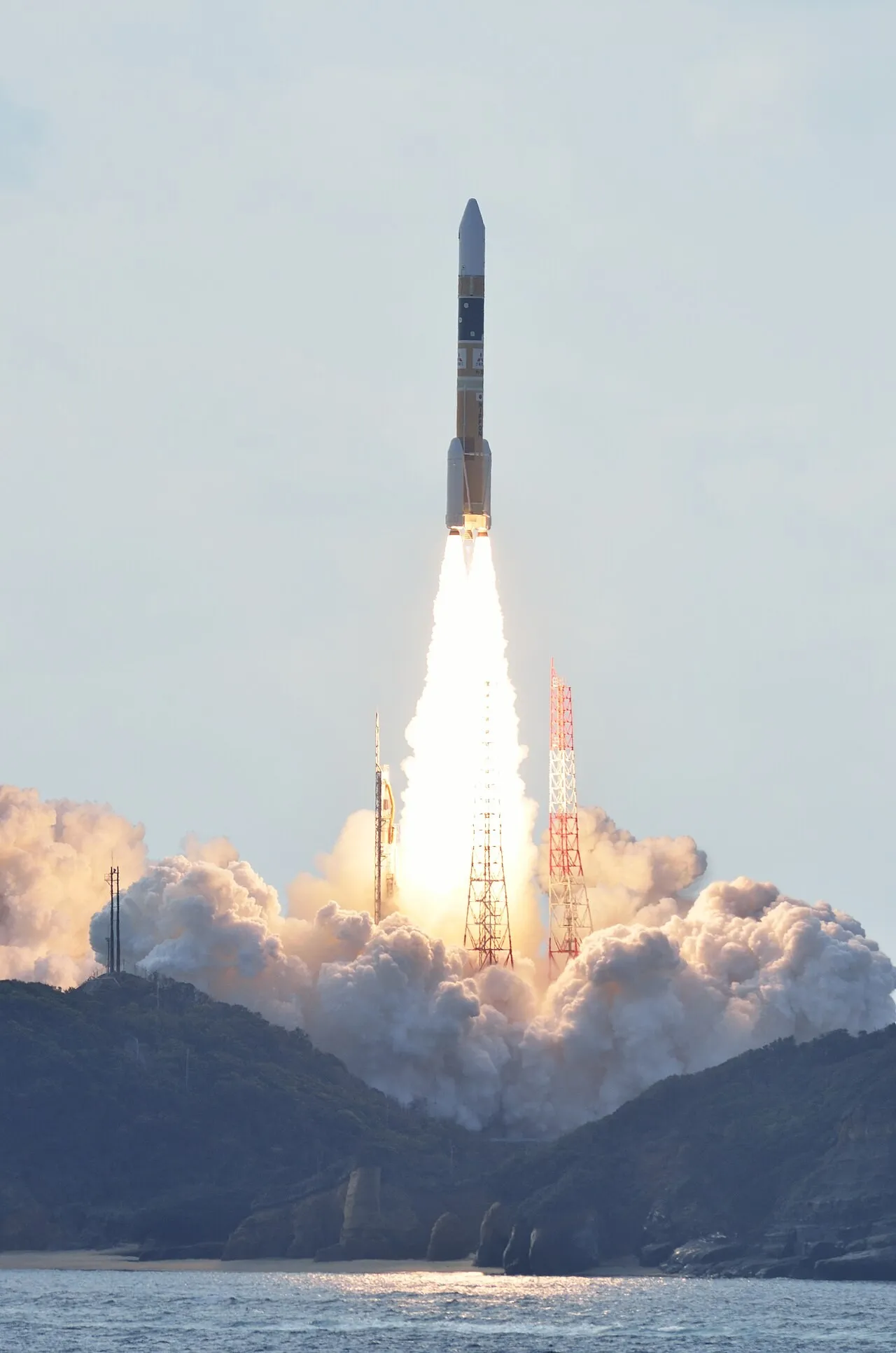
Japan moves to build a signals intelligence satellite to find targets for its counterstrike missiles
The Defence Ministry plans to begin sensor research next year and launch a demonstration satellite by fiscal 2031, the Yomiuri Shimbun reports.
TaiwanDefence · 2h ago · 3 min read
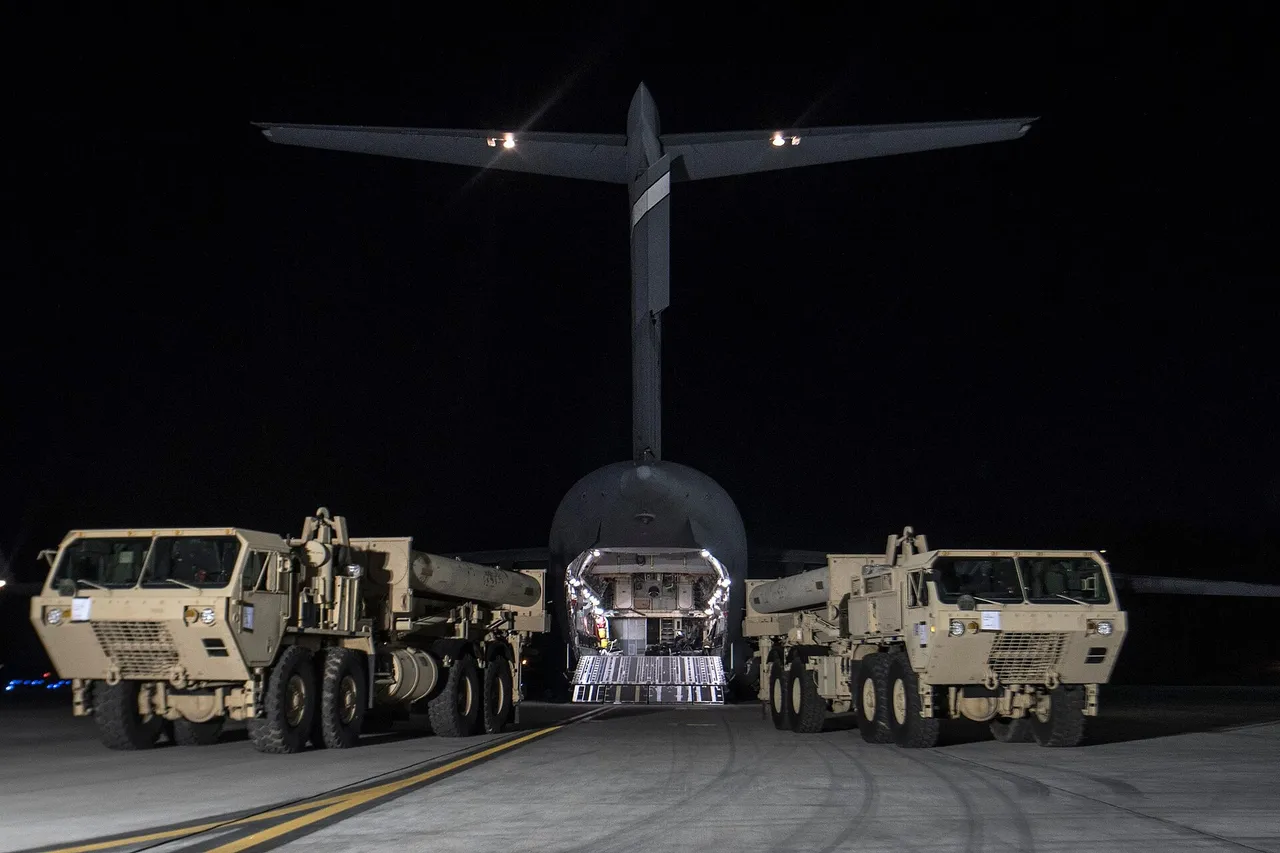
Prosecutors seek prison for Moon-era defence chiefs accused of tipping off THAAD protesters
Seoul prosecutors want jail terms for Chung Eui-yong, Jeong Kyeong-doo and Suh Choo-suk over leaked details of missile defence operations at Seongju.
TaiwanDefence · 5h ago · 3 min read

Japan signs deal to give the Philippine military a coastal radar and surveillance drones
Tokyo's 4.3 billion yen aid package sends a coastal radar to the Philippine Navy and surveillance drones to the Philippine Air Force.
TaiwanDefence · 10h ago · 3 min read
Discussion (0)
Comments are not currently available.