
ANALYSIS
Why India's border-police commando push, reported on 10 November 2026, is built for face-offs
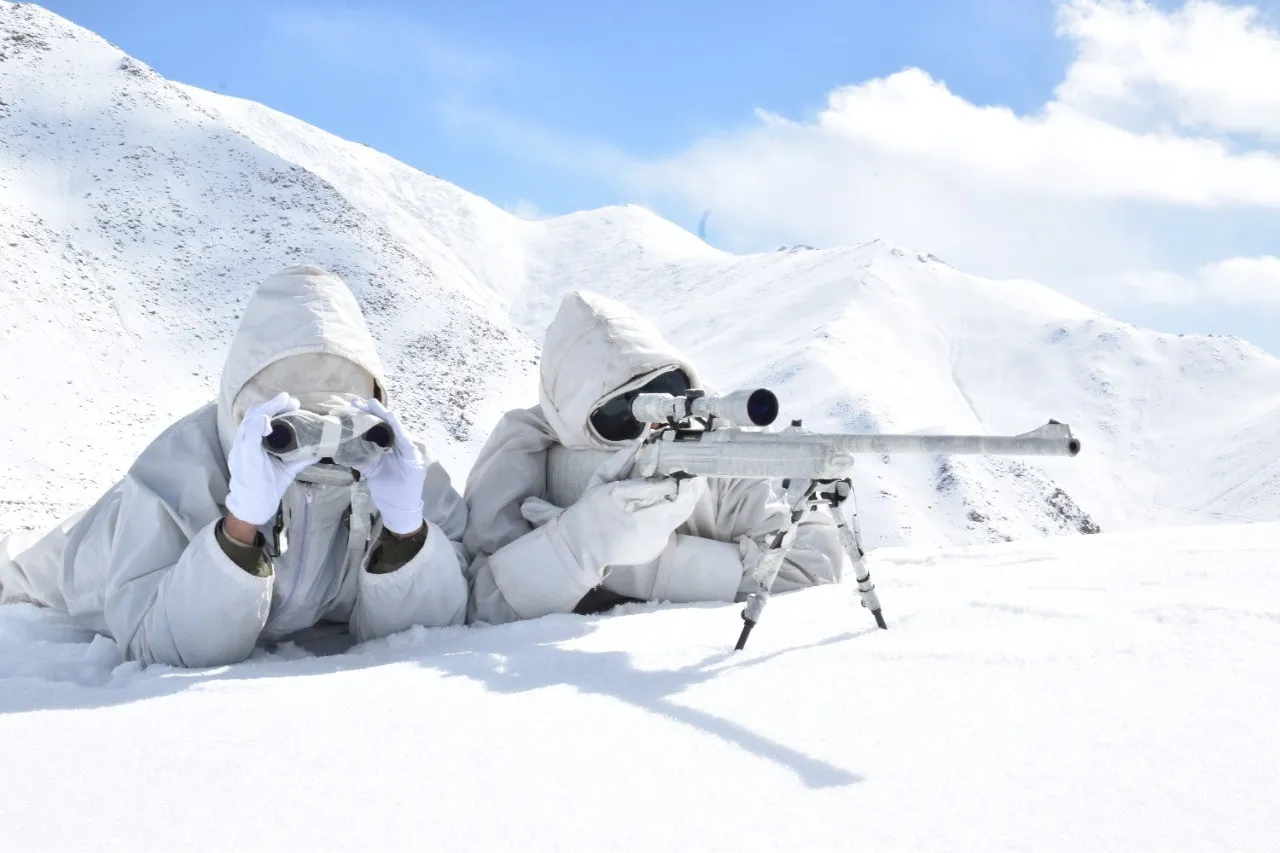
Nikkei Asia reported on 10 November 2026 that India is forming border-police commando units for clashes with Chinese troops, with drones getting most of the money.
TAIPEI —
This article is an original Taiwan Defence analysis based on the cited public sources. It distinguishes reported facts from analytical judgments and does not represent original field reporting.
The argument
On 10 November 2026, Nikkei Asia reported that India's border police are being organised into new specialised commando units trained to deal with confrontations with Chinese troops, with an emphasis on close combat, high-altitude operations, drone surveillance and fast responses to local face-offs. The report tied the units, known as Shaurya teams, to lessons from the 2020 Galwan clashes.
The detail behind that report points to a force being shaped for repeated, low-level standoffs rather than for a full war. India is giving the Indo-Tibetan Border Police, a police force rather than an army formation, the skills to hold ground in close-range scuffles and to watch the frontier from the air. That choice says as much about how New Delhi expects the boundary dispute to unfold as about the units themselves.
Evidence and constraints
The Times of India reported on 23 October 2026 that the force has raised Shaurya commando platoons modelled partly on the Indian Army's Ghatak platoons. The teams are being trained in mountain warfare, newer weapons, drone operations, mountaineering and unarmed combat, and are meant to support surveillance, anti-infiltration work and rapid response in emergencies. The paper said that unlike the Ghatak platoons, which have offensive tactical roles, the Shaurya platoons are mainly defensive and focused on border security.
Moneycontrol, citing reporting by ThePrint, said the force's director general, Shatrujeet Singh Kapur, stated that the new teams had performed well in confrontations at several locations in Arunachal Pradesh and that the face-offs were continuing. It also reported that Shaurya personnel have trained with the Army's Fire and Fury Corps, the formation based in Leh that is responsible for Ladakh.
Money is flowing mainly to drones. According to the Times of India, the force has received 400 crore rupees for modernisation, with 70 percent set aside for drone warfare, and the Ministry of Home Affairs has given in-principle approval to a wider plan worth 4,000 crore rupees, including 1,000 crore rupees for drone and counter-drone systems. Each border-guarding battalion now has a drone platoon, and the force is training its own pilots.
Training is the slower part. The same report said the force is developing a course called Strike to prepare personnel for situations like the Galwan clash, with the aim of putting all of its personnel through it by the end of 2027. It is also running a pilot project for underground shelters at forward posts and improving cold-weather living conditions for troops stationed at altitudes of about 9,000 to 18,700 feet along the 3,488-kilometre border with China.
The background explains the design. Moneycontrol noted that the June 2020 clash in the Galwan Valley killed 20 Indian soldiers and exposed the danger of close-quarters encounters, and that the force, set up in October 1962 after the war with China, guards posts where winter temperatures can drop to minus 45 degrees Celsius.
The shift is not limited to one force. The Times of India noted that the border police are one of seven central armed police forces, that the Border Security Force has moved to set up drone sub-units and already has commando platoons in its battalions, and that the Central Reserve Police Force runs its own commando battalion for jungle operations against Maoist insurgents. Specialised units and drones are becoming standard across these police forces.
What could change
Two limits stand out. The larger 4,000 crore rupee plan has only in-principle approval, so the drone build-up depends on that money actually being released. And the Strike course will not reach the whole force until the end of 2027, which leaves a gap of more than a year in which only part of the frontier force has the new training.
A third uncertainty is how China reads the change. Better-trained police commandos may make Indian patrols harder to push back in local scuffles, which could deter some confrontations. They could also make individual encounters more forceful if both sides send better-prepared teams to the same ground.
Why it matters
The face-offs that Indian officials describe in Arunachal Pradesh show China applying pressure below the threshold of open conflict along a contested land frontier, and India answering with specialised police units, drones and hardened posts rather than with large new army deployments. For Taiwan, which faces its own grey-zone pressure from Chinese forces at sea and in the air, India's approach is a useful comparison of how a neighbour organises for long, low-level contests with Beijing.
Sources
More in Analysis
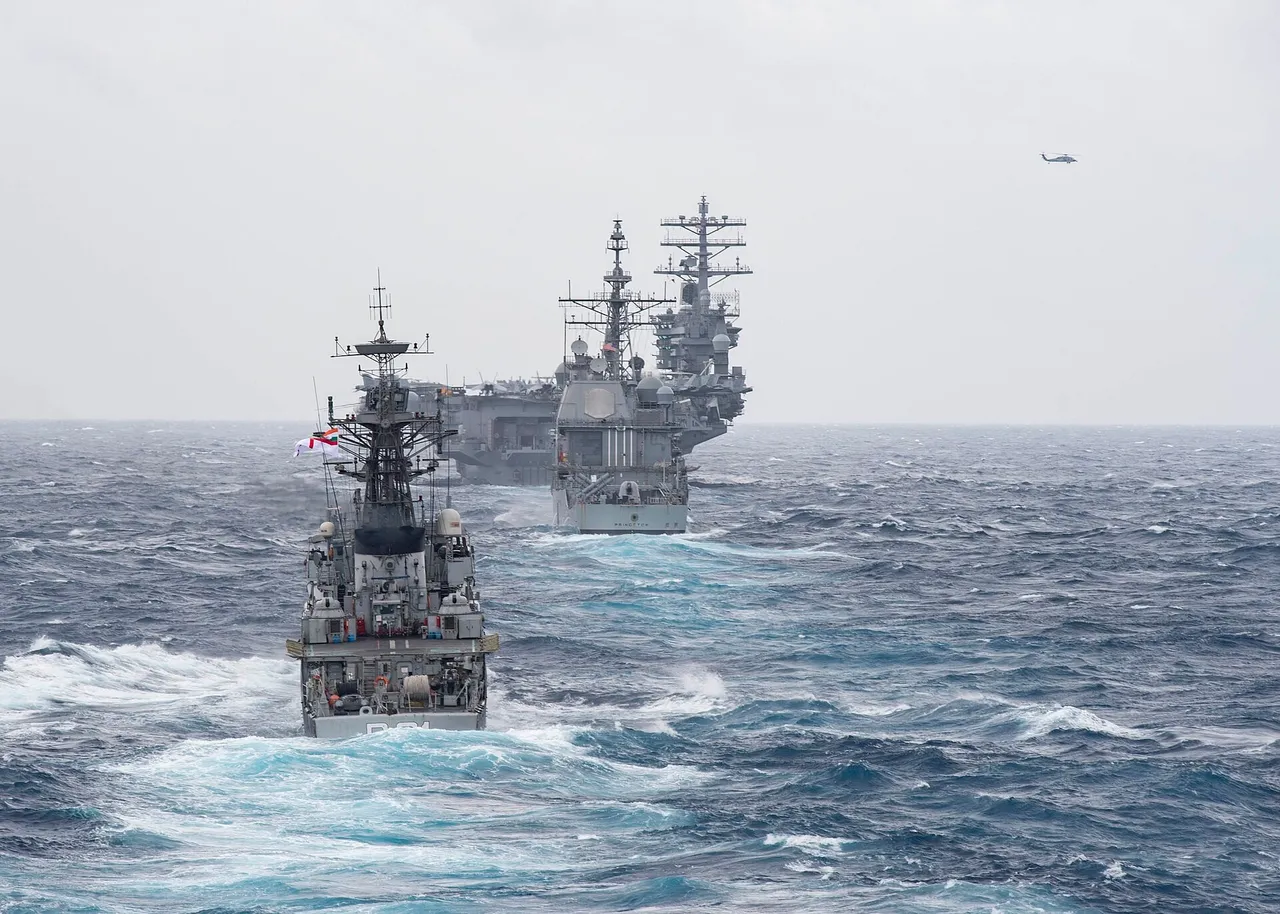
Why India's 2 November 2026 corvette order looks more like a fleet-age fix than a leap
India signed for eight corvettes on 2 November 2026, but most of its corvette fleet is over 20 years old and the first new ship is not due until about 2030.
TaiwanDefence · 2h ago · 4 min read
Why the drop to one PLA aircraft near Taiwan on 9 November 2026 does not mean Beijing has eased off
Taiwan counted one Chinese military aircraft on 9 November 2026, down from 49 a week earlier, but the warships stayed and the pressure shifted to the sea.
TaiwanDefence · 1d ago · 4 min read
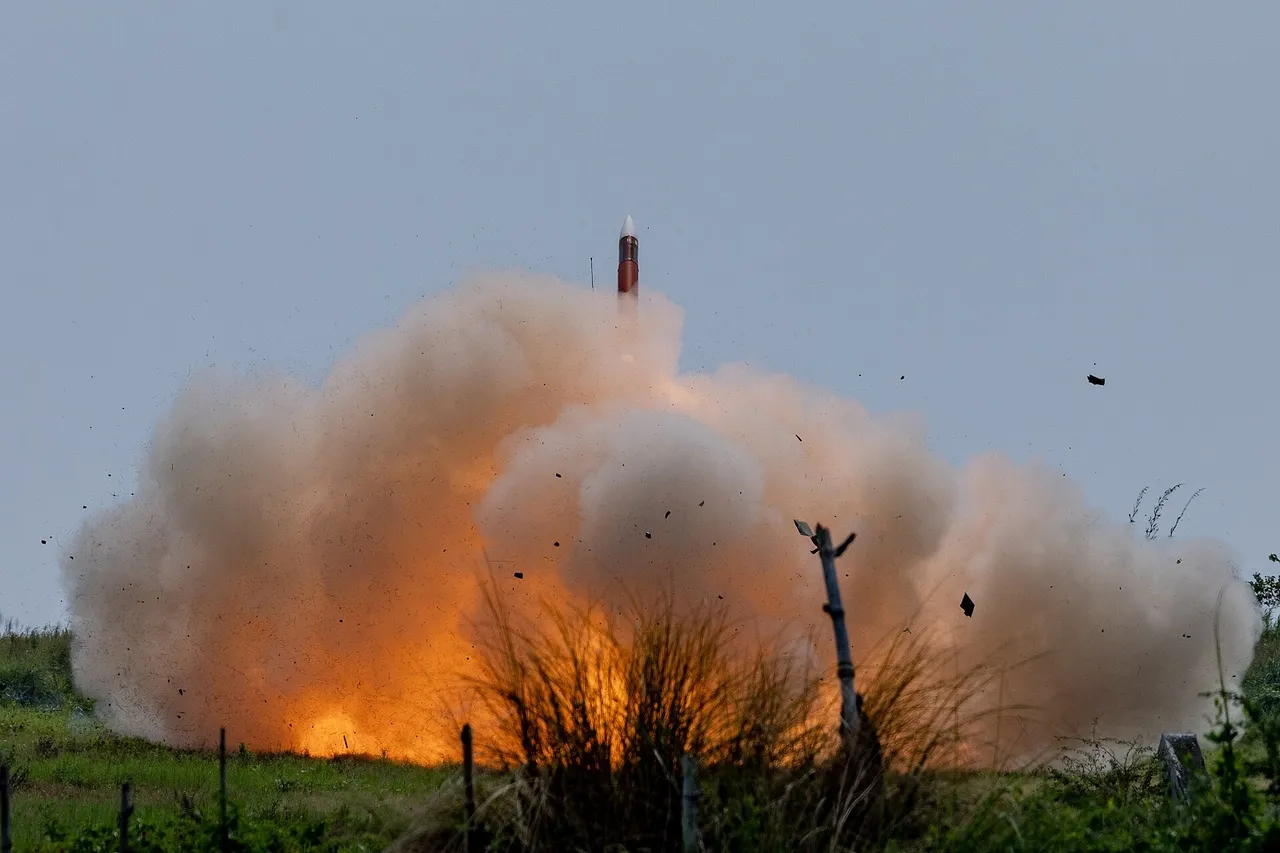
Why a November 2026 call for cheap Steelfin interceptors runs into T-Dome's command-network gap
A Taiwan defence think tank urged on 9 November 2026 that Taipei weigh Anduril's low-cost Steelfin, but cheap missiles need links T-Dome still lacks.
TaiwanDefence · 1d ago · 4 min read
Discussion (0)
Comments are not currently available.