
US Army flies HIMARS launchers to Kauai in rapid strike drill ahead of Philippine deployments
C-17s carried 25th Infantry Division rocket launchers to the island for a dry-fire hit-and-leave mission during the JPMRC 27-01 exercise in Hawaii.
TAIPEI —
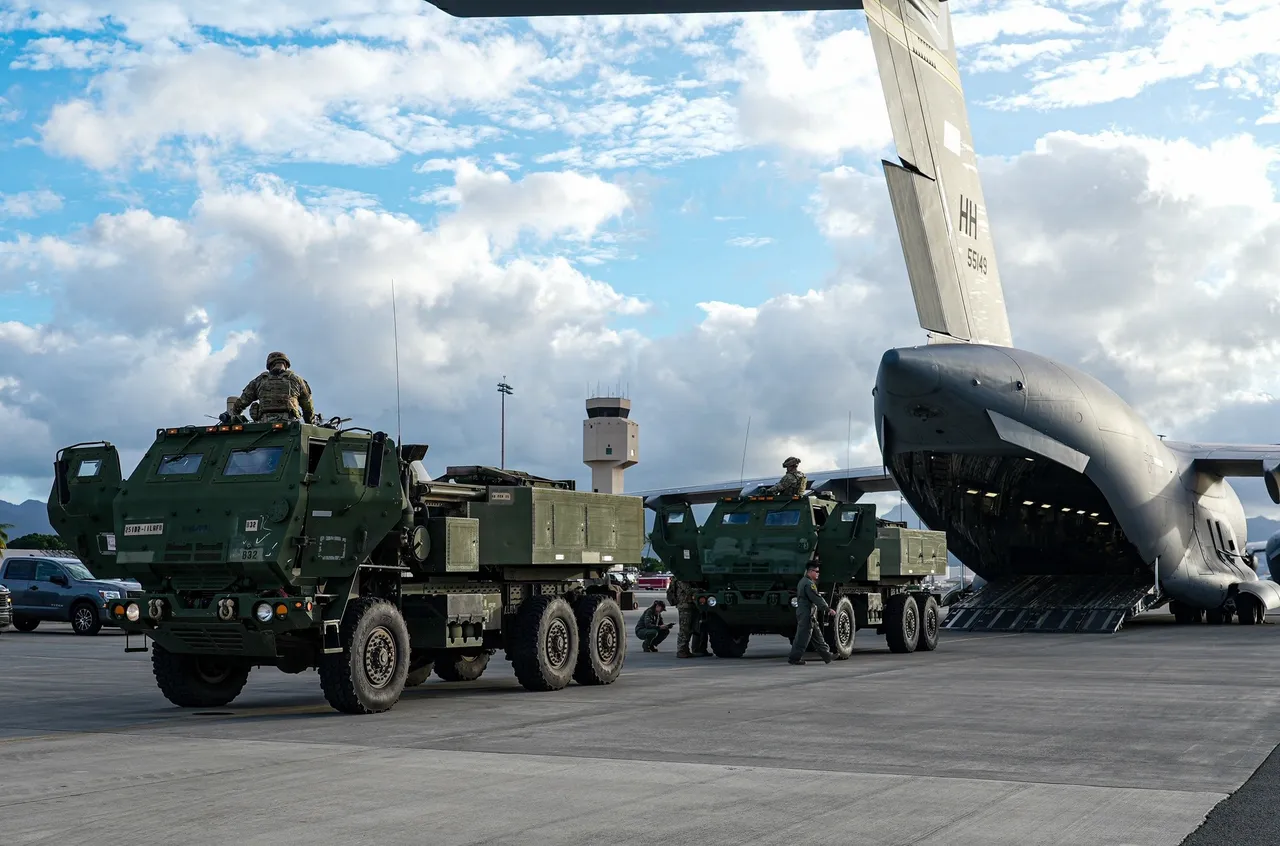
The US Army's 25th Infantry Division flew HIMARS rocket launchers to the Hawaiian island of Kauai aboard US Air Force C-17 transports and ran a rapid strike drill there on 10 November, the Army said. The division described the mission, staged during the Joint Pacific Multinational Readiness Center's Rotation 27-01, as preparation for its light infantry's deployments to the Philippines under Operation Pathways next spring and summer.
The launchers belonged to the 2nd Battalion, 11th Field Artillery Regiment of the 25th Division Artillery Brigade, while the 15th Wing at Joint Base Pearl Harbor-Hickam supplied the aircraft. Crews drove the launchers off on the airfield and went straight into a firing posture. It was a dry fire, with no rockets launched, and Defence Blog noted that the division has not said how many launchers took part or which Kauai airfield it used.
The Army calls the tactic HIMARS Rapid Infiltration, or HIRAIN. A cargo aircraft lands a launcher at a remote or austere strip, the crew carries out a fire mission, and the launcher is loaded back aboard and flown out quickly. According to the division, the aim is to degrade enemy systems without leaving a static target for counterfire. Army Recognition pointed out that aircraft extend where a launcher can be placed but not the range of the munitions it carries.
Kauai lay hundreds of miles from the exercise's main ground battle on Oahu and the Island of Hawaii. A Bravo Battery platoon leader said speed, communications and accuracy defined the strike, and that crews depended on Air Force loadmasters to load, secure and prepare the launchers to drive off as soon as the C-17s landed. Commanders processed sensor data and confirmed targets over encrypted networks using what the Army called Super-Intelligence decision aids and new command-and-control software, which the division did not name.
Independent coverage stressed the limits of what was shown. Army Recognition said the published account gave no measured deployment times, so the drill demonstrated rehearsed procedures rather than a proven response speed, and that a dry fire says nothing about live-fire accuracy or ammunition performance.
The battalion is relatively new to rocket artillery. It converted to HIMARS in July 2025, when the division received 16 launchers in two batteries of eight, replacing eight M119 and six M777 howitzers, Defence Blog reported. In February its crews also rode an Army Maneuver Support Vessel (Light) to an unimproved Hawaiian beach, simulated a fire mission and withdrew, which the 8th Theater Sustainment Command described as the first HIMARS insertion and extraction by that vessel.
JPMRC is US Army Pacific's main regional combat training centre, operating across Hawaii, Alaska and exportable sites in the Indo-Pacific. The Army said Rotation 27-01 brings in personnel from South Korea, Singapore, France, New Zealand, Japan and the Maldives to rehearse large-scale combat in jungle and archipelagic terrain.
The drill reflects a wider effort to make ground-based fires mobile across island chains, where launchers on one island cannot automatically support forces on another. Army Recognition said air transport lets the Army move rocket artillery across maritime gaps without relying only on sealift. The commander of the 25th Division Artillery Brigade, Col. Bryan Fanning, said training in Hawaii prepares the unit to fight anywhere in the Pacific by rehearsing short-notice deployments into contested terrain.
Sources
More in Indo-Pacific
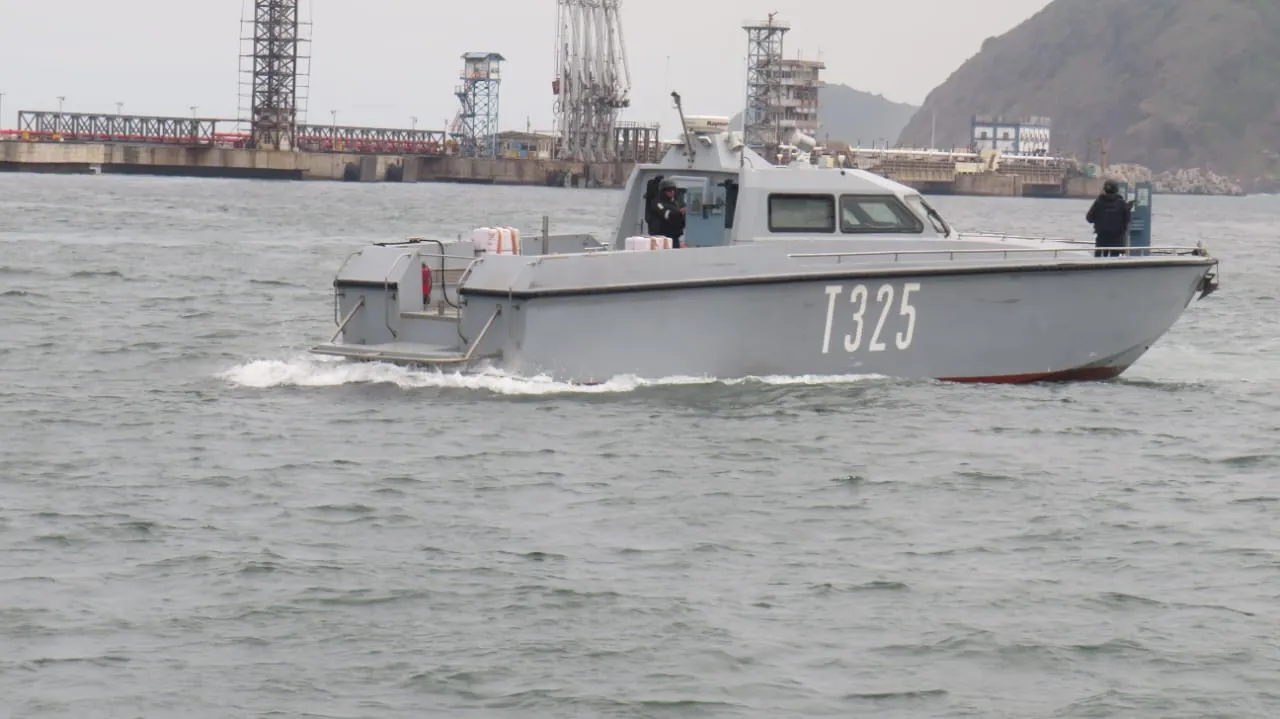
India launches nine-day Sea Vigil-26 coastal defence drill along its newly re-measured coastline
The Indian Navy is leading the national exercise from 11 to 19 November, the first since Operation Sindoor and since India's coastline was re-measured.
TaiwanDefence · 1h ago · 3 min read
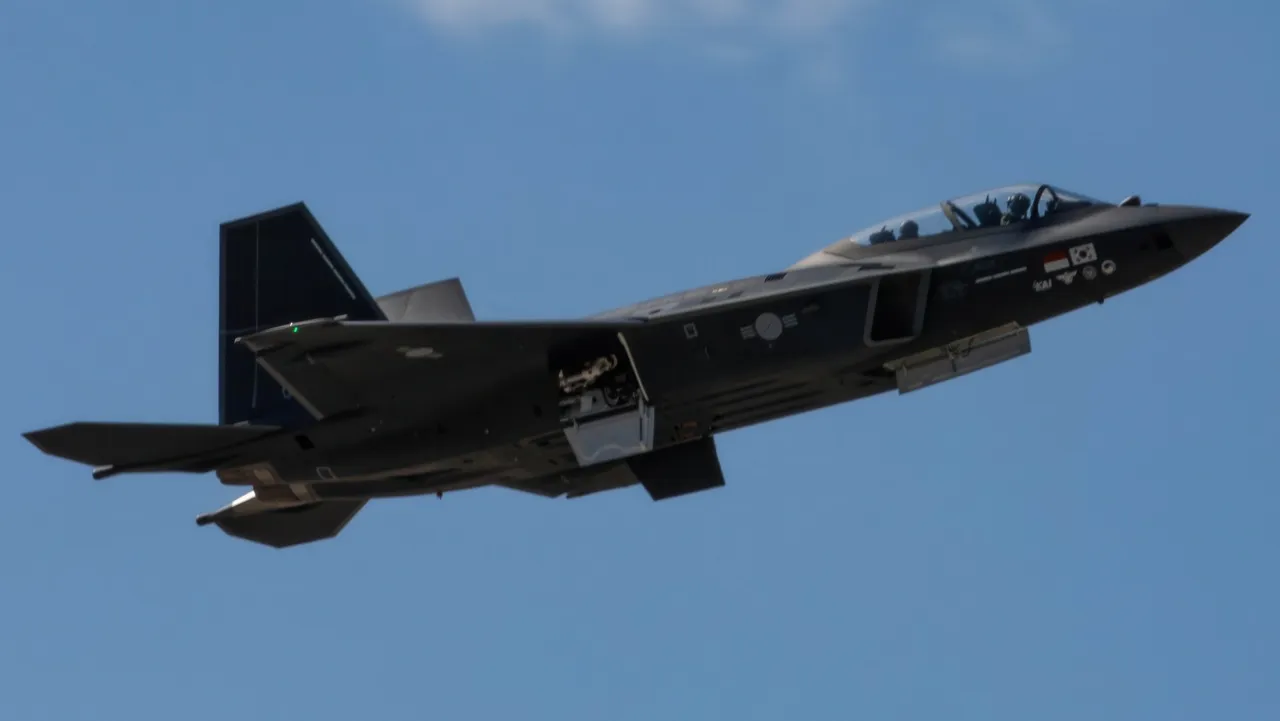
South Korea and Indonesia push past arms sales toward joint development and third-country exports
At their 12th defence industry committee in Jakarta, the two governments and about 40 companies reviewed the KF-21, T-50 and submarine projects.
TaiwanDefence · 2h ago · 2 min read
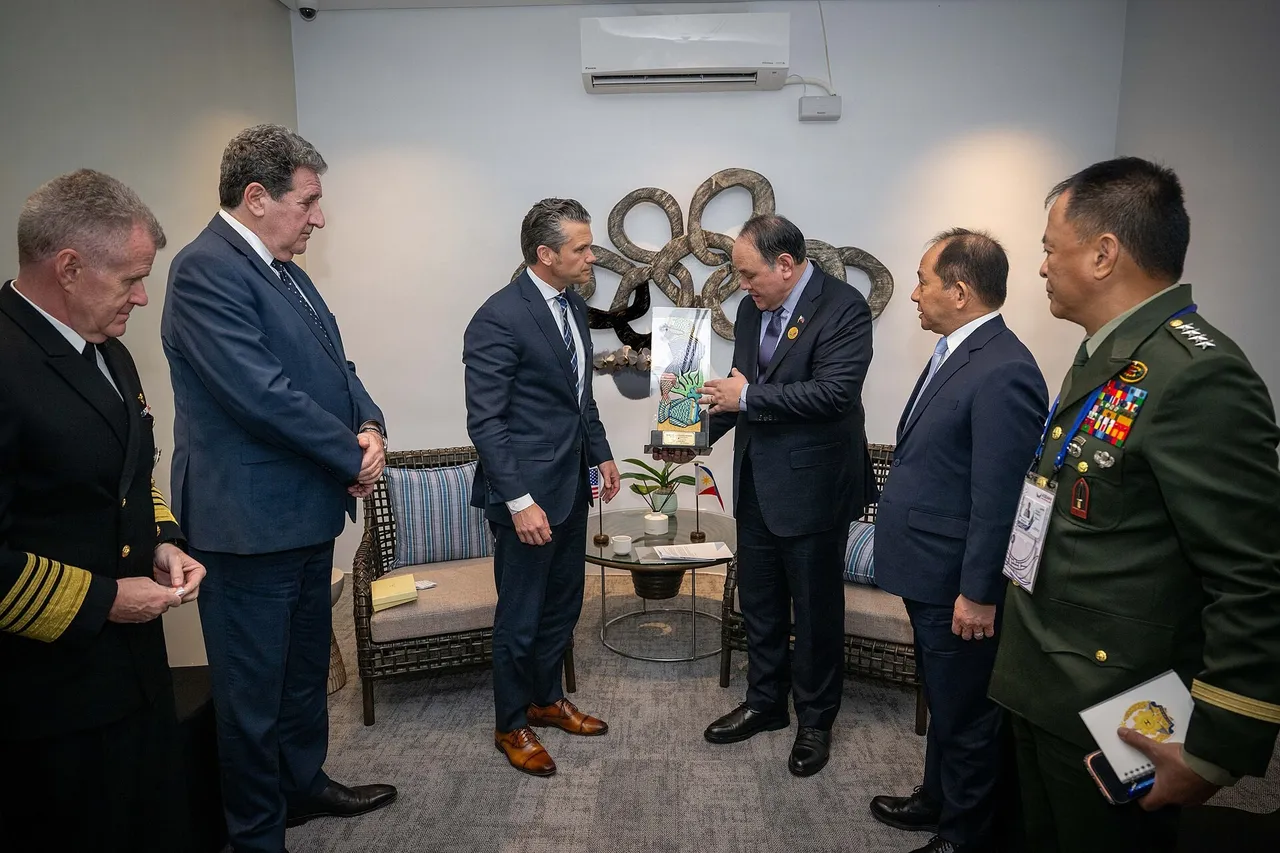
US, Japan, Australia and the Philippines pledge a combined coordination centre on Philippine soil
A joint statement released on 10 November turns last month's Cebu meeting of the four defence ministers into pledges on a shared hub, aligned investment and bigger drills.
TaiwanDefence · 5h ago · 3 min read
Discussion (0)
Comments are not currently available.