
South Korea's top general flies in a KF-21 as the fighter's first squadron takes shape
JCS Chairman Gen. Jin Yong-sung flew a two-seat KF-21 at the 16th Fighter Wing and checked missile early warning, as Seoul fields its homegrown jet.

TAIPEI —
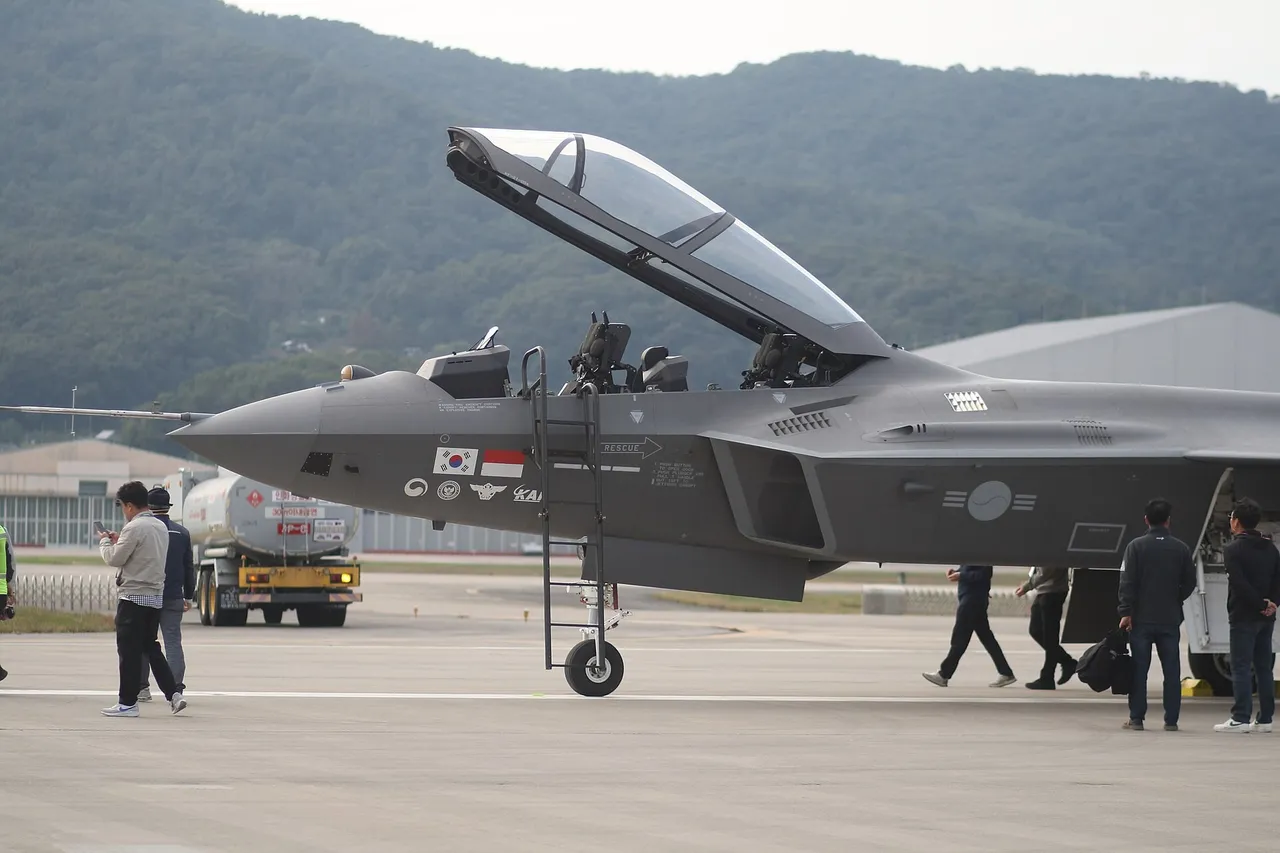
South Korea's most senior military officer, Joint Chiefs of Staff Chairman Gen. Jin Yong-sung, flew aboard a KF-21 fighter on Wednesday, 11 November, to inspect the country's air defence posture, the Joint Chiefs of Staff said. The visit took him to the air force's 16th Fighter Wing at Yecheon in North Gyeongsang Province, the first base to receive the homegrown jet.
Jin, a former fighter pilot, rode in a two-seat KF-21 and led a command flight in which the new fighters flew in formation with FA-50 light attack aircraft, also built in South Korea. According to the JCS account carried by Korean media, he used the flight to judge the aircraft's maturity and operational performance at first hand.
After landing, Jin met the pilots and told them to keep a posture and capability that would deter the enemy through overwhelming air power and allow them to scramble and respond at once if a crisis broke out. He also urged the airmen preparing the type's first operational deployment to take pride in, and responsibility for, flying what he called a symbol of self-reliant defence.
The trip came as the KF-21 moves from development into service. Development wrapped up in June 2026, and the first production aircraft was delivered to the Yecheon wing in September, Munhwa Ilbo reported. The air force plans to station six two-seat KF-21s at Yecheon first in order to begin training pilots on the type.
Korea Aerospace Industries is due to build 20 KF-21s by the second half of 2027 for the Yecheon base, where the first fighter squadron is to be formed by the end of that year, according to the newspaper. A second squadron is planned at the 18th Fighter Wing in Gangneung by the end of 2028, which would complete an initial batch of 40 aircraft.
Those first jets are Block I aircraft, built mainly for air-to-air missions. The air force intends to follow them with 80 Block II fighters by 2032, adding a wider range of air-to-ground and anti-ship weapons for all-weather multirole work, the paper said.
On the same day Jin went to a missile and space surveillance unit in central South Korea that tracks ballistic missile launches. There he checked the real-time readiness of the Korea Air and Missile Defense system, known as KAMD, which is designed to detect and intercept incoming ballistic and other missiles early in flight.
Jin described the unit as the place where missile defence operations begin, because it is the first to detect enemy missile provocations, and ordered its personnel to keep a round-the-clock early warning posture able to spot and pass on any type of missile quickly, the JCS said.
KAMD is one of three pillars of South Korea's deterrence system against North Korea. The others are the Kill Chain pre-emptive strike system and Korea Massive Punishment and Retaliation, a plan to incapacitate North Korea's leadership in a major conflict. Jin stressed that the key assets of all three pillars must work effectively, according to the Financial News.
The Financial News said the inspection was expected to strengthen South Korea's self-reliant defence capabilities. For now, though, the first KF-21 squadron is still being assembled and its pilots are still converting to the type.
Sources
More in Indo-Pacific
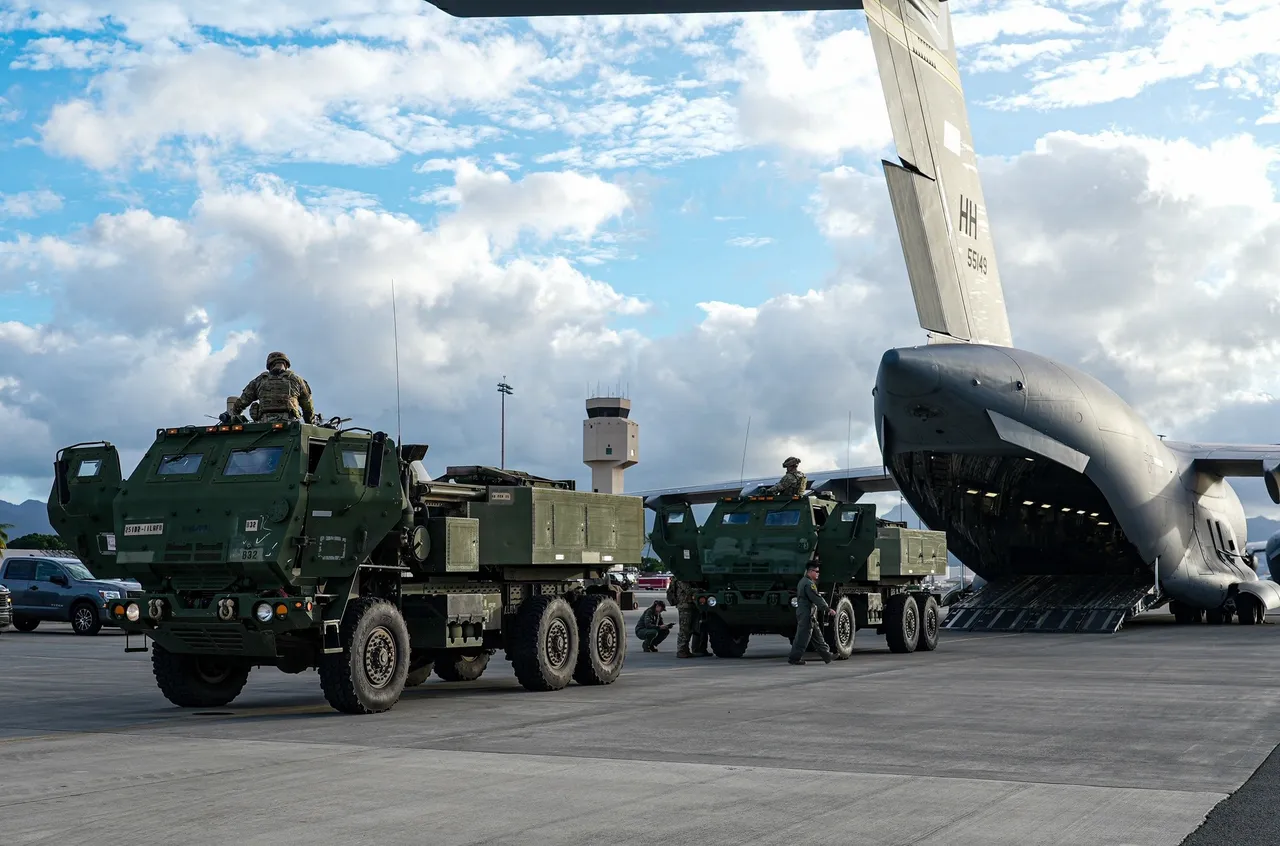
US Army flies HIMARS launchers to Kauai in rapid strike drill ahead of Philippine deployments
C-17s carried 25th Infantry Division rocket launchers to the island for a dry-fire hit-and-leave mission during the JPMRC 27-01 exercise in Hawaii.
TaiwanDefence · 2h ago · 2 min read
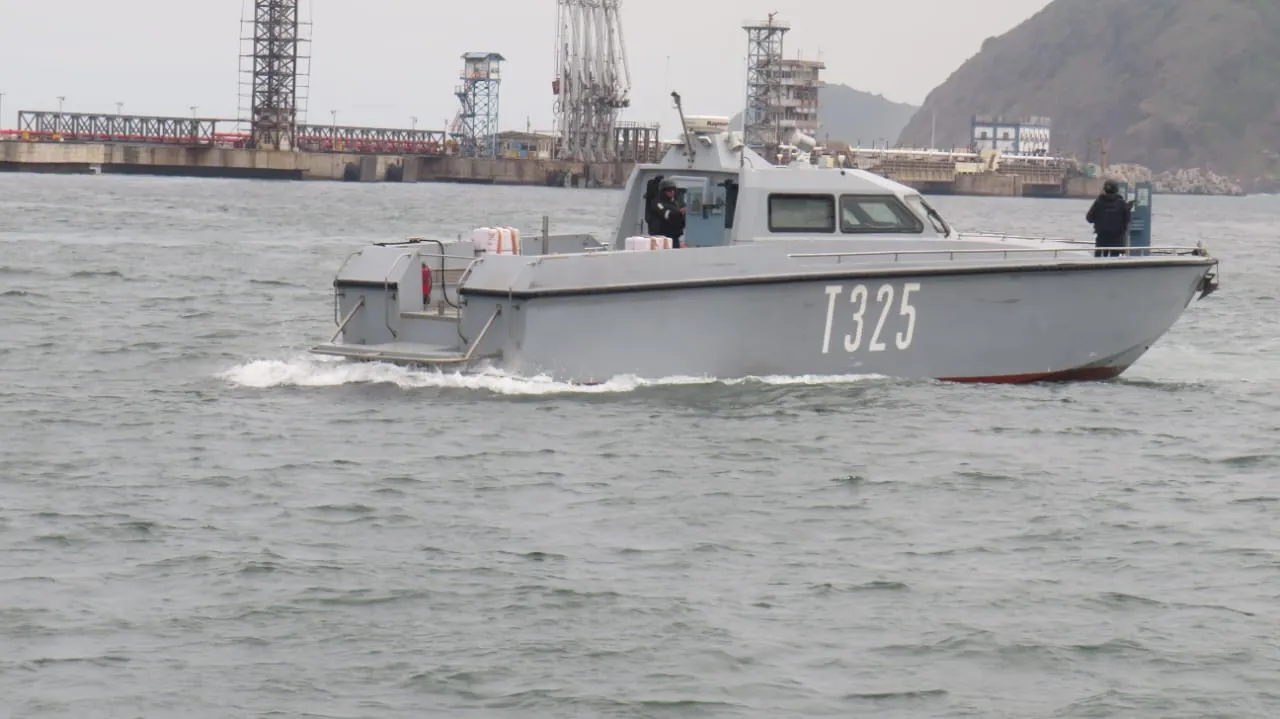
India launches nine-day Sea Vigil-26 coastal defence drill along its newly re-measured coastline
The Indian Navy is leading the national exercise from 11 to 19 November, the first since Operation Sindoor and since India's coastline was re-measured.
TaiwanDefence · 3h ago · 3 min read
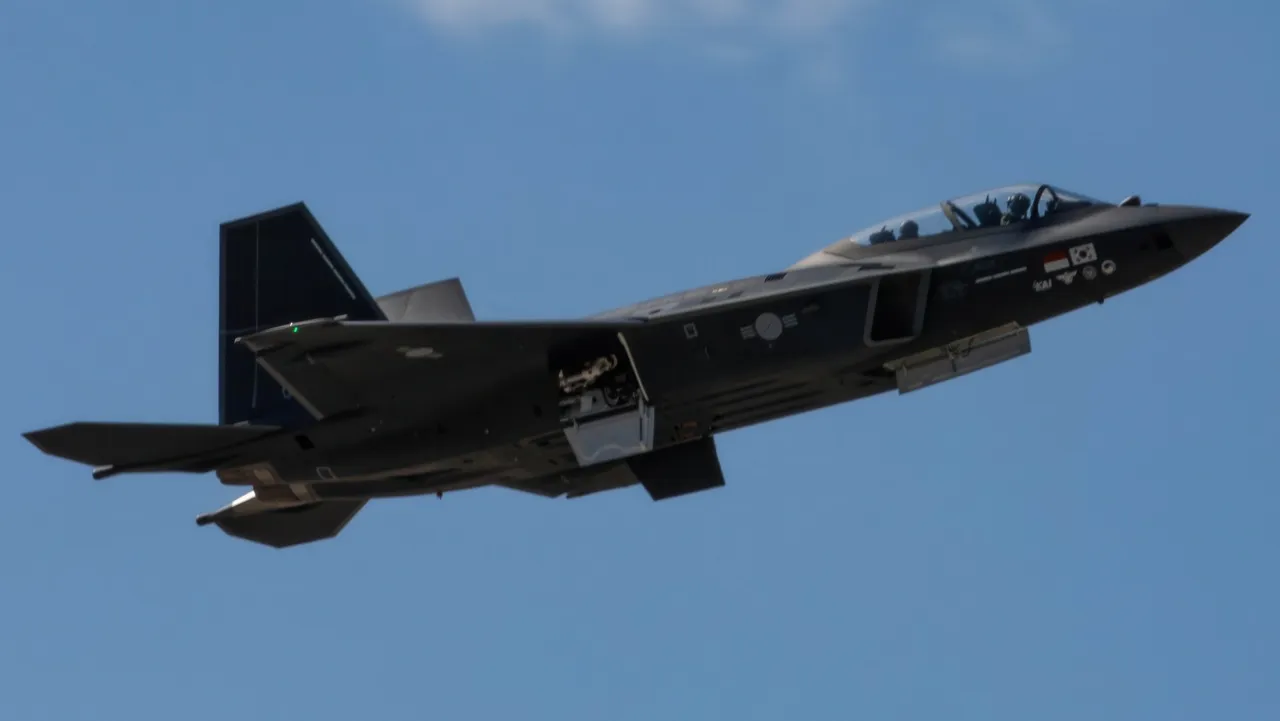
South Korea and Indonesia push past arms sales toward joint development and third-country exports
At their 12th defence industry committee in Jakarta, the two governments and about 40 companies reviewed the KF-21, T-50 and submarine projects.
TaiwanDefence · 4h ago · 2 min read
Discussion (0)
Comments are not currently available.