
ANALYSIS
Why the US Air Force's Marianas airstrip plan, reported on 12 November 2026, hinges on fuel and consent
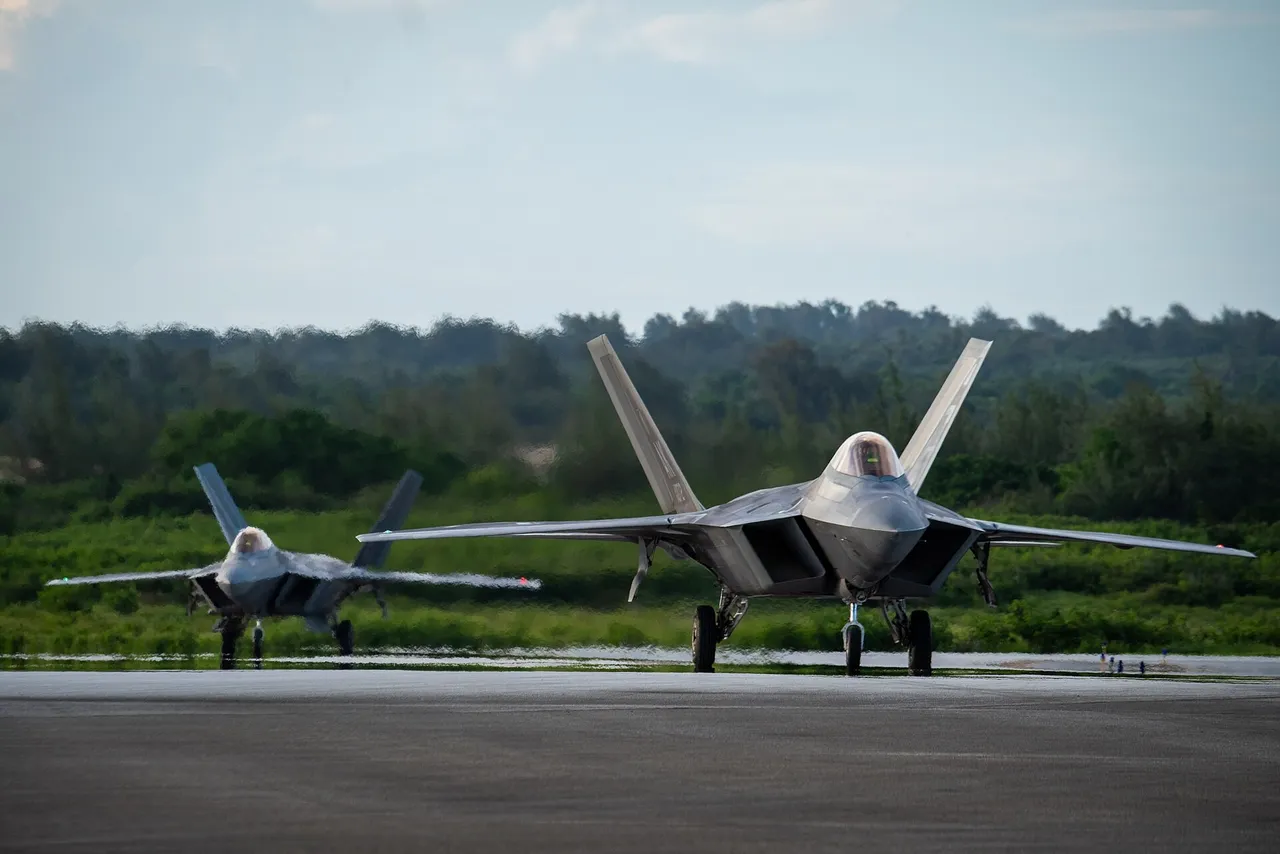
A plan reported on 12 November 2026 for 6,000-plus flights a year from four Marianas airfields shows dispersal near Guam is mostly a logistics test.

TAIPEI —
This article is an original Taiwan Defence analysis based on the cited public sources. It distinguishes reported facts from analytical judgments and does not represent original field reporting.
The argument
A report published on 12 November 2026 by Defence Industry Europe set out the US Air Force's proposal to bring more than 6,000 military flight operations a year to four airfields in the Northern Mariana Islands: Saipan International Airport, Tinian International Airport, Tinian North Field and Rota International Airport. The Department of the Air Force announced that it will prepare an environmental impact statement on the effects of that training on island communities, local economies and the environment.
The headline number invites a story about reviving Second World War airfields. The more useful reading is that the plan is a test of the unglamorous parts of dispersal: fuel, people, temporary facilities and the consent of the islanders who would live beside them. Those parts, more than the runways, will decide how much the Marianas add to American air power in a Pacific crisis, and the timetable suggests the answer will take years.
What the Air Force wants
The training would support the service's Agile Combat Employment concept, under which forces spread across several airfields and move between them so that an enemy cannot halt operations by hitting a single base. Both Defence Industry Europe and Air Force Times describe the concept as a response, in large part, to China's expanding reach and missile arsenal. The three islands lie tens of nautical miles apart and less than 100 nautical miles north of the main US bases on Guam, which would support staging and deployments.
Under the baseline option, each airfield could host up to 1,200 fixed-wing operations, covering combat aircraft and drones, and 320 helicopter operations a year. An alternative would allow up to 1,400 and 384. RNZ noted that an operation means a takeoff or a landing, not an individual aircraft. Exercises of different sizes would run several times a year for a few weeks each. Aero South Pacific reported that the notice says the airfields could also host training by other US services, allies or partner nations.
Evidence and constraints
The support figures are what stand out. Each airfield could need up to 550,000 gallons of fuel and up to 1,000 personnel, along with temporary expeditionary infrastructure, utilities and the handling of munitions such as chaff and flares. Across four airfields that adds up to as much as 2.2 million gallons of fuel and 4,000 people. Dispersal multiplies the logistics a single main base would otherwise concentrate in one place.
Some of the groundwork is already done. Tinian's North Field, the island's best-known wartime airfield, fell out of use after 1945 and was largely overgrown when restoration began in late 2023. The work has since covered port and road infrastructure, fuel pipelines, airfield pavement and utilities. Aero South Pacific reported that North Field reopened for limited operations this year, with two of its four runways due in service by 2027. Air Force Times reported that the restoration has raised questions among Air Force leaders about resources and funding as the war with Iran makes new demands on the service.
Local consent is the second constraint. The Saipan community group Our Common Wealth 670 asked for the 30-day scoping period to be doubled. It wants the review to cover noise, contamination, civilian airport operations, cultural sites, public safety and the combined effect of military activity across the Marianas, and to give a stronger voice to Chamorro and Refaluwasch communities. Commonwealth Ports Authority chair Bart Jackson told RNZ that commercial flights would not be affected and that the military would be a paying tenant. Congressional delegate Kimberlyn King-Hinds backed the contribution to readiness but urged residents to take part.
What could change
The schedule leaves room for change. Public meetings are set for Saipan on 18 November, Tinian on 19 November and Rota on 21 November, and written comments are due by 29 November. A draft statement is expected in late 2027 and a final one in mid-2028. US military representatives have said the islands lack the land for a major base but could serve as a staging and logistics hub, Aero South Pacific reported.
That framing is probably realistic. If funding tightens or local objections lengthen the review, the Marianas are more likely to end up as a set of rehearsed fallback runways than a permanent second hub beside Guam. Even that would complicate an adversary's targeting, but only if fuel and people can be moved in faster than airfields can be struck.
Why it matters
For Taiwan, the plan matters because American air power in any regional crisis would rely heavily on bases in the western Pacific, and planners have long worried about concentrating aircraft on a few large airfields. The Marianas proposal shows Washington trying to spread that risk. Its slow, consultative path also shows that dispersal is a political and logistical project measured in years, not a switch that can be flipped once a crisis begins.
Sources
More in Analysis
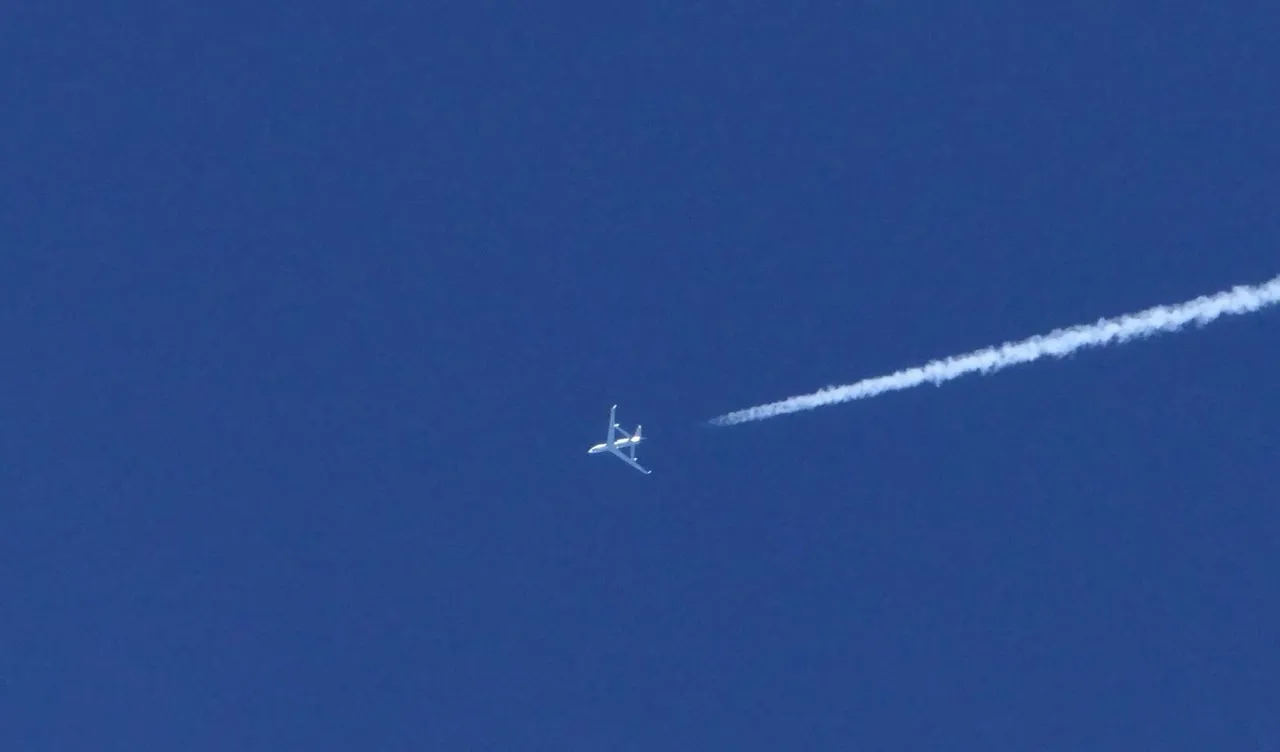
Why Japan's fighter scrambles, tested by Chinese drones again on 11 November 2026, are a poor match
Japan scrambled jets on 11 November 2026 as two Chinese drones looped past Yonaguni, yet higher, longer PLA drone flights expose the limits of crewed intercepts.
TaiwanDefence · 11h ago · 4 min read
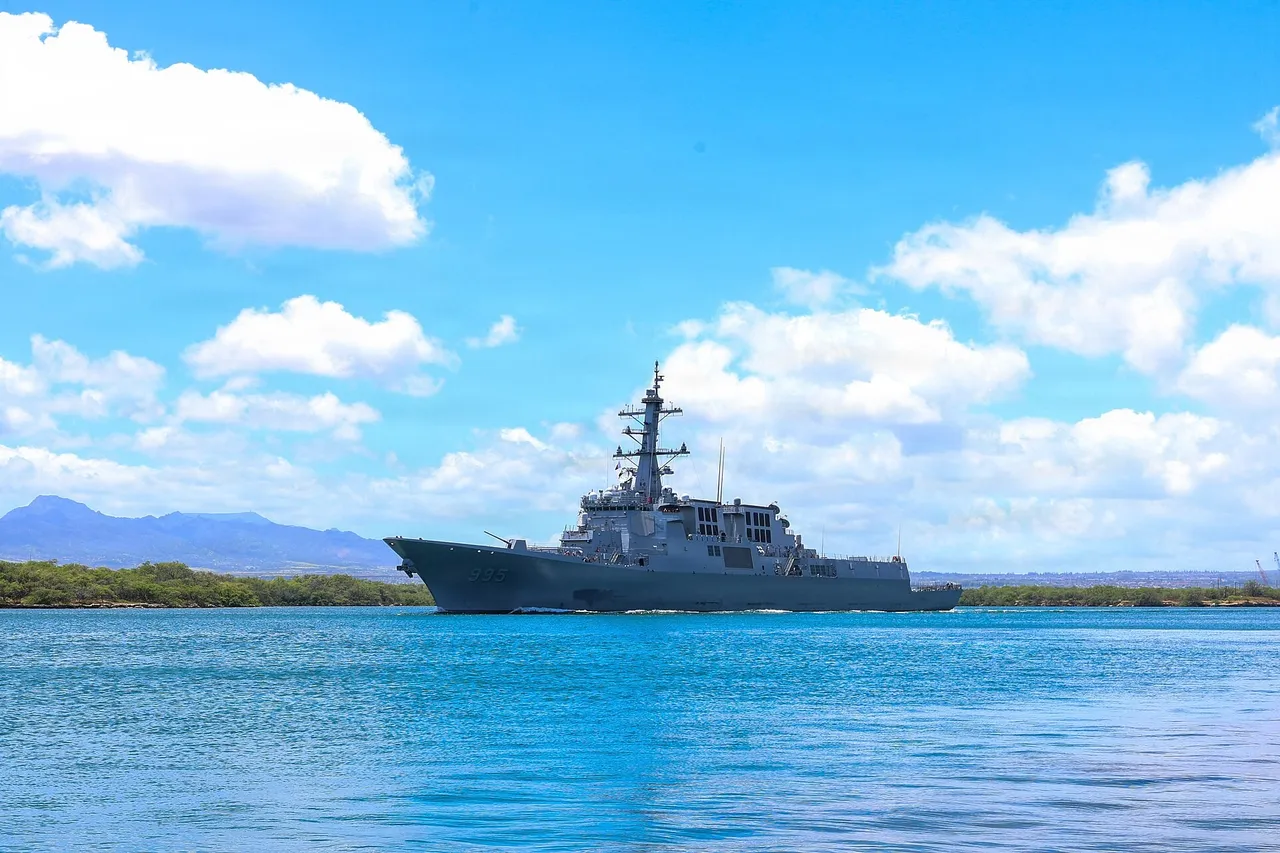
Why North Korea's conventional arms rush, tallied on 11 November 2026, strains Seoul's playbook
A count published on 11 November 2026 found 15 North Korean conventional weapon reveals in about two months, as G7 ministers condemned Moscow's help.
TaiwanDefence · 14h ago · 4 min read
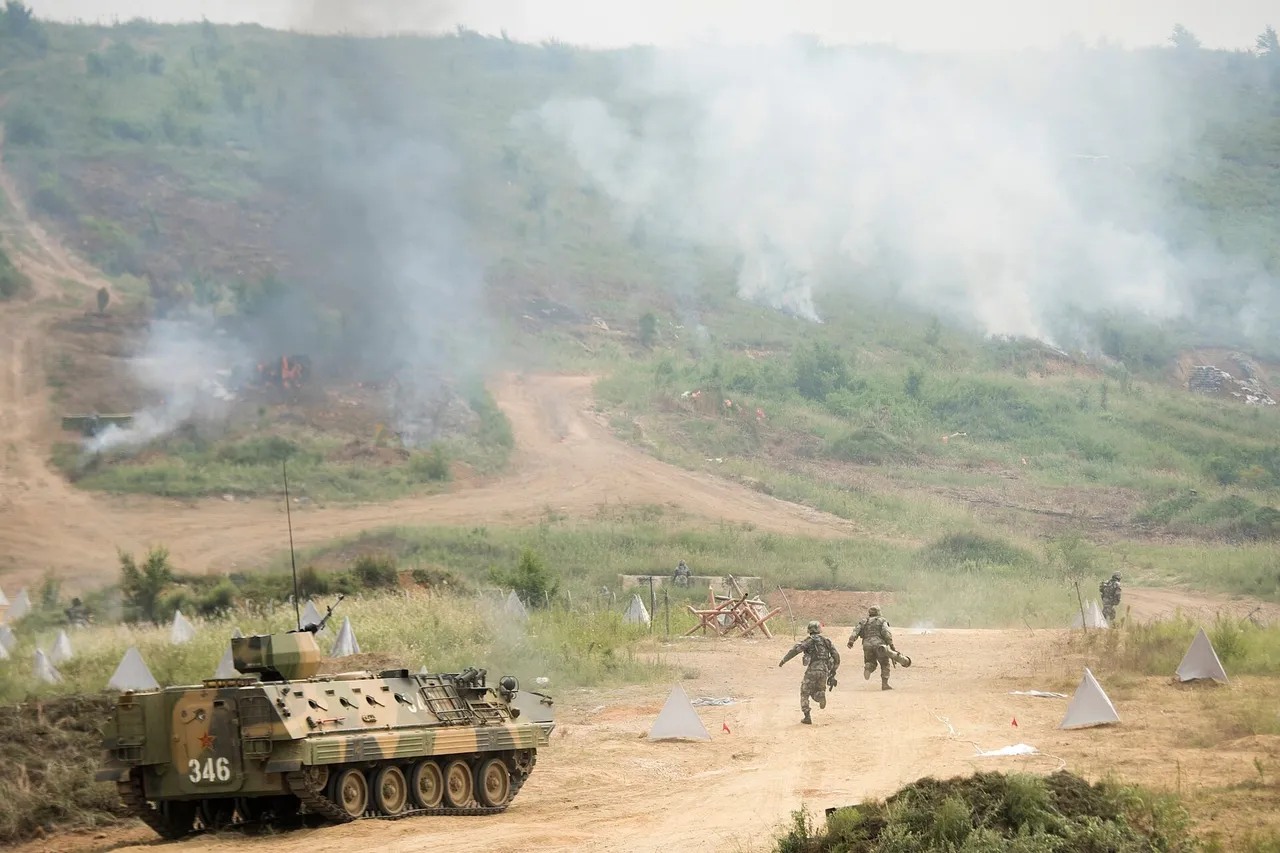
Why a PLA brigade's compulsory counter-drone drills, reported on 9 November 2026, matter for Taiwan
PLA Daily said on 9 November 2026 that a 75th Group Army brigade made counter-drone training mandatory, as Taiwan weighs NT$55.9 billion for drones.
TaiwanDefence · 18h ago · 4 min read
Discussion (0)
Comments are not currently available.