
ANALYSIS
Why Japan's fighter scrambles, tested by Chinese drones again on 11 November 2026, are a poor match
Japan scrambled jets on 11 November 2026 as two Chinese drones looped past Yonaguni, yet higher, longer PLA drone flights expose the limits of crewed intercepts.

TAIPEI —
This article is an original Taiwan Defence analysis based on the cited public sources. It distinguishes reported facts from analytical judgments and does not represent original field reporting.
The argument
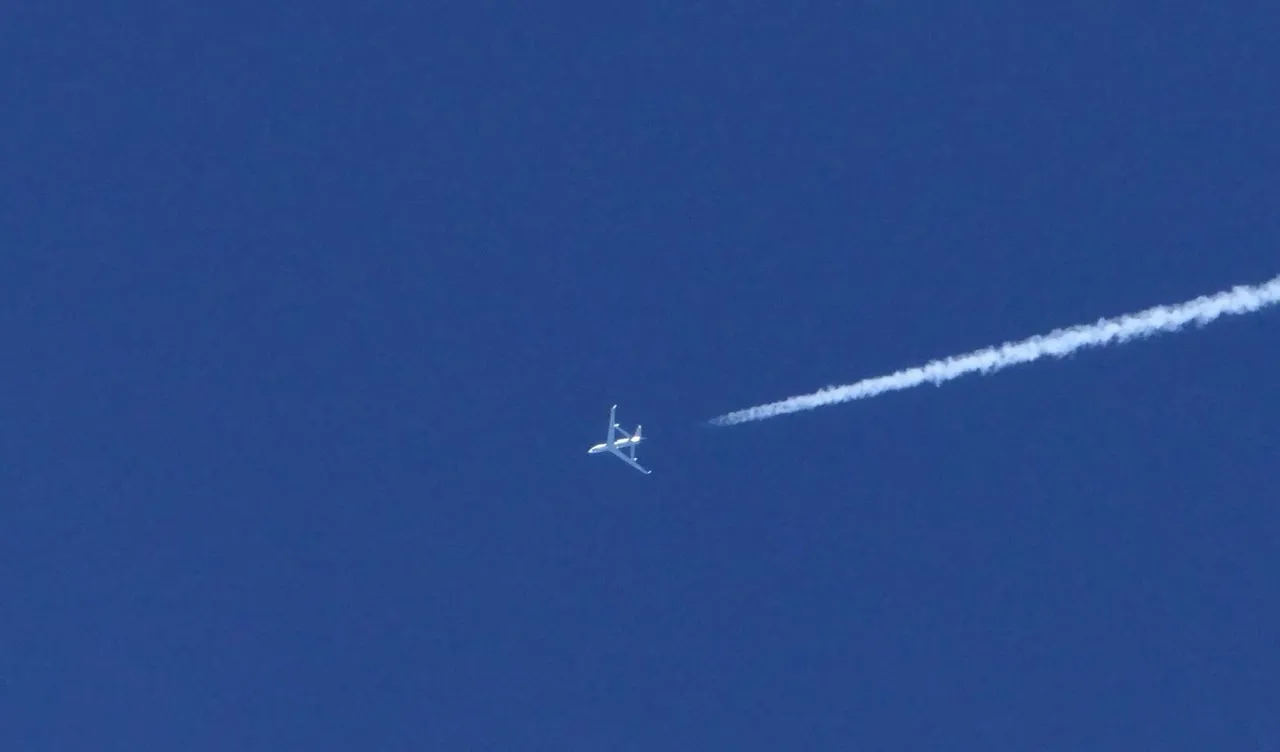
Japan's Joint Staff reported on 11 November 2026 that two Chinese drones had each flown through the gap between Yonaguni and Taiwan into the Pacific and then back again that day. One was a presumed Chinese drone that crossed in the morning, turned over the Pacific and returned to the East China Sea. The other, identified as a People's Liberation Army BZK-005 reconnaissance drone, made the same crossing between morning and afternoon, circled over the Pacific, came back through the gap, circled again over the East China Sea and headed toward the mainland. Fighters from the Air Self-Defense Force's Southwestern Air Defense Force were scrambled in response.
The release ends the way almost every such report does: Japan sent fighters. That response made sense when the intruders were mostly crewed patrol and intelligence aircraft. Set against a month of Chinese drone flights at both ends of Japan's southwestern island chain, it looks increasingly mismatched. Long-endurance drones cost China no crew risk and can fly higher and longer than the jets sent to meet them, so each scramble records the flight without changing it, while drawing on Japan's fighter hours.
A month of drone flights
The pattern is visible in Japan's own releases. The Aviationist reported that the Joint Staff tracked WZ-7 high-altitude drones twice on 2 November, both flying from the East China Sea through the strait between Okinawa and Miyako Island into the Pacific and back along largely the same route. The outlet said it was unclear whether one airframe flew twice or two different drones were involved. Taiwan Security Monitor, a research project at George Mason University, summarised the same releases as showing two WZ-7 flights that each made two orbits south of Okinawa, followed by a TB-001 reconnaissance and attack drone over the East China Sea on 5 November, which also drew a scramble.
The southern route is not new either. The Aviationist quoted a Joint Staff release from 14 October 2026 reporting that a presumed Chinese drone had passed between Yonaguni and Taiwan into the Pacific that morning, and that a WZ-7 was intercepted the same day while operating near a Y-9 intelligence aircraft over the East China Sea. The WZ-7 was first intercepted by Japanese fighters in January 2023 and again over the Sea of Japan in March 2024, according to the outlet, which reported no further intercepts of the type for the rest of 2024 or in 2025.
Evidence and constraints
Beijing presents the flights as routine. The Chinese state newspaper Global Times claimed the Miyako Strait passages were completely normal because many countries use the strait, according to both The Aviationist and Seoul Economic Daily. Seoul Economic Daily also reported Global Times claims that the WZ-7 operates above 20,000 metres for 10 to 12 hours. These are Chinese state media claims and have not been independently confirmed.
Seoul Economic Daily noted that the F-15 fighters Japan usually scrambles typically fly at about 12,000 to 14,000 metres, which means pilots can photograph a high-flying drone only from below. The paper also reported that China is believed to have built about 20 WZ-7s and spread them across its Northern, Western and Southern Theater Commands. The Aviationist added that official Chinese coverage has described the WZ-7 as part of the surveillance and targeting chain supporting the army, navy and rocket force.
Those details define the constraint. Scrambling fighters lets Tokyo identify, photograph and publicise each flight, which has real diplomatic value. It does little against a drone that cruises above the interceptor's usual altitude for hours, and the exchange is lopsided: an uncrewed aircraft on one side, a crewed fighter sortie and its maintenance on the other. The BZK-005 flown on 11 November is a slower, medium-altitude type, but it raises the same question of cost and endurance.
What could change
Several things would change this picture. A lull once Chinese naval exercises in the western Pacific wind down would suggest the drones are tied to specific events rather than a steady campaign, easing the strain. More frequent flights, or drones lingering in the Pacific rather than turning back, would make the mismatch harder to ignore. A Japanese shift toward ground-based sensors or its own long-endurance drones for routine tracking, keeping fighters for genuine threats, would alter the balance of cost.
Why it matters
The question matters for Taiwan as much as for Japan. The 11 November flights used the gap between Yonaguni and Taiwan, so both governments are tracking the same drones with the same kind of answer. How Tokyo adapts its air defence to cheap, persistent uncrewed surveillance will shape the shared picture of Chinese activity on both sides of that gap, and Japan's public releases remain the clearest record of it.
Sources
More in Analysis
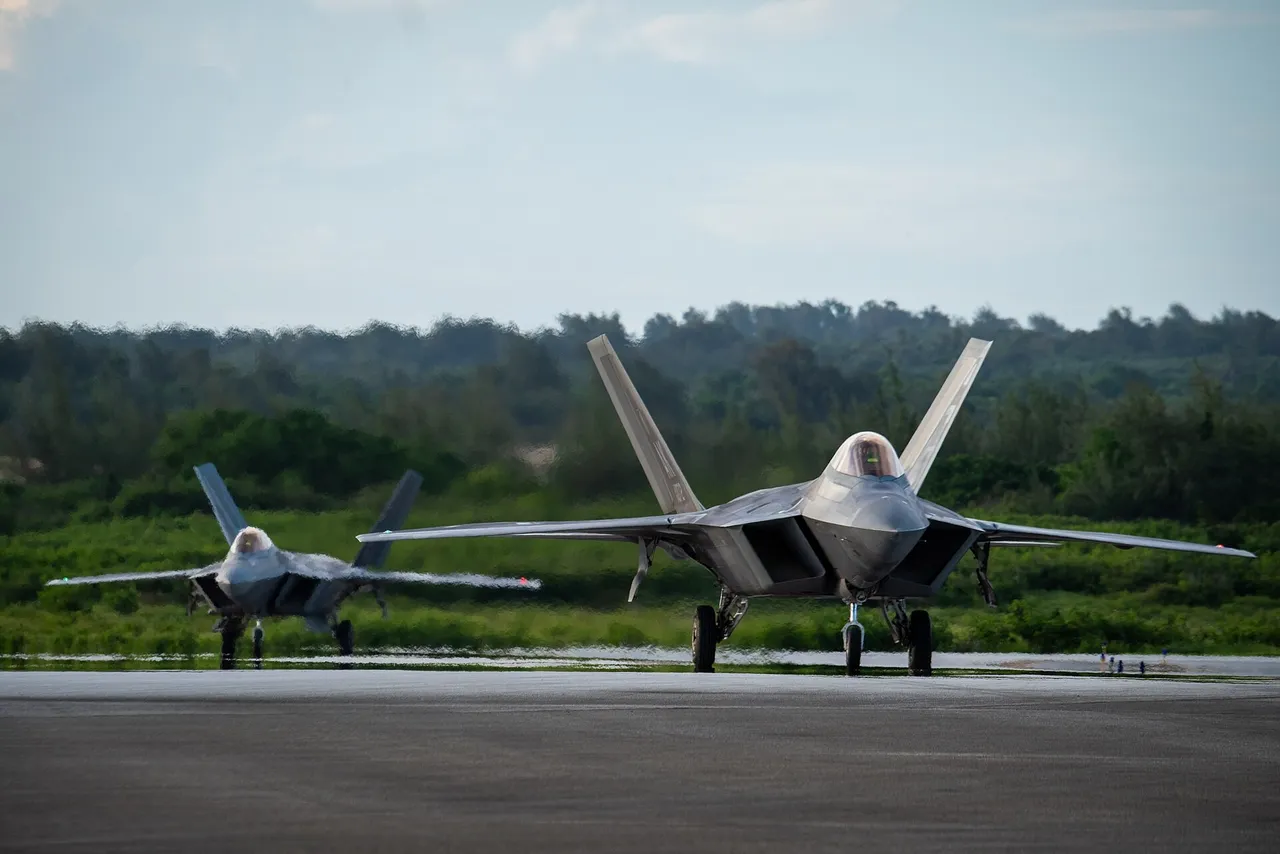
Why the US Air Force's Marianas airstrip plan, reported on 12 November 2026, hinges on fuel and consent
A plan reported on 12 November 2026 for 6,000-plus flights a year from four Marianas airfields shows dispersal near Guam is mostly a logistics test.
TaiwanDefence · 12h ago · 4 min read
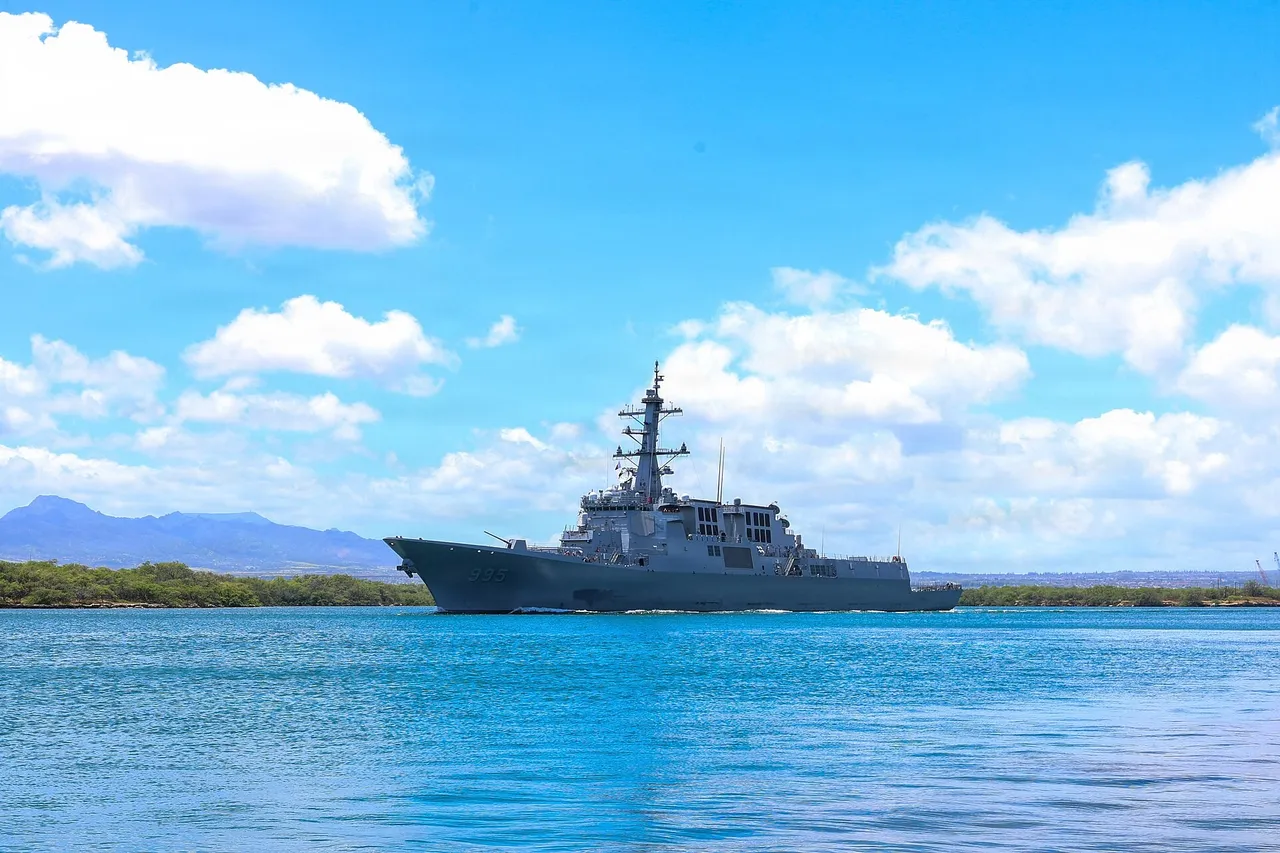
Why North Korea's conventional arms rush, tallied on 11 November 2026, strains Seoul's playbook
A count published on 11 November 2026 found 15 North Korean conventional weapon reveals in about two months, as G7 ministers condemned Moscow's help.
TaiwanDefence · 14h ago · 4 min read
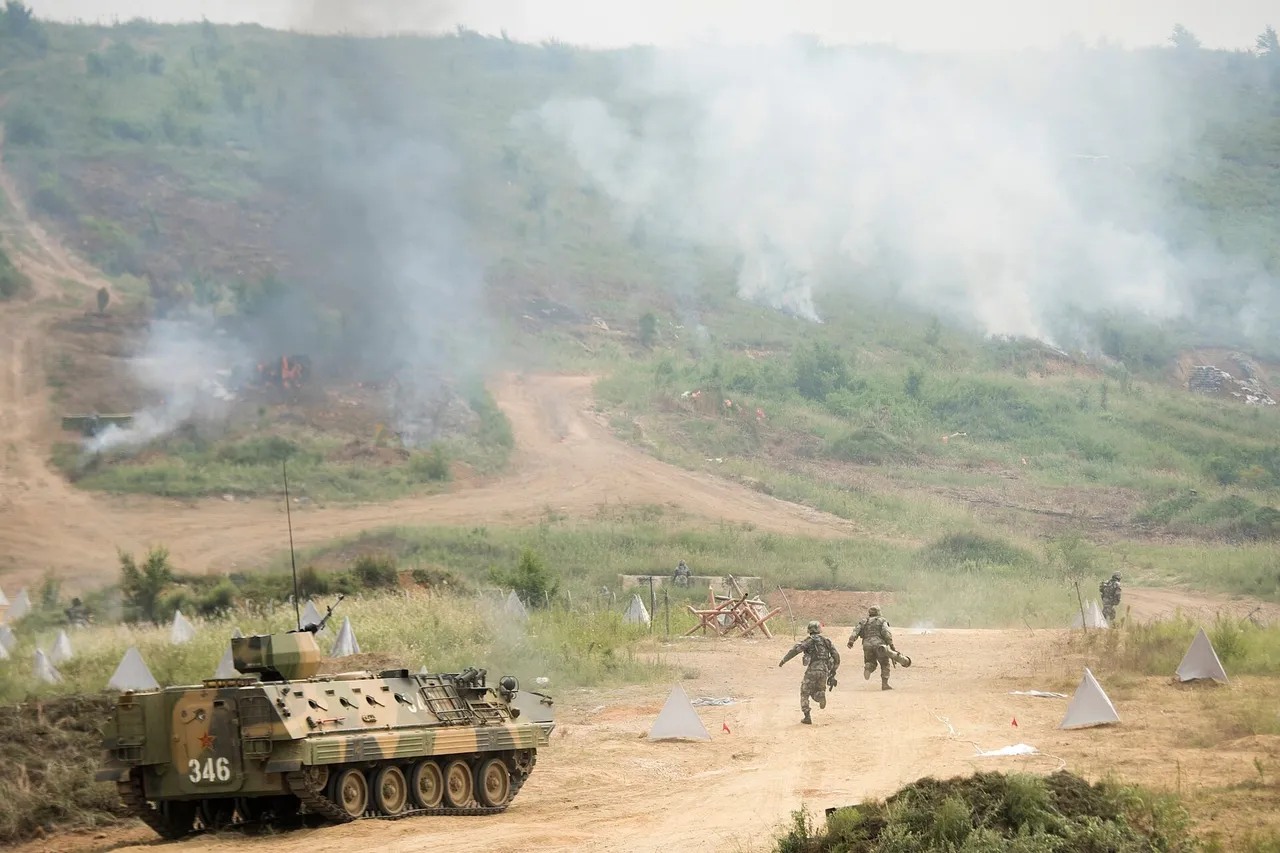
Why a PLA brigade's compulsory counter-drone drills, reported on 9 November 2026, matter for Taiwan
PLA Daily said on 9 November 2026 that a 75th Group Army brigade made counter-drone training mandatory, as Taiwan weighs NT$55.9 billion for drones.
TaiwanDefence · 18h ago · 4 min read
Discussion (0)
Comments are not currently available.