
US space firms tell Taiwan its biggest gaps are orbital surveillance, secure links and satellite tracking
After an AIT space industry day with Taiwan's space agency and defence officials, US companies said orbital ISR, cable-proof communications and space awareness top the list.

TAIPEI —
US space companies brought to Taiwan by the American Institute in Taiwan (AIT) say the island's most pressing space needs are intelligence, surveillance and reconnaissance from orbit, communications that can survive the loss of undersea cables, and the ability to track what other satellites are doing. They spoke to reporters after an AIT Space Industry Day, held from 8 to 11 November, that brought the Taiwan Space Agency, defence ministry officials and US firms together for closed-door talks, the Liberty Times and the Taipei Times reported.
Gregory Pipes, Asia-Pacific customer lead at HawkEye 360, said space-based ISR was the clearest answer, because it lets users see further than ground or airborne sensors and watch every direction around Taiwan. His company has launched 16 clusters of three satellites each to collect radio-frequency signals, which he said help defence customers detect, locate and identify emitters and can cue optical or radar imaging satellites.
Asked whether the technology had been proven in real operations or grey-zone situations, Pipes pointed to three uses: detecting GPS jamming from space, picking up electronic warfare signals such as counter-drone and air defence radars, and geolocating hostile emitters so that military users can deal with them. He said these applied both to grey-zone pressure and to conventional war.
Travis Langster, a former US defence official who founded TORA Consulting and is helping Taiwan work out how space can strengthen national resilience, focused on communications. He said he was not speaking for Taiwan's military, but argued that the island faces unusually complex challenges because an adversary could exploit its undersea cables to cut off both its main communications and key channels for watching its surroundings.
Chang Chin-yun, an account manager at Slingshot Aerospace, said the cable problem had pushed Taiwan to discuss beyond-5G satellite links, but that owning the hardware is not enough. Operators also need to secure those links and to know who is operating near their satellites and whether they might attack or eavesdrop, she said.
Jason Wentz, strategic account director at COMSPOC, which sells space situational awareness software, said understanding activity in orbit is the starting point for everything else. One of the earliest warning signs of a kinetic attack could be an object in space moving at an unexpected time, he said, and that can only be spotted if the tracking capability is already in place.
Wentz told the Liberty Times that, during the TASTI space conference in Tainan earlier in November, his company showed some Taiwanese officials what he called a fairly new Chinese capability: a satellite with a robotic arm that can grab another satellite, which China had recently practised on one of its own spacecraft. He said China has also shown it can refuel the grabbing satellite in orbit, so it could in principle seize a satellite, pull it off its mission, refuel and repeat. Together with China's spaceplane already in orbit, he described this as a major advance. These are the company's assessments.
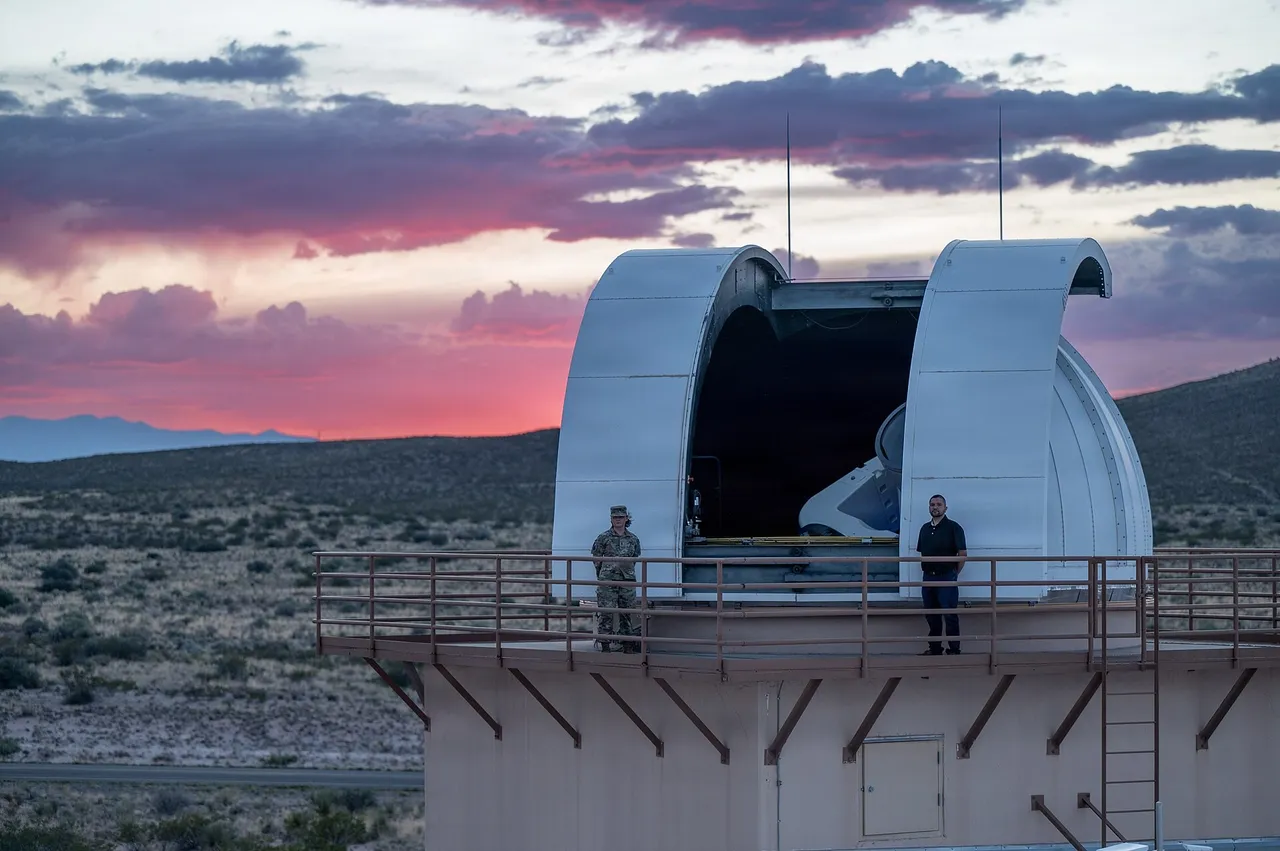
Chang added that Slingshot, which tracks satellites, rockets and debris with ground-based optical telescopes, had previously observed a Chinese satellite in geostationary orbit release unidentified objects that could manoeuvre on their own and possibly collect data. She said major powers including the United States, European countries and Japan watch such unusual behaviour closely.
On whether Taiwan should build its own satellites or buy commercial imagery, services and software, Langster said timing should set the priorities. He noted that China has spoken of a 2027 timeline and argued that commercial products offering more resilience are available today, so the choice may not be mainly a budget question. Pipes said commercial radio-frequency data could fill gaps for countries that can already see from space with optical satellites but cannot listen.
Langster also said vendors bring training with their products, which matters because some of these capabilities are new to Taiwan. Chang said not every part of the space chain needs to be built at home, citing Slingshot's network of more than 200 sensors worldwide; Taiwan is the company's third location globally and its first in the Asia-Pacific region. Wentz said Taiwan's space budget, which the Liberty Times put at more than US$2 billion, was not the main reason his company had come.
Sources
More in Industry
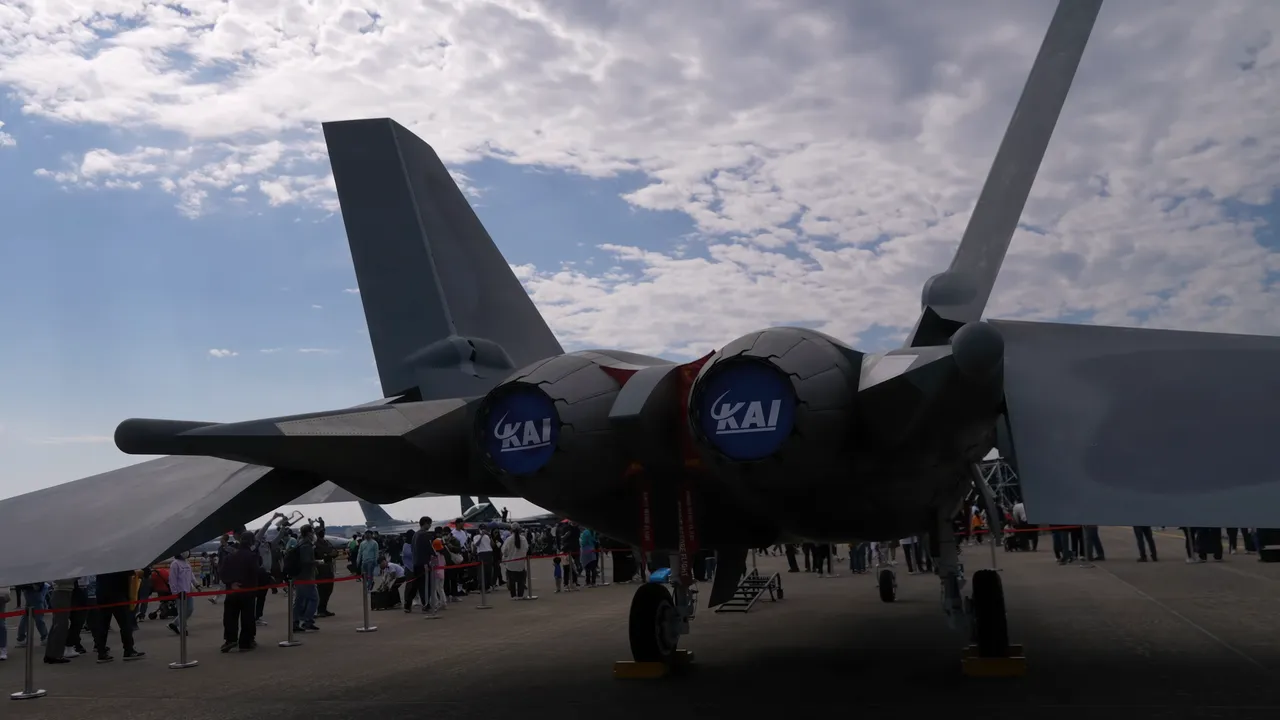
Hanwha Aerospace to build South Korea's first 10,000-pound jet engine for a stealthy spy drone
The Agency for Defense Development picked Hanwha for a 177.3 billion won project to build four high-bypass turbofans for a low-observable reconnaissance drone by 2031.
TaiwanDefence · 1h ago · 2 min read
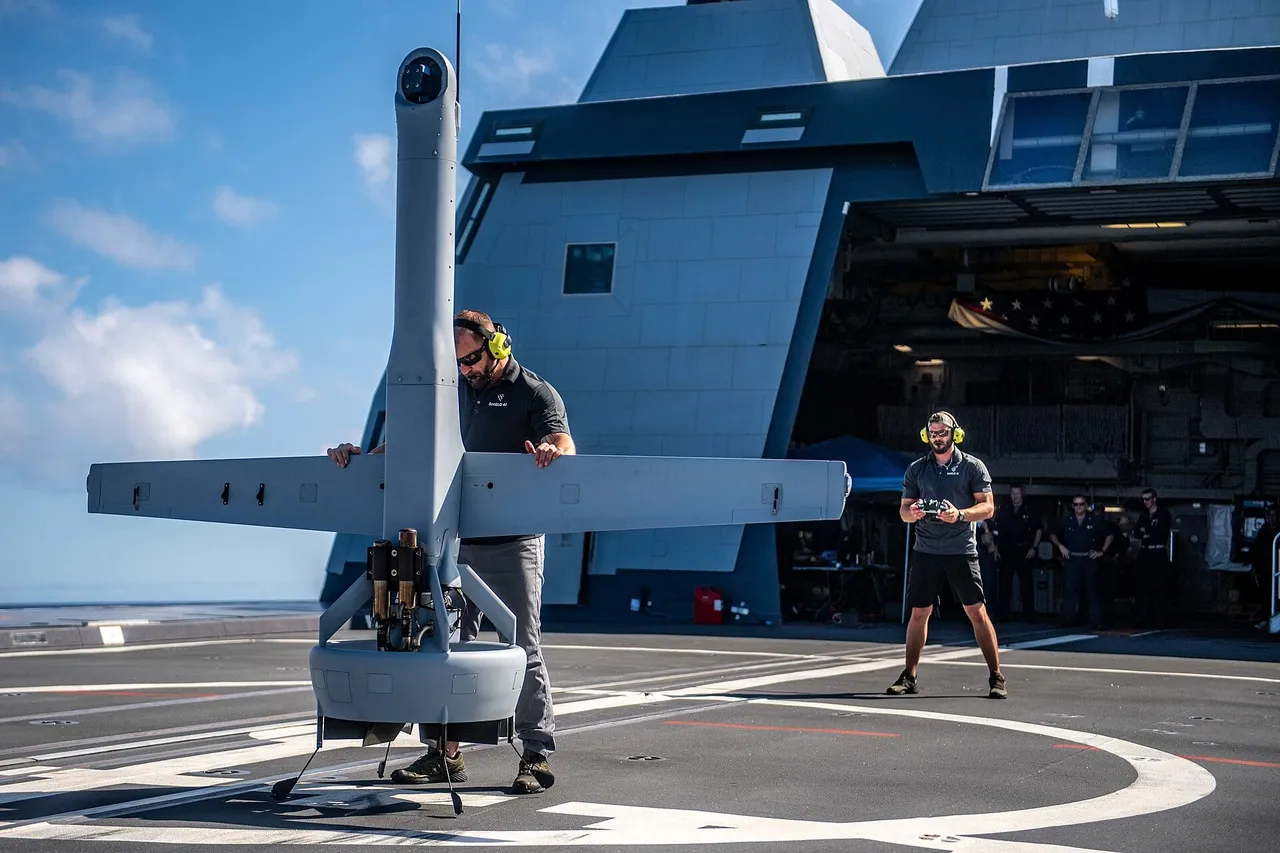
Japan's navy gets a home repair base for its V-BAT drones under a Shield deal with NIPPI
A Kawasaki Heavy Industries subsidiary will maintain the Japan Maritime Self-Defense Force's V-BAT drones and train Japanese technicians to keep them flying.
TaiwanDefence · 18h ago · 3 min read

L3Harris stages a live battle network demonstration in Taiwan, linking AI targeting and drone defences
The US contractor's three-day EVEREST event in Miaoli tied Palantir's Maven software, Link 16 and counter-drone kit into one network, though no contract has been announced.
TaiwanDefence · 1d ago · 3 min read
Discussion (0)
Comments are not currently available.